Tối ưu hóa luồng kho: Tự động hóa việc chọn và phân loại phức tạp

Emily Johnson
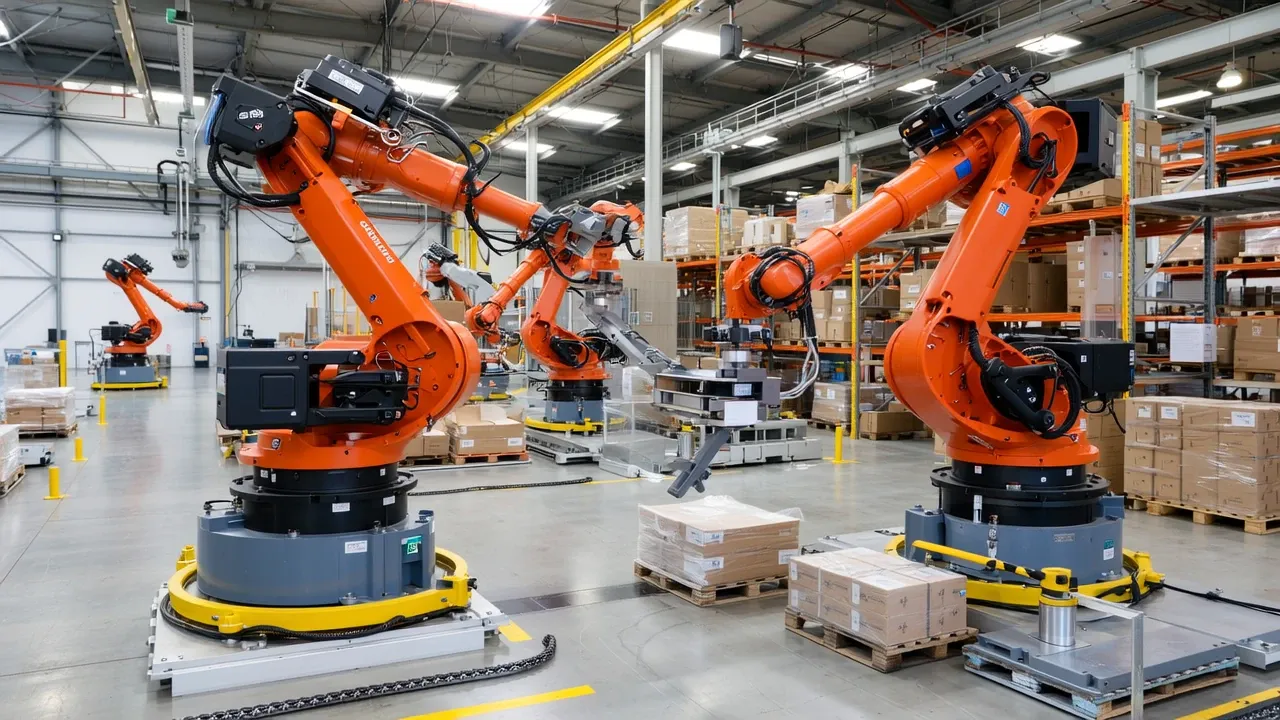
Sự Tiến Hóa của Tự Động Hóa Kho Bãi trong Logistics
Môi trường logistics hiện đại đòi hỏi mức độ tốc độ, độ chính xác và khả năng thích ứng chưa từng có. Khi sự thâm nhập của thương mại điện tử tiếp tục tăng trưởng, sự phức tạp của các hồ sơ đơn hàng—liên quan đến các SKU đa dạng, kích thước gói hàng không đồng đều và các yêu cầu định tuyến động—đang đẩy các quy trình kho bãi thủ công và bán tự động truyền thống đến giới hạn. Các nhà lãnh đạo trong ngành ngày càng chuyển sang tự động hóa tiên tiến để duy trì hiệu quả hoạt động và quản lý chi phí lao động gia tăng. Sự chuyển đổi này không chỉ đơn thuần là thay thế sức lao động của con người; đó là việc tăng cường khả năng của con người bằng các hệ thống thông minh có khả năng xử lý các nhiệm vụ nhận thức trước đây dành riêng cho nhân viên có tay nghề cao.
Việc chọn hàng và phân loại phức tạp đại diện cho hai nút thắt cổ chai quan trọng nhất trong các trung tâm phân phối hiện đại. Việc chọn hàng đòi hỏi các hệ thống phải xác định, lấy và sắp xếp các mặt hàng một cách chính xác dựa trên các thông số kỹ thuật đơn hàng phức tạp. Ngược lại, việc phân loại đòi hỏi việc định tuyến các mặt hàng này đến các kênh xuất hàng chính xác với tốc độ cao, thường là trong điều kiện thời gian eo hẹp. Khi các quy trình này trở nên rất biến đổi—một đặc điểm của việc thực hiện đơn hàng đa kênh hiện đại—tự động hóa băng tải hoặc đường dẫn cố định tiêu chuẩn thường không đáp ứng được thông lượng hoặc tính linh hoạt cần thiết.
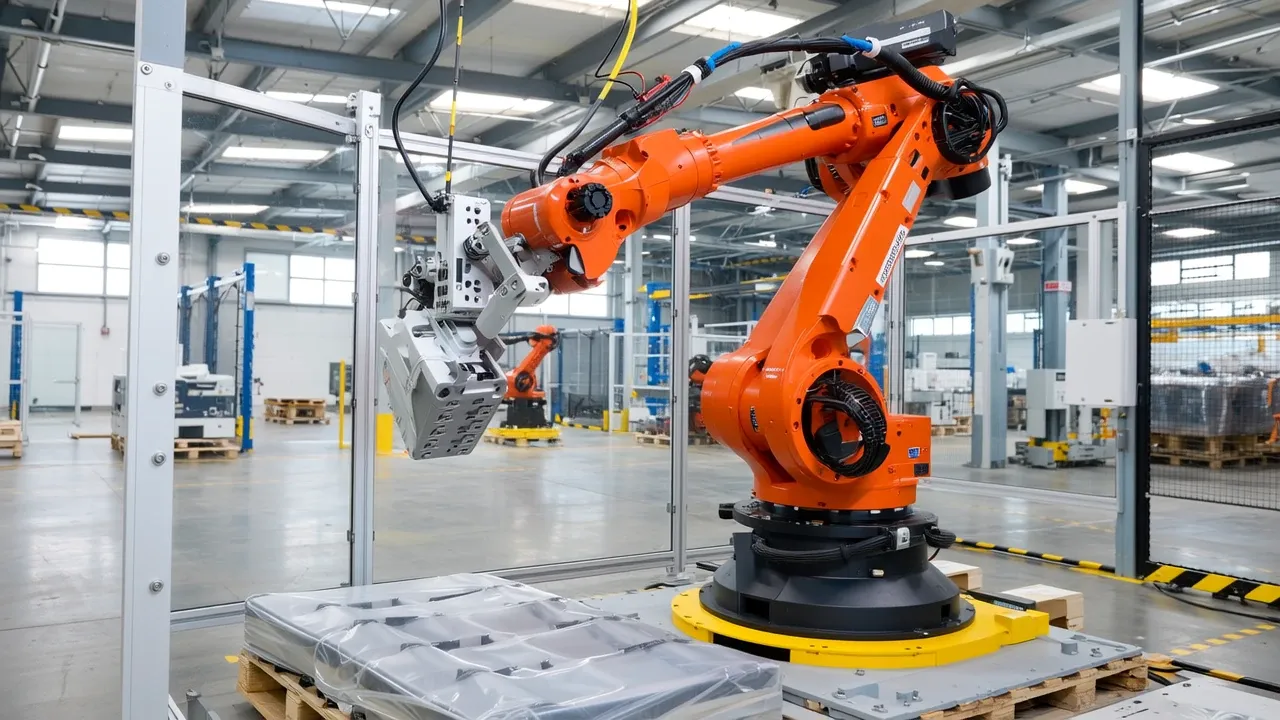
Giải pháp nổi lên từ robot tiên tiến bao gồm việc tích hợp Trí tuệ Nhân tạo (AI), các hệ thống thị giác 3D tinh vi và các giao diện cơ khí thích ứng. Những công nghệ này cho phép các hệ thống robot vượt ra ngoài các thao tác chọn và đặt đơn giản. Ví dụ, các robot chọn hàng động sử dụng các thuật toán AI để diễn giải môi trường phi cấu trúc, cho phép chúng xử lý các mặt hàng ở các vị trí thùng chứa ngẫu nhiên hoặc các hướng khác nhau. Mức độ thích ứng này rất quan trọng để tối đa hóa mật độ lưu trữ đồng thời duy trì độ chính xác khi chọn hàng.
Hơn nữa, việc tích hợp các hệ thống này tác động trực tiếp đến các quy trình hạ nguồn như đưa vào và phân loại. Bằng cách cung cấp các đầu vào đã được phân loại trước với độ chính xác cao, các máy móc phân loại tiếp theo hoạt động với khả năng dự đoán cao hơn và ít chi phí hiệu chỉnh lỗi hơn. Sự cải tiến hệ thống này thúc đẩy thông lượng tổng thể. Để tìm hiểu sâu hơn về các thách thức hoạt động và các phản ứng công nghệ trong lĩnh vực này, hãy xem bài phân tích này trên SupplyChain247.
Các lợi ích hoạt động có thể định lượng được. Độ chính xác được cải thiện trực tiếp làm giảm các khoản hoàn trả và gửi nhầm hàng tốn kém, trong khi thông lượng tăng cho phép các cơ sở xử lý các giai đoạn nhu cầu cao điểm mà không cần tăng nhân sự một cách không tương xứng. Các cơ quan quản lý, chẳng hạn như Bộ Giao thông Vận tải (DOT), tiếp tục nhấn mạnh hiệu quả và an toàn trong các hoạt động logistics, khiến tự động hóa tiên tiến trở thành một sự cần thiết chiến lược chứ không phải là một sự xa xỉ. Nghiên cứu của Gartner thường nhấn mạnh rằng các công ty áp dụng robot tiên tiến sẽ thấy sự cải thiện đáng kể về tỷ lệ sử dụng lao động Báo cáo của Gartner về Tự động hóa Kho bãi.
Sự thay đổi này đòi hỏi phải đánh giá lại cơ bản về bố cục kho bãi và thiết kế quy trình làm việc, chuyển từ các quy trình tuyến tính sang các mạng lưới thông minh, được kết nối cao. Việc làm chủ sự tích hợp này là chìa khóa để đạt được chuỗi cung ứng kiên cường.
Khám Phá Thêm Bài Viết
Các Trụ Cột Công Nghệ của Việc Thực Hiện Thông Minh
Việc đạt được tự động hóa thực sự trong khâu chọn và phân loại phức tạp phụ thuộc vào sự phối hợp nhịp nhàng của một số công nghệ chủ chốt. Trọng tâm là thị giác 3D. Không giống như quét mã vạch đơn giản, các hệ thống thị giác 3D thu thập các đám mây điểm dày đặc về môi trường, cho phép hệ thống robot nhận biết hình học chính xác, hướng và mối quan hệ của mặt hàng với hàng tồn kho xung quanh. Điều này rất quan trọng khi xử lý các mặt hàng không đồng nhất, chẳng hạn như quần áo hoặc các bộ phận có hình dạng bất thường.
Các cơ chế kẹp thích ứng là biểu hiện vật lý của khả năng nhận thức này. Các bộ kẹp này phải có khả năng điều chỉnh lực, hình dạng và điểm tiếp xúc của chúng theo thời gian thực dựa trên dữ liệu do hệ thống thị giác 3D cung cấp. Khả năng này đưa tự động hóa từ việc xử lý các khay tiêu chuẩn sang quản lý hàng tồn kho không đồng nhất. Khi kết hợp với AI, hệ thống sẽ học các chiến lược kẹp tối ưu cho các loại sản phẩm cụ thể, giảm thiểu hư hỏng đồng thời tối đa hóa việc lấy hàng thành công.
Việc đưa vào và phân loại được tối ưu hóa khi luồng đầu vào sạch. Nếu quy trình chọn hàng cung cấp các mặt hàng với độ chính xác vị trí cao, quá trình đưa vào (quá trình đưa các mặt hàng vào máy móc phân loại) sẽ nhanh hơn và ít bị tắc nghẽn hơn. Sự có thể dự đoán này cho phép các thuật toán phân loại được tinh chỉnh để đạt tốc độ tối đa. Ví dụ, việc tối ưu hóa luồng qua các hệ thống phân loại tự động có mối tương quan trực tiếp với việc giảm thời gian lưu lại, một chỉ số được các nhà phân tích ngành theo dõi chặt chẽ Thống kê Lao động BLS về Việc làm Logistics.
Hơn nữa, sự tích hợp phải diễn ra liền mạch. Hệ thống Quản lý Kho (WMS) phải giao tiếp trôi chảy với các hệ thống điều khiển robot. Mức độ tương tác này đảm bảo rằng AI luôn hoạt động dựa trên dữ liệu vị trí hàng tồn kho và mức độ ưu tiên đơn hàng mới nhất. Cách tiếp cận toàn diện này, thay vì áp dụng công nghệ một cách rời rạc, là yếu tố thúc đẩy những cải thiện hoạt động đáng kể. Các công ty tập trung vào khả năng phục hồi chuỗi cung ứng ngày càng đánh giá mức độ trưởng thành tự động hóa của mình so với các tiêu chuẩn ngành đã được thiết lập Cập nhật Chính sách Thương mại USTR.
Đang tải bình luận...