FSC Notice: U.S. $4.578/gal - LTL 40.10%, TL 43.60%; CA $6.073/gal - LTL 55.80%, TL 59.30% - Week of 7/8/26-7/14/26 — Learn More

    Major Carriers Resume Suez Canal Service Amid Red Sea Stabilization

    Logisticsfreightlogisticssupply-chain
    Emily Johnson

    Emily Johnson

    5 min read
    0Loading...
    Major Carriers Resume Suez Canal Service Amid Red Sea Stabilization

    Operational Shifts Following Red Sea Disruptions

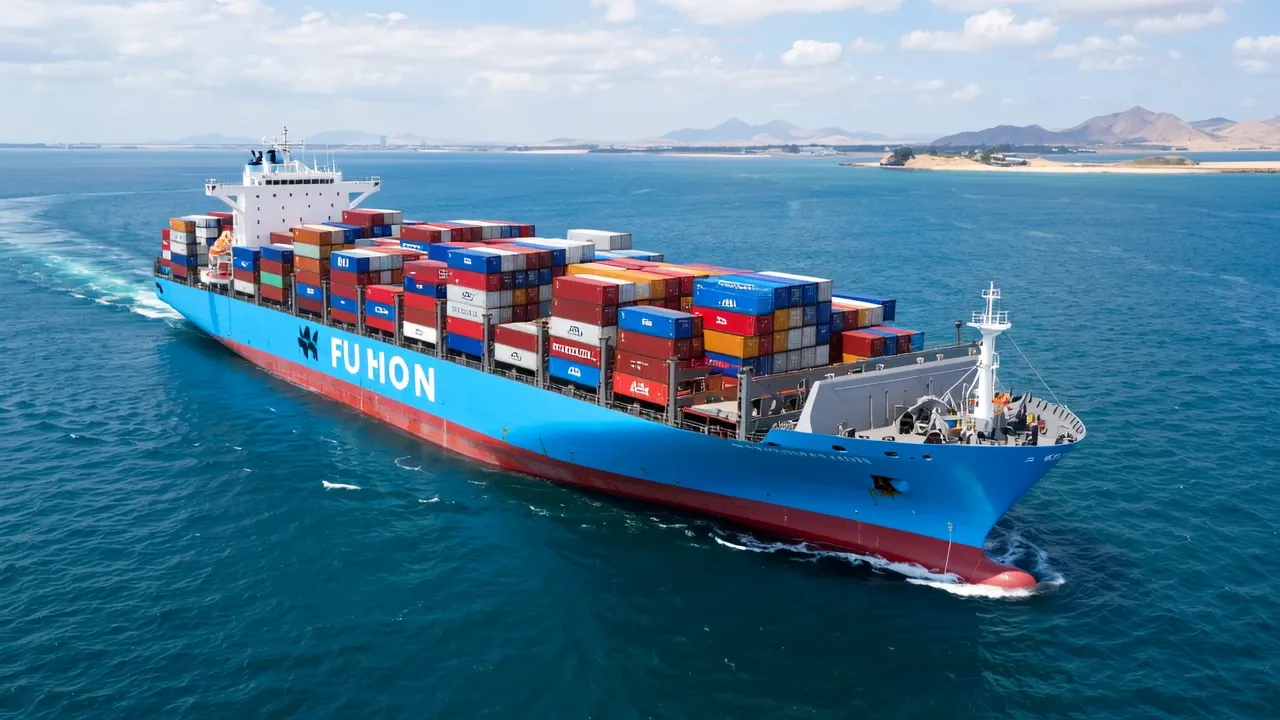
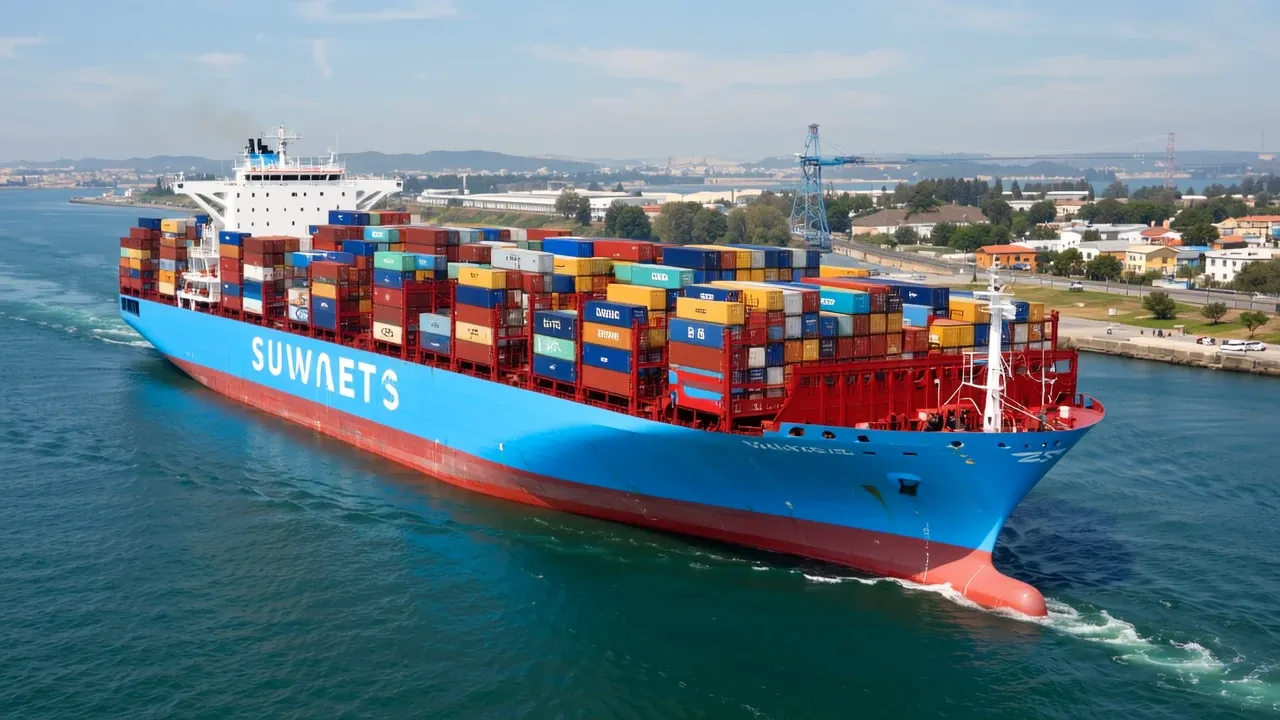
    Major global shipping lines, including Maersk and Hapag-Lloyd, have initiated the resumption of service transiting the Suez Canal for at least one container service. This development signals a cautious, yet tangible, shift in global maritime routing strategies following prolonged disruptions stemming from instability in the Red Sea region. The decision to re-engage the Suez Canal route represents a significant operational pivot for carriers, moving away from longer, more costly detours around the Cape of Good Hope.

    The Suez Canal remains a critical artery for global trade, connecting Asia and Europe efficiently. When disruptions force vessels to reroute, the immediate consequences are felt across the entire supply chain ecosystem: increased transit times, higher bunker fuel consumption, and elevated freight rates. The resumption of service, even on a limited basis initially, suggests that the risk assessment models employed by these carriers are recalibrating based on evolving security conditions in the Bab el-Mandeb Strait and the wider Red Sea area.

    Industry analysts view this move not as a complete return to pre-disruption norms, but as a measured step toward normalization. The initial resumption of a single service allows carriers to test the operational viability, security protocols, and commercial viability of the route under current conditions. This phased approach is typical in high-risk environments, prioritizing risk mitigation while seeking to restore optimal network efficiency. For logistics providers managing complex international movements, this news necessitates immediate review of existing transit schedules and contingency plans.

    The operational implications extend beyond just the vessel movement. It affects port congestion patterns, inland distribution timelines, and inventory management strategies for shippers. A reliable transit corridor allows for more predictable lead times, which is crucial for Just-In-Time (JIT) inventory models. For further context on the evolving situation, readers can refer to this report Maersk and Hapag-Lloyd Resume One Suez Canal Service.

    The decision to resume service is influenced by a confluence of factors, including insurance premiums, geopolitical risk assessments, and the economic pressure exerted by prolonged delays. As global trade volumes remain robust, the pressure to maintain efficient routes remains high. Regulatory bodies and maritime security agencies continue to monitor the situation closely. For insights into broader global trade trends, data from organizations like the USTR provides valuable context on international trade flows USTR Trade Data.

    Analyzing the Impact on Global Logistics Flow

    The strategic importance of the Suez Canal cannot be overstated. It facilitates the movement of substantial volumes of containerized cargo between East and West. When this route is compromised, the logistical burden shifts dramatically. The alternative—the Cape of Good Hope route—adds thousands of nautical miles to the journey. This increased distance directly translates to higher operational expenditure for carriers, including increased fuel costs and longer vessel utilization periods. Furthermore, longer voyages strain port infrastructure at both ends, potentially exacerbating congestion at destination ports.

    This resumption signals a potential easing of the immediate supply chain pinch points caused by the rerouting. However, the industry must remain vigilant. The stability of the region is subject to rapid change, and carriers will likely maintain a degree of operational flexibility, keeping alternative routing options viable for unforeseen escalations. The ability to quickly pivot between Suez and Cape routes is becoming a key differentiator in supply chain resilience.

    For businesses relying on predictable delivery windows, this news is a positive indicator of stabilizing geopolitical risk impacting maritime transit. However, shippers must coordinate closely with their 3PL partners to adjust expectations regarding the speed of full route normalization. While one service resuming is a start, the full integration back into the standard network requires sustained security and operational confidence. Monitoring official maritime advisories is essential for accurate planning. For broader economic outlooks affecting shipping demand, reports from the Bureau of Labor Statistics (BLS) offer relevant labor market context BLS Economic Data.

    Loading comments...