La actividad marítima se intensifica tras la publicación del plan de evacuación del IMO en el Estrecho de Ormuz

Emily Johnson
Cambios Operacionales en el Estrecho de Ormuz
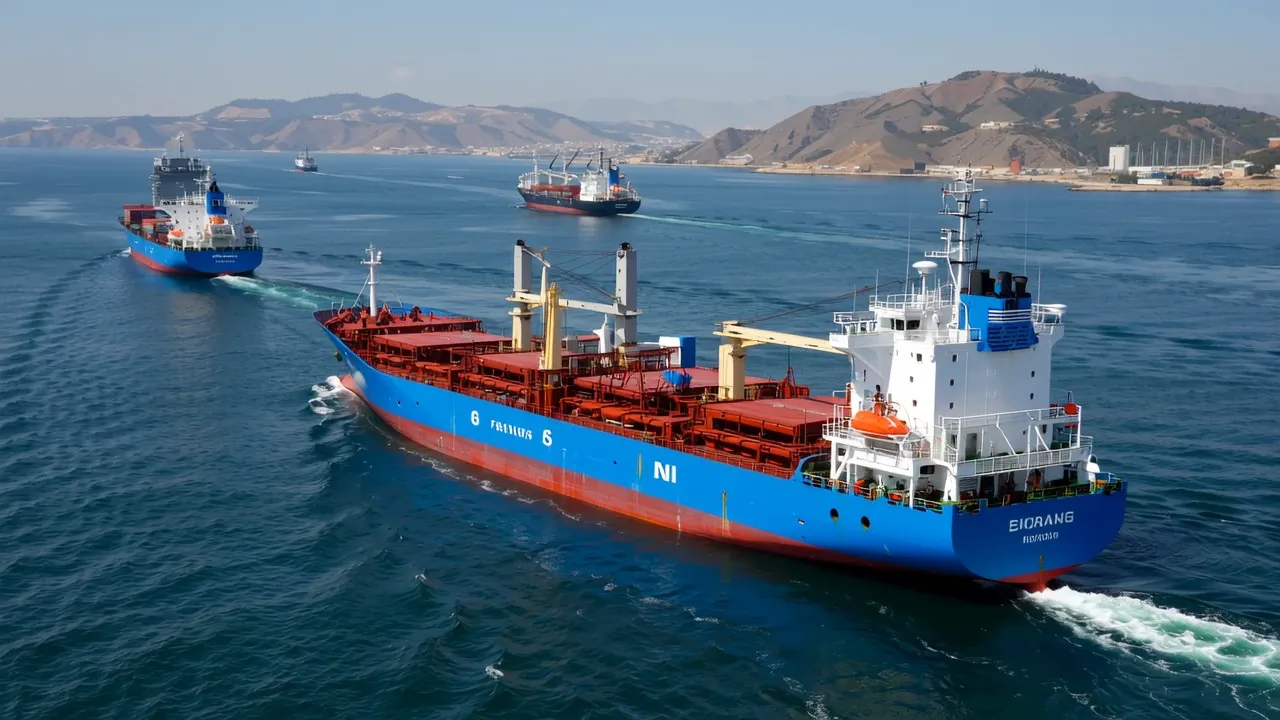
El panorama marítimo alrededor del Estrecho de Ormuz ha experimentado una notable aceleración en la actividad de tránsito de buques. Tras la publicación por parte de la Organización Marítima Internacional (OMI) de su plan de evacuación para el Estrecho de Ormuz esta semana, que siguió a consultas con las autoridades iraníes y omaníes, el goteo de buques que transitan por la zona ha escalado rápidamente a un flujo más constante. Este desarrollo señala un ajuste operativo significativo dentro de las rutas marítimas globales, lo que lleva a las navieras a recalibrar sus estrategias de despliegue.
Este cambio en los patrones de tráfico subraya la naturaleza crítica de la gobernanza marítima internacional y el impacto inmediato que tienen los marcos regulatorios en la logística del mundo real. La publicación proactiva de un plan de evacuación por parte de la OMI sugiere un nivel de preparación y coordinación elevado entre los organismos internacionales y los actores regionales. Para los proveedores de logística que gestionan cadenas de suministro complejas, comprender estos cambios geopolíticos y regulatorios es primordial para mantener niveles de servicio predecibles. Como señalan los observadores de la industria, la rapidez con la que aumentó la densidad del tráfico después de la presentación del plan resalta la capacidad de respuesta de la flota global a las estrategias formalizadas de mitigación de riesgos The Loadstar | Maersk ships early movers as IMO unveils Hormuz evacuation plan.
Gestionar este aumento de flujo requiere herramientas sofisticadas para la Gestión de la Dinámica del Flujo de Carga. Es probable que las navieras estén ajustando la programación de buques y la asignación de recursos para acomodar el mayor volumen mientras cumplen con los nuevos protocolos delineados por la OMI. Este escenario proporciona un caso de estudio en la vida real sobre cómo la conformidad con el comercio internacional se cruza con los requisitos operativos inmediatos. Además, la necesidad de una evaluación de riesgos sólida en zonas de tránsito tan volátiles enfatiza la importancia de una Coordinación de Transporte Marítimo Internacional integral entre todos los socios logísticos.
Las implicaciones operativas se extienden más allá del simple movimiento de buques. La suscripción de seguros, las negociaciones de contratos de fletamento y el monitoreo de riesgos en tiempo real se vuelven más complejos. Las empresas deben asegurarse de que sus socios cumplan con las últimas directrices de seguridad y tránsito. Este entorno exige una inmersión profunda en los estándares cambiantes del Marco de Responsabilidad del Transportista para garantizar el movimiento ininterrumpido de mercancías. La estabilidad del comercio mundial depende en gran medida del funcionamiento predecible de puntos de estrangulamiento clave como Ormuz, y la intervención de la OMI es un intento directo de estabilizar esa predictibilidad en medio de las complejidades regionales. Para las empresas que dependen de la entrega a tiempo, este aumento de flujo, aunque potencialmente indicativo de un riesgo gestionado, también exige una mayor visibilidad en todo el Flujo de Material de la Cadena de Suministro.
Explorar más artículos
Implicaciones para la Logística Global y la Resiliencia de la Cadena de Suministro
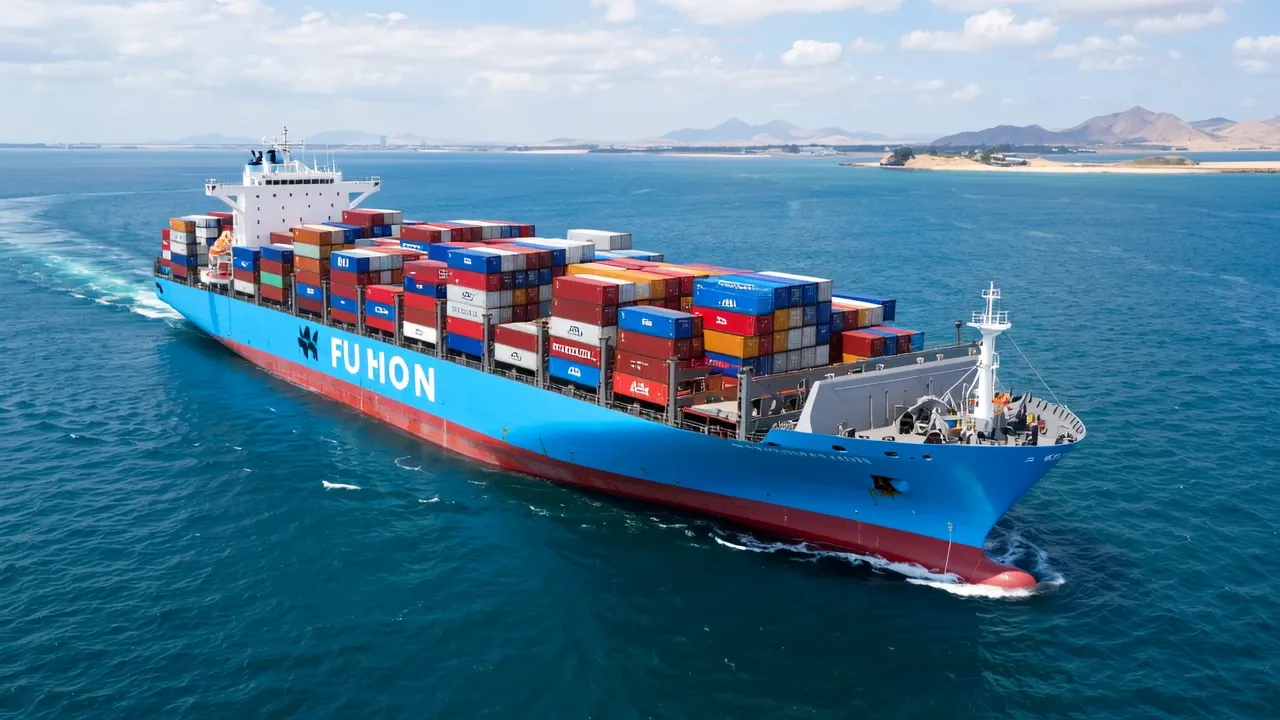
El aumento del tráfico marítimo tras el anuncio de la OMI ejerce una presión inmediata sobre la infraestructura portuaria y las redes logísticas posteriores. El mayor rendimiento en puntos de tránsito clave requiere una planificación meticulosa para evitar cuellos de botella, lo que de otro modo podría anular los beneficios del flujo de tránsito estabilizado. Las Operaciones de Transporte Marítimo eficaces ahora deben tener en cuenta una densidad de buques potencialmente mayor y la adhesión a procedimientos de evacuación específicos.
Desde una perspectiva estratégica, este evento refuerza la necesidad de un diseño de cadena de suministro resiliente. Depender de un único punto de estrangulamiento de alto riesgo, incluso con planes de evacuación formalizados, introduce una vulnerabilidad inherente. Los planificadores logísticos están buscando cada vez más la diversificación de rutas y modos, un concepto estrechamente relacionado con la optimización de la Optimización de Carga Marítima. Si bien el enfoque inmediato está en gestionar el flujo actual, la tendencia a largo plazo apunta hacia una mayor redundancia en las rutas comerciales globales.
Además, la ejecución operativa de estos movimientos requiere altos niveles de coordinación entre expedidores, transportistas y operadores de terminales. La complejidad de gestionar esta actividad elevada es una función central de la gestión logística avanzada. Para mantener la eficiencia, los transportistas deben aprovechar el análisis avanzado de datos para monitorear las posiciones de los buques y predecir posibles puntos de congestión, yendo más allá del seguimiento básico hacia un verdadero modelado predictivo. Esto es especialmente cierto al considerar la interacción entre los movimientos marítimos y la distribución terrestre, como la gestión de los despachos de aduanas a través de Agenciamiento Aduanero Internacional.
Las actualizaciones regulatorias, como el plan de la OMI, también influyen en las prácticas comerciales. Por ejemplo, los requisitos operativos pueden afectar la forma en que se aplican los Incoterms, particularmente en lo que respecta a los puntos de transferencia de riesgo, como los definidos bajo Transportista Libre (FCA). Comprender estas implicaciones comerciales granulares es vital para una modelización de costes precisa y el cumplimiento contractual. La tendencia más amplia hacia el transporte marítimo sostenible, incluidas las iniciativas relacionadas con la Descarbonización Marítima, ahora debe equilibrarse con los imperativos inmediatos de seguridad y gestión del flujo. El análisis de la industria de organismos como la USTR a menudo destaca la intersección entre la estabilidad geopolítica y el flujo comercial, subrayando la necesidad de marcos logísticos adaptables [U.S. Trade Representative | Trade Policy Updates].
Cargando comentarios...