Philippine Airlines
Asia’s first airline delivering world-class service and seamless global connectivity across the Philippines, Asia, and beyond.


Company Overview
Philippine Airlines is the flag carrier of the Philippines, operating an extensive network of domestic and international flights from its Manila hub. The airline is recognized for its modern fleet, industry-leading safety, and comprehensive passenger and cargo solutions. Philippine Airlines is positioned as a key player connecting Southeast Asia to global destinations.
Leadership & Employees
Philippine Airlines employs approximately 5,200 people globally.
Key Leadership:
- CEO: Stanley K. Ng
Employee Statistics:
- Total Employees: ~5,200 globally
- Pilots: ~850
- Flight Attendants: ~1,800
Equipment & Technology
Philippine Airlines operates a modern fleet with advanced Airbus and Boeing aircraft, supporting a full range of domestic, regional, and long-haul operations. The airline leverages industry-standard aviation management technology and offers state-of-the-art inflight connectivity on flagship routes. Advanced maintenance infrastructure in Manila ensures high safety and reliability standards. PAL continues to introduce fleet upgrades and environmental initiatives to enhance both service and sustainability.
Fleet Composition:
Total Aircraft: 72
| Aircraft Type | Quantity |
|---|---|
| Airbus A350-1000 | 1 |
| Airbus A350-900 | 1 |
| Boeing 777-300ER | 1 |
| Airbus A321neo | 1 |
| Airbus A321ceo | 1 |
| Airbus A320-200 | 1 |
Average Fleet Age: 7.3 years
Warehouses & Logistics Hubs
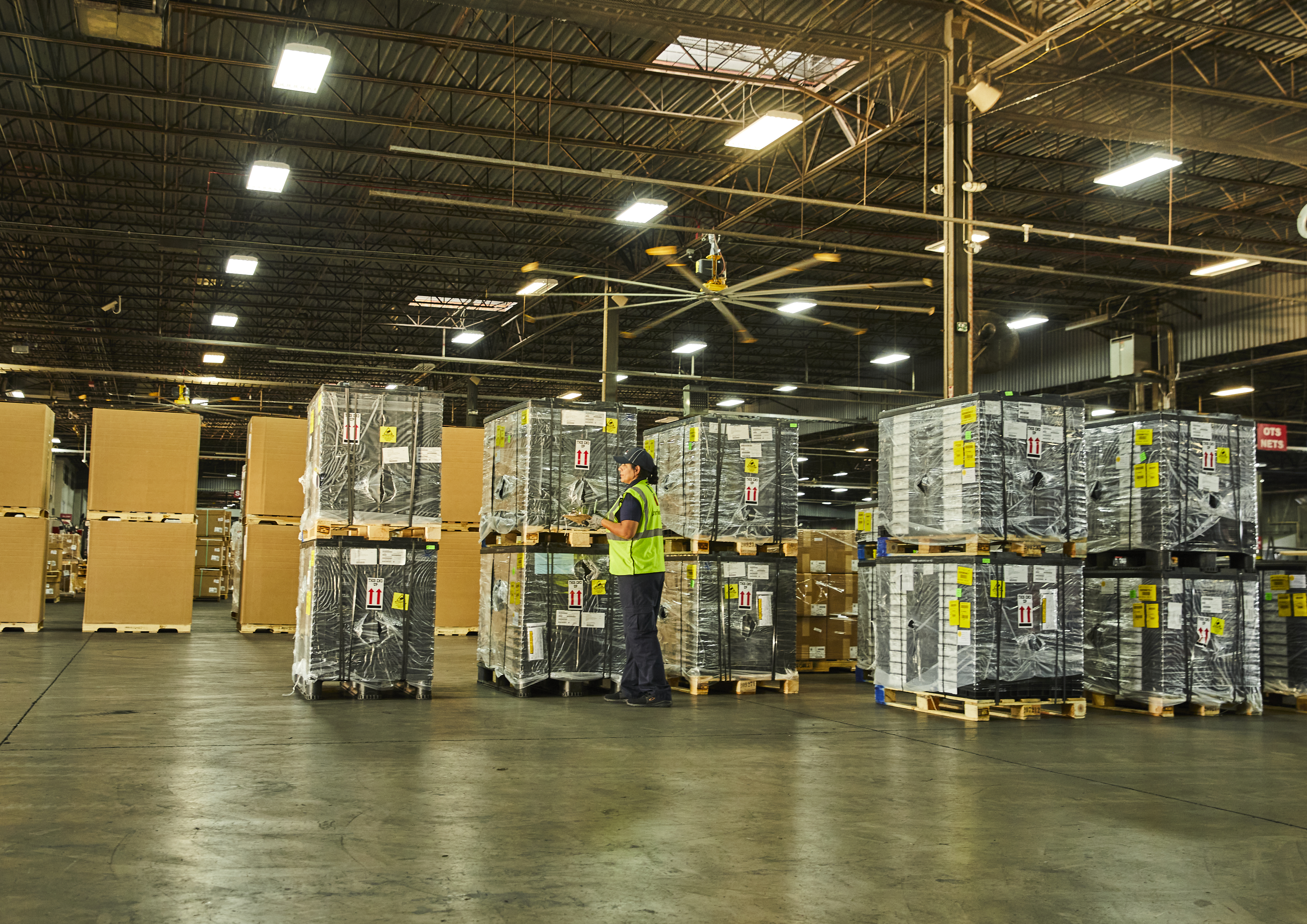
Philippine Airlines provides integrated cargo management, spare parts storage, and aviation logistics at its dedicated Manila hub. The airline’s logistics operations support time-critical shipments, temperature-sensitive goods, and specialized handling for aviation partners. Ground support and warehouse facilities emphasize operational reliability and efficiency. Strategic partnerships and adoption of advanced logistics technology bolster PAL's role as a leader in Southeast Asia’s aviation supply chain.
Key Hub Locations:
| Location | Type | Facilities |
|---|---|---|
| Manila Ninoy Aquino International (MNL) | main | Main hub facilities |
| Cebu Mactan International (CEB) | secondary | Secondary hub facilities |
| Davao International (DVO) | secondary | Secondary hub facilities |
| Los Angeles International (LAX) | focus | Focus hub facilities |
| San Francisco International (SFO) | focus | Focus hub facilities |
| Vancouver International (YVR) | focus | Focus hub facilities |
| Narita International (NRT) | focus | Focus hub facilities |
| Sydney Kingsford Smith (SYD) | focus | Focus hub facilities |
Certifications & Compliance:
- • IOSA
- • ISO 9001
Global Locations & Network
Philippine Airlines maintains a strong international presence, connecting the Philippines with North America, Asia, Australia, and the Middle East. Its comprehensive route network supports both passenger and cargo partners. PAL leverages strategic codeshare agreements to expand destination reach and streamline connectivity. The airline’s competitive advantage is enhanced by nonstop links from Manila to global cities and an optimized domestic feeder system. PAL’s forward-thinking strategy prioritizes network growth, partner collaboration, and flexible service. Its integrated logistics and distribution systems ensure the Philippines remains a vital hub in global supply chains.

Partners & Alliances:
ANA
codeshare
Cathay Pacific
codeshare
China Airlines
codeshare
Malaysia Airlines
codeshare
WestJet
codeshare
Turkish Airlines
codeshare
Etihad Airways
codeshare
Bangkok Airways
codeshare
Carrier Partners & Alliances
Philippine Airlines maintains a strong international presence, connecting the Philippines with North America, Asia, Australia, and the Middle East. Its comprehensive route network supports both passenger and cargo partners. PAL leverages strategic codeshare agreements to expand destination reach and streamline connectivity. The airline’s competitive advantage is enhanced by nonstop links from Manila to global cities and an optimized domestic feeder system. PAL’s forward-thinking strategy prioritizes network growth, partner collaboration, and flexible service. Its integrated logistics and distribution systems ensure the Philippines remains a vital hub in global supply chains.
Strategic Partnerships:
| Partner | Type |
|---|---|
| ANA | codeshare |
| Cathay Pacific | codeshare |
| China Airlines | codeshare |
| Malaysia Airlines | codeshare |
| WestJet | codeshare |
| Turkish Airlines | codeshare |
| Etihad Airways | codeshare |
| Bangkok Airways | codeshare |
Financial Metrics & Stability
Philippine Airlines demonstrated improving revenue and profitability in 2024, driven by the post-pandemic travel recovery and strategic network expansion. The company has rebuilt its financial base through operational efficiencies and growing demand in both passenger and cargo markets. PAL’s market position is reinforced by increased international frequencies and its modern, fuel-efficient fleet.
Key Financial Metrics:
| Metric | Value |
|---|---|
| Annual Revenue | $2.7 billion |
| Profit Margin | 10% |
| Net Profit | $270.0 million |
| Financial Year | 2024 |
Service Portfolio
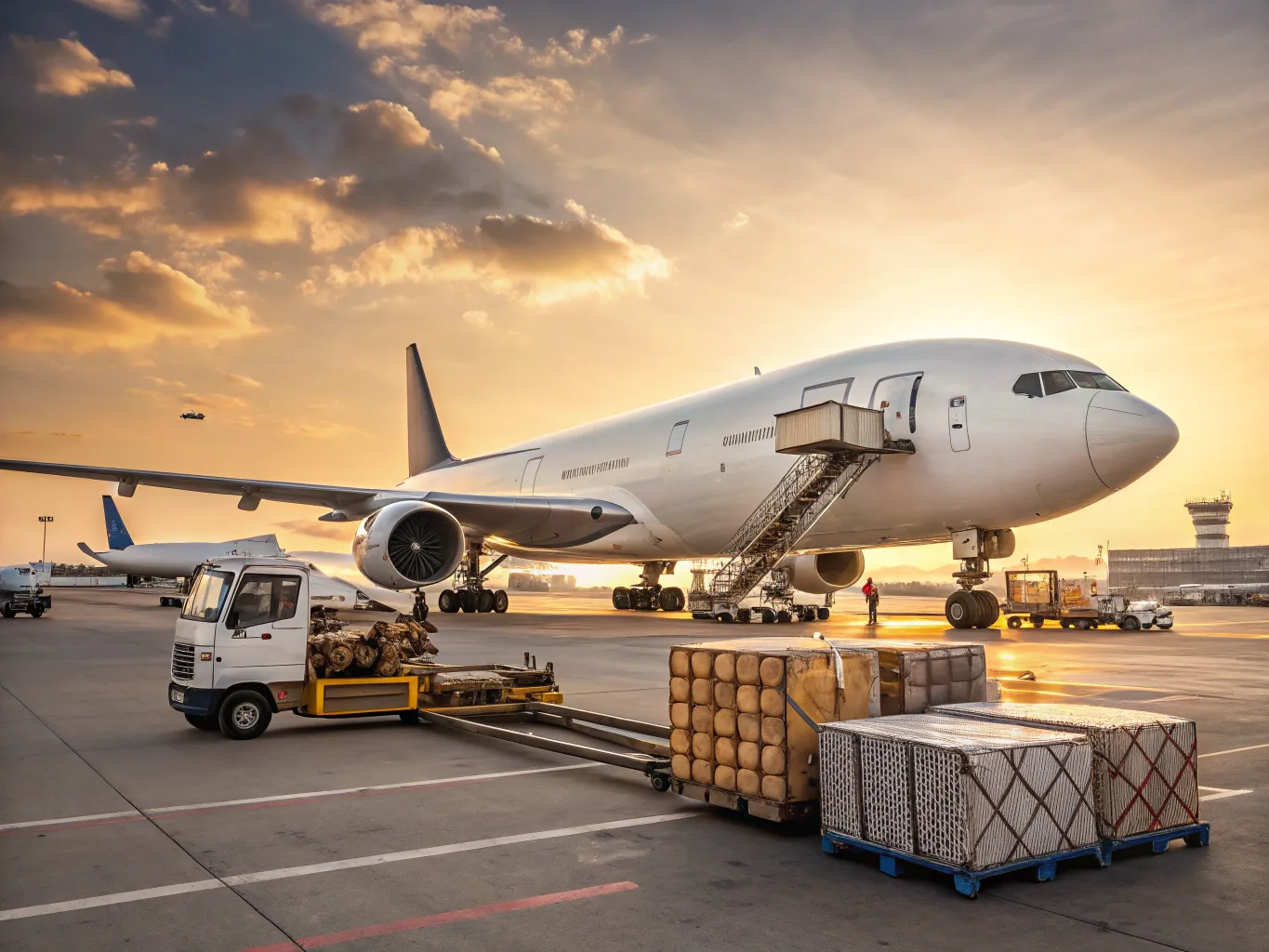
Philippine Airlines offers premium and economy passenger service with onboard dining, inflight entertainment, and signature hospitality. Its cargo division caters to express, perishables, pharmaceuticals, and valuables shipments for global supply chains. Maintenance and spare parts logistics support airline partners and ensure fleet reliability. The carrier’s ground handling and airport services are available at all major Philippine gateways, enhancing operational efficiency. Value-added solutions include mileage programs, passenger lounges, and technical training for the aviation industry.
Our Services:
Business Class
Passenger Service: Business Class
Premium Economy
Passenger Service: Premium Economy
Economy Class
Passenger Service: Economy Class
General Cargo
Cargo Service: General Cargo
Express Cargo
Cargo Service: Express Cargo
Perishable Cargo
Cargo Service: Perishable Cargo
Pharmaceutical Logistics
Cargo Service: Pharmaceutical Logistics
Valuables and Secure Cargo
Cargo Service: Valuables and Secure Cargo
Aircraft Maintenance
Additional Service: Aircraft Maintenance
Technical Training
Additional Service: Technical Training
Ground Handling
Additional Service: Ground Handling
Tools & Resources
Tools, portals, and resources for Philippine Airlines.
Latest News & Updates
Recent developments and updates for Philippine Airlines.
Air cargo enabled $157 billion in frontloaded trade and supported AI growth in 2025
The International Air Transport Association (IATA) today released a report showing air cargo's vital role in sustaining global trade and supporting economic growth in 2025 amid
Air Freight Market to Hit USD 225.26 Bn by 2031: Freight Forwarding held 44.5% of the 2025 Market Share, Says a 2026 Mordor Intelligence Report
According to Mordor Intelligence, the air freight market was valued at USD 160.17 billion in 2025 and is projected to grow from U SD 169.53 billion in 2026 to reach USD 225.26 billion by 2031, growing at a CAGR of 5.
Cargo airlines at SMF
Airlines on the list carry cargo in and out of SMF from Dec. 1, 2024 to Nov. 30, 2025, the latest 12-month period available. Data is from T-100 compiled by the Bureau of Transportation Statistics.
Data & Reports
Official statistics, research reports, and data tracking for Philippine Airlines.
IATA — Air Freight Statistics
Monthly and annual air cargo market statistics.
DOT BTS — Air Freight Data
Bureau of Transportation Statistics air cargo data.
FAA — Aviation Data & Statistics
Federal Aviation Administration official data.
World Bank — Air Transport Statistics
Global air freight volume and logistics performance.
Seabury Cargo — Market Outlook
Air cargo market trend reports.
Location & Maps
Find Philippine Airlines on popular mapping services.
Interactive Map
Map Legend
Loading Google Maps...
For More Info
Third-party resources, government portals, ratings, and more.
