Talent Cuts and Their Impact on Supply Chain Innovation

Sarah Williams
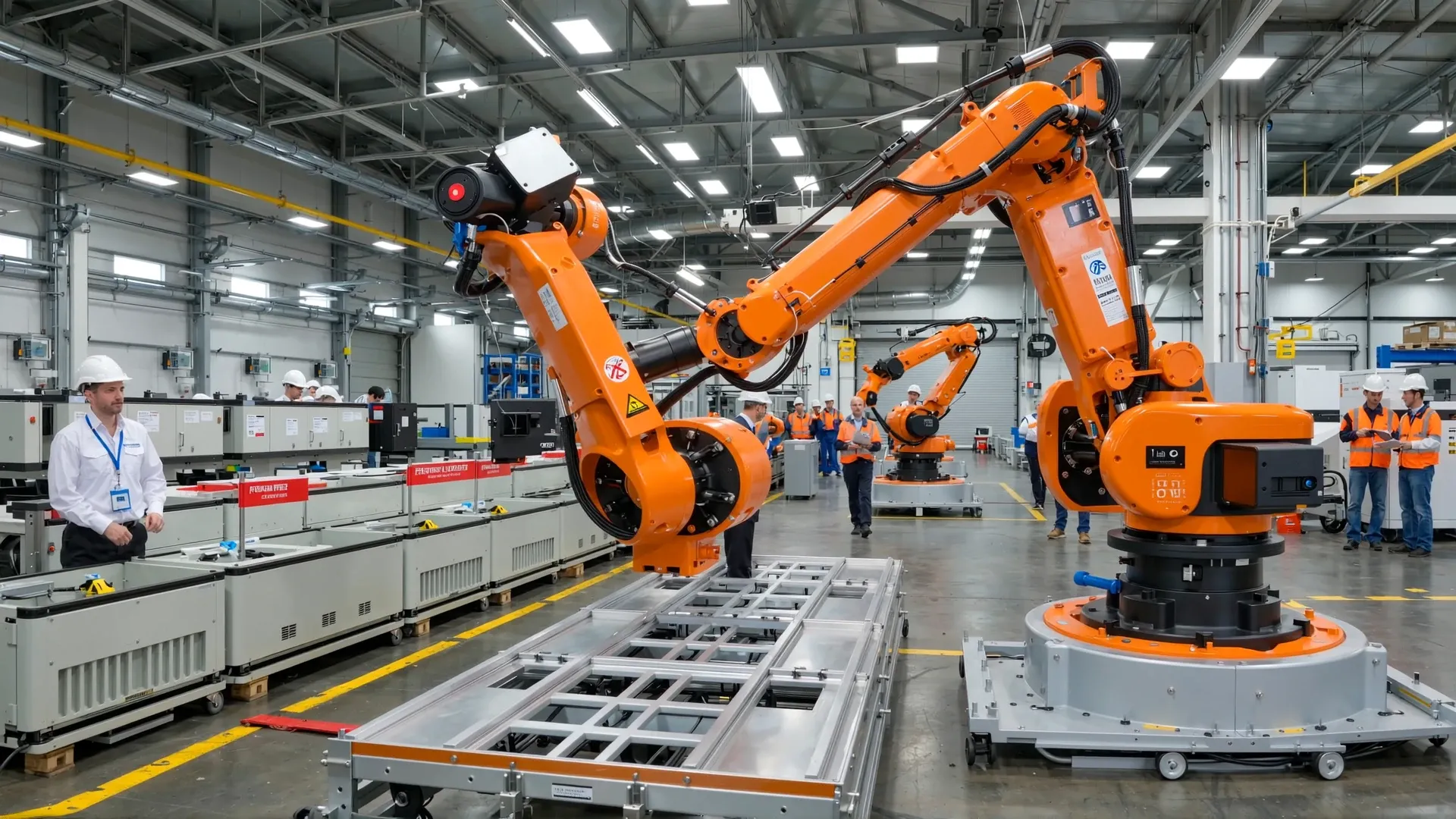
The current wave of workforce reductions across the technology sector is reshaping more than just the employment landscape—it is reverberating through the supply chain ecosystem. In 2024, independent trackers recorded over 150,000 layoffs across 549 firms, a figure that set a precedent for the volatility we are witnessing today. Early in 2025 alone, the industry has seen 22,000 job cuts, with 16,084 of those occurring in February, underscoring a rapid acceleration of talent consolidation.
For supply chain leaders, these numbers are not merely statistics; they signal a shift in the talent pool that fuels innovation, automation, and digital transformation. As organizations pivot toward AI‑driven analytics, predictive demand forecasting, and real‑time inventory management, the loss of seasoned professionals—particularly those versed in data science, machine learning, and advanced logistics modeling—could stall progress. The immediate consequence is a gap in expertise that hampers the deployment of sophisticated tools designed to cut costs by up to thirty percent while boosting service levels.
The monthly breakdown of layoffs reveals a pattern that can inform strategic planning. January recorded 2,403 cuts, February 16,234, March 8,834, April more than 24,500, May 10,397, June 1,606, July 16,327, August 6,302, September 4,152, October 18,510, November 8,932, and December a modest 300. These fluctuations mirror the cyclical nature of technology adoption and the corresponding demand for specialized talent. Supply chain executives can anticipate that peaks in talent reductions will align with periods of rapid digital rollout, requiring proactive workforce planning and cross‑functional skill development.
A case in point is the recent announcement by a leading financial technology provider, which disclosed a workforce shrinkage of roughly six percent, affecting about thirty employees in one region and a similar number overseas. While the company’s scale and sector differ from traditional logistics firms, the underlying lesson is universal: even a modest percentage cut can ripple across supply chain operations, from procurement to last‑mile delivery, by removing critical nodes in the knowledge network.
Explore More Articles


To mitigate the impact of these talent losses, supply chain leaders should adopt a dual‑focused strategy. First, invest in continuous reskilling programs that blend human expertise with machine intelligence, ensuring that teams can adapt to evolving AI tools without sacrificing contextual judgment. Second, foster strategic partnerships with educational institutions and industry consortia to create talent pipelines that emphasize data analytics, robotics, and sustainable logistics practices. By aligning workforce development with technology roadmaps, organizations can preserve innovation momentum even as the broader industry adjusts to a leaner talent base.
Ultimately, the trend of tech layoffs serves as a cautionary tale for the supply chain sector: the pursuit of efficiency and automation must be balanced with a commitment to building resilient, adaptable talent ecosystems. C‑suite leaders who recognize the strategic importance of human capital—and who act to safeguard it—will be better positioned to capitalize on emerging opportunities, drive sustainable growth, and maintain a competitive edge in an increasingly complex global marketplace.


Loading comments...