
Global Supply Chain Resilience Amid New Trade Compliance Probes
The geopolitical landscape influencing international commerce is undergoing significant structural adjustments following recent regulatory announcements from the Office of the U.S. Trade Representative (USTR). At the center of this shift is a comprehensive investigation targeting sixty trading partners regarding labor practices within their manufacturing and export sectors. These inquiries specifically scrutinize whether nations are effectively enforcing prohibitions on imported goods produced through forced labor. For supply chain managers, procurement specialists, and logistics coordinators, these policy developments signal a high-stakes transition toward heightened compliance and risk mitigation protocols.
Understanding the Regulatory Environment
The core of this initiative involves assessing whether trading partners impose bans on products made with forced labor. The investigation suggests that firms in various economies may be utilizing an artificial cost advantage by bypassing ethical production standards. This dynamic creates friction for U.S. exporters, which are required to compete alongside goods that have been denied entry to the domestic market due to non-compliance and subsequently re-exported into the American market.
From an operational standpoint, this regulatory scrutiny introduces a new variable into supply chain planning: compliance as a primary driver of logistics strategy rather than merely a legal afterthought. The USTR filing highlights that the failure to prevent trade in products produced with forced labor may negatively affect commerce, implying that market access is contingent upon adherence to specific ethical standards. Consequently, supply chains must move beyond simple cost optimization to incorporate robust due diligence into vendor management processes.
The scope of these inquiries extends to major economic regions. While specific targets include Canada, the European Union, Mexico, and China, the implications are global. This broader application suggests that supply chain managers cannot insulate themselves from trade policy volatility by simply focusing on domestic sourcing. The risk profile now encompasses international partners across diverse industries, particularly those with high manufacturing output or significant import/export volumes.
Operational Implications for Sourcing and Procurement
For procurement teams, the immediate challenge involves re-evaluating supplier contracts and verification processes. The notion of "structural excess capacity" mentioned in related trade probes indicates that some nations may be producing goods in ways that benefit their domestic industries but undercut competitors' ability to compete fairly.
Practically, this necessitates a shift in sourcing strategy. Procurement professionals must consider the total cost of compliance rather than just unit price. Supply chains that fail to implement rigorous verification for labor conditions risk facing supply interruptions if specific regions are subjected to new import prohibitions or targeted tariffs. This creates a ripple effect where potential disruptions could lead to inventory shortages and pricing instability across the network.
Furthermore, the competitive landscape is being reconfigured. In markets lacking effective forced labor import prohibitions, U.S. competitors face pressure from non-compliant goods that offer lower costs but higher ethical risks. Conversely, U.S. firms must navigate a complex environment where they are competing against products that have been denied entry to the U.S. market and subsequently re-exported. Managing this requires transparency in supply chain mapping and the ability to trace origin data accurately down to specific production facilities.
Strategic Logistics Management: Redundancy and Efficiency
Explore More Articles


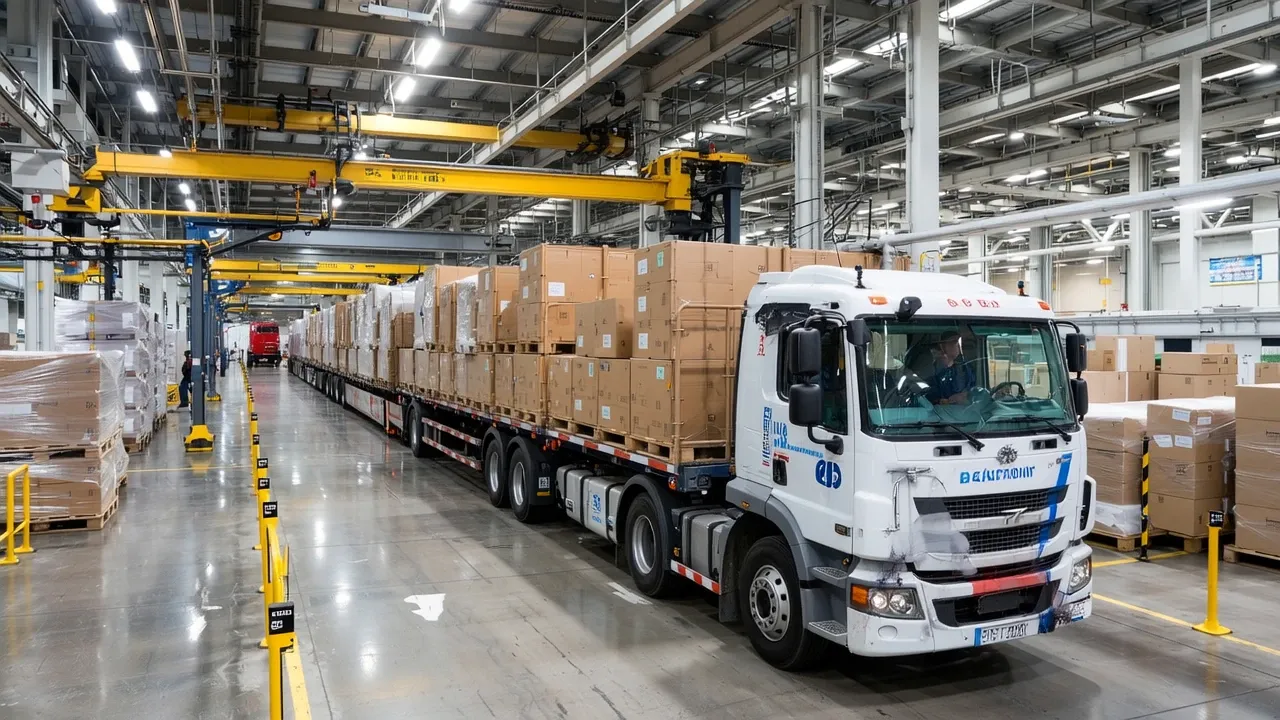
As trade barriers evolve, the logistics network itself faces new pressures regarding route viability and cost efficiency. If a country is identified as high-risk or targeted by enforcement actions, freight routes serving that region become less favorable for standard operations. This necessitates a strategic review of transportation planning to ensure that alternative pathways can be accessed quickly if primary lanes are restricted or penalized.
Freight network redundancy becomes a critical operational metric. Supply chains must design logistics models that account for the possibility of port closures, border delays, or increased inspection times at customs. Relying on single-source corridors increases exposure to these policy-induced shocks. Diversifying transportation modes and utilizing multiple ports within key regions can mitigate the risk of congestion or political intervention. By establishing backup lanes, companies ensure continuity when trade conditions shift suddenly due to new enforcement actions.
In addition to route diversification, operational resilience intersects with environmental stewardship. Trade policies often correlate with global sustainability goals. As regulations tighten on both labor and environmental impact, logistics planners must optimize carbon footprints alongside economic viability. Logistics emission mitigation is no longer just a voluntary corporate goal; it is becoming a compliance requirement in the eyes of many trade agreements and consumer expectations. Optimizing routes to reduce fuel consumption and utilizing greener transport options not only aids in regulatory alignment but also builds long-term brand value.
Actionable Takeaways for Supply Chain Leadership
To navigate this evolving environment, organizations should focus on the following operational adjustments:
- Enhanced Supplier Due Diligence: Implement mandatory auditing protocols for labor conditions at all tiers of the supply chain. Move beyond self-certification to third-party verification where possible to ensure visibility and compliance before goods enter the market.
- Vendor Geographic Diversification: Avoid over-concentration in regions currently under heightened scrutiny. Developing a multi-geography sourcing strategy reduces exposure to region-specific tariffs or bans and maintains operational flexibility.
- Dynamic Freight Planning: Incorporate potential policy shifts into logistics modeling. Prioritize routes with lower regulatory risks and establish contingency agreements for alternative transport carriers when trade tensions rise.
- Integration of ESG Compliance: Align supply chain operations with broader sustainability goals. This includes tracking carbon emissions across the supply network and using data to demonstrate responsible sourcing, which may offer competitive advantages in export markets facing scrutiny.
Conclusion
The recent investigations launched by U.S. trade authorities underscore a significant shift in how global commerce operates. These probes are not merely policy announcements but operational imperatives that require immediate attention from logistics and procurement teams. As enforcement mechanisms tighten, the cost of non-compliance will likely increase for businesses that fail to adapt. By prioritizing freight network redundancy and integrating emission mitigation into planning models, supply chains can protect against disruptions while maintaining market access. The focus must remain on building resilient infrastructure capable of withstanding regulatory volatility without compromising economic efficiency or ethical standards.




Loading comments...