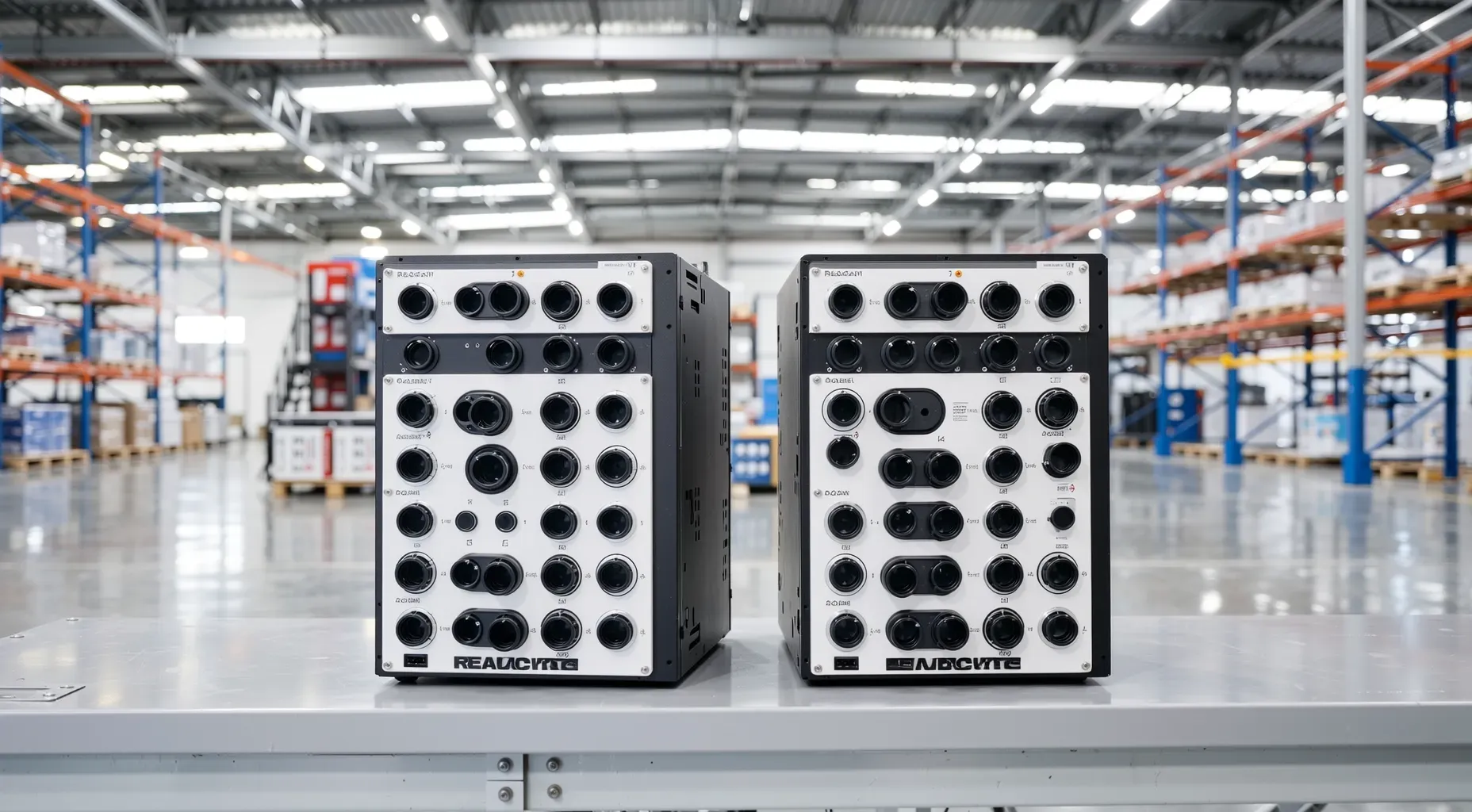
Relay Modules
Relay Modules Freight
About this Product
Relay modules must be shipped in padded, non-abrasive packaging to prevent damage during transit. Ensure proper storage conditions by avoiding direct sunlight and maintaining a dry, ventilated environment.
Product Specifications
- Material: Metal (suggested)
- Size Options: Standard (suggested)
- Load Capacity: 50 lbs (suggested)
- Coating: Anti-corrosive (suggested)
- Applications: Industrial automation, control systems
- NMFC Code: 18895 (suggested)
- Freight Class: 125 (suggested)
Note: All specifications listed are suggested values.
Why UNIS?
Relay modules are best shipped in customizable, adaptable storage solutions that ensure secure handling and efficient space utilization. UNIS’s flexible systems provide reliable protection and organization for these delicate components during transport.
Shipping Methods & Advantages
LTL freight
Best for 1-3 units or smaller batches that do not require a full truck.
FTL freight
Ideal for 5+ units or bulk shipments headed to large retail warehouses.
Air freight
Fastest option for urgent deliveries or time-sensitive placements.
Reefer freight
Recommended when the shipment includes temperature-sensitive contents.
Reliable Transport
Dependable freight services tailored to your shipment profile.
Nationwide Network
Coast-to-coast coverage with scalable routing options.
Timely Deliveries
Execution built around transit consistency and delivery windows.
Quality & Security
Careful handling with visibility, compliance, and shipment protection.

Need to ship Relay Modules?
Get a quote today and let UNIS handle your Relay Modules freight with safe, secure, and timely delivery.
Handling & Compliance
HTS Official Website
Access official HTS classification details for Relay Modules. Learn about duty rates and import regulations.
Visit resourceUNIS HTS Codes
Review HTS code 8541.10.00 for diodes and related components. This code applies to relay modules classified as diodes.
Visit resourceDimensions & Weight (Packaged)
Relay modules require minimum 200 sq ft storage with 12 ft height clearance. Packaged dimensions: 15ft x 13.33ft area, 48" x 40" pallets.
Visit resourceHandling Requirements
Use 2-inch padding, cardboard boxes, or foam inserts for protection. Avoid direct sunlight and ensure dry, ventilated storage. Forklift access is essential for loading/unloading.
Visit resourcePackaging Specs
Secure modules with shrink wrap if necessary. Store on pallets (max 6 ft height) or adjustable shelving. Maintain clear labeling for efficient inventory management.
Visit resourceAccessorials
A 10ft wide loading dock with 10ft x 9ft clear opening is required. Ensure 10ft clearance around the dock for equipment maneuvering.
Visit resourceCost Drivers
Freight costs depend on storage size, padding materials, and handling complexity. Prioritize dry, ventilated storage to reduce damage risks and maintain product integrity.
Visit resourceGet a quote for shipping Relay Modules.
Shipping FAQ
Common questions we get across freight uses.