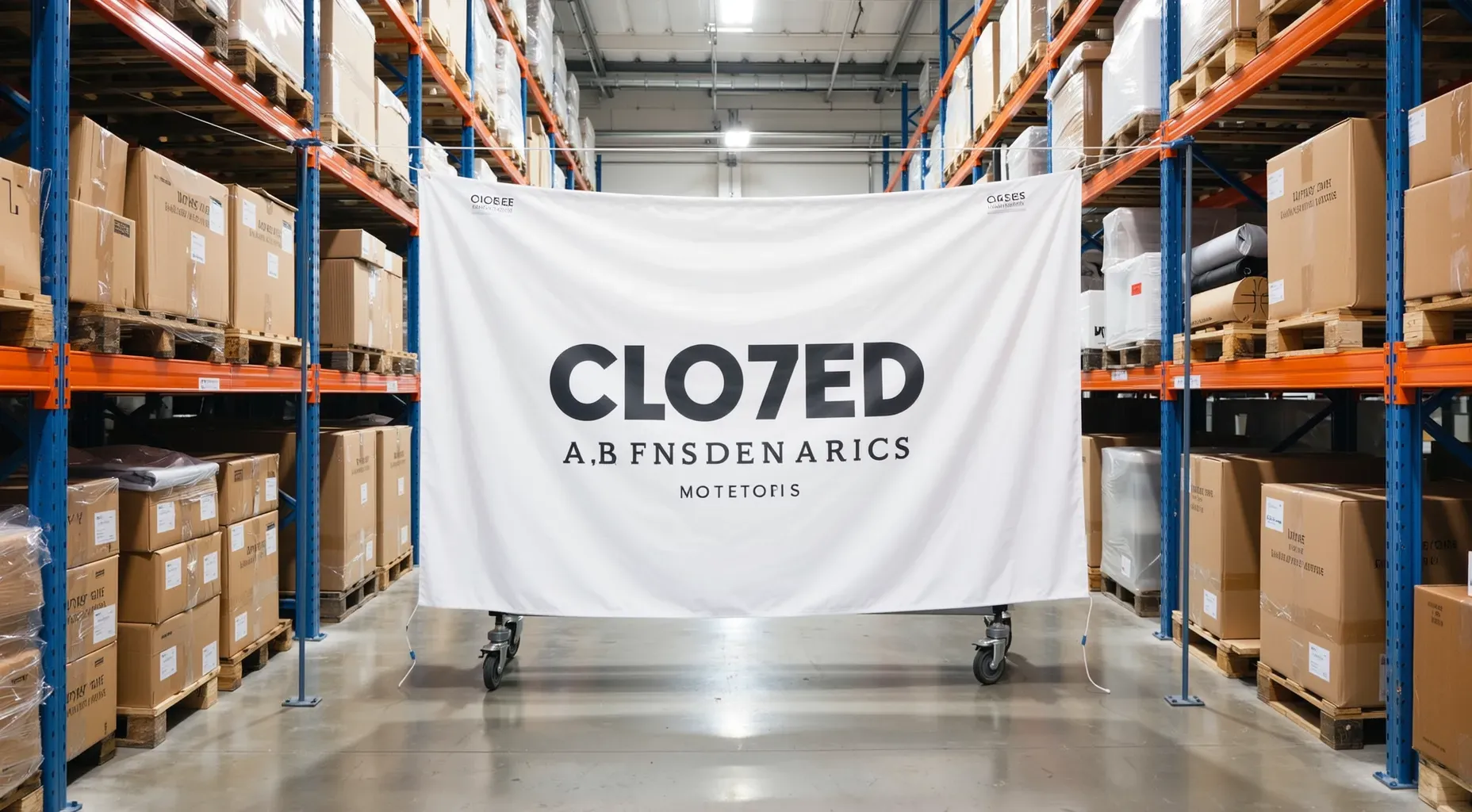
Closed Fabrics
Closed Fabrics Freight
About this Product
Closed fabrics require careful shipping with protective packaging like acid-free tissue and garment bags to prevent light exposure and physical contact. Ensure storage in dry, ventilated environments with stable temperatures. Use pallets or shelving units for stacking, and secure rolls with straps to avoid damage during transit.
Product Specifications
Note: All specifications listed are suggested values.
Why UNIS?
Closed fabrics are best shipped in climate-controlled environments with dust-free handling. UNIS's expertise in secure, organized storage ensures minimal risk of damage during transit and long-term preservation.
Shipping Methods & Advantages
LTL freight
Best for 1-3 units or smaller batches that do not require a full truck.
FTL freight
Ideal for 5+ units or bulk shipments headed to large retail warehouses.
Air freight
Fastest option for urgent deliveries or time-sensitive placements.
Reefer freight
Recommended when the shipment includes temperature-sensitive contents.
Reliable Transport
Dependable freight services tailored to your shipment profile.
Nationwide Network
Coast-to-coast coverage with scalable routing options.
Timely Deliveries
Execution built around transit consistency and delivery windows.
Quality & Security
Careful handling with visibility, compliance, and shipment protection.
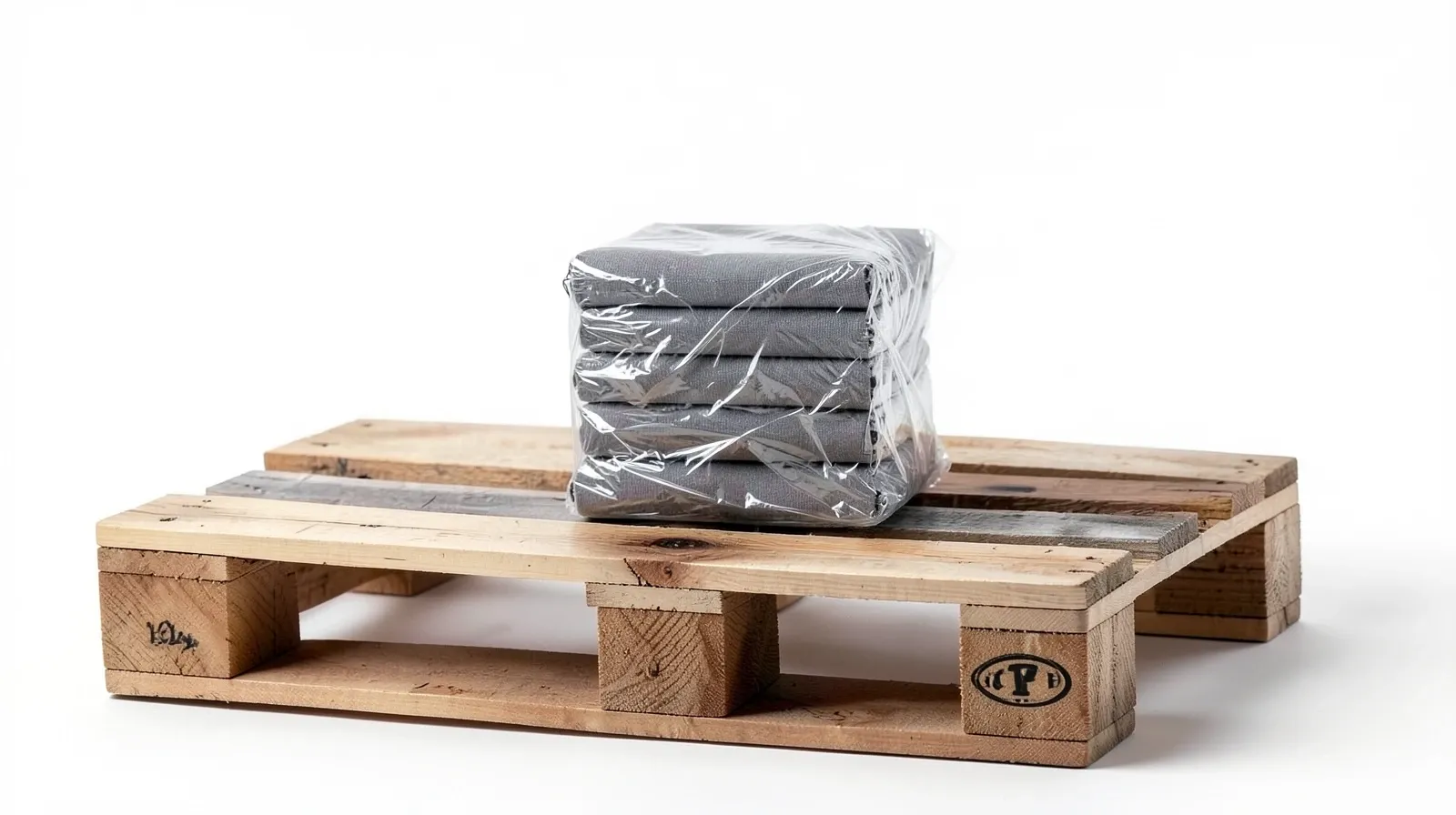
Need to ship Closed Fabrics?
Get a quote today and let UNIS handle your Closed Fabrics freight with safe, secure, and timely delivery.
Handling & Compliance
HTS Official Website
Access official HTS classification details for textiles. Learn about duty rates and import regulations.
Visit resourceUNIS HTS Codes
Review HTS codes for closed fabrics, including 7019.61.40. Verify compliance requirements for international shipments.
Visit resourceDimensions & Weight (Packaged)
Optimize space with 20ft x 10ft storage dimensions and 10ft height clearance. Ensure weight distribution on pallets (48" x 40") for stability.
Visit resourceHandling Requirements
Use bubble wrap, cardboard, or fabric covers for padding. Avoid direct sunlight and store on level surfaces. Secure rolls with straps to prevent unraveling.
Visit resourcePackaging Specs
Protect fabrics with acid-free tissue paper and garment bags. Minimize dust exposure by sealing packages in climate-controlled environments.
Visit resourceAccessorials
Require loading docks (12ft wide) and 9ft warehouse doors for efficient loading. Ensure 10ft clearance for forklift operation.
Visit resourceCost Drivers
Freight costs depend on storage size, protective packaging, and climate control. Larger rolls increase handling complexity and shipping expenses.
Visit resourceGet a quote for shipping Closed Fabrics.
Shipping FAQ
Common questions we get across freight uses.