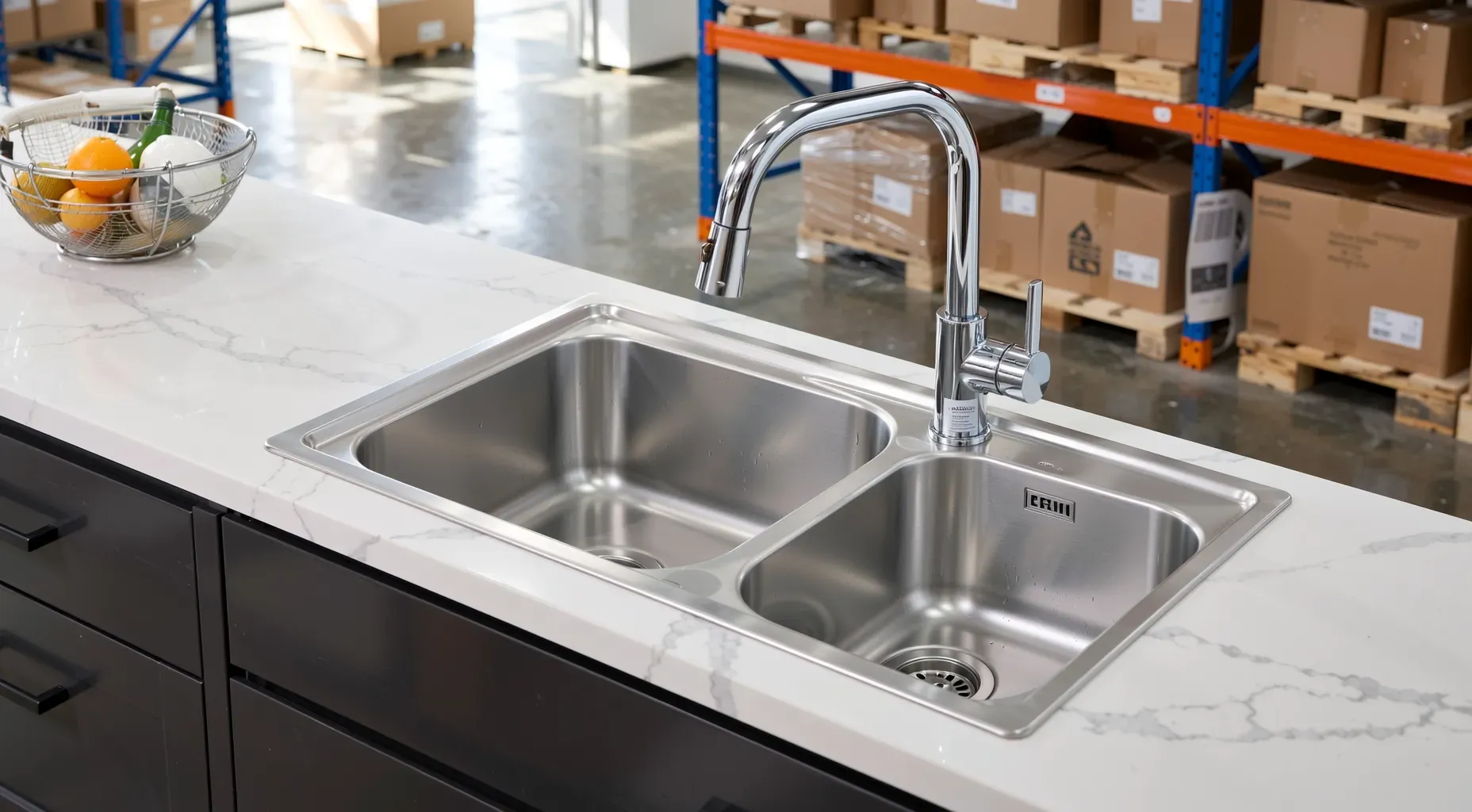
Kitchen Sink Strainer
kitchen sink strainer Freight
About this Product
Shipment of kitchen sink strainers requires secure, organized packaging to prevent damage during transit. Use pallets or shelving units with at least 500 lbs load capacity per shelf, and ensure proper padding to avoid scratches.
Product Specifications
- Material: durable plastic or stainless steel
- Size Options: various sizes
- Load Capacity: 500 lbs per shelf
- Coating: none unless specified
- Applications: kitchen sinks, commercial facilities
- NMFC Code: 101425 (suggested)
- Freight Class: suggested based on weight and dimensions
Note: All specifications listed are suggested values.
Why UNIS?
Kitchen sink strainers are ideal for UNIS shipping due to their durable construction and standardized packaging requirements. UNIS’s handling systems support secure, organized shipping with proper stacking and protective padding to maintain product integrity during transit.
Shipping Methods & Advantages
LTL freight
Best for 1-3 units or smaller batches that do not require a full truck.
FTL freight
Ideal for 5+ units or bulk shipments headed to large retail warehouses.
Air freight
Fastest option for urgent deliveries or time-sensitive placements.
Reefer freight
Recommended when the shipment includes temperature-sensitive contents.
Reliable Transport
Dependable freight services tailored to your shipment profile.
Nationwide Network
Coast-to-coast coverage with scalable routing options.
Timely Deliveries
Execution built around transit consistency and delivery windows.
Quality & Security
Careful handling with visibility, compliance, and shipment protection.
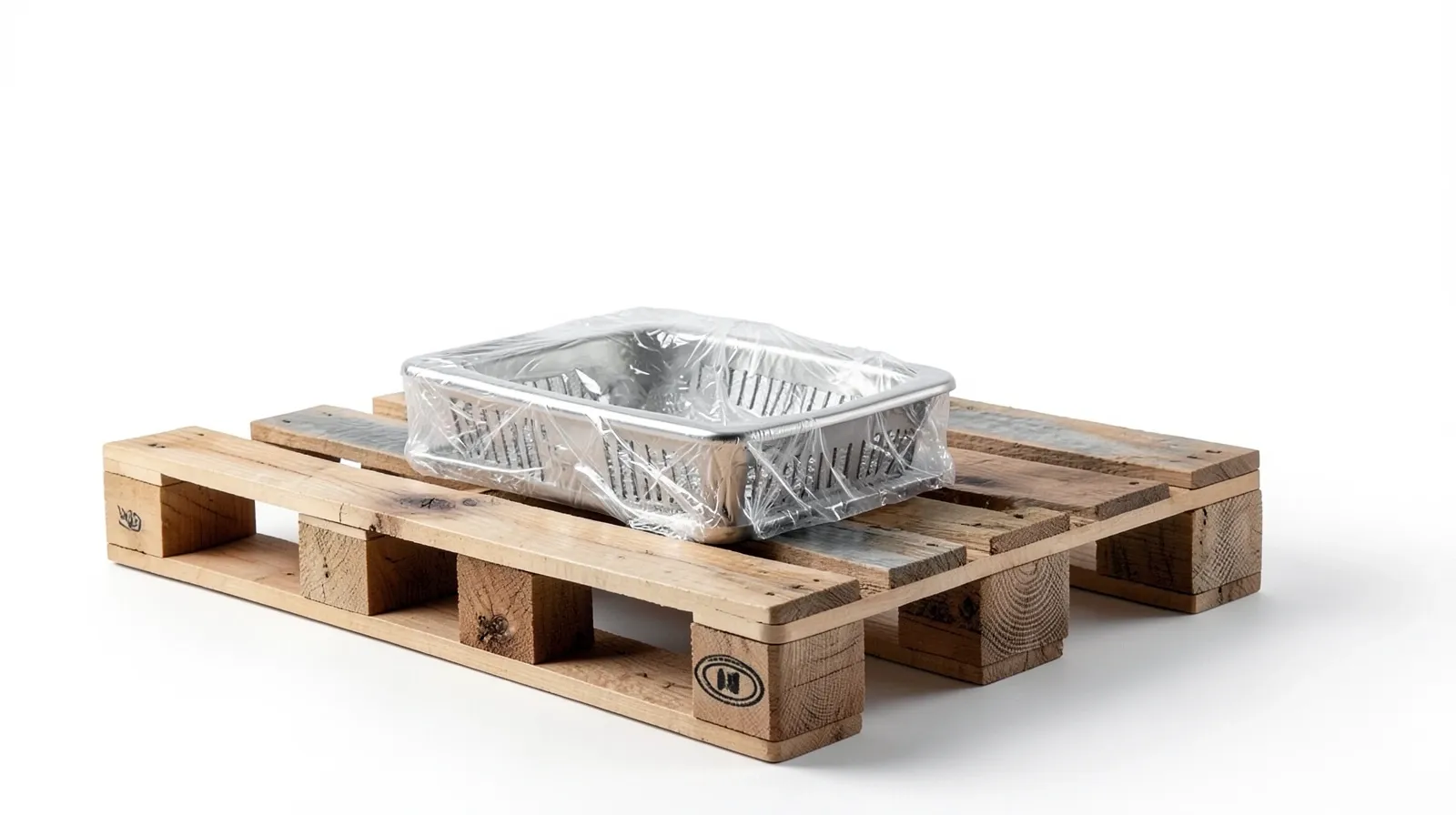
Need to ship Kitchen Sink Strainer?
Get a quote today and let UNIS handle your Kitchen Sink Strainer freight with safe, secure, and timely delivery.
Handling & Compliance
HTS Official Website
For details on HTS code 6302.10.00, visit the official HTS database.
Visit resourceDimensions & Weight (Packaged)
Minimum 80 sq ft storage area with 8ft height clearance. Ensure level, clean floors and 3ft walkways around pallets.
Visit resourceHandling Requirements
Use pallet racking or shelving units with 500 lbs load capacity. Avoid direct sunlight and moisture. Protect strainers with cardboard or foam padding.
Visit resourcePackaging Specs
Secure strainers with protective sleeves and padding. Stack no more than 4 levels to prevent damage. Use 48" high pallets for bulk shipments.
Visit resourceAccessorials
Require 12ft wide loading dock access and 10ft clearance for forklift operation. Ensure 8ft 6in door height for efficient retrieval.
Visit resourceCost Drivers
Shipping costs depend on weight, volume, and handling complexity. Optimize with efficient stacking and protective packaging to reduce damage risks.
Visit resourceGet a quote for shipping Kitchen Sink Strainer.
Shipping FAQ
Common questions we get across freight uses.