Bengaluru
Bengaluru's infrastructure quality is challenged by inadequate public transport, poor road conditions, insufficient pedestrian and cycling infrastructure, and significant traffic congestion.
12.412.4 M+
Population
741741 km²
Area
21,00021,000 /km²
Density
Growth Trends
387,100
The projected net population growth in Bengaluru for 2024 is 349,000.
Working-Age Population
75.5%
75.3% of the EU's population aged 20-64 is employed, reflecting a high employment rate among the working-age population.
Employment Rates
Key industries include IT, biotechnology, aerospace, and electronics with major corporations like Microsoft, Google, and Hindustan Aeronautics Limited playing significant roles.
Educational Attainment
Tertiary attainment among young adults aged 25-34 in OECD countries increased from 45% in 2019 to 48% in 2024, placing it among top OECD nations.
Foreign Residents
Foreign residents data not available
Ethnic Composition
Foreign residents in Bengaluru surpassed 0.2 million in 2024, making up about 1.4% of the city population, with largest groups from the United States, United Kingdom, Germany, Japan, and China.
Commuting
The Bengaluru metropolitan area has about 8.5 million people, with daily commuting primarily via metro, which recorded 9,08,153 passengers on its highest day.
Migration Patterns
387,100
Average Income
283K
The average annual income in Bengaluru is about ₹28.3 lakhs, though more than half earn less than this amount.
Transportation & Logistics Overview
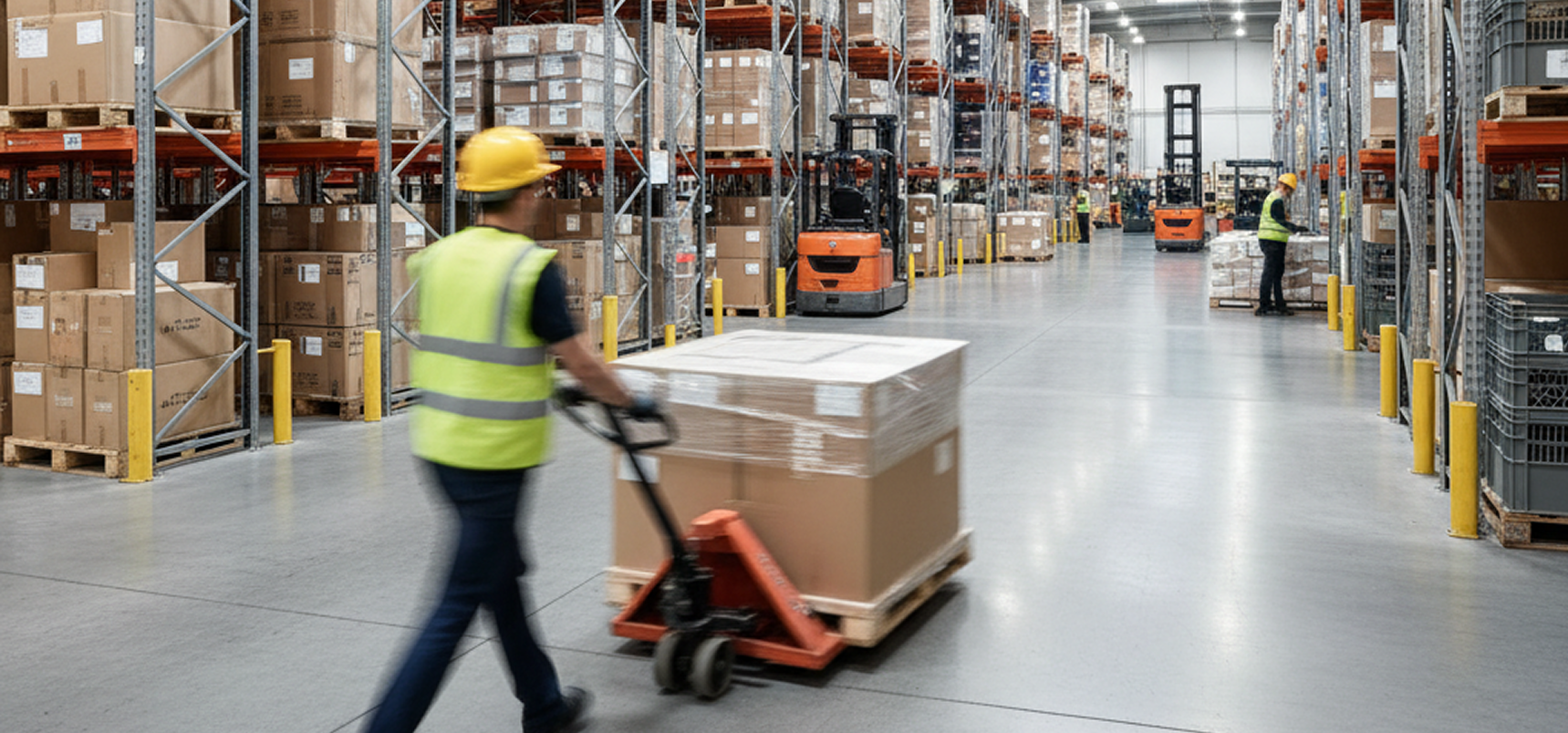
Warehousing & Fulfillment Landscape
Space and Vacancy Rates
19.7%
Lease Rates and Warehouse Classes
Warehouse lease rates in Bengaluru range from 14-24 rupees per square foot across different locations, with Grade A facilities offering 12-meter clear heights and modern specifications in industrial hubs like Hoskote, Nelamangala, and Jigani.
Major Warehouse Districts
Hoskote, Nelamangala, Attibele, Bommasandra, Peenya, Doddaballapur, Dabaspet, Devanahalli (BLR Airport), and Whitefield.
Last-Mile Delivery Infrastructure
Bengaluru's last-mile delivery infrastructure is characterized by a robust network of logistics companies, strategic location, and advanced technology integration, making it a key hub for e-commerce and efficient delivery services.
Automation and Technology Adoption
Warehouse automation in Bengaluru involves the integration of digital and physical technologies to streamline operations, enhance efficiency, and improve supply chain visibility, with companies adopting advanced solutions like robotics, AI, and IoT to optimize inventory management and logistics.
Cold Storage and Specialty Warehousing
Bengaluru offers a range of cold storage and specialty warehousing facilities, including temperature-controlled units for perishables, pharmaceuticals, and food products, as well as large-scale warehouses with advanced material handling, security, and logistics support for diverse industrial sectors.
Supply Chain Analysis
Key Industries
Information technology, biotechnology, aerospace, electronics, telecommunications, automotive, manufacturing, pharmaceuticals, food processing, textiles, garments, education, healthcare, real estate, banking, finance, machine tools, chemicals, renewable energy, and global capability centers.
Major Logistics Providers
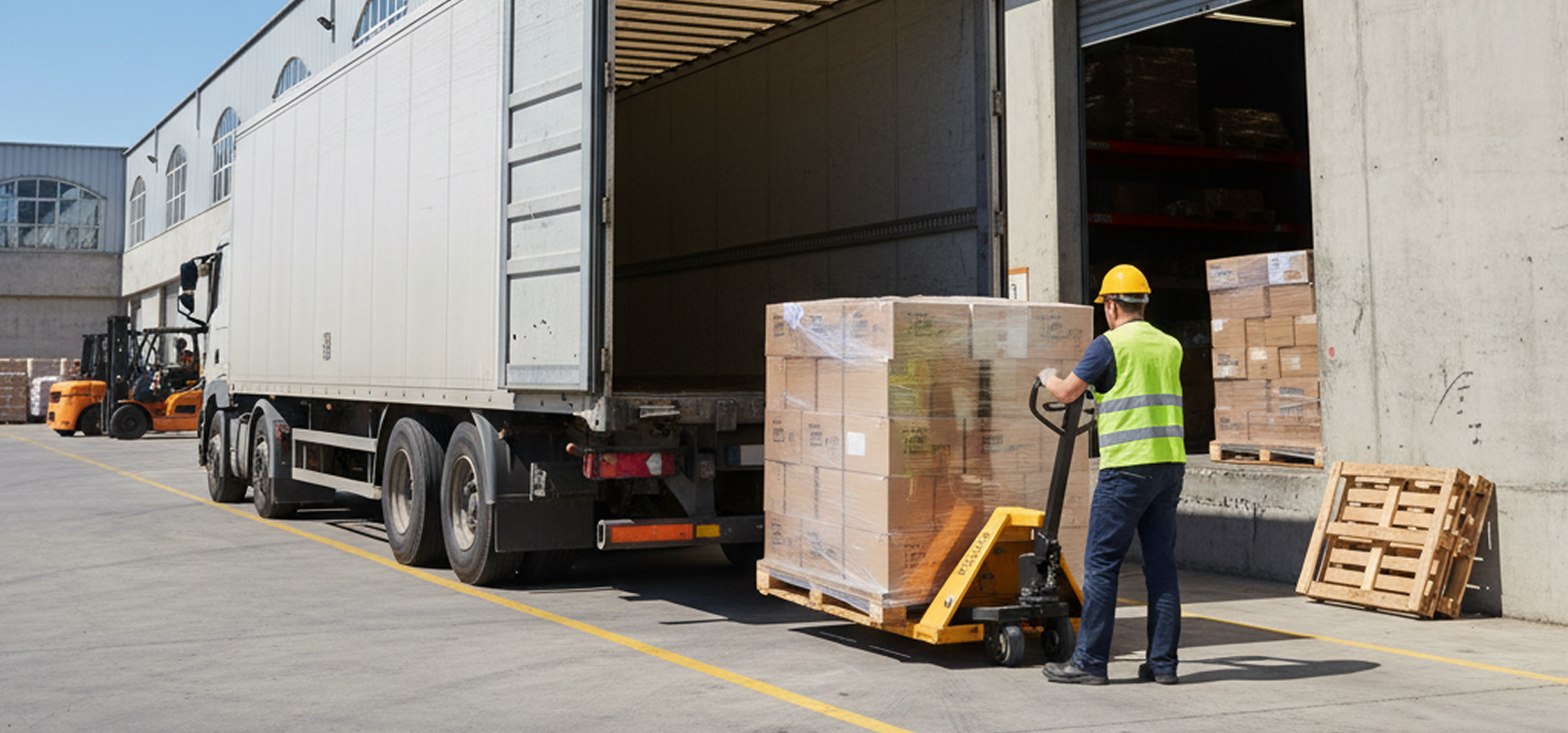
AAJ Supply Chain Management, WareIQ, Prozo, Emiza, TVS Supply Chain Solution, Transport Corporation of India, Varuna Logistics, Paradise Logistics, Mahindra Logistics, Delhivery, Blue Dart Express, DTDC, Atlas Logistics, FedEx, Aramex, Freight Co India Ltd., Rivigo, Shadowfax, Ecom Express, Navata Road Transport.
Import/Export Volumes and Trading Partners
Bengaluru's import/export volumes are driven by sectors like engineering goods, electronics, agriculture, and pharmaceuticals, with key trading partners including the United States, United Arab Emirates, Netherlands, Hong Kong, and China.
Supply Chain Resilience
Bengaluru's supply chain resilience is enhanced by its tech-driven infrastructure and strategic location, but it faces risks related to high demand for specialized logistics workforce and potential disruptions in its complex supply networks.
Local Manufacturing Capabilities
Bengaluru has advanced local manufacturing capabilities spanning high-technology sectors such as aerospace, machine tools, electronics, biotechnology, electric vehicles, textiles, and automotive industries.
Industry Clusters
The main industry clusters in Bengaluru are information technology, biotechnology, aerospace, electronics, telecommunications, manufacturing, electric vehicles, textiles and garments, education, healthcare, and research and development.
Competitive Advantages
Bengaluru's key competitive advantages as a logistics/business hub include its strategic location, robust transportation network, advanced infrastructure, thriving e-commerce sector, and access to a large tech talent pool.
Infrastructure Assessment
Detailed evaluation of Bengaluru's infrastructure quality, investment projects, utility systems, and environmental considerations for strategic planning.
Quality and Capacity
Bengaluru's infrastructure is severely strained with inadequate road capacity, traffic congestion ranking it among the world's slowest cities, water management crises, and basic amenities failing to keep pace with rapid population growth despite ongoing mega infrastructure projects worth thousands of crores.
Planned Investments
Bengaluru is undergoing a major infrastructure overhaul with metro expansions, tunnel roads, double-decker flyovers, arterial road upgrades, and large-scale investments like the ₹7,000 crore B-SMILE program, all aimed at easing congestion, improving connectivity, and boosting economic growth.
Utilities Reliability and Costs
Bengaluru is upgrading its utility infrastructure with a 12,800 km underground digital corridor integrating power, water, and internet, aiming to replace overhead cables, reduce clutter, and improve safety and connectivity.
Environmental Factors
Key environmental factors affecting logistics in Bengaluru include air pollution from commercial vehicles, traffic congestion, industrial emissions, reliance on fossil fuels, and urban heat island effects.