Bogotá
Bogotá has made significant investments in sustainable and inclusive infrastructure, particularly in transportation and public services, but still faces challenges such as congestion and service delays.
7.97.9 M+
Population
1,5871,587 km²
Area
4,3104,310 /km²
Density
Growth Trends
137.6K
The projected net population growth in Bogotá for 2024 is not explicitly stated, but the city's growth rate is around 1.18% annually. However, since the exact net growth figure for 2024 isn't provided, the response should be blank.
Working-Age Population
65%
67% of the population in Emerging Asia, India, Latin America, and the Caribbean is of working age.
Employment Rates
Key industries include automotive, food and beverage, and pharmaceuticals with major corporations like 3M, Danone, and Pfizer playing significant roles.
Educational Attainment
Tertiary attainment among young adults aged 25-34 in OECD countries increased from 45% in 2019 to 48% in 2024.
Foreign Residents
The average income for foreign residents in Bogotá is about 5.42 million yen, with 50% earning less.
Ethnic Composition
Foreign residents in Bogotá do not have specific numbers available for 2024. The largest groups of foreign visitors were from the United States, Venezuela, and Mexico.
Commuting
The Bogotá metropolitan area records 24.5 million daily trips on weekdays, with 35% by public transport and 28% by private vehicle, but rail commuting is minimal as the metro is not yet operational.
Migration Patterns
137,600
Average Income
$10K
The average annual income in Bogotá is about 65.3 million yen though more than half earn less than this amount.
Transportation & Logistics Overview
Warehousing & Fulfillment Landscape
Space and Vacancy Rates
2.2%
Lease Rates and Warehouse Classes
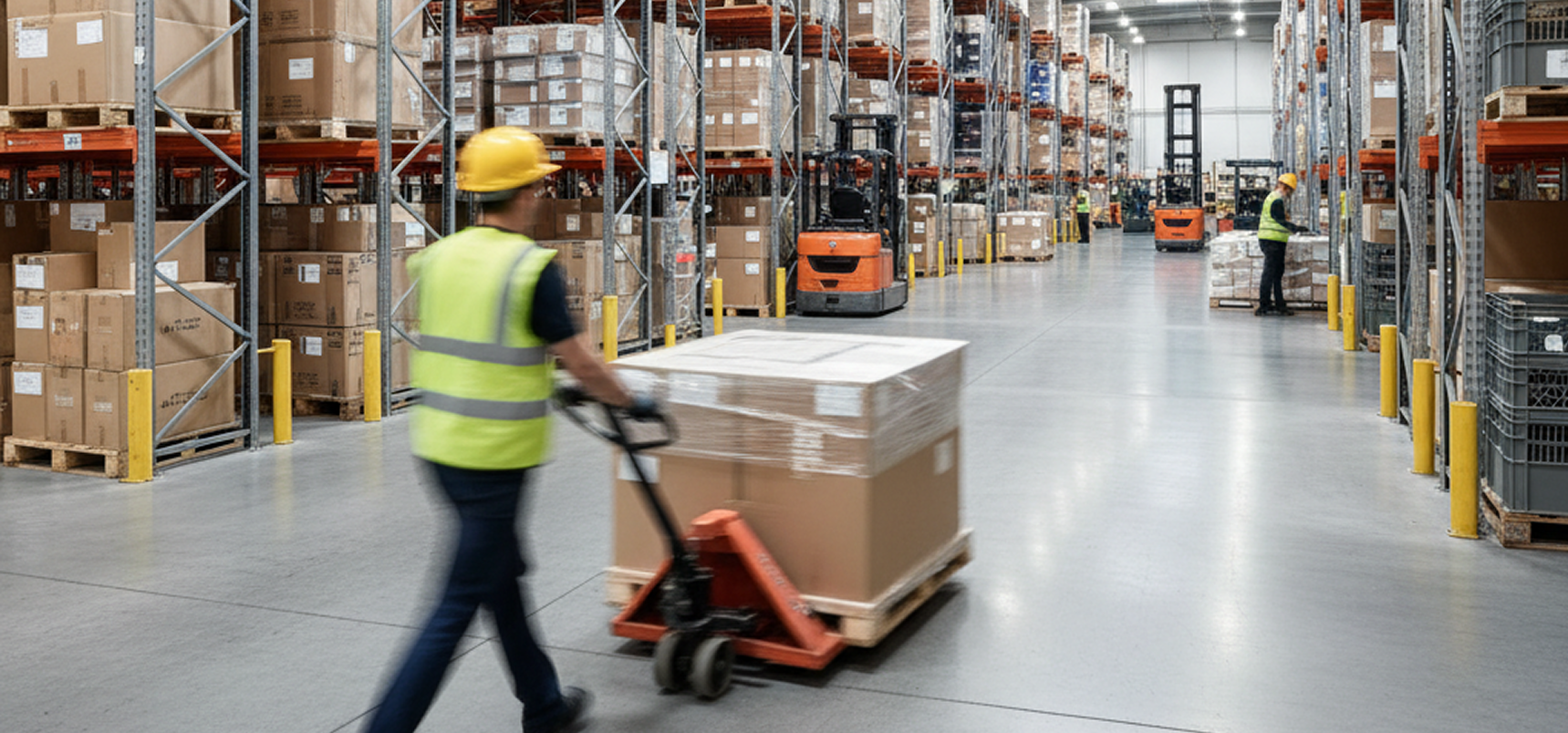
Warehouse lease rates in Bogotá average 20,700 Colombian pesos per square meter per month, with properties ranging from basic to premium classes based on location, amenities, and size.
Major Warehouse Districts
Zona Industrial, Fontibón, Puente Aranda, Montevideo, El Dorado Free Trade Zone, and Cota.
Last-Mile Delivery Infrastructure
Bogotá’s last-mile delivery infrastructure combines traditional logistics, innovative electric cargo bikes, and technology-driven solutions to address urban congestion and meet growing e-commerce demand.
Automation and Technology Adoption
Warehouse automation in Bogotá is growing, with leading companies adopting advanced systems like automated stacker cranes, conveyors, and warehouse management software to optimize storage, improve efficiency, and reduce costs.
Cold Storage and Specialty Warehousing
Cold storage and specialty warehousing facilities in Bogotá offer temperature-controlled logistics for perishable goods, including chilled and frozen storage, blast freezing, repacking, and specialized handling for food and pharmaceuticals.
Supply Chain Analysis
Key Industries
Key industries and economic sectors in Bogotá include services (financial, BPO, creative, IT), manufacturing (food and beverage, pharmaceuticals, cosmetics, textiles, automotive), infrastructure, wholesale and retail trade, transportation, and healthcare.
Major Logistics Providers
Alcocex, Marol, Aladuana, Junior Aduanas, Alfa Logística, SERVICIOS INTEGRALES LOGISTICOS S.A.S., Airseatrans, Omni Logistics, Almaviva, Solution Logistics Intergal, INGELOX SAS, GEODIS.
Import/Export Volumes and Trading Partners
Bogotá’s import/export volumes are several billion USD monthly, with key trading partners including the United States, China, and Brazil, and major traded goods such as petroleum, machinery, vehicles, and coffee.
Supply Chain Resilience
Bogotá businesses demonstrated varying resilience during Covid-19, with factors like operating experience, reputation, supplier networks, and adaptability determining which companies survived government-mandated closures while others failed to continue operations.
Local Manufacturing Capabilities
Bogotá serves as a central manufacturing hub in Colombia, with well-developed infrastructure supporting industries like pharmaceuticals, electronics, and automotive manufacturing.
Industry Clusters
Bogotá’s main industry clusters are food and beverages, manufacturing (including textiles, pharmaceuticals, automotive), business process outsourcing (BPO), cosmetics and personal care, creative industries, infrastructure, transport, wholesale and retail, and information and communication technology (ICT).
Competitive Advantages
Bogotá offers strategic location, excellent air connectivity, strong technological infrastructure, high digital adoption rates, and multiple free trade zones providing tax and operational incentives.
Infrastructure Assessment
Detailed evaluation of Bogotá's infrastructure quality, investment projects, utility systems, and environmental considerations for strategic planning.
Quality and Capacity
Bogotá’s infrastructure demonstrates significant capacity and ongoing improvements, but faces challenges with quality, maintenance, and resilience, particularly in transport and public services.
Planned Investments
Bogotá is advancing major infrastructure projects including the $4.4 billion Metro Line 1, expansion of El Dorado Airport, urban regeneration, and extensions to the TransMilenio BRT system.
Utilities Reliability and Costs
Bogotá faces significant infrastructure challenges with crumbling water systems serving over 7 million people, while advancing in electric mobility with 1,470 electric buses and 503 charging stations, and pioneering waste-to-energy projects that convert landfill gas to electricity for the national grid.
Environmental Factors
Key environmental factors affecting logistics in Bogotá include high air pollution from transport emissions, efforts to transition to cleaner vehicles, and government initiatives to improve air quality and sustainability.