Buenos Aires
Buenos Aires has a mixed infrastructure quality, with notable improvements in public transportation and flood management, but challenges persist due to historical inefficiencies and corruption.
3.13.1 M+
Population
203203 km²
Area
13,68013,680 /km²
Density
Growth Trends
134K
134,000
Working-Age Population
66.3%
67% of the population in Emerging Asia, India, Latin America, the Caribbean, and the Middle East and North Africa is of working age.
Employment Rates
Key industries include food processing, metalworking, and automobile assembly with major corporations like Siderar, Acindar, and General Motors playing significant roles.
Educational Attainment
Tertiary attainment among young adults aged 25-34 in OECD countries increased from 45% in 2019 to 48% in 2024, placing it among top OECD nations.
Foreign Residents
The average income for foreign residents in Buenos Aires is about $33,000 USD, with 50% earning less.
Ethnic Composition
Foreign residents in Buenos Aires surpassed 400,000 in 2024, making up about 13.5% of the city population, with the largest groups from Venezuela, Paraguay, Bolivia, and Peru.
Commuting
Nearly 80 million passenger rail trips per quarter occur in Greater Buenos Aires, with millions commuting daily from suburban districts into the city center primarily by train for work.
Migration Patterns
134,000
Average Income
5.4K
The average annual income in Buenos Aires is about 4.126 million ARS.
Transportation & Logistics Overview
Warehousing & Fulfillment Landscape
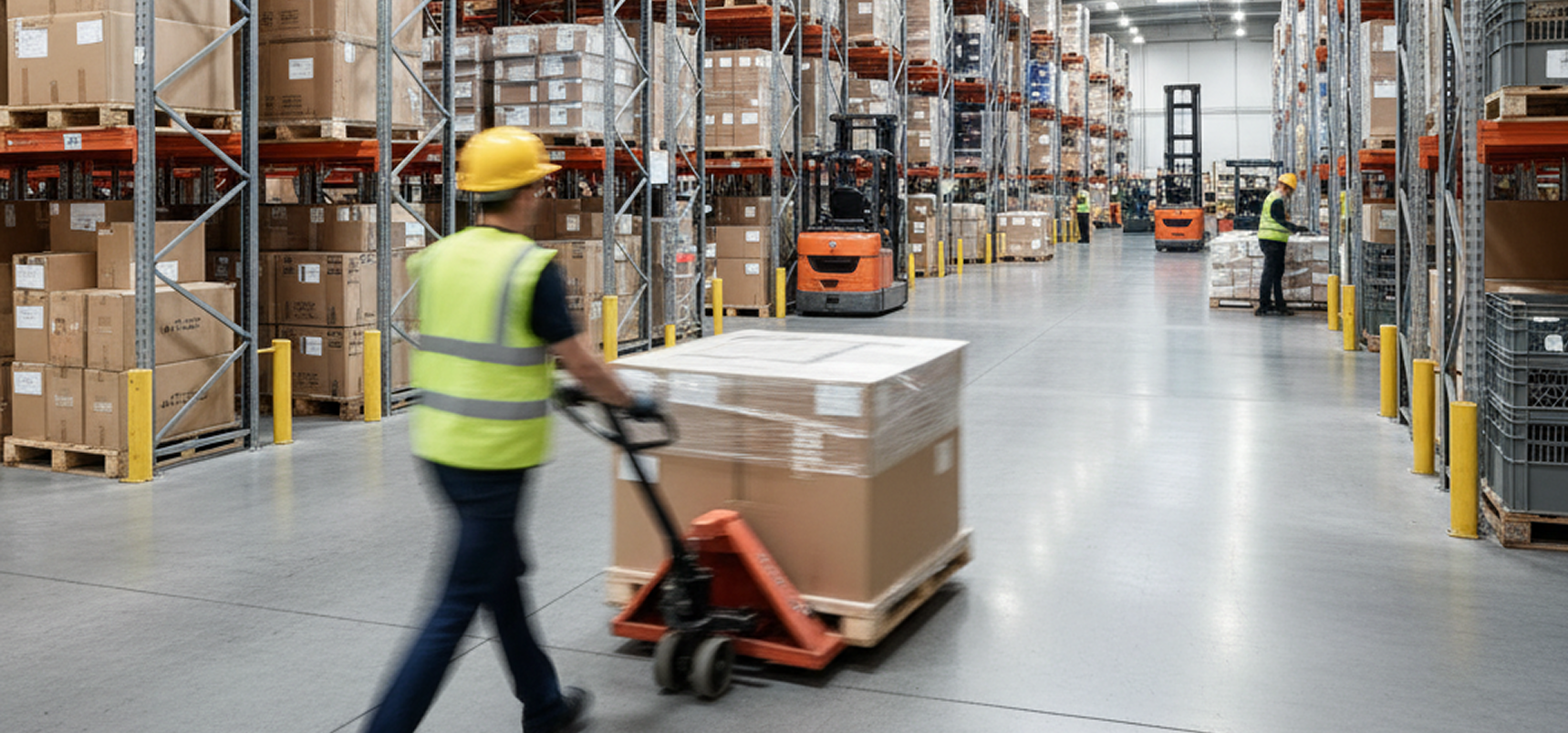
Space and Vacancy Rates
5.5%
Lease Rates and Warehouse Classes
Warehouse lease rates in Buenos Aires vary significantly by zone, with the south zone having the highest rates for class A industrial and logistics real estate, while specific class distinctions and detailed rates are not uniformly defined across all areas.
Major Warehouse Districts
Barracas, Villa Soldati, Villa Lugano, Parque Patricios, La Boca, Retiro (near Puerto Madero and Buenos Aires Port), and the logistics parks in Esteban Echeverría.
Last-Mile Delivery Infrastructure
Buenos Aires’ last-mile delivery infrastructure features technology-driven logistics, micro-fulfillment hubs, and a mix of traditional and eco-friendly vehicles to address high e-commerce demand and urban distribution challenges.
Automation and Technology Adoption
Warehouse automation in Buenos Aires is rapidly advancing, with leading companies adopting robotics, AI, and automated management systems to increase efficiency, as seen in fully automated facilities like La Anónima's cold storage warehouse.
Cold Storage and Specialty Warehousing
Cold storage and specialty warehousing facilities in Buenos Aires offer temperature-controlled storage for frozen foods, pharmaceuticals, and other sensitive products, featuring advanced systems like blast freezing, high-density racking, and integrated logistics services for food, retail, and healthcare industries.
Supply Chain Analysis
Key Industries
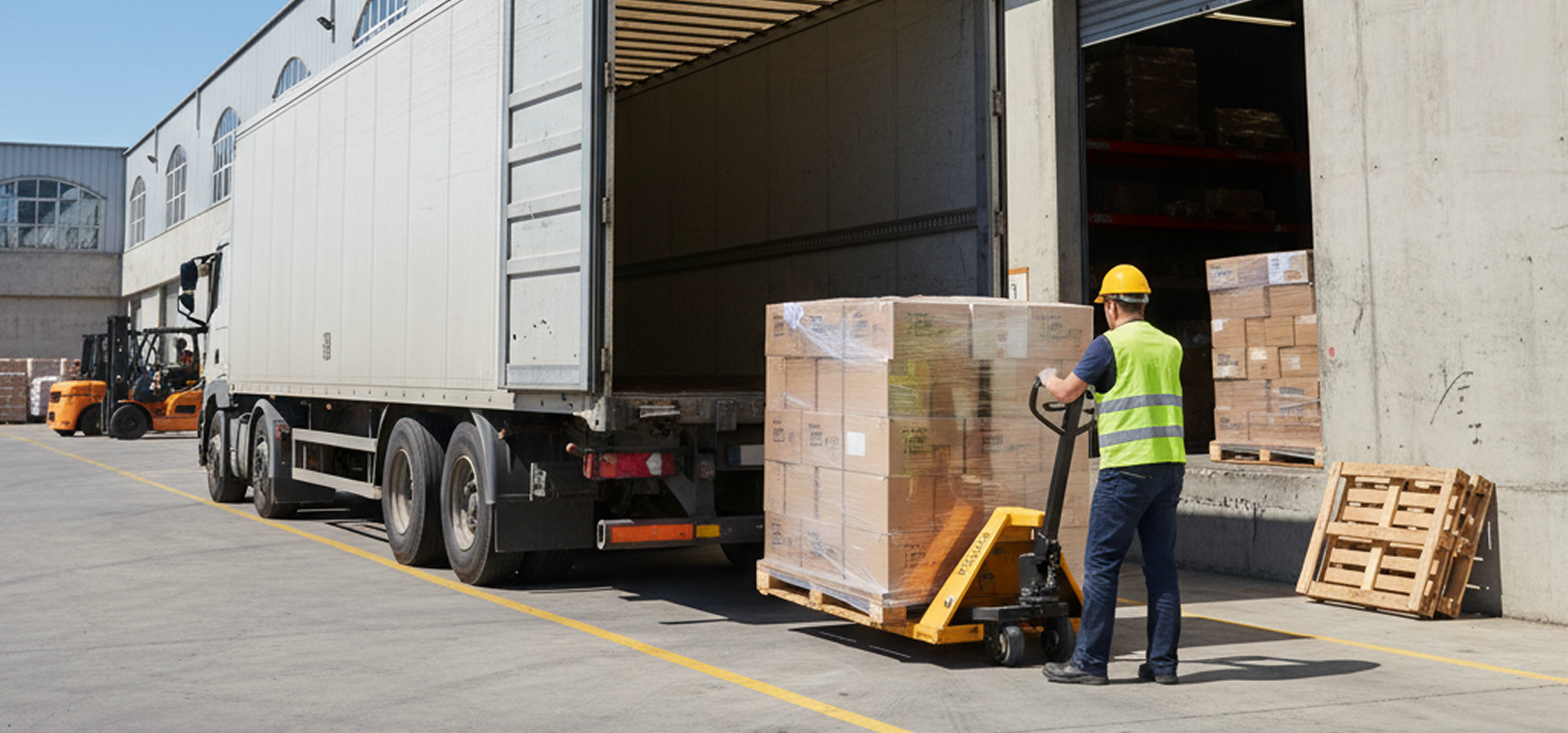
Key industries and economic sectors in Buenos Aires include finance, banking, manufacturing (food processing, metalworking, automotive, chemicals, textiles), trade, publishing, oil refining, tourism, real estate, healthcare, education, and retail.
Major Logistics Providers
Mecalux Warehouse Solutions, TASA Logística, ITSANET, TRF (Transfarmaco SA), Panamerican Cargo, Bolloré Logistics, More Logistics, Vanner Logistics, Axionlog, PUMA CARGO, NNR Global Logistics, Centauro, Clippers Argentina SA, Southmark Logistics SA, Transunion Argentina SA, Vinpac Lines SA, Artemision S.R.L, Bas Logistics SRL, Seabreeze Argentina Transportation Inc., Sistemas Globales de Logistica SRL
Import/Export Volumes and Trading Partners
Argentina recorded $6.2 billion in imports and $6.9 billion in exports in January 2025, with Brazil as the top trading partner for both imports ($10 billion, 20%) and exports ($13.6 billion, 17.1%), followed by China and the United States as major partners.
Supply Chain Resilience
Buenos Aires’ supply chain resilience is improving due to macroeconomic normalization and infrastructure investment, but key risk factors include high inflation, political volatility, and the need for further upgrades outside major urban centers.
Local Manufacturing Capabilities
Buenos Aires is Argentina’s leading manufacturing hub, with major industries including food processing, chemicals, automotive, metalworking, oil refining, textiles, and pharmaceuticals, supported by a skilled workforce and robust infrastructure.
Industry Clusters
Buenos Aires' main industry clusters include food processing, metalworking, automobile assembly, oil refining, printing and publishing, textiles, chemicals, and financial services.
Competitive Advantages
Strategic location on the Río de la Plata with direct Atlantic access, advanced port infrastructure, comprehensive logistics services, strong multimodal connectivity, and proximity to major industrial and agricultural regions.
Infrastructure Assessment
Detailed evaluation of Buenos Aires's infrastructure quality, investment projects, utility systems, and environmental considerations for strategic planning.
Quality and Capacity
Buenos Aires' infrastructure quality and capacity are generally strong compared to other Latin American cities, though it faces challenges typical of large urban centers.
Planned Investments
Planned infrastructure investments in Buenos Aires focus on privatizing national highways, expanding energy transport capacity, upgrading compressor plants, and developing major road projects like the Paseo del Bajo, alongside continued public and private sector collaboration in construction and utilities.
Utilities Reliability and Costs
Buenos Aires relies primarily on surface water from the La Plata River for 95% of its water supply, generates electricity from 59% thermal and 26% hydropower sources with 4% nuclear contribution, and faces challenges with stormwater management due to rapid urbanization while internet infrastructure details remain limited in available data.
Environmental Factors
Urban logistics accounts for approximately 25% of transport-related CO2 emissions in Buenos Aires, with city authorities implementing pilot programs to understand logistics practices and reduce environmental impact through measures like low emission zones.
