Cairo
Cairo’s infrastructure is characterized by ongoing modernization efforts and major transport projects, but faces persistent challenges with congestion, limited green spaces, and declining walkability.
1212 M+
Population
453453 km²
Area
19,37619,376 /km²
Density
Growth Trends
450.3K
The projected net population growth in Cairo for 2024 is 450,000.
Working-Age Population
63%
58% of the European Union population is of working age (20–64 years) as of 2023.
Employment Rates
Key industries include manufacturing, information technology, and construction, with major corporations like Orascom Construction, Elsewedy Electric, and Vodafone Egypt playing significant roles in Cairo.
Educational Attainment
Tertiary attainment among young adults aged 25-34 in OECD countries increased from 45% in 2019 to 48% in 2024, placing it among top OECD nations.
Foreign Residents
Foreign residents data not available
Ethnic Composition
Foreign residents in Cairo surpassed 2 million in 2024, making up about 9% of the city population, with largest groups from Sudan, Syria, Palestine, and other African countries.
Commuting
The Cairo metropolitan area has extensive commuting patterns with millions of people traveling daily, primarily by rail, including over 3.5 million using the metro.
Migration Patterns
Cairo continues to attract residents from other regions with a net inflow of 440,000 people in 2024.
Average Income
3.2K
The average annual income in Cairo is about 1.9 million yen, though more than half earn less than this amount.
Transportation & Logistics Overview
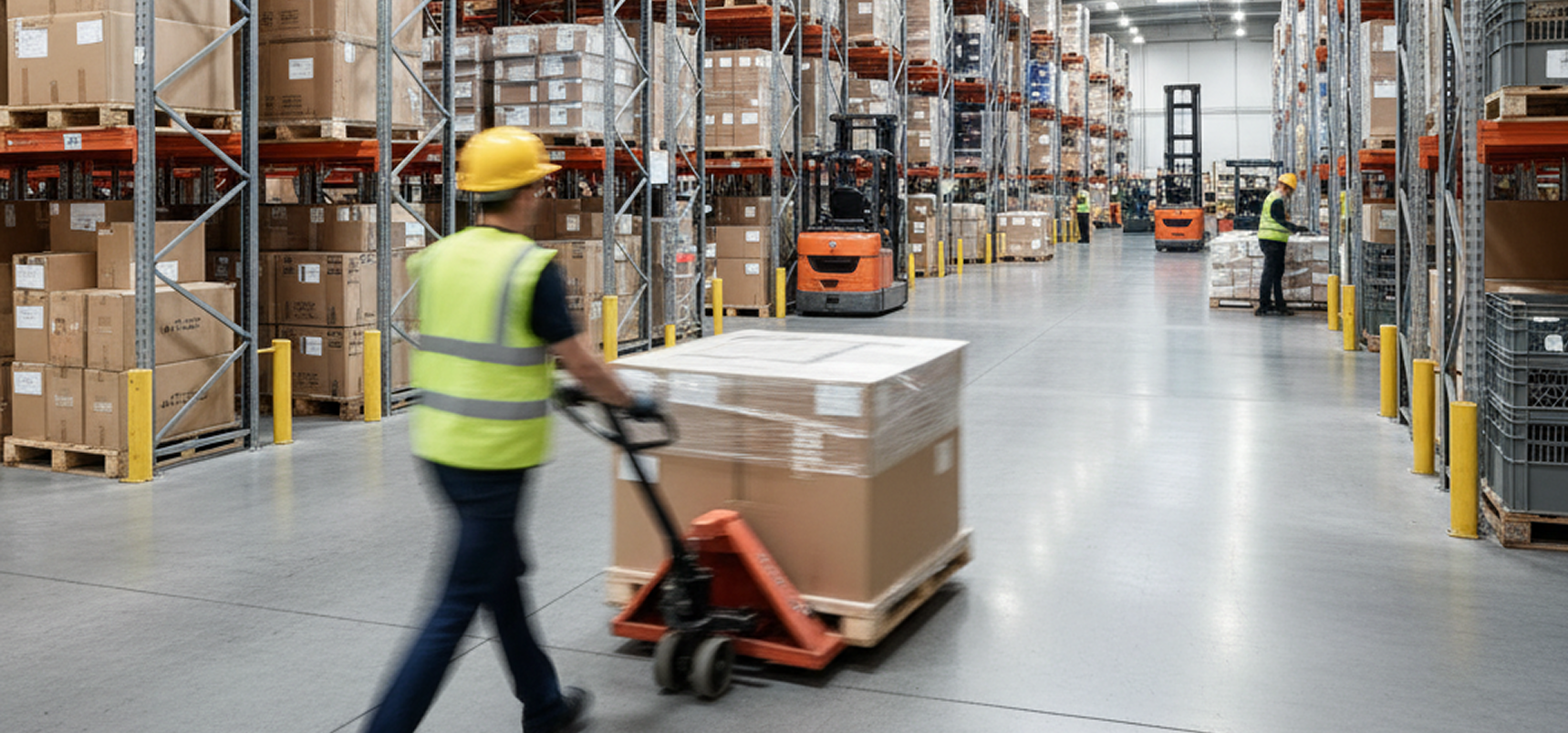
Warehousing & Fulfillment Landscape
Space and Vacancy Rates
The search results do not contain information about warehouse space vacancy rates in Cairo, only office market vacancy rates.
Lease Rates and Warehouse Classes
Warehouse lease rates in Cairo typically range from EGP 30,000 to over EGP 1,200,000 per month depending on size, location, and class, with modern logistics and industrial warehouses in New Cairo and 6th of October City commanding higher rates and offering higher-grade facilities.
Major Warehouse Districts
New Cairo, East Cairo (YANMU Logistics Park), Suez Road, Sokhna Logistics Park, Sheraton Heliopolis.
Last-Mile Delivery Infrastructure
Cairo’s last-mile delivery infrastructure combines digital platforms, real-time tracking, flexible delivery options, and a mix of vehicles—including motorcycles—to navigate urban congestion and serve both dense and remote areas efficiently.
Automation and Technology Adoption
Warehouse automation in Cairo is in the early stages, with gradual adoption of technologies like automated storage and retrieval systems, robotics, and warehouse management software to improve efficiency and accuracy.
Cold Storage and Specialty Warehousing
Cold storage and specialty warehousing facilities in Cairo are temperature-controlled warehouses designed to preserve perishable goods such as food and pharmaceuticals, featuring advanced refrigeration systems and specialized storage areas for different products.
Supply Chain Analysis
Key Industries
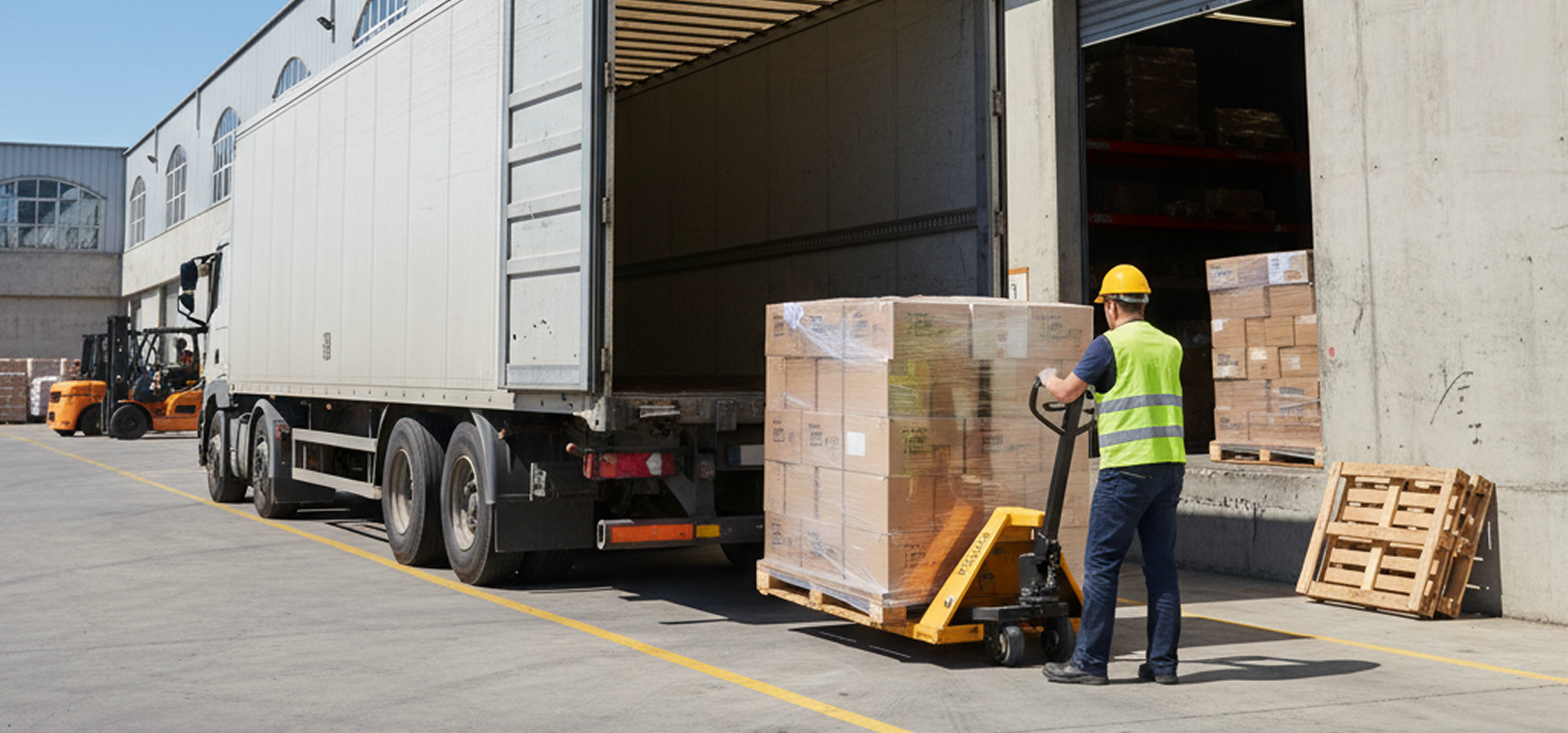
Key industries and economic sectors in Cairo include manufacturing (cotton textiles, chemicals, plastics, automobiles, iron and steel), agriculture-related processing, services (government, finance, media, healthcare, education), tourism, telecommunications, and shipping/logistics.
Major Logistics Providers
Cairo International Logistics, FAST FREIGHT INTERNATIONAL, CLASS SOLUTION, STAR INTERNATIONAL CO, WORLD FREIGHT CENTER, M.G.L CARGO SERVICES LTD, OVER WORLD FREIGHT LINE LIMITED, GLOBAL FREIGHT SYSTEMS, GREEN LINE WAREHOUSING & CARGO SERVICES, RED LINE EGYPT FOR INTERNATIONAL SHIPPING & TRANSPORTATION, EARTH LINK FREIGHT AND MARKETING SERVICES, UNIVERSAL FOR SHIPPING AND CUSTOMS CLEARANCE, SAFETYTRANS FOR INTERNATIONAL TRANSPORTATION SERVICES, MESCO, NAQLA For Trucking Services, Suez Canal Container Terminal, Integrated Solutions For Ports, National Navigation, Aramex International Egypt, Alexandria International Container Terminals, Ship & C.R.E.W. Egypt, FedEx Express, Pan Marine, Bosta, Porto Marine Service, OPEX, DHL Worldwide Express, HAPAG-LLOYD (EGYPT) SHIPPING S.A.E, Maersk Logistics and Services Egypt Ltd, CMA CGM, Sczone, Suez Canal Authority, DB Schenker, Sescotrans for Developed Logistics, UPS SCS Egypt LLC, Ibramar Shipping Co. S.A.E., TRELLA, World Cargo Egypt, Nile Logistics International, EGY Logistics, Khawass Logistics, LOGISTICA, EPx, International Cargo Service, Tiffany Cargo Systems, EGY-LINE, ACS Logistics co.
Import/Export Volumes and Trading Partners
Cairo’s import volume was $7.53 billion and export volume $4.10 billion in April 2025, with key trading partners including the UAE, India, and other Arab League countries; major exports are petroleum products and garments, while main imports include natural gas and maize.
Supply Chain Resilience
Based on the search results provided, there is no specific information available about supply chain resilience and risk factors in Cairo.
Local Manufacturing Capabilities
Cairo serves as a vital hub for Egypt's manufacturing, benefiting from its strategic location and dense population, with significant industrial zones like 10th of Ramadan City and 6th of October City supporting various production facilities.
Industry Clusters
Cairo’s main industry clusters include textiles and apparel, technology and innovation, manufacturing, construction, and higher education and research.
Competitive Advantages
Cairo’s key competitive advantages as a logistics/business hub are its strategic geographic location connecting Africa, Asia, and Europe, strong transport and port infrastructure, large domestic market, established manufacturing base, and growing connectivity through new shipping routes and trade agreements.
Infrastructure Assessment
Detailed evaluation of Cairo's infrastructure quality, investment projects, utility systems, and environmental considerations for strategic planning.
Quality and Capacity
Cairo’s infrastructure is undergoing rapid expansion with major investments in transport, energy, and urban development, but faces ongoing challenges in technological modernization and capacity to keep pace with its fast-growing population.
Planned Investments
Cairo is undergoing major infrastructure investments including expanded metro and monorail lines, large-scale urban development such as the New Administrative Capital, and significant funding for housing, transport, water, sanitation, and green projects.
Utilities Reliability and Costs
Cairo’s utility infrastructure is extensive but aging, with near-universal electricity coverage, widespread water access facing periodic shortages and quality issues, and generally reliable but sometimes congested internet and telecom networks.
Environmental Factors
Key environmental factors affecting logistics in Cairo include severe air pollution from road transport and industry, traffic congestion, waste burning, and rising temperatures due to climate change.
