Chennai
Chennai’s infrastructure quality is improving rapidly with major investments in transport, connectivity, and smart city initiatives, but challenges remain in core urban services and resilience.
4.94.9 M+
Population
429429 km²
Area
26,55326,553 /km²
Density
Growth Trends
282.3K
The projected net population growth in Chennai for 2024 is not specified.
Working-Age Population
68.6%
67% of the population in first wave regions (including Advanced Asia, Central/Eastern Europe, North America, Western Europe, and Greater China) is of working age today.
Employment Rates
Key industries include automobiles, electronics hardware, software services, and manufacturing with major corporations like Hyundai, Ford, and Foxconn playing significant roles.
Educational Attainment
Tertiary attainment among young adults aged 25-34 in OECD countries increased from 45% in 2019 to 48% in 2024.
Foreign Residents
The average income for foreign residents in Chennai is about 5.2 million yen with 50% earning less.
Ethnic Composition
Foreign residents in Chennai surpassed 90,000 in 2024, making up about 0.7% of the city population, with largest groups from the US, UK, Japan, and Korea.
Commuting
Chennai Metro recorded 99.09 lakh passengers in August 2025, with July 2025 achieving the highest monthly ridership of 1.03 crore passengers since operations began.
Migration Patterns
Chennai continues to attract residents from other regions with a net inflow of 282,300 people in the last year.
Average Income
20.1L
The average annual income in Chennai is about ₹20.1 lakhs.
Transportation & Logistics Overview
Warehousing & Fulfillment Landscape
Space and Vacancy Rates
12.0%
Lease Rates and Warehouse Classes
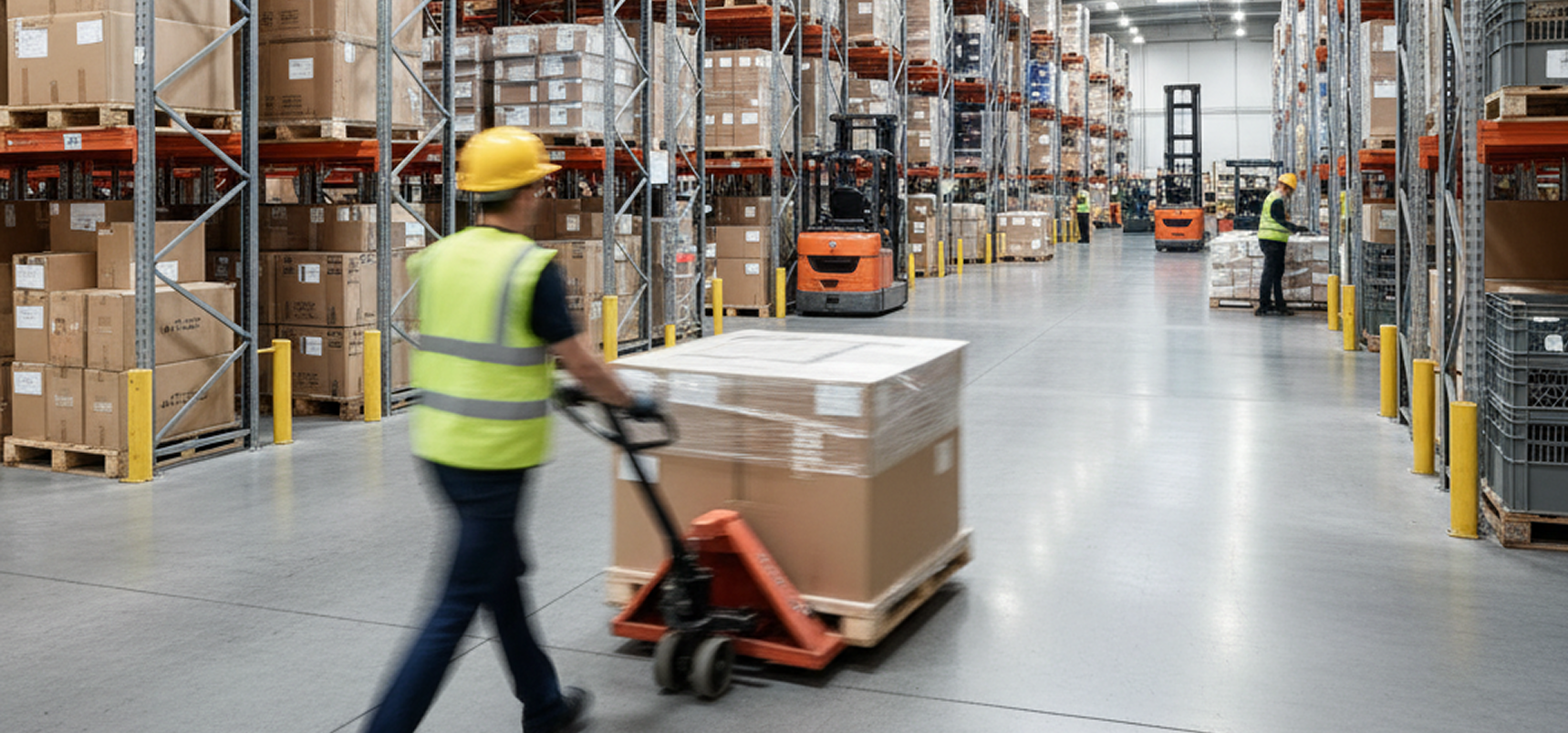
Warehouse lease rates in Chennai typically range from ₹22 to ₹40 per sq. ft. per month, with Grade A warehouses generally commanding higher rates around ₹27–₹30 per sq. ft. and standard spaces available from ₹22–₹28 per sq. ft.
Major Warehouse Districts
Oragadam, Sriperumbudur, Red Hills, Periyapalayam, Mannur, Vallam, Ennore, Mappedu.
Last-Mile Delivery Infrastructure
Chennai’s last-mile delivery infrastructure features a network of specialized logistics providers using advanced technology for real-time tracking, route optimization, and efficient doorstep delivery across B2B, B2C, and D2C sectors.
Automation and Technology Adoption
Warehouse automation in Chennai is rapidly advancing, with companies adopting robotics, automated storage, RFID tracking, and warehouse management systems to improve efficiency, accuracy, and supply chain visibility.
Cold Storage and Specialty Warehousing
Chennai offers large-scale, temperature-controlled cold storage and specialty warehousing facilities with advanced racking, multi-chamber configurations for chilled and frozen goods, seamless B2B and B2C fulfillment, and robust connectivity to ports, airports, and major highways.
Supply Chain Analysis
Key Industries
Automobile manufacturing, IT and software development, healthcare and medical tourism, electronics and hardware manufacturing, financial services, textiles and garment manufacturing, engineering and construction, e-commerce, sustainable and eco-friendly ventures, delivery and logistics, EdTech, SaaS, and agri-tech solutions.
Major Logistics Providers
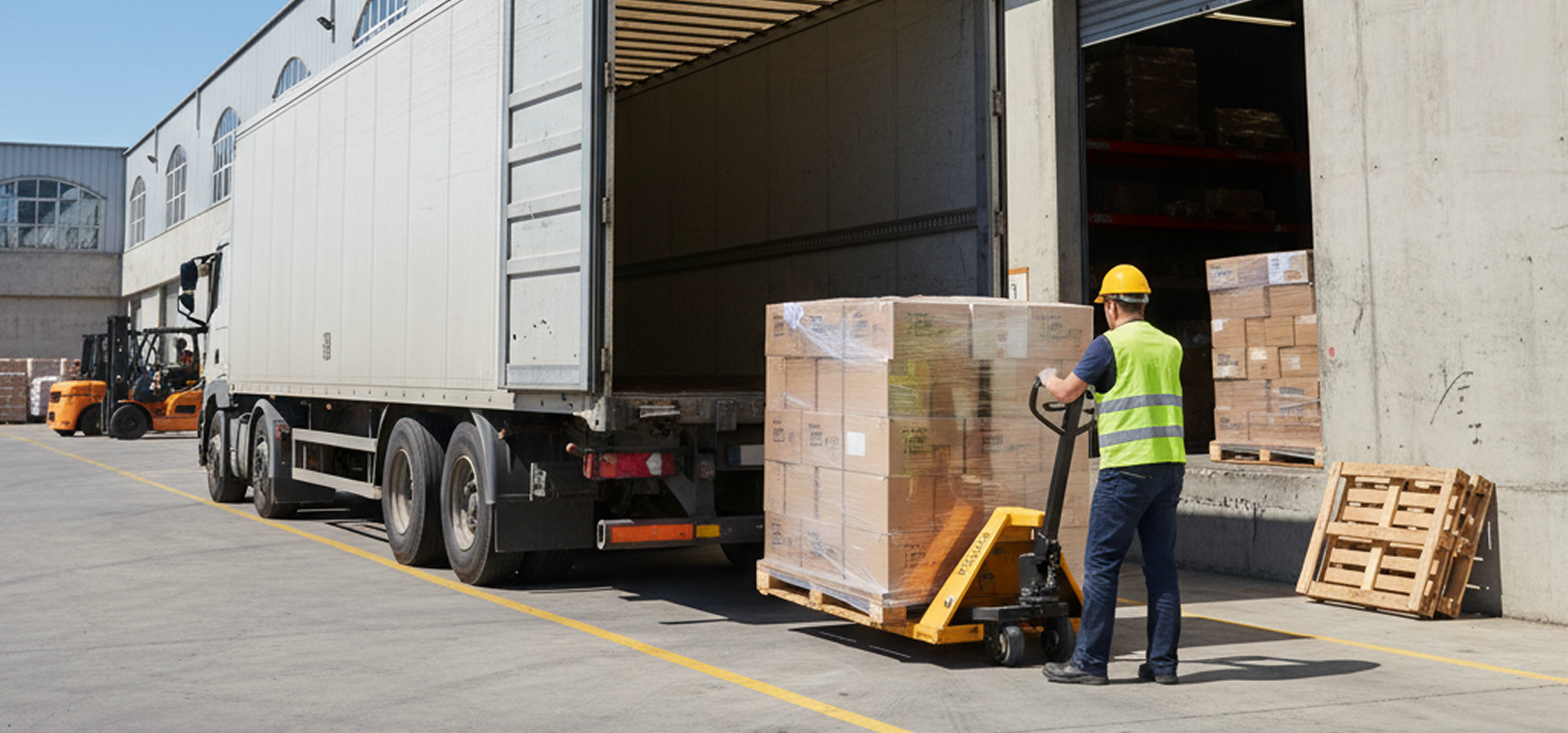
AAJ Supply Chain Management, TVS Logistics Services Ltd, GATI Ltd, DHL Global Forwarding India Pvt. Ltd, Blue Dart Express Ltd, Sical Logistics Ltd, Allcargo Logistics Ltd, DTDC Express Ltd, VRL Logistics Ltd, Mahindra Logistics Ltd, RougeRoad Logistic Services Private Limited, ProConnect Supply Chain, Velocity Freight, NimbusPost, Supreme Logistics Solutions, H&S Supply Chain Services, Delhivery, WareIQ, Herald Wls Private Limited, VTL Logistics, Tripath Logistics, Globus Logisys, EasyWay Logistics, BlackBuck, Mediterranean Shipping Company, Maersk, CMA CGM, Alstom, DSV.
Import/Export Volumes and Trading Partners
Chennai's import/export data shows significant trade with countries like China, the United States, and Sri Lanka, but specific volumes for Chennai alone are not detailed in the available data.
Supply Chain Resilience
Chennai’s supply chain resilience is strengthened by infrastructure investments and technology adoption, but faces risk factors including market uncertainty, low advanced technology uptake, and dependence on supplier relationships and organizational capabilities.
Local Manufacturing Capabilities
Chennai is a significant manufacturing hub in India, known for its automotive industry, with major companies like Hyundai and BMW, and also hosts other industries such as electronics, with companies like MSI setting up local manufacturing facilities.
Industry Clusters
Chennai's main industry clusters include automotive, electronics, forging, and leather goods, with notable areas like Oragadam, Sriperumbudur, and Ambattur.
Competitive Advantages
Chennai’s key competitive advantages as a logistics/business hub are its strategic coastal location with dual seaport access, robust multimodal connectivity (highways, rail, airport), strong industrial ecosystem (especially automotive, electronics, FMCG), skilled workforce, modern warehousing infrastructure, and pro-business government policies.
Infrastructure Assessment
Detailed evaluation of Chennai's infrastructure quality, investment projects, utility systems, and environmental considerations for strategic planning.
Quality and Capacity
Chennai’s infrastructure quality and capacity are strained, with persistent issues in air quality management, road dust, and waste handling, despite recent increases in road resurfacing and a new push for walkable streets.
Planned Investments
Chennai is undergoing significant infrastructure investments, including the Chennai Metro Rail Phase 2, Peripheral Ring Road, FinTech City, and Chennai Port-Maduravoyal Expressway, aimed at enhancing connectivity, reducing congestion, and fostering economic growth.
Utilities Reliability and Costs
Chennai's utility infrastructure includes water supply serving 5.03 million people at 620 MLD capacity with desalination plants and multiple sources, expanding fiber-optic networks connecting cable landing stations to data centers, and ongoing Rs 1,660 crore infrastructure upgrades for stormwater drainage and urban systems.
Environmental Factors
Key environmental factors affecting logistics in Chennai include high air pollution from road transport, rising greenhouse gas emissions, and increased motorization, all of which challenge sustainable logistics operations.
