Chicago
Chicago’s infrastructure is extensive but aging, with moderate satisfaction among residents and ongoing challenges related to funding, maintenance, and modernization.
2.72.7 M+
Population
591591 km²
Area
4,9234,923 /km²
Density
Growth Trends
22,164
The projected net population growth in Chicago for 2024 is 22,164.
Working-Age Population
66.77%
65% of the world’s population is of working age (15-64), according to the most recent World Bank and Statista estimates.
Employment Rates
Key industries include manufacturing, finance, and technology with major corporations like Motorola Solutions, GE Healthcare, and Quaker Oats playing significant roles.
Educational Attainment
Tertiary attainment among young adults aged 25-34 in Germany increased from 33% in 2019 to 40% in 2024, placing it among top OECD nations.
Foreign Residents
The average income for foreign residents in Chicago is about $57,000 USD, with 50% earning less.
Ethnic Composition
Foreign residents in Chicago surpassed 597,000 in 2024, making up about 22% of the city population, with the largest groups from Mexico, India, Poland, Philippines, and China.
Commuting
More than 1 million daily rides are taken on Chicago’s transit system, with hundreds of thousands commuting by rail from suburbs and residential areas into the central city for work.
Migration Patterns
Chicago continues to attract residents from other regions with a net inflow of over 22,000 people in 2024.
Average Income
112K
The average annual income in Chicago is about $75,134.
Transportation & Logistics Overview
Warehousing & Fulfillment Landscape
Space and Vacancy Rates
5.5%
Lease Rates and Warehouse Classes
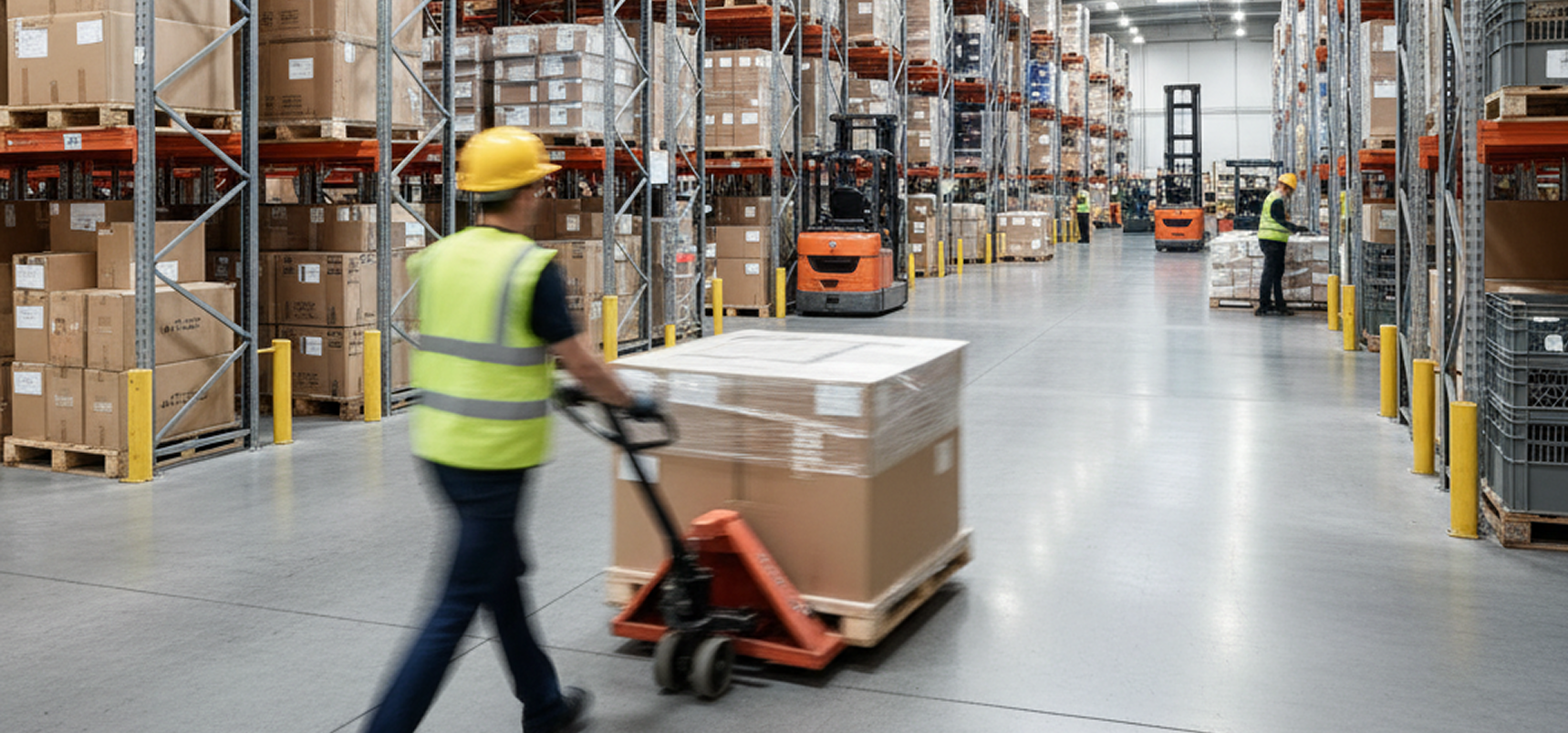
Warehouse lease rates in Chicago average $9.70 per square foot, with flex spaces at $15.00, small bay spaces at $11-$12, and large leases ranging from $5-$8 per square foot, reflecting class differences based on size, location, and property age.
Major Warehouse Districts
O'Hare/Elk Grove Village, I-55 Corridor, I-80 Corridor, Lake County, Chicago South/I-57 Corridor
Last-Mile Delivery Infrastructure
Chicago’s last-mile delivery infrastructure relies on a network of urban delivery hubs, local fleets of trucks and vans, digital logistics platforms, and on-demand delivery professionals to efficiently move goods from distribution centers to homes and businesses across the city.
Automation and Technology Adoption
Chicago warehouses are rapidly adopting advanced automation technologies—including robotics, AI, and automated storage systems—to boost efficiency, flexibility, and throughput in response to rising costs and evolving supply chain demands.
Cold Storage and Specialty Warehousing
Cold storage and specialty warehousing facilities in Chicago offer state-of-the-art, temperature-controlled environments for perishable goods, with flexible zones ranging from -20°F to 55°F, advanced inventory management, value-added services, and strategic locations for efficient distribution.
Supply Chain Analysis
Key Industries
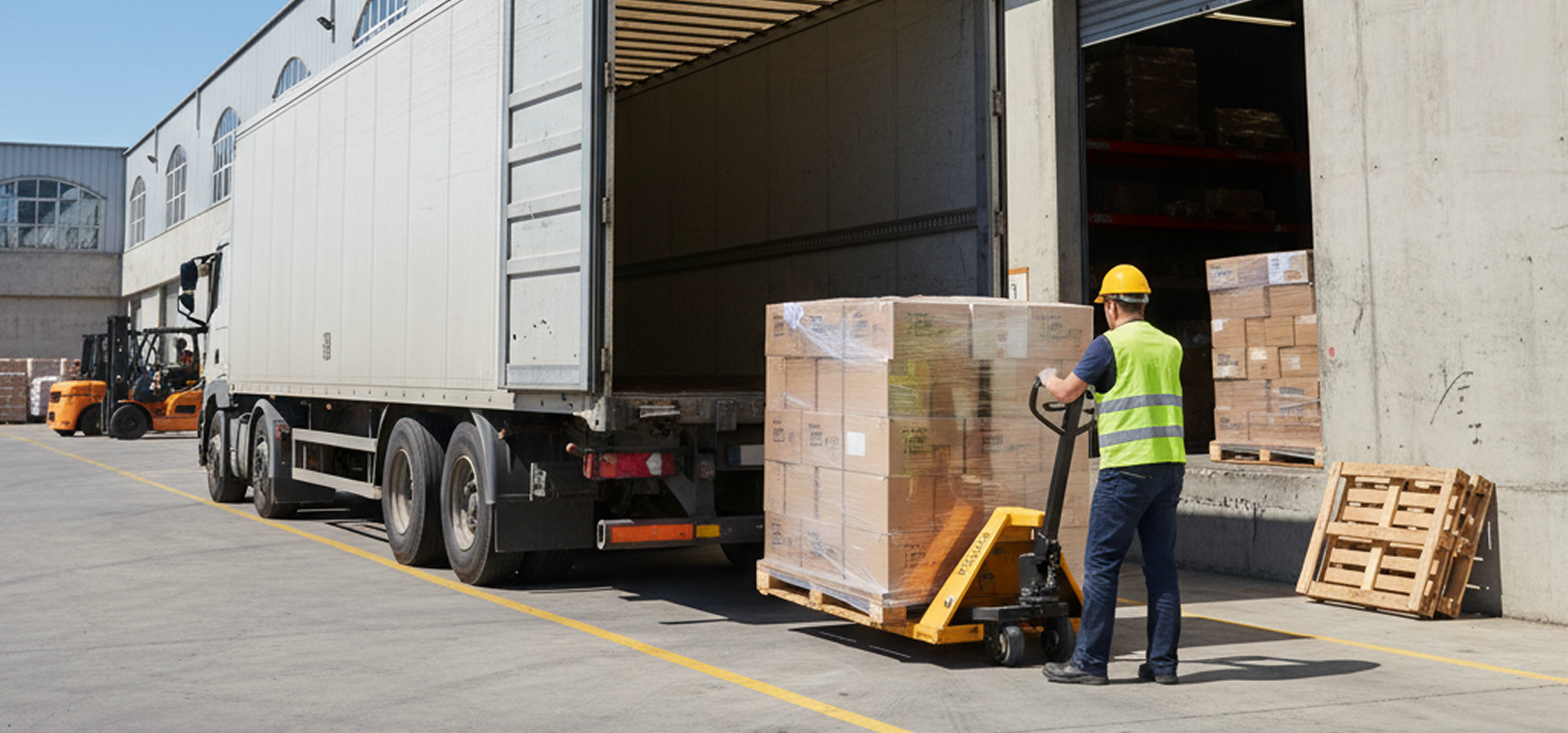
Manufacturing, finance and fintech, transportation distribution and logistics, life sciences and healthcare, business and professional services, food manufacturing, innovation and technology, tourism and travel.
Major Logistics Providers
Redwood Logistics, Bringg, Locusview, Arrive Logistics, MoLo Solutions, Sheer Logistics, Omni Logistics, New City Moving, Azteca Movers, WayFinder Logistics, Echo Global Logistics, Schneider, Hub Group, Beltmann Integrated Logistics, Pierce Distribution.
Import/Export Volumes and Trading Partners
Chicago handled $330 billion in trade in 2022, with top import partners including China, Ireland, Canada, Germany, and Japan, and leading imports such as phone sets, data processing machines, medicine, and oil.
Supply Chain Resilience
Chicago’s supply chain resilience is challenged by market volatility, labor shortages, rising costs, and the need for advanced automation and risk management to mitigate disruptions and adapt to evolving risks.
Local Manufacturing Capabilities
Chicago has a highly diversified manufacturing sector with strengths in food processing, metal fabrication, machinery, electronics, plastics, clean energy, and advanced automation, supported by a skilled workforce and robust infrastructure.
Industry Clusters
Chicago's main industry clusters are manufacturing, food manufacturing and agriculture, finance, business and professional services, life sciences, transportation and logistics, technology, and healthcare.
Competitive Advantages
Chicago’s key competitive advantages as a logistics/business hub are its central location, unmatched transportation infrastructure (rail, highway, air, and port), extensive intermodal connectivity, deep labor pool, and proximity to major population and industrial centers.
Infrastructure Assessment
Detailed evaluation of Chicago's infrastructure quality, investment projects, utility systems, and environmental considerations for strategic planning.
Quality and Capacity
Chicago’s infrastructure is extensive and improving, but faces significant repair backlogs, aging assets, and ongoing funding challenges, with moderate resident satisfaction and urgent needs for upgrades in transit, utilities, and water systems.
Planned Investments
Chicago is undertaking major infrastructure investments including a $50.6 billion statewide program, billions for transit upgrades like the Red Line Extension, modernization of Union Station, airport expansions, and large-scale public lighting and water system improvements.
Utilities Reliability and Costs
Chicago’s utility infrastructure features reliable water service, moderate electric reliability with some outages, and ongoing upgrades to power, water, and internet systems including smart meters and fiber-optic broadband, though residents prioritize further improvements.
Environmental Factors
Logistics in Chicago face environmental challenges due to high levels of diesel pollution from trucks and trains, increased warehouse development impacting local communities, and inefficient waste management practices.
