Chongqing
Chongqing's infrastructure quality is improving with efforts to enhance urban-rural development, green infrastructure, and sustainable planning, though challenges persist in areas like flooding and environmental degradation.
32.132.1 M+
Population
5,4735,473 km²
Area
3,0003,000 /km²
Density
Growth Trends
397.3K
The projected net population growth in Chongqing for 2024 is 397,300.
Working-Age Population
62.22%
67% of the world’s population is of working age, with significant regional variation as aging accelerates in developed economies.
Employment Rates
Key industries include electronics manufacturing, automotive, chemicals, and equipment manufacturing, with major corporations like Hewlett-Packard, Changan Automobile, and Southwest Aluminum playing significant roles.
Educational Attainment
Tertiary attainment among young adults aged 25-34 in Germany increased from 33% in 2019 to 40% in 2024.
Foreign Residents
The average income for foreign residents in Chongqing is about 14.3 million yen, with 75% earning less.
Ethnic Composition
Foreign residents in Chongqing surpassed 0.04 million in 2024, making up about 0.22% of the city population, with largest groups from the United States, Russia, Canada, South Korea, and Australia.
Commuting
The Chongqing metropolitan area has extensive commuting patterns with millions of people traveling daily, primarily by rail, with over 3 million using the rail transit system daily.
Migration Patterns
397,300
Average Income
16.1K
The average annual income in Chongqing is about ¥113,653.
Transportation & Logistics Overview
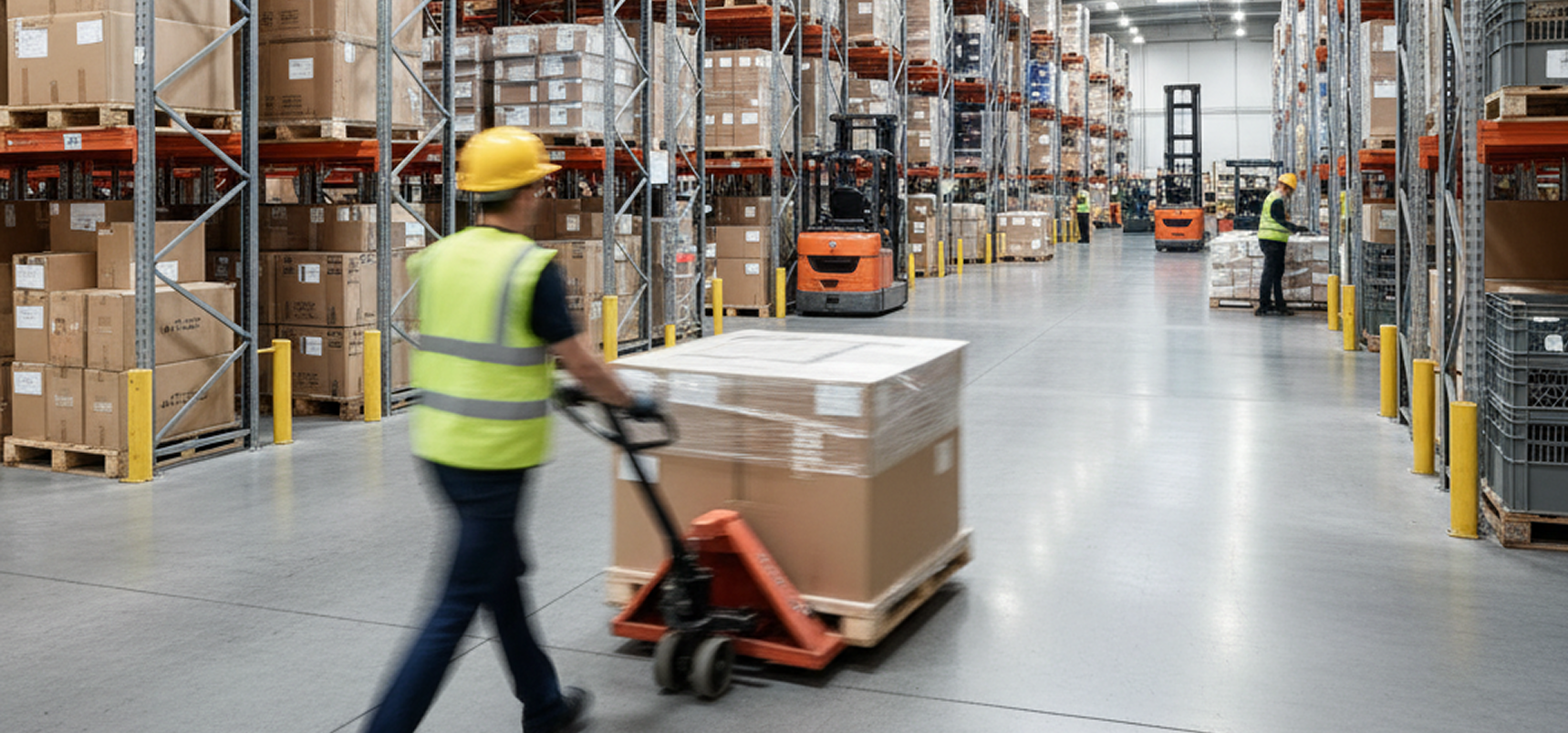
Warehousing & Fulfillment Landscape
Space and Vacancy Rates
18.4%
Lease Rates and Warehouse Classes
Warehouse lease rates in Chongqing typically range from $2.5 to $30 per square meter per month depending on location, size, and class, with higher-class facilities offering modern amenities and lower vacancy rates.
Major Warehouse Districts
Tuanjie Village Railway Bonded Logistics Center, Nanpeng Highway Bonded Logistics Center, Guoyuan Bonded Logistics Center, Wanzhou Bonded Logistics Center, Lianglu-Cuntan Bonded Port Area, Chongqing Airport Logistics Center, Jiangbei District Logistics Center.
Last-Mile Delivery Infrastructure
Chongqing's last-mile delivery infrastructure combines urban rail transit, logistics parks, and river transport, but faces challenges from mountainous terrain, fragmented freight handling, and reliance on road transport, with ongoing upgrades to integrate multimodal logistics and expand delivery reach.
Automation and Technology Adoption
Warehouse automation in Chongqing is rapidly advancing, with major companies adopting technologies like automated storage and retrieval systems, robotics, and 5G-enabled autonomous vehicles to improve efficiency, reduce labor needs, and enhance order fulfillment speed.
Cold Storage and Specialty Warehousing
Cold storage and specialty warehousing facilities in Chongqing feature advanced temperature-controlled environments for preserving food, pharmaceuticals, and agricultural products, with capacities ranging from thousands to over a million cubic meters and offering integrated logistics, processing, and distribution services.
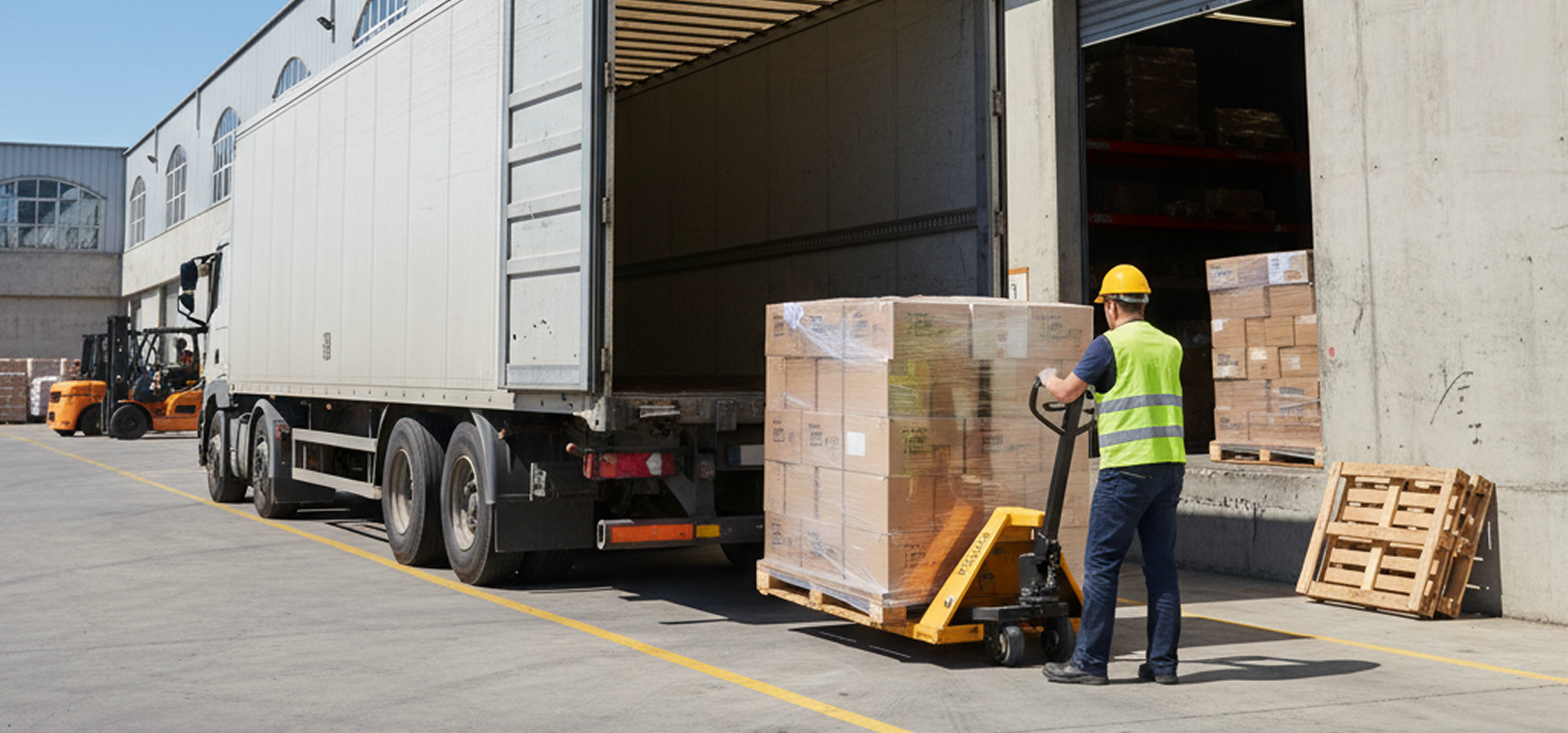
Supply Chain Analysis
Key Industries
Automobile and motorcycle manufacturing, electronics and IT, equipment manufacturing, chemicals and petrochemicals, natural gas, aluminum and glass processing, shipbuilding, pharmaceuticals, light industry (cotton, silk, paper, leather), life and health, green and low-carbon industries, and high-tech services.
Major Logistics Providers
Sankyu Guangzhou Logistics, Sinotrans, Meilian Logistics, Steinweg, Chongqing YUNYI FENGHAO Supply Chain Management, China Railway Special Freight, JIUYE Supply Chain, Realogistics, Worldcargo Logistics, ecL, COSCO Shipping, S.F. Express, CIMC, Global Rapid Transit, Huamao, Shenzhen Huayun, Ningbo Port, Chongqing Railway Bonded Logistics Center, Nanpeng Highway Bonded Logistics Center, Guoyuan Bonded Logistics Center.
Import/Export Volumes and Trading Partners
Chongqing’s import and export value reached 508.09 billion yuan in the first eight months of 2025 (up 11.3% year-on-year), with key trading partners including ASEAN, the Middle East, Europe, and Central Asia, and major exports being new energy vehicles and electronics.
Supply Chain Resilience
Information about supply chain resilience not available.
Local Manufacturing Capabilities
Chongqing is a major manufacturing hub in China with strong capabilities in electronics (notably laptops), automobiles, motorcycles, equipment, chemicals, aluminum processing, and high-tech industries, supported by advanced automation and smart manufacturing initiatives.
Industry Clusters
Chongqing’s main industry clusters include new energy vehicles, electronic information manufacturing, advanced materials, intelligent equipment, food processing, software services, new displays, high-end motorcycles, light alloys, textiles, biological medicine, new energy storage, and emerging sectors like semiconductors, AI, and life sciences.
Competitive Advantages
Chongqing’s key competitive advantages as a logistics/business hub are its extensive multimodal transportation network, strategic location linking China to Europe and Southeast Asia, integrated industrial clusters, lower logistics costs, and strong government support with favorable investment policies.
Infrastructure Assessment
Detailed evaluation of Chongqing's infrastructure quality, investment projects, utility systems, and environmental considerations for strategic planning.
Quality and Capacity
Chongqing has modern, expanding infrastructure with strong urban capacity, though some rural areas still face gaps in basic services and resilience.
Planned Investments
Chongqing is investing heavily in transportation, urban renewal, manufacturing, and public services, with over 277 billion yuan allocated in 2025 for projects including metro expansion, smart vehicle and electronics manufacturing, water conservancy, energy, and education infrastructure, as part of a strategy to accelerate regional modernization and economic growth.
Utilities Reliability and Costs
Chongqing’s utility infrastructure features a rapidly expanding renewable power grid with over 5 GW installed capacity, robust water supply and treatment systems, and advanced digital connectivity including widespread IoT and smart grid technologies.
Environmental Factors
Key environmental factors affecting logistics in Chongqing include increasing energy consumption, rising carbon emissions, pollution from transportation, and the need for green and smart logistics development to balance environmental pressures with industry growth.
