Dalian
Dalian's infrastructure shows mixed quality with a well-developed bus network that faces coverage gaps and congestion issues, while its planned metro system remains fragmented and uncoordinated with existing transit services.
4.94.9 M+
Population
5,7665,766 km²
Area
1,6111,611 /km²
Density
Growth Trends
129.9K
The projected net population growth in Dalian for 2024 is 129,890.
Working-Age Population
69.7%
67% of the global population is of working age, with this share expected to decline in many regions over the coming decades.
Employment Rates
Key industries include shipbuilding, petrochemicals, equipment manufacturing, and consumer goods, with major corporations like Dalian Shipbuilding Industry Company, Dalian Heavy Industry Co., and Dashang Group playing significant roles.
Educational Attainment
Tertiary attainment among young adults aged 25-34 in OECD countries increased from 45% in 2019 to 48% in 2024, placing it among top OECD nations.
Foreign Residents
Foreign residents data not available
Ethnic Composition
Foreign residents in Dalian surpassed 0.03 million in 2024, making up about 0.3% of the city population, with the largest groups from South Korea, Japan, and Russia.
Commuting
Dalian’s metropolitan area sees over 430,000 daily metro trips, with extensive commuting by rail from suburban districts into the central city for work.
Migration Patterns
Dalian continues to attract residents from other regions with a net inflow of 129,890 people in 2024.
Average Income
7.5K
The average annual income in Dalian is about 0.5 million yen though more than half earn less than this amount.
Transportation & Logistics Overview
Warehousing & Fulfillment Landscape
Space and Vacancy Rates
17.8%
Lease Rates and Warehouse Classes
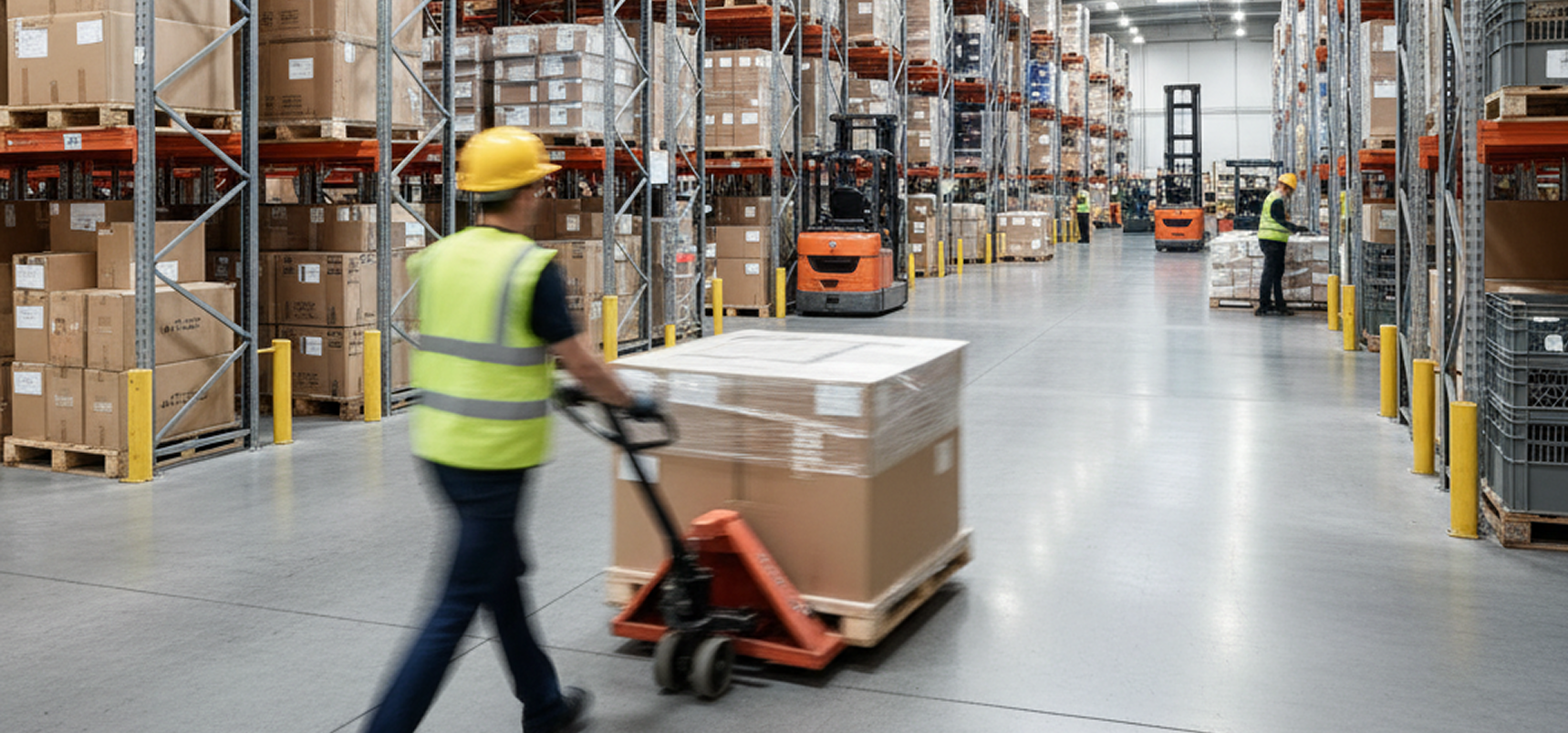
Warehouse lease rates in Dalian typically range from ¥12 to ¥24 per square meter per month, with classes varying by location, size, and facility quality.
Major Warehouse Districts
Dayao Bay, Ershilipu, Liangjiadian, Dalian Automotive Logistics City, and Dalian Port areas including Daliangang, Dalianwan, Nianyuwan, Xianglujiao, Ganjinzi, Si'ergou, Heizuizi, and Dayaowan.
Last-Mile Delivery Infrastructure
Dalian’s last-mile delivery infrastructure leverages its advanced seaports, airport, and integrated road and rail networks to enable efficient final-stage distribution for e-commerce and logistics providers.
Automation and Technology Adoption
Warehouse automation in Dalian is exemplified by Chery's Dalian factory, which has integrated 435 autonomous mobile robots to enhance efficiency and reduce labor costs, marking a significant step in smart manufacturing transformation.
Cold Storage and Specialty Warehousing
Cold storage and specialty warehousing facilities in Dalian, such as Dalian Zhangzidao Chuo Cold Logistics Co., Ltd., specialize in storing temperature-sensitive products like seafood, offering extensive cold chain logistics services and large storage capacities.
Supply Chain Analysis
Key Industries
Key industries and economic sectors in Dalian include shipbuilding, equipment manufacturing, petrochemicals, machinery, chemicals, oil refining, electronics, IT and software, textiles, food processing, finance, logistics, tourism, and port-related trade.
Major Logistics Providers
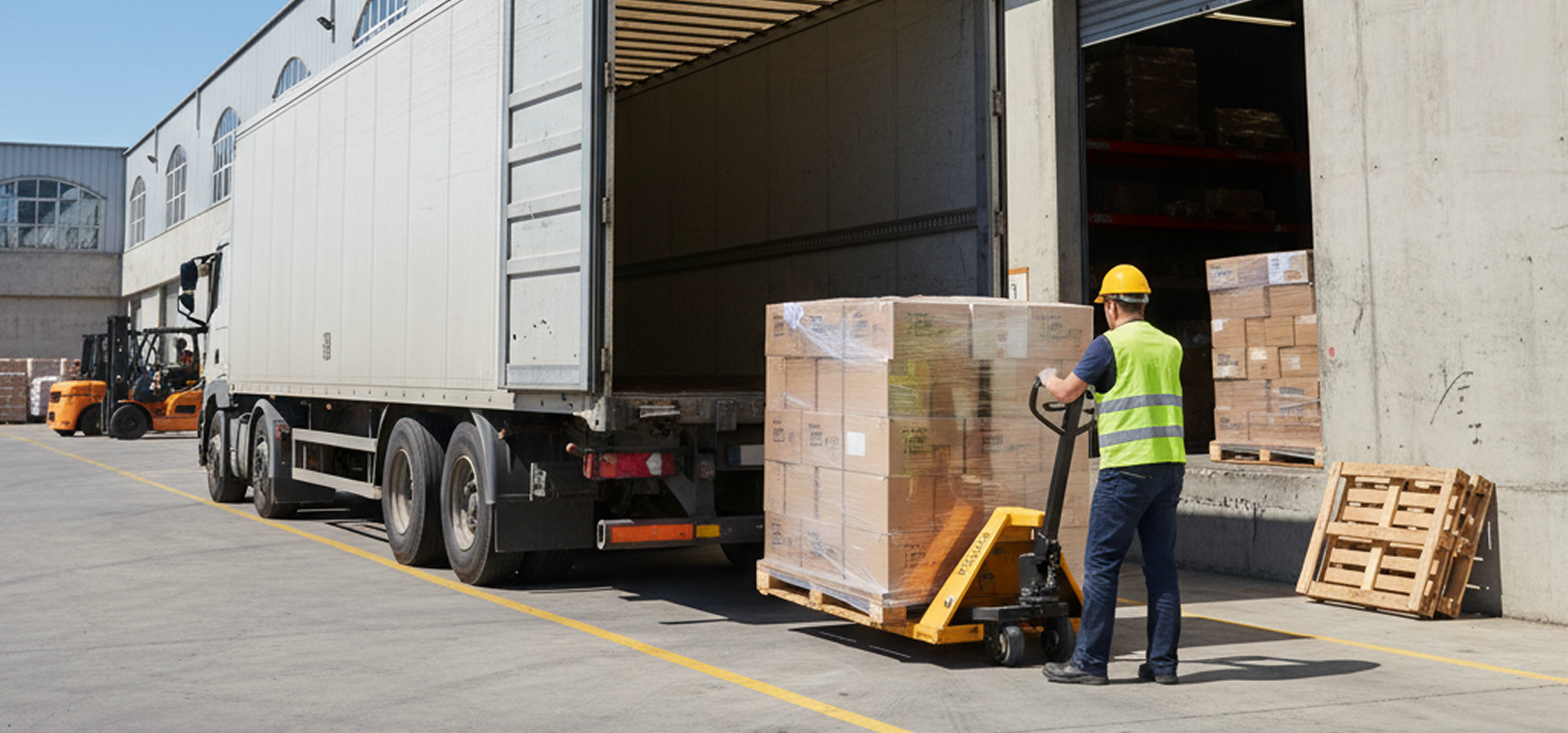
Dalian CIMC Special Logistics Equipment Co., Ltd., DHL, Alibaba Group (Cainiao Network), SF Express, JD Logistics, Dalian HELM International Logistics Co., Ltd., Dalian Traffic & Transport Group Co., Ltd., UPS SCS (China) Limited, Kerry EAS Logistics Limited, SINO Shipping.
Import/Export Volumes and Trading Partners
Dalian's import and export volume reached 191.98 billion yuan in the first five months of 2025, with key trading partners including Russia, Malaysia, India, Japan, the EU, Saudi Arabia, the United States, and ASEAN, and major exports being mechanical and electrical products, petrochemicals, ships, and vehicles.
Supply Chain Resilience
Supply chain resilience in Dalian is strengthened by big data analytics that enhance visibility and flexibility, but risk factors include limited proactive resilience and varying impacts depending on firm size and operational context.
Local Manufacturing Capabilities
Dalian has strong local manufacturing capabilities centered on shipbuilding, equipment manufacturing, petrochemicals, machinery, chemicals, oil refining, textiles, and food processing, supported by advanced infrastructure and a robust industrial base.
Industry Clusters
Dalian’s main industry clusters include equipment manufacturing, petrochemicals, electronic information, software and IT services, automobiles and auto parts, shipbuilding, biomedical, steel, agricultural products, furniture, bearings, chemicals, new materials, garments, and logistics.
Competitive Advantages
Strategic Northeast Asia location, deep-water port, extensive global shipping and air connectivity, advanced intermodal infrastructure, free trade zones, robust industrial base, financial center status, and strong government incentives.
Infrastructure Assessment
Detailed evaluation of Dalian's infrastructure quality, investment projects, utility systems, and environmental considerations for strategic planning.
Quality and Capacity
Dalian’s infrastructure has seen significant expansion and integration in public transit and energy, but service quality and system coordination remain limited by fragmented planning, capacity approaching saturation, and reliance on government subsidies.
Planned Investments
Planned infrastructure investments in Dalian include a $9.6 billion upgrade of the PetroChina Dalian refinery, expansion of foreign trade infrastructure, and ongoing development of advanced manufacturing, digital economy, and port facilities.
Utilities Reliability and Costs
Dalian's utility infrastructure includes significant coal-fired power plants like the Dalian Power Plant and Dalian Ganjingzi power station, but specific details on water and internet infrastructure are not provided.
Environmental Factors
Key environmental factors affecting logistics in Dalian include urban economic development, industrial scale, transportation infrastructure, population density, and the implementation of green logistics policies to address pollution and resource depletion.
