Dar es Salaam
Dar es Salaam's infrastructure quality is challenged by rapid urbanization, with issues such as limited paved roads, water scarcity, and inadequate public transportation, despite ongoing investments in development projects.
2.72.7 M+
Population
1,3931,393 km²
Area
3,1003,100 /km²
Density
Growth Trends
400.3K
The projected net population growth in Dar es Salaam for 2024 is 400,290.
Working-Age Population
66.1%
67% of the European Union population is of working age, reflecting a demographic shift toward fewer youth and more older dependents.
Employment Rates
Key industries include manufacturing, finance, construction, and trade, with major corporations like Tanzania Breweries Limited, CRDB Bank, and Twiga Cement playing significant roles.
Educational Attainment
Tertiary attainment among young adults aged 25-34 in OECD countries increased from 45% in 2019 to 48% in 2024, placing it among top OECD nations.
Foreign Residents
The average income for foreign residents in Dar es Salaam is about 1.2 million yen with 60% earning less.
Ethnic Composition
Foreign residents in Dar es Salaam surpassed 0.5 million in 2024, making up about 6% of the city population, with the largest groups from India, China, Kenya, and the UK.
Commuting
Over 8.5 million people live in Dar es Salaam, with daily commuting primarily by bus and BRT, as rail accounts for less than 1% of work trips.
Migration Patterns
400,290
Average Income
19.8K
71,059,821 TZS
Transportation & Logistics Overview
Warehousing & Fulfillment Landscape
Space and Vacancy Rates
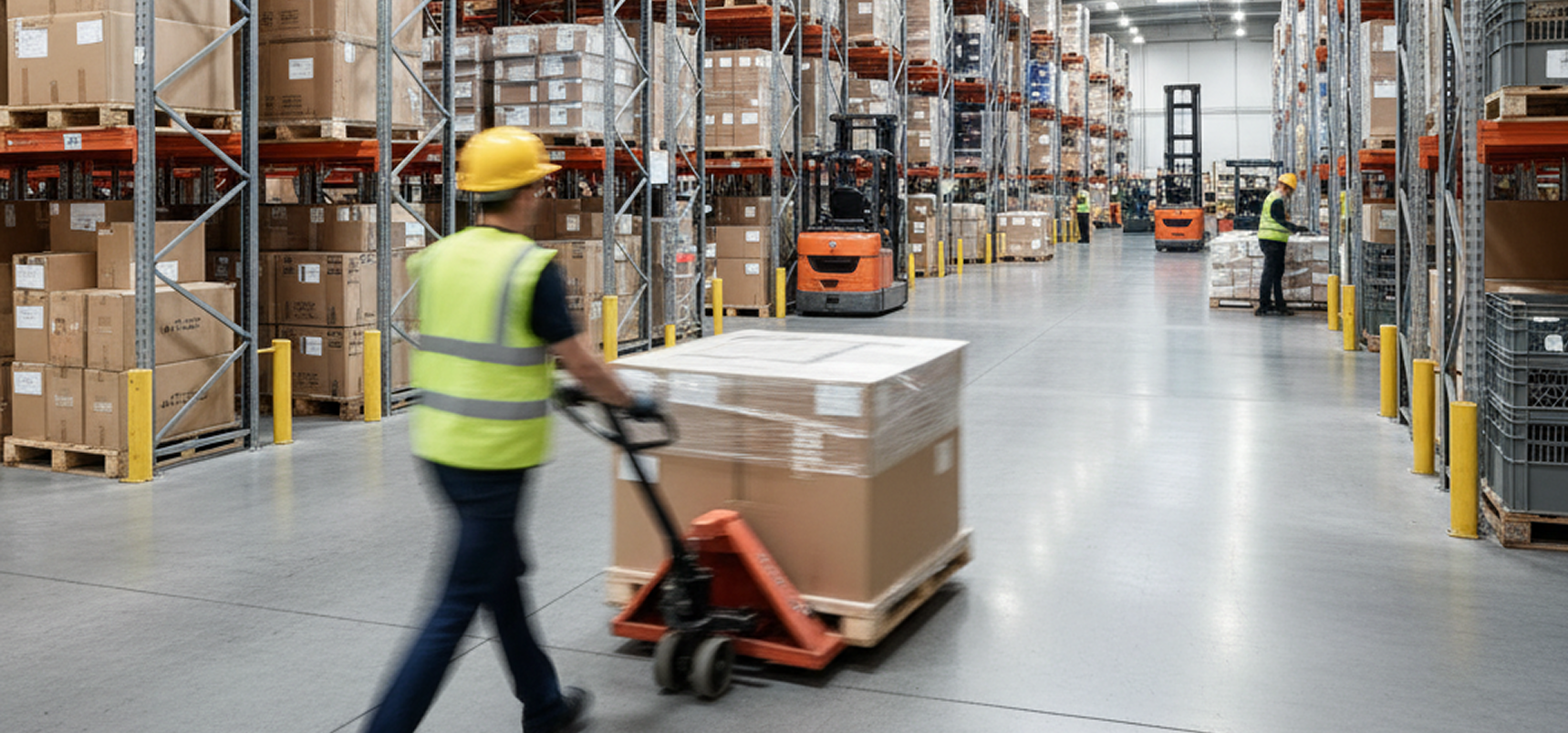
Based on the search results, warehouse occupancy in Africa reached 83% in H1 2025, but specific vacancy rates for Dar es Salaam warehouses are not provided in the available data.
Lease Rates and Warehouse Classes
Warehouse lease rates in Dar es Salaam typically range from USD 4 to USD 8 per square meter per month, with Class A warehouses commanding higher rates due to location, security, and amenities.
Major Warehouse Districts
Kurasini, Mbagala, Bandalagozi, Mabibo External, Changombe, Tabata
Last-Mile Delivery Infrastructure
Last-mile delivery infrastructure in Dar es Salaam is characterized by fragmented integration between rail and road, lack of synchronized scheduling, limited bonded warehousing, and persistent delays in connecting inland dry ports like Kwala to final urban and regional destinations.
Automation and Technology Adoption
Warehouse automation and technology adoption in Dar es Salaam is growing, with businesses increasingly implementing automated warehouse management systems to streamline inventory tracking, order fulfillment, and overall operational efficiency.
Cold Storage and Specialty Warehousing
Cold storage and specialty warehousing facilities in Dar es Salaam offer modern, temperature-controlled environments for storing perishable goods, pharmaceuticals, and other sensitive products, supporting efficient logistics and reducing post-harvest losses.
Supply Chain Analysis
Key Industries
Key industries and economic sectors in Dar es Salaam include manufacturing, trade, transport and communication, financial services, construction, hospitality, fisheries, and urban agriculture.
Major Logistics Providers
KiBZ Company Limited, EJK Holdings Ltd, GIAN Logistics Limited, Transvibe Logistics Limited, X Port Logistic Company Limited, Bright Logistic Services Co Ltd, Sesten Logistics Tanzania, Scan Global Logistics, Glenrich Transportation.
Import/Export Volumes and Trading Partners
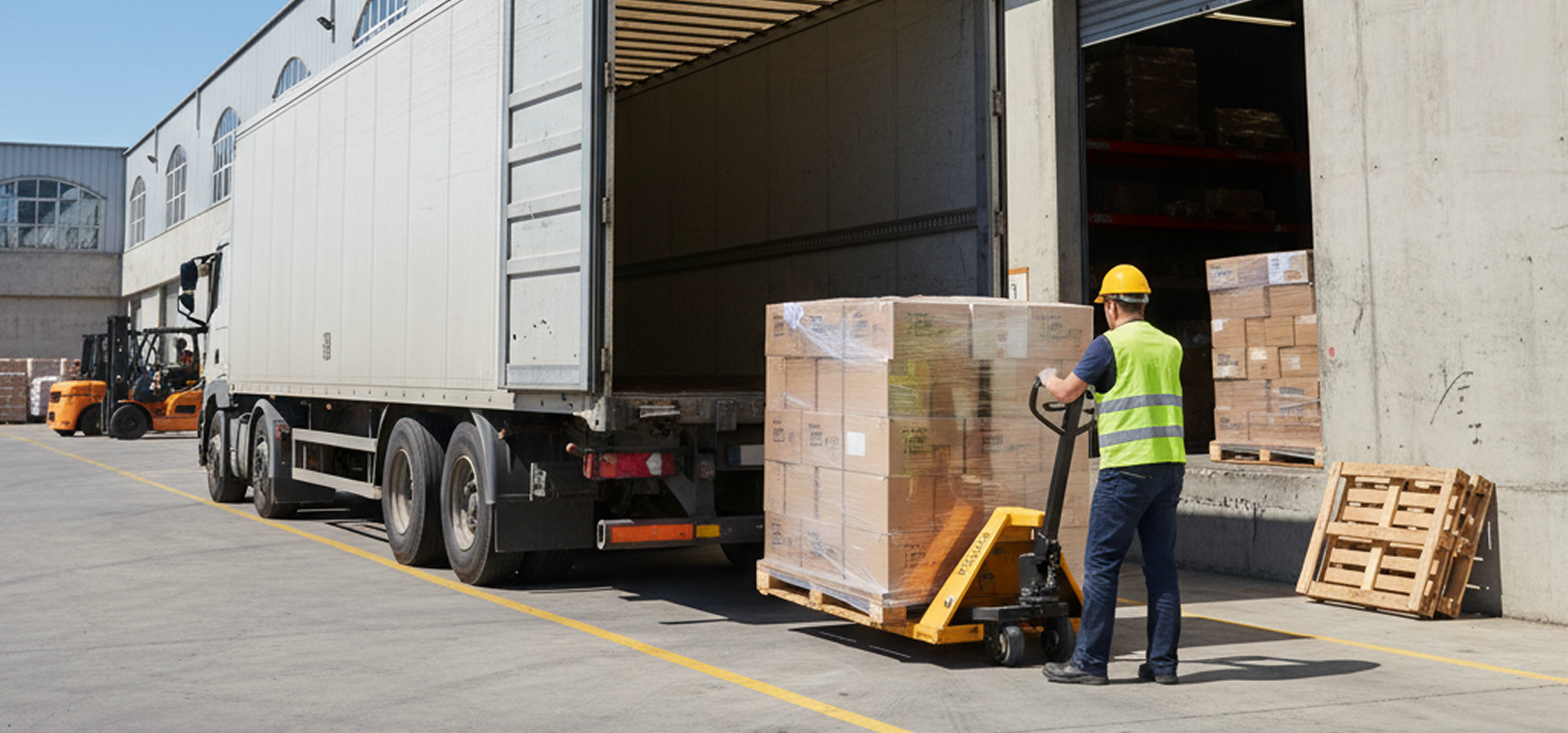
Dar es Salaam handles record-breaking import/export volumes—over 34,000 TEUs and 446,000 tonnes of bulk cargo monthly—with key trading partners including Kenya, Uganda, Congo, India, South Sudan, Malawi, Rwanda, Netherlands, Zambia, and China.
Supply Chain Resilience
Supply chain resilience in Dar es Salaam is challenged by frequent transportation disruptions—especially flood-related road outages—amplifying risk factors such as infrastructure bottlenecks, disaster vulnerability, and limited alternative logistics corridors.
Local Manufacturing Capabilities
Dar es Salaam hosts major manufacturing operations including Bakhresa's state-of-the-art German milling technology for wheat flour production, MM Integrated Steel Mills with multiple steel processing facilities, and diverse industrial capabilities spanning food processing, plastics, paints, and beverages.
Industry Clusters
The main industry clusters in Dar es Salaam are agro-processing, textiles, leather, mining and mineral processing, fisheries, light manufacturing, pharmaceuticals, automotive assembly, electronics, and furniture.
Competitive Advantages
Strategic location as a gateway to landlocked countries, reliable and expanding port and transport infrastructure, efficient customs and logistics services, stable government, and strong regional connectivity.
Infrastructure Assessment
Detailed evaluation of Dar es Salaam's infrastructure quality, investment projects, utility systems, and environmental considerations for strategic planning.
Quality and Capacity
Dar es Salaam has strong environmental infrastructure scoring 8.21/10 globally but faces significant mobility challenges with residents spending 34% of monthly income on transportation due to inadequate public transit capacity for its rapidly growing 7+ million population.
Planned Investments
Planned infrastructure investments in Dar es Salaam include new bus rapid transit lines, local road upgrades, expanded drainage systems, and continued focus on sustainable and intelligent urban infrastructure to improve mobility and resilience.
Utilities Reliability and Costs
Dar es Salaam has a government-owned electricity grid with expanding capacity, a water system managed by DAWASA facing ongoing upgrades and challenges, and robust internet infrastructure supported by national fibre-optic backbones and metro fibre networks.
Environmental Factors
Key environmental factors affecting logistics in Dar es Salaam include air and water pollution from port operations, emissions from equipment, urban drainage, sewage, and waste disposal impacting the port and surrounding marine ecosystem.
