Delhi
Delhi’s infrastructure is rapidly modernizing with significant improvements in transportation and technology, but persistent challenges remain in areas like road quality, pollution, water supply, and urban planning.
16.116.1 M+
Population
1,4841,484 km²
Area
11,90011,900 /km²
Density
Growth Trends
858.2K
The projected net population growth in Delhi for 2024 is 866,094.
Working-Age Population
70.8%
67% of the population in regions such as Advanced Asia, Central and Eastern Europe, North America, Western Europe, and Greater China is of working age.
Employment Rates
Key industries include IT, banking and financial services, real estate, and tourism, with major corporations like KMG Infotech, v-Angelz Technologies, and Chemico Chemicals playing significant roles.
Educational Attainment
Tertiary attainment among young adults aged 25-34 in Germany increased from 33% in 2019 to 40% in 2024, placing it among top OECD nations.
Foreign Residents
The average income for foreign residents in Delhi is about $43,000 USD, with 50% earning less.
Ethnic Composition
Foreign residents in Delhi surpassed 0.2 million in 2024, making up about 0.6% of the city population, with the largest groups from Nepal, Bangladesh, Afghanistan, and Nigeria.
Commuting
Delhi’s metropolitan area sees over 4.6 million daily passenger journeys on the Metro, with millions commuting from suburbs like Noida, Gurugram, and Ghaziabad into the city for work.
Migration Patterns
Delhi continues to attract residents from other regions with a net inflow of close to 100,000 people in 2024.
Average Income
4.2K
The average annual income in Delhi is about 4.1 million yen, though more than half earn less than this amount.
Transportation & Logistics Overview
Warehousing & Fulfillment Landscape
Space and Vacancy Rates
21.4%
Lease Rates and Warehouse Classes
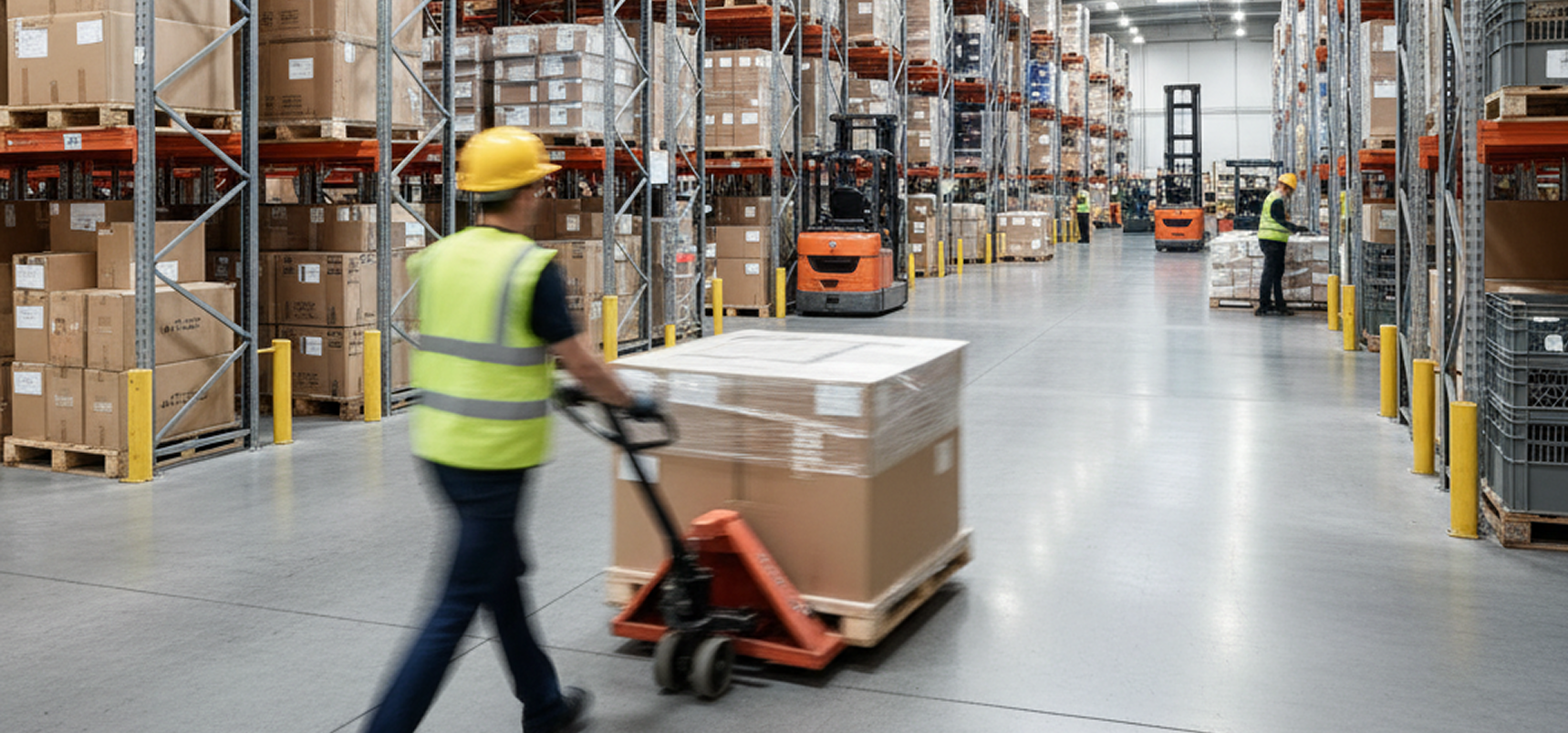
Warehouse lease rates in Delhi average around Rs 21–22.5 per sq ft per month, with modern Grade A facilities offering advanced infrastructure and connectivity for industries like e-commerce, 3PL, FMCG, and auto.
Major Warehouse Districts
KMP (Kundli-Manesar-Palwal) Expressway, NH-48 corridor, Badli, Bhaproda, Luhari, Mohan Co-operative, Mahipalpur, Mathura Road, Samalka, Okhla, Najafgarh, GT Karnal Road, Shahzada Bagh, Bamnoli, Kapashera, Dadri-Noida-Ghaziabad, Manesar-Bawal, Khushkhera-Bhiwadi-Neemrana, Greater Noida, Faridabad, Sonipat, Bilaspur-Tauru-Sohna Road, Jamalpur-Panchgaon, Dharuhera.
Last-Mile Delivery Infrastructure
Delhi’s last-mile delivery infrastructure consists of a rapidly growing network of distribution hubs, delivery vehicles (increasingly electric), and digital platforms for route optimization and real-time tracking, supported by government policies promoting electrification to reduce emissions and improve efficiency.
Automation and Technology Adoption
Warehouse automation in Delhi is rapidly advancing, with widespread adoption of robotics, AI, and digital technologies to boost efficiency and meet growing logistics demands.
Cold Storage and Specialty Warehousing
Cold storage and specialty warehousing facilities in Delhi offer temperature-controlled environments for storing perishable goods, including chilled, frozen, and ambient storage, with services such as inventory management, order picking, cross-docking, and customized solutions for various industries.
Supply Chain Analysis
Key Industries
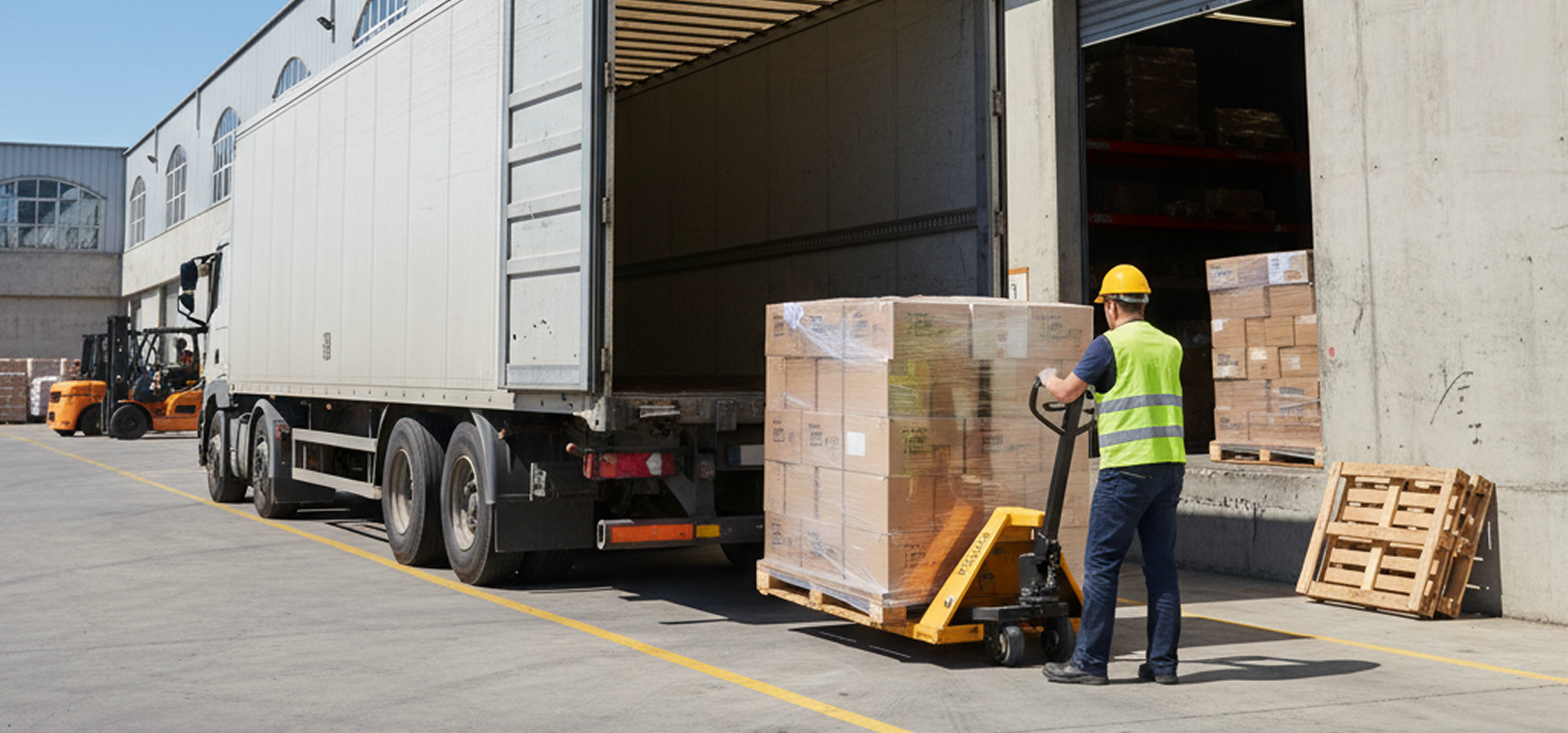
Key industries and economic sectors in Delhi include services (information technology, telecommunications, banking, media, tourism, retail, real estate, education, health), manufacturing (food products, leather, motor vehicles, chemicals, metal products), construction, logistics, and processed food.
Major Logistics Providers
Delhivery, Blue Dart Express, Safexpress, Gati Limited, DTDC Express, TCI Express, XpressBees, India Post, VRL Logistics, DHL Express, AAJ Supply Chain Management, AWL India Pvt. Ltd., Wheel India, Alpha KKC Logistics, OmTrans Logistics Ltd., Transware Shipping And Logistics, Professional Logistics, Ocean Pride Logistics India, Glaucus, Adroit Shipping, Ecom Express, Mahindra Logistics, Holisol Logistics Pvt. Ltd., Allcargo Logistics, WareIQ, Watsoo.
Import/Export Volumes and Trading Partners
Delhi’s import and export volumes are not separately reported from national figures, but as India’s capital and a major trading hub, its key trading partners include China, the United States, the United Arab Emirates, and Russia, with primary exports such as engineering goods, electronics, and pharmaceuticals, and imports dominated by electronics, machinery, and petroleum products.
Supply Chain Resilience
Supply chain resilience in Delhi is challenged by supplier concentration, limited flexibility, and exposure to disruptions, with key risk factors including supplier dependency, lack of agility, and insufficient diversification.
Local Manufacturing Capabilities
Delhi has diverse local manufacturing capabilities, with major industrial areas producing consumer goods, engineering products, electronics, textiles, and automotive components.
Industry Clusters
The main industry clusters in Delhi include cosmetics and packaging, dall and besan mills, printing and packaging, pottery, textiles, leather goods, electronics, IT and knowledge-based industries, and science and technology innovation.
Competitive Advantages
Delhi’s key competitive advantages as a logistics/business hub are its strategic location, robust connectivity, advanced infrastructure, proximity to major consumer and industrial markets, and a diverse skilled workforce.
Infrastructure Assessment
Detailed evaluation of Delhi's infrastructure quality, investment projects, utility systems, and environmental considerations for strategic planning.
Quality and Capacity
Delhi’s infrastructure features extensive highways and expressways with ongoing improvements in quality and capacity, but faces challenges of congestion and maintenance, prompting new government initiatives for higher standards and corridor-based development.
Planned Investments
Delhi’s planned infrastructure investments focus on expanding highways, expressways, digital connectivity, freight corridors, and airport capacity, alongside urban development and service upgrades to support economic growth and improve livability.
Utilities Reliability and Costs
Delhi’s utility infrastructure features a modernized power grid with high per-capita electricity consumption, a complex water supply system facing periodic shortages, and widespread internet connectivity with expanding broadband and fiber networks.
Environmental Factors
Key environmental factors affecting logistics in Delhi include severe air pollution from vehicular emissions, traffic congestion, inadequate public transport, and government policies promoting cleaner technologies and decentralized warehousing.
