Dhaka
Dhaka's infrastructure quality is poor, characterized by severe traffic congestion, inadequate public services, frequent flooding, and strained water and sanitation systems.
10.210.2 M+
Population
306306 km²
Area
34,00034,000 /km²
Density
Growth Trends
717.2K
The projected net population growth in Dhaka for 2024 is 717,200.
Working-Age Population
65.7%
58% of the global population is of working age, with lower-middle income economies driving most of the growth in this group.
Employment Rates
Key industries include telecommunications, pharmaceuticals, consumer goods, and energy, with major corporations like Grameenphone, Square Pharmaceuticals, PRAN-RFL, and Summit Power playing significant roles.
Educational Attainment
Tertiary attainment among young adults aged 25-34 in Japan increased from 62% in 2019 to 66% in 2024, placing it among top OECD nations.
Foreign Residents
The average income for foreign residents in Dhaka is not specified in available data.
Ethnic Composition
Foreign residents in Dhaka surpassed 1 million in 2024, making up about 4% of the city population, with largest groups from Myanmar, Malaysia, China, Indonesia, and Laos.
Commuting
The Dhaka metropolitan area has extensive commuting patterns with millions of people traveling daily, primarily by rail, with over 400,000 using the metro daily.
Migration Patterns
717,200
Average Income
95K
The average annual income in Dhaka is about 1.6 million yen, though more than half earn less than this amount.
Transportation & Logistics Overview
Warehousing & Fulfillment Landscape

Space and Vacancy Rates
The search results do not contain specific warehouse space vacancy rates for Dhaka.
Lease Rates and Warehouse Classes
Warehouse lease rates in Dhaka typically range from Tk 17,000 to Tk 475,000 per month depending on size and location, with classes varying from basic storage spaces to larger, modern facilities.
Major Warehouse Districts
Tejgaon, Tongi, Savar, Gazipur, Uttara, and Narayanganj are the major warehouse and logistics districts in Dhaka.
Last-Mile Delivery Infrastructure
Dhaka’s last-mile delivery infrastructure is characterized by severe traffic congestion, poor road and address systems, high population density, and reliance on motorbikes and small vehicles to navigate narrow, crowded urban areas.
Automation and Technology Adoption
Warehouse automation and technology adoption in Dhaka is growing, with businesses increasingly implementing warehouse management software, automated picking systems, and digital tools to improve inventory tracking, reduce errors, and speed up deliveries.
Cold Storage and Specialty Warehousing
Cold storage and specialty warehousing facilities in Dhaka are climate-controlled buildings designed for the preservation and distribution of perishable goods, featuring advanced temperature and humidity management systems, multi-story structures to address space constraints, and specialized zones for different types of produce and products.
Supply Chain Analysis
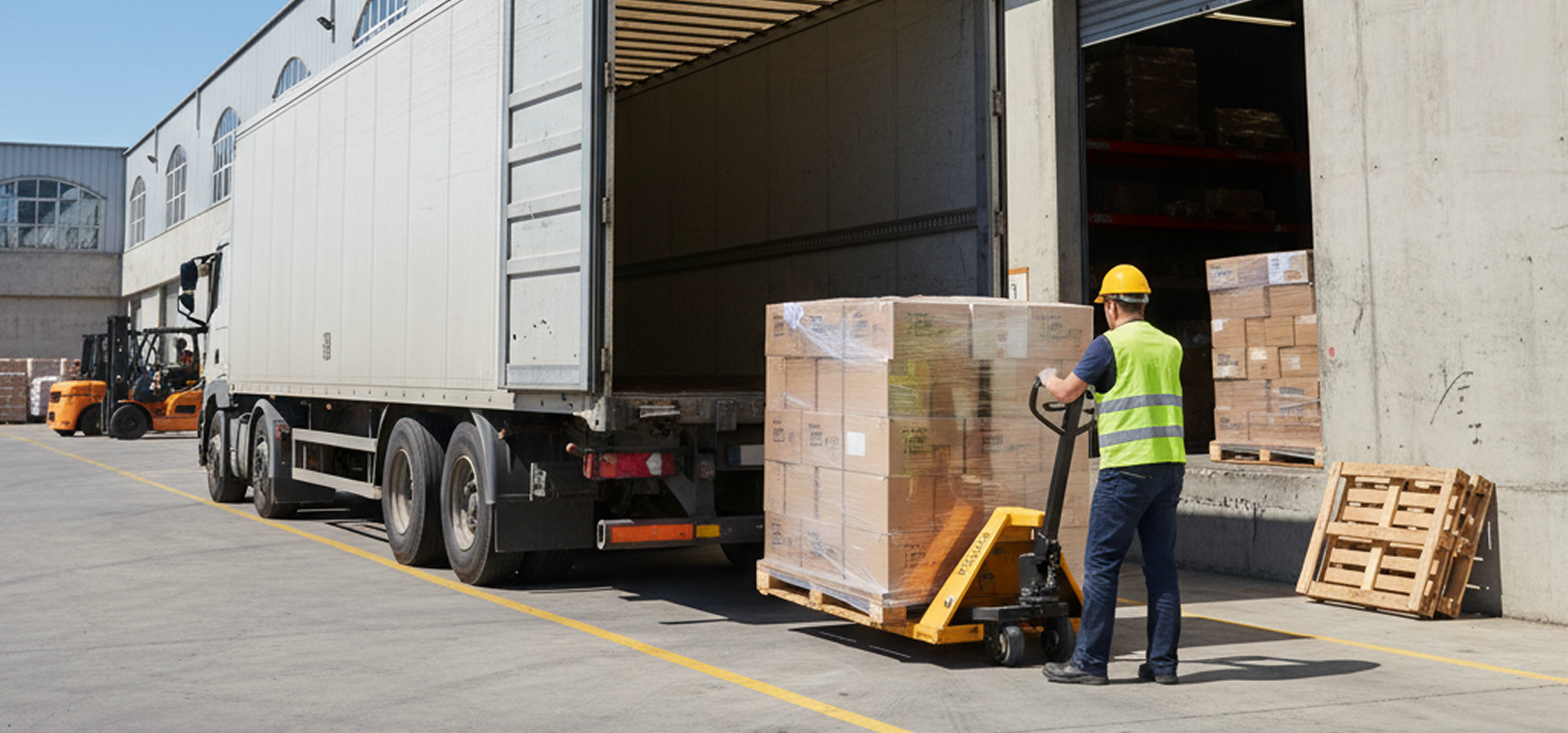
Key Industries
Key industries and economic sectors in Dhaka include textiles and garments, finance and banking, trade and commerce, information technology, telecommunications, real estate, construction, pharmaceuticals, and services.
Major Logistics Providers
Crown Logistics Ltd., Sail Logistics Ltd., Khan Logistics Ltd., A.H.Khan & Co., 3i LOGISTICS Group, Marvel Freight Ltd., Winux Cargo, Fire Power Logistics, Victoria Agency Logistics Service.
Import/Export Volumes and Trading Partners
Dhaka’s import volume was 696.31 BDT billion and export volume was 484.73 BDT billion in July 2025, with key trading partners including China, India, the US, and the EU.
Supply Chain Resilience
Supply chain resilience in Dhaka is challenged by external risks such as natural disasters, political instability, and infrastructure limitations, requiring enhanced flexibility, visibility, and diversified sourcing to mitigate frequent disruptions.
Local Manufacturing Capabilities
Dhaka’s local manufacturing capabilities are centered on ready-made garments, textiles, and basic consumer goods, with limited capacity in advanced machinery and high-value product sectors.
Industry Clusters
Major industry clusters in Dhaka include ready-made garments, textiles, light engineering, plastics, electronics, metalworking, leather goods, handloom and specialized textiles, handicrafts, printing and publication, healthcare services, and agro-processing.
Competitive Advantages
Dhaka’s key competitive advantages as a logistics/business hub are its strategic location near major industrial clusters, rapid infrastructure upgrades (like Padma Bridge and expressways), booming e-commerce, and government-backed trade facilitation and policy reforms.
Infrastructure Assessment
Detailed evaluation of Dhaka's infrastructure quality, investment projects, utility systems, and environmental considerations for strategic planning.
Quality and Capacity
Dhaka's infrastructure quality and capacity are severely lacking, scoring a dismal 26.8 out of 100, with significant issues in road networks, public transport, water provision, and telecommunications.
Planned Investments
Dhaka is planning major infrastructure investments including new mass rapid transit lines, elevated expressways, and expanded special economic zones, with nearly $1 billion in recent investment proposals and ongoing feasibility studies for urban transport and connectivity projects.
Utilities Reliability and Costs
Dhaka’s utility infrastructure is undergoing major upgrades, with electricity and gas networks being expanded and modernized to improve reliability and capacity, while water and internet services are also being developed to meet the needs of the rapidly growing urban population.
Environmental Factors
Key environmental factors affecting logistics in Dhaka include severe traffic congestion, high carbon emissions, air and water pollution, and increased waste generation, all exacerbated by rapid urbanization and inefficient infrastructure.
