Dongguan
Dongguan has modern, high-quality infrastructure with ongoing investments in transportation, industrial parks, and urban development, supporting strong connectivity and economic growth.
10.510.5 M+
Population
2,4652,465 km²
Area
4,2884,288 /km²
Density
Growth Trends
97.7K
The projected net population growth in Dongguan for 2024 is 97,710.
Working-Age Population
69.7%
67% of the global population is of working age, with this proportion expected to decline in developed regions over time.
Employment Rates
Key industries include electronics, electrical machinery, and high-end equipment manufacturing, with major corporations like Huawei, OPPO, and vivo playing significant roles.
Educational Attainment
Tertiary attainment among young adults aged 25-34 in OECD countries increased from 45% in 2019 to 48% in 2024 placing it among top OECD nations.
Foreign Residents
The average income for foreign residents in Dongguan is about 630,000 yen with 50% earning less.
Ethnic Composition
Foreign residents in Dongguan surpassed 0.1 million in 2024, making up about 1.2% of the city population, with largest groups from Vietnam, Cambodia, Indonesia, and South Korea.
Commuting
Over 128,000 daily rail trips in Dongguan are primarily for commuting, with peak flows concentrated at central stations such as Hongfu Road, Humen, and Dongcheng, reflecting strong suburban-to-central work travel.
Migration Patterns
Dongguan continues to attract residents from other regions with a net inflow of 85,000 people in 2024.
Average Income
316K
The average annual income in Dongguan is about 630,000 yen, though more than half earn less than this amount.
Transportation & Logistics Overview
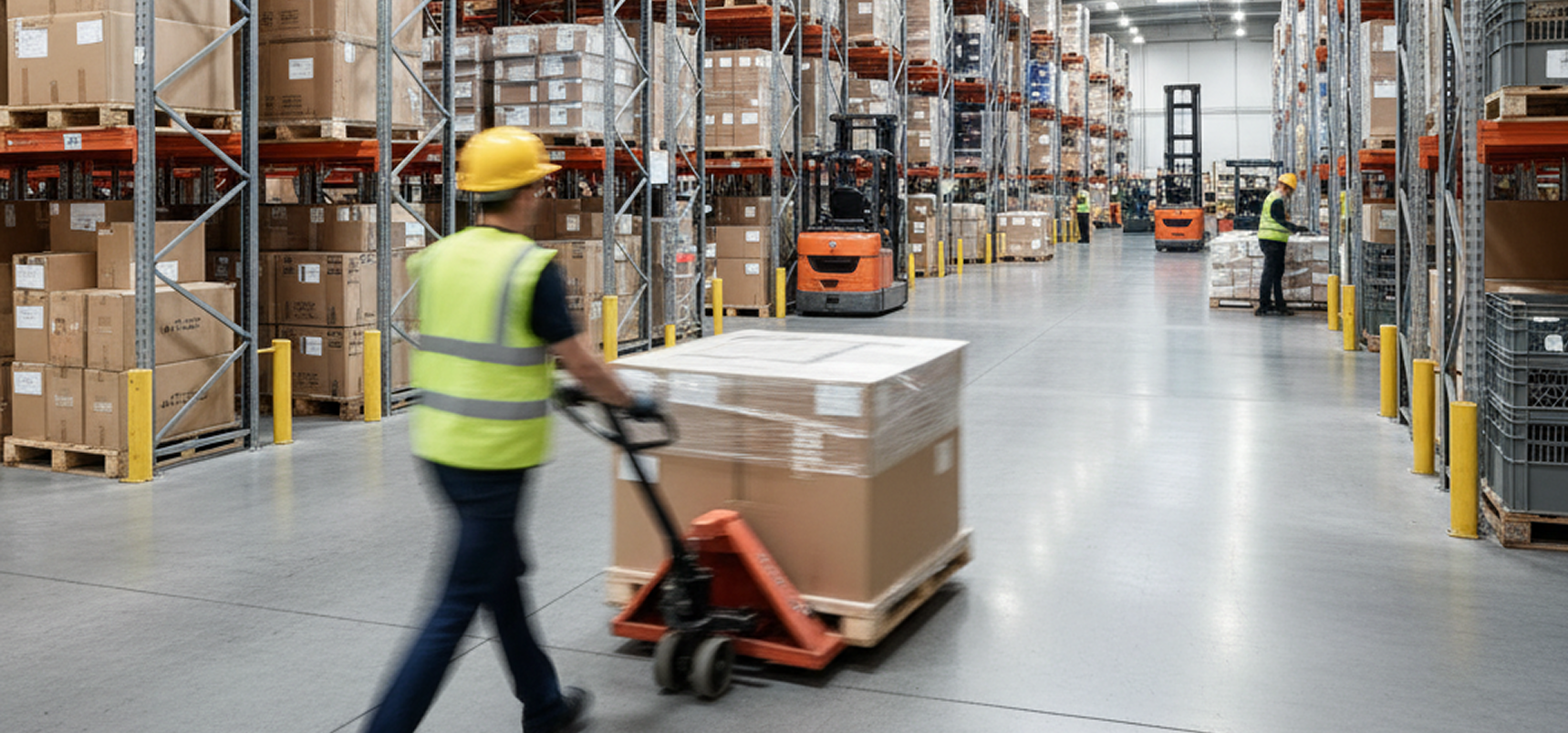
Warehousing & Fulfillment Landscape
Space and Vacancy Rates
17.8%
Lease Rates and Warehouse Classes
Warehouse lease rates in Dongguan typically range from ¥18 to ¥65 per square meter per month, with classes varying by location, size, and amenities.
Major Warehouse Districts
Shatian District, Shipai Town, Hongmei Town, Humen Port.
Last-Mile Delivery Infrastructure
Dongguan’s last-mile delivery infrastructure features integrated smart fulfillment centers, automated sorting facilities, and local delivery stations that enable rapid, efficient, and environmentally friendly package distribution to homes and businesses.
Automation and Technology Adoption
Dongguan has become a major hub for warehouse automation with JD's "Asia No. 1" smart logistics center featuring 78 stacking machines, over 800 sorting conveyors, and extensive robotics handling 1.6 million orders daily across half a million square meters.
Cold Storage and Specialty Warehousing
Dongguan cold storage and specialty warehousing facilities feature advanced refrigeration technologies, automated storage and retrieval systems, and large-scale smart warehouses serving logistics, food, and e-commerce sectors.
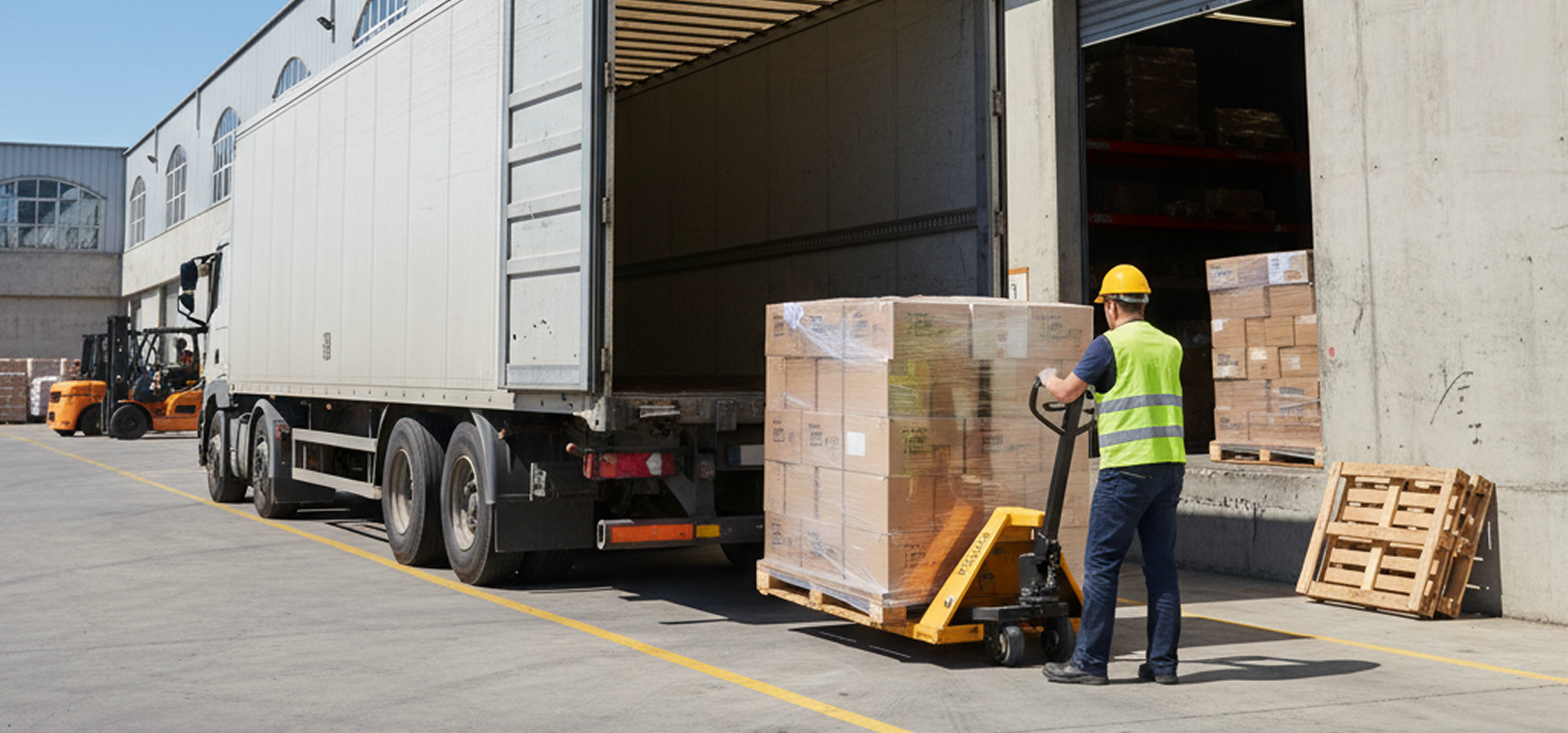
Supply Chain Analysis
Key Industries
Electronics and information technology, high-end equipment manufacturing, intelligent manufacturing, new energy, new materials, biomedicine, machinery, food and beverage processing, paper products, textiles and garments, toys, furniture, chemicals, packaging, and advanced services like software, e-commerce logistics, and scientific research.
Major Logistics Providers
SZCG Logistics, Dongguan Debang Freighting, Dongguan Feiliks SCM, Dongguan LYD SCM, Linktrans Logistics, Dongguan Dingchi International Freight Forwarding
Import/Export Volumes and Trading Partners
Dongguan's import and export volume reached 1.13 trillion RMB from January to October 2025, with key trading partners including the European Union, ASEAN, India, the Middle East, Latin America, and Central Asia.
Supply Chain Resilience
Dongguan maintains strong supply chain resilience through specialized manufacturing ecosystems and diversification strategies, but faces ongoing risks from trade tensions, tariff impacts, and geopolitical disruptions that require continuous adaptation.
Local Manufacturing Capabilities
Dongguan is a globally influential manufacturing hub with advanced, diversified capabilities spanning electronics, consumer goods, rapid prototyping, and precision machining, supported by a dense network of suppliers and cutting-edge facilities.
Industry Clusters
Dongguan's main industry clusters include electronic information (smartphones and consumer electronics), high-end equipment manufacturing, new materials, new energy (lithium batteries and hydrogen), machinery, textiles and garments, food processing, and paper making.
Competitive Advantages
Strategic location in the Greater Bay Area, advanced logistics infrastructure, strong manufacturing base, extensive expressway network, cost-effective shipping, and seamless connectivity with Hong Kong and global markets.
Infrastructure Assessment
Detailed evaluation of Dongguan's infrastructure quality, investment projects, utility systems, and environmental considerations for strategic planning.
Quality and Capacity
Dongguan's infrastructure quality and capacity are robust, with a strong focus on modernizing its industrial system and enhancing its business environment to support sustained economic growth.
Planned Investments
Dongguan is planning major infrastructure investments including 90 projects with an annual planned investment of 25.58 billion yuan, focusing on metro expansion, highways, urban construction, environmental protection, and smart city initiatives.
Utilities Reliability and Costs
Dongguan features modern and reliable utility infrastructure, with widespread access to electricity, water, and high-speed internet, supported by digitalized government services and ongoing investment in advanced technology and connectivity.
Environmental Factors
Key environmental factors affecting logistics in Dongguan include transportation infrastructure quality, sustainable packaging initiatives, adoption of new energy vehicles, and integration of smart technology to reduce environmental impact.
