Fukuoka
Fukuoka’s infrastructure quality is high, featuring integrated transport hubs, efficient water management, and compact, well-planned urban development.
1.71.7 M+
Population
343343 km²
Area
4,5164,516 /km²
Density
Growth Trends
11,792
The projected net population growth in Fukuoka City for 2024 is 12,521.
Working-Age Population
58.8%
67% of the global population is of working age, with this share expected to decline in developed regions over the coming decades.
Employment Rates
Key industries include automobile manufacturing, biotechnology, energy, and electronics, with major corporations like Nissan Motor Kyushu, Toyota Motor Kyushu, and Daihatsu Kyushu playing significant roles.
Educational Attainment
Tertiary attainment among young adults aged 25-34 in OECD countries increased from 45% in 2019 to 48% in 2024, placing it among the top OECD nations.
Foreign Residents
The average income for foreign residents in Fukuoka is about 2.8 million yen with 50% earning less.
Ethnic Composition
Foreign residents in Fukuoka surpassed 67,000 in 2024, making up about 3% of the city population, with the largest groups from China, Vietnam, Korea, the Philippines, and Brazil.
Commuting
Fukuoka’s metropolitan area, with a population of 1.6 million, sees hundreds of thousands commuting daily—mainly by rail—from suburbs and residential districts into the city center for work.
Migration Patterns
Fukuoka continues to attract residents from other regions with a net inflow of 8,829 people in 2024.
Average Income
4M
The average annual income in Fukuoka is about 6.2 million yen though more than half earn less than this amount.
Transportation & Logistics Overview
Warehousing & Fulfillment Landscape
Space and Vacancy Rates
3.3%
Lease Rates and Warehouse Classes
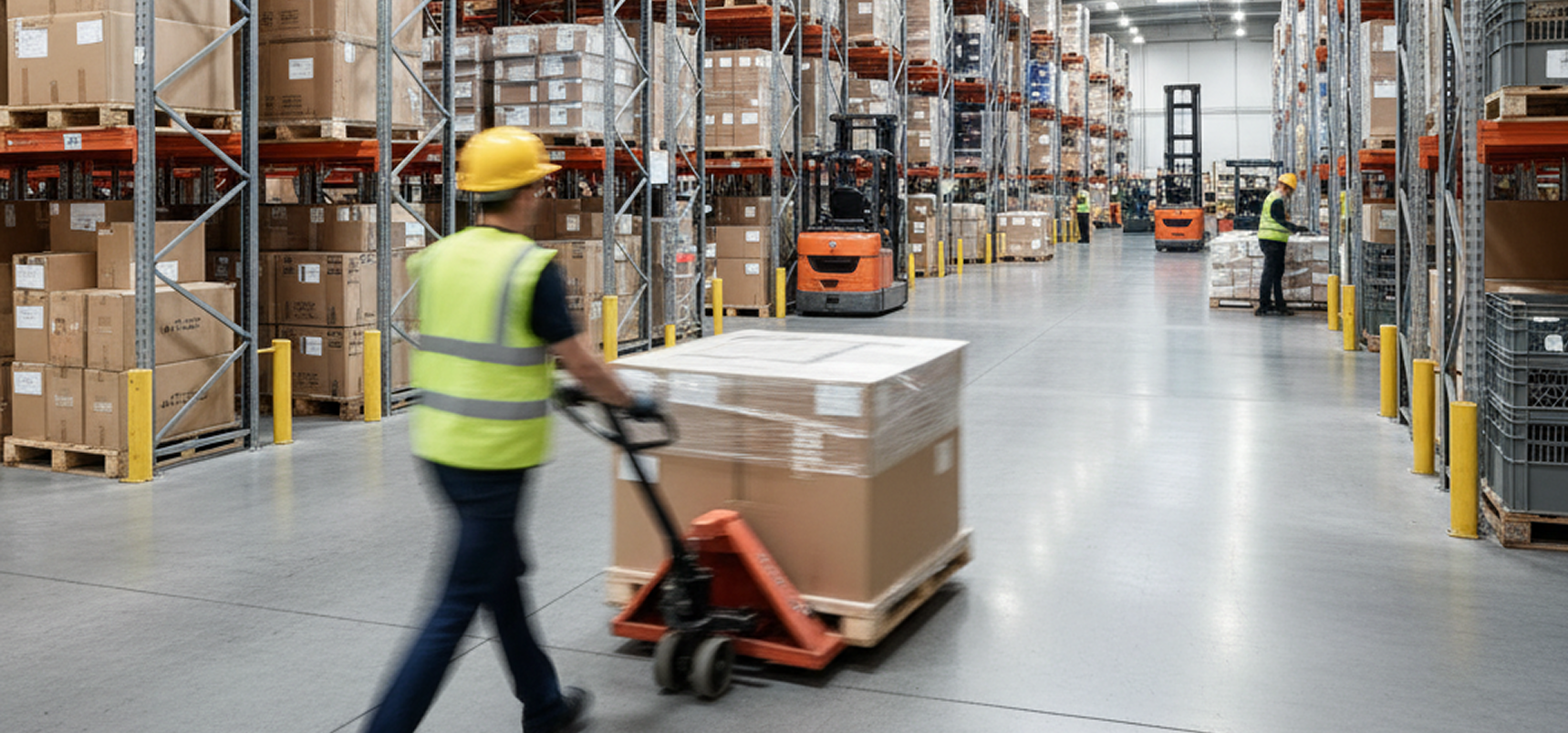
Warehouse lease rates in Fukuoka typically range from 2,500 to 4,000 yen per tsubo per month, with most facilities classified as standard logistics warehouses.
Major Warehouse Districts
Hakozaki Pier, Kashii General Logistic Center, Hakozaki General Logistic Center, Higashihama Logistic Center, Susaki Silo, Fukuoka Logistics Center, Fukuoka Central DC, Central Pier Warehouse, Hakozaki East Office.
Last-Mile Delivery Infrastructure
Fukuoka’s last-mile delivery infrastructure features advanced logistics hubs near expressways and ports, improved urban expressway connections to the airport, and is adopting new technologies like delivery robots to address efficiency and labor challenges.
Automation and Technology Adoption
Warehouse automation in Fukuoka is advancing rapidly with the adoption of robotics, automated guided vehicles, AI-driven systems, and real-time data technologies to improve logistics efficiency and address labor shortages.
Cold Storage and Specialty Warehousing
Cold storage and specialty warehousing facilities in Fukuoka offer large-scale, state-of-the-art refrigerated and frozen storage with advanced management systems, high capacity, and services including bonded warehousing, distribution processing, and freight forwarding for diverse customer needs.
Supply Chain Analysis
Key Industries
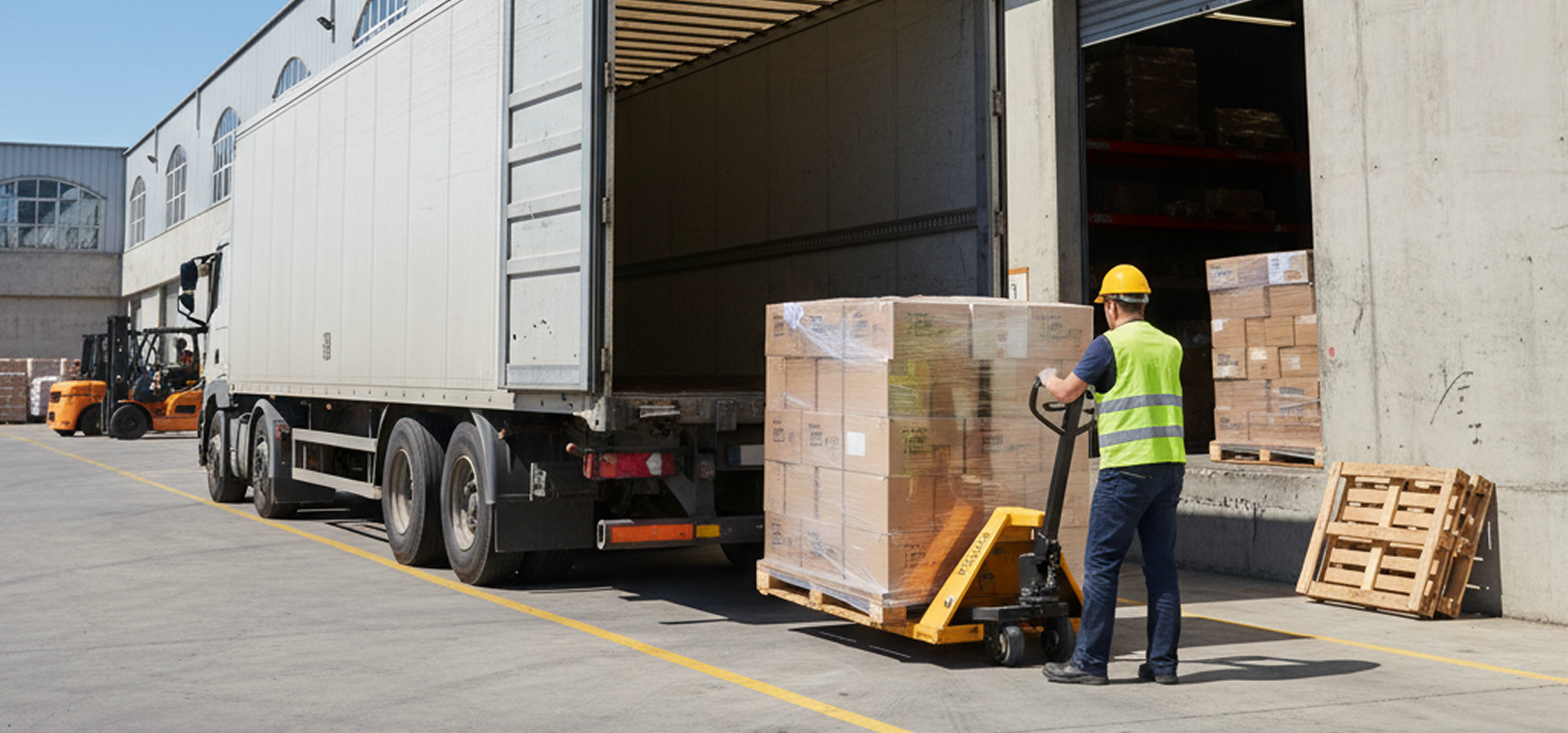
Automobile manufacturing, biotechnology, steel, coal, chemicals, foodstuffs, agriculture, forestry, fisheries, energy (hydrogen and wind), service sector, logistics, IT, high-tech manufacturing, and startups.
Major Logistics Providers
Yamato Logistics, Sagawa Express, Nippon Express, Japan Post, FedEx, UPS, DHL, Fukuoka Jisho, Matsuoka Co., Ltd., Mainami Holdings (Fukuoka Fuel Logistics).
Import/Export Volumes and Trading Partners
Fukuoka's export volume is led by shipments of trucks, with key trading partners including the United Kingdom, Philippines, and Chile; recent data shows 54 export shipments valued at approximately $625,000, with no recorded imports.
Supply Chain Resilience
Fukuoka’s supply chain resilience in 2025 is shaped by exposure to geopolitical and climate risks, reliance on global chokepoints, and the need for diversified sourcing and agile logistics to mitigate disruptions.
Local Manufacturing Capabilities
Fukuoka has advanced local manufacturing capabilities in automobiles, biotechnology, and cosmetics, with major auto assembly plants, biotech clusters, and high-capacity, high-tech skincare factories serving both domestic and Asian markets.
Industry Clusters
Automobile manufacturing, biotechnology, digital content and gaming, international finance, hydrogen and renewable energy, and agriculture are the main industry clusters in Fukuoka.
Competitive Advantages
Fukuoka’s key competitive advantages as a logistics/business hub are its strategic proximity to East Asia, excellent multi-modal transport infrastructure (including two international airports and major ports), high business start-up rate, resilient and business-friendly environment, and rapid growth in logistics demand and facility development.
Infrastructure Assessment
Detailed evaluation of Fukuoka's infrastructure quality, investment projects, utility systems, and environmental considerations for strategic planning.
Quality and Capacity
Fukuoka’s infrastructure quality and capacity are considered high, with efficient water management, robust urban services, and ongoing upgrades driven by strong governance and innovative investment principles.
Planned Investments
Major infrastructure investments in Fukuoka include the Tenjin Big Bang urban redevelopment, expansion of the Nanakuma subway line, large-scale data center projects, and initiatives to enhance transportation, commercial, and digital infrastructure.
Utilities Reliability and Costs
Fukuoka has a modern utility infrastructure with reliable electricity (100V/60Hz, supplied by Kyushu Electric Power), extensive water supply sourced from rivers, dams, and a major desalination plant, and widespread internet connectivity.
Environmental Factors
Key environmental factors affecting logistics in Fukuoka include flood risk, urban heat island effects, air pollution (such as PM2.5 and yellow sand), waste management requirements, and the need for disaster-resilient infrastructure.
