Guadalajara
Guadalajara has modern industrial and transport infrastructure with extensive facilities and public transit, but faces challenges in coordination and long-term urban mobility planning.
1.41.4 M+
Population
151151 km²
Area
10,36110,361 /km²
Density
Growth Trends
77K
The projected net population growth in Guadalajara for 2024 is 0.7%.
Working-Age Population
67.4%
67% of the global population is of working age, though this share is projected to decline in many regions by 2050.
Employment Rates
Key industries include electronics manufacturing, information technology, automotive, and textiles, with major corporations like Foxconn, Intel, IBM, and Flex playing significant roles.
Educational Attainment
Tertiary attainment among young adults aged 25-34 in Germany increased from 33% in 2019 to 40% in 2024, placing it among top OECD nations.
Foreign Residents
Foreign residents data not available
Ethnic Composition
Foreign residents in Guadalajara surpassed 0.1 million in 2024, making up about 2% of the city population, with the largest groups from the United States, Canada, Spain, and Colombia.
Commuting
The Guadalajara metropolitan area sees over 1.1 million people commuting daily from surrounding municipalities into central Guadalajara, mainly by bus, with rail accounting for a smaller share.
Migration Patterns
Guadalajara continues to attract residents from other regions with a net inflow of
Average Income
12K
The average annual income in Guadalajara is about 539,700 yen, though more than half earn less than this amount.
Transportation & Logistics Overview
Warehousing & Fulfillment Landscape
Space and Vacancy Rates
3.4%
Lease Rates and Warehouse Classes
Warehouse lease rates in Guadalajara typically range from MXN $14,000 to $165,000 per month, with options spanning basic to premium industrial classes.
Major Warehouse Districts
ProximityParks Guadalajara Centro, El Ruiseñor Industrial Park, Arrayanes (Tlajomulco de Zuñiga), Periférico Sur, El Salto.
Last-Mile Delivery Infrastructure
Last-mile delivery infrastructure in Guadalajara is supported by facilities like ProximityParks Guadalajara Centro, which enhances urban logistics with proximity to consumer areas, and companies like 99 Minutos offering fast delivery options.
Automation and Technology Adoption
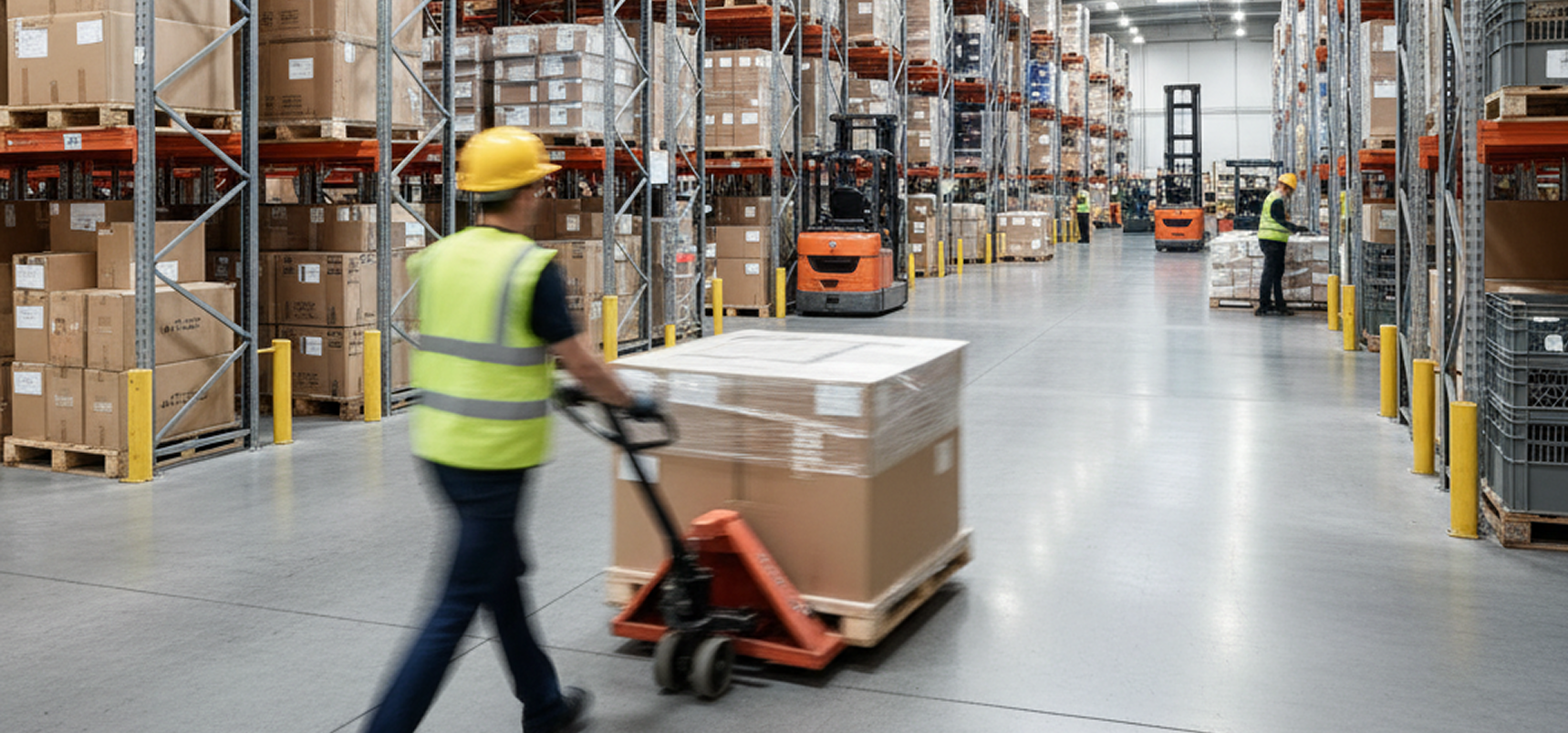
Warehouse automation in Guadalajara is rapidly advancing, with major companies adopting automated storage and retrieval systems, AI-driven inventory management, and robotics to boost efficiency, accuracy, and digital integration in logistics operations.
Cold Storage and Specialty Warehousing
Guadalajara features modern temperature-controlled warehousing facilities including Emergent Cold LatAm's new 30,000 square meter facility with 12,000 pallet positions and CFI Perishables' refrigerated space offering electronic temperature control from 0°C to 16°C with over 4,800 cubic meters of refrigerated storage and 1,100 cubic meters for frozen cargo.
Supply Chain Analysis
Key Industries
Electronics manufacturing, automotive, aerospace, software and IT, food processing, tequila and agave products, molding and plastics, real estate, commerce, and medical technology.
Major Logistics Providers
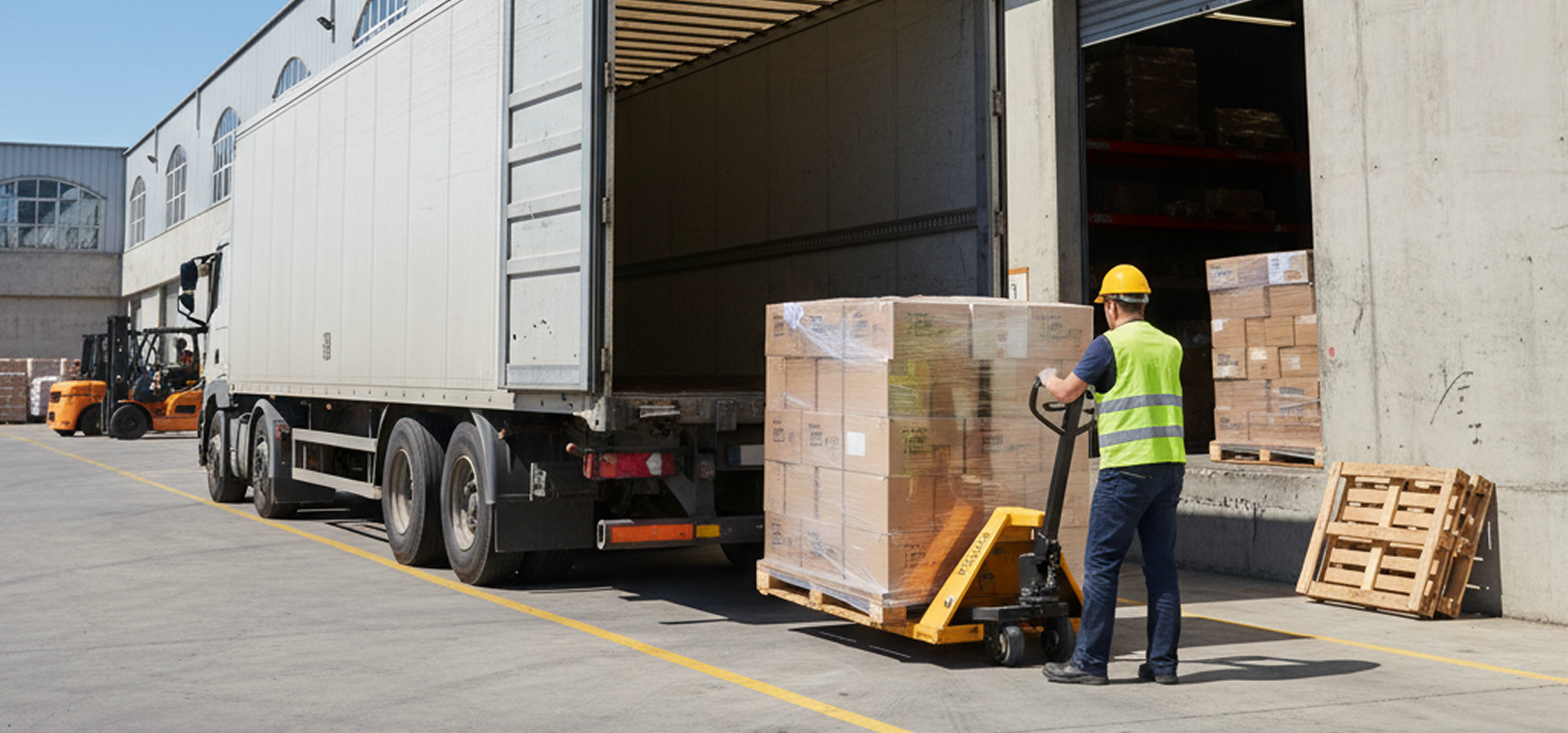
Cubbo, Fulfillment Express Guadalajara, Logística Integral GDL, Almacén y Envíos GDL, Red logística del Bajío, Centro Logístico Occidente, Envío Seguro GDL, Fulfillment 360, Occidente Fulfillment Partners, Logística Rápida MX, Omni Logistics, GEODIS, Sheer Logistics, AGT Solutions, Anmar Logistics, Apex Forwarding, Gruas y Equipos Garcia, Iungo, Sea Cargo Logistics SA de CV, TJ Logistics.
Import/Export Volumes and Trading Partners
Guadalajara exported US$3.86 billion and imported US$7.39 billion in 2024, with key trading partners including the United States, Colombia, and Guatemala.
Supply Chain Resilience
Guadalajara’s supply chain resilience is strengthened by regional manufacturing hubs, robust infrastructure, and proximity to the U.S., but faces risk factors such as potential infrastructure limitations and security concerns.
Local Manufacturing Capabilities
Guadalajara is a major Mexican manufacturing hub specializing in electronics, automotive, medical devices, and advanced engineering, with world-class facilities and strong capabilities in high-tech, high-mix production and innovation.
Industry Clusters
The main industry clusters in Guadalajara are electronics manufacturing, information technology, automotive electronics, molding and plastics, and food and beverage processing.
Competitive Advantages
Guadalajara’s key competitive advantages as a logistics/business hub are its strategic location with direct access to the Port of Manzanillo, robust highway and rail infrastructure connecting to major U.S. markets, extensive modern industrial parks, and a mature, dynamic industrial real estate market.
Infrastructure Assessment
Detailed evaluation of Guadalajara's infrastructure quality, investment projects, utility systems, and environmental considerations for strategic planning.
Quality and Capacity
Guadalajara has a comprehensive multi-modal transport system with 233 bus routes, two BRT corridors, three light rail lines, four trolleybus lines, and a public bicycle system, though it lacks integrated monitoring systems and faces financing limitations for infrastructure expansion.
Planned Investments
Guadalajara is investing in major infrastructure projects including a new light rail line (Line 4), expansion of the Peribús BRT system, airport upgrades, road improvements, new industrial parks, and urban renewal initiatives to support transportation, industry, and livability.
Utilities Reliability and Costs
Guadalajara has a robust utility infrastructure, including a major natural gas pipeline supplying power plants, reliable municipal water and wastewater systems, and widespread internet coverage with multiple providers.
Environmental Factors
Key environmental factors affecting logistics in Guadalajara include air pollution regulations, low-emission zones, sustainable mobility initiatives, and infrastructure changes aimed at reducing greenhouse gas emissions and improving road safety.
