Guangzhou
Guangzhou has advanced, comprehensive infrastructure with extensive public transit, modernized roads, and ongoing large-scale investments in transportation, cultural facilities, and urban development.
1414 M+
Population
7,4347,434 km²
Area
2,0002,000 /km²
Density
Growth Trends
288.6K
The projected net population growth in Guangzhou for 2024 is 151,000.
Working-Age Population
N/A
67% of the global population is of working age, though this share is projected to decline in coming decades.
Employment Rates
Key industries include electronics, automobiles, petrochemicals, and textiles, with major corporations like GAC Group, ZTE, and XPeng playing significant roles.
Educational Attainment
Tertiary attainment among young adults aged 25-34 in OECD countries increased from 45% in 2019 to 48% in 2024 placing it among top OECD nations.
Foreign Residents
The average income for foreign residents in Guangzhou is about with % earning less.
Ethnic Composition
Foreign residents in Guangzhou did not surpass 1 million in 2024, making up about BLANK% of the city population, with largest groups from Japan, Korea, and the United States.
Commuting
Guangzhou Metro transported 581 million passengers during the 62-day summer period with daily average of 9.37 million, while intercity lines served 86,000 daily trips.
Migration Patterns
Guangzhou continues to attract residents from other regions with a net inflow of 124,700 people in 2024.
Average Income
22K
The average annual income in Guangzhou is about 51,474 RMB (approximately 1.13 million yen), though more than half earn less than this amount.
Transportation & Logistics Overview
Warehousing & Fulfillment Landscape
Space and Vacancy Rates
14.7%
Lease Rates and Warehouse Classes
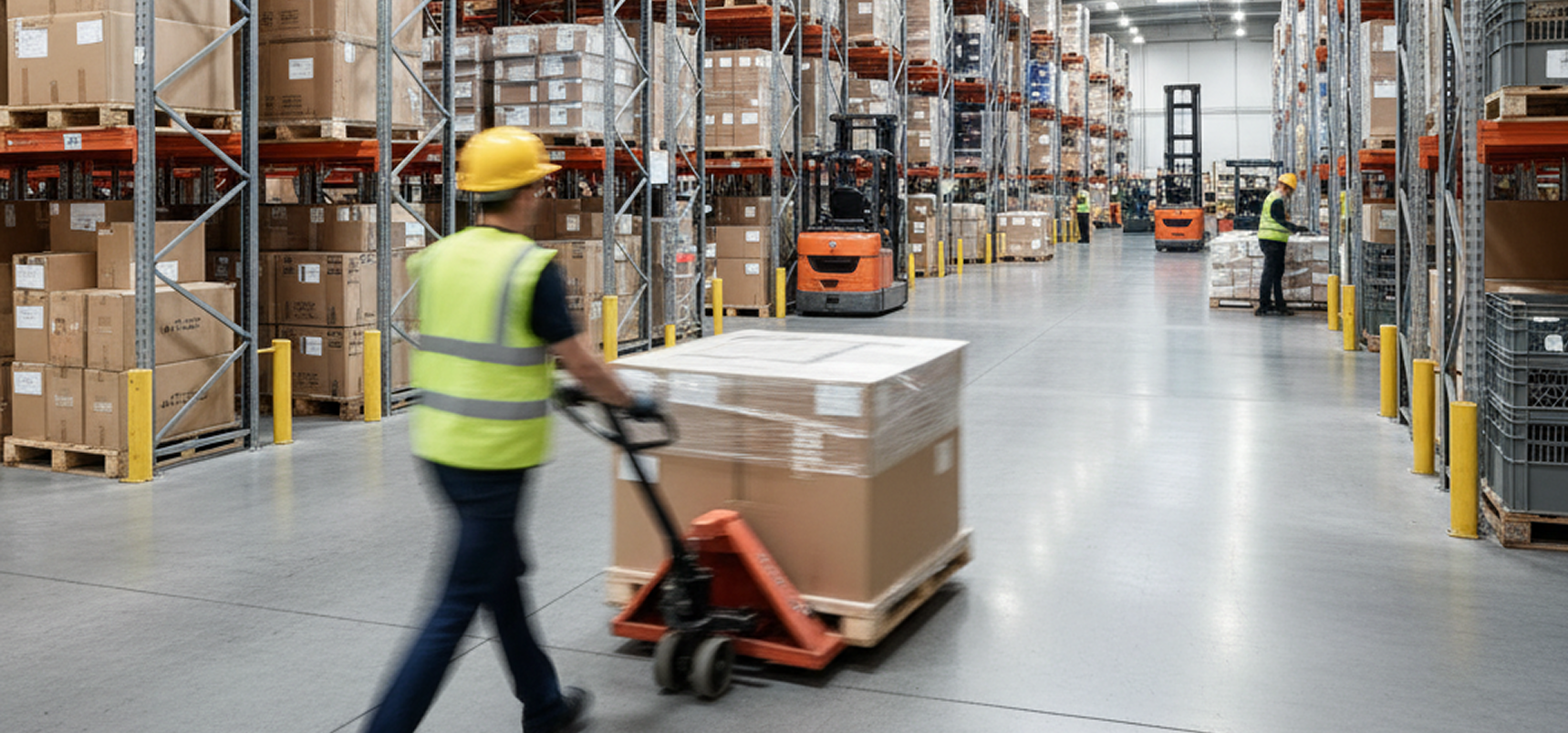
Warehouse lease rates in Guangzhou typically range from $5 to $15 per square meter per month, with facilities spanning various classes from basic storage to modern, high-spec warehouses offering flexible lease terms and advanced amenities.
Major Warehouse Districts
Zengcheng District (Guangzhou East Public Rail Transport Hub), Guangzhou Economic and Technological Development Zone, Nansha International Logistics Park.
Last-Mile Delivery Infrastructure
Guangzhou’s last-mile delivery infrastructure features smart logistics hubs, autonomous delivery vehicles, AI-powered routing, and extensive use of micro-vehicles and parcel lockers to support its booming e-commerce sector.
Automation and Technology Adoption
Warehouse automation in Guangzhou involves the integration of technologies like autonomous mobile robots, AI robotic arms, and digital twin solutions to enhance efficiency and streamline logistics operations.
Cold Storage and Specialty Warehousing
Guangzhou hosts some of China’s largest and most advanced cold storage and specialty warehousing facilities, including the Guangzhou Nansha International Logistics Center with a planned capacity of 460,000 tons and the Yuhu Cold Chain Trading Center offering 124,000 tons of storage, both featuring state-of-the-art temperature control, smart logistics systems, and integrated trading platforms.
Supply Chain Analysis
Key Industries
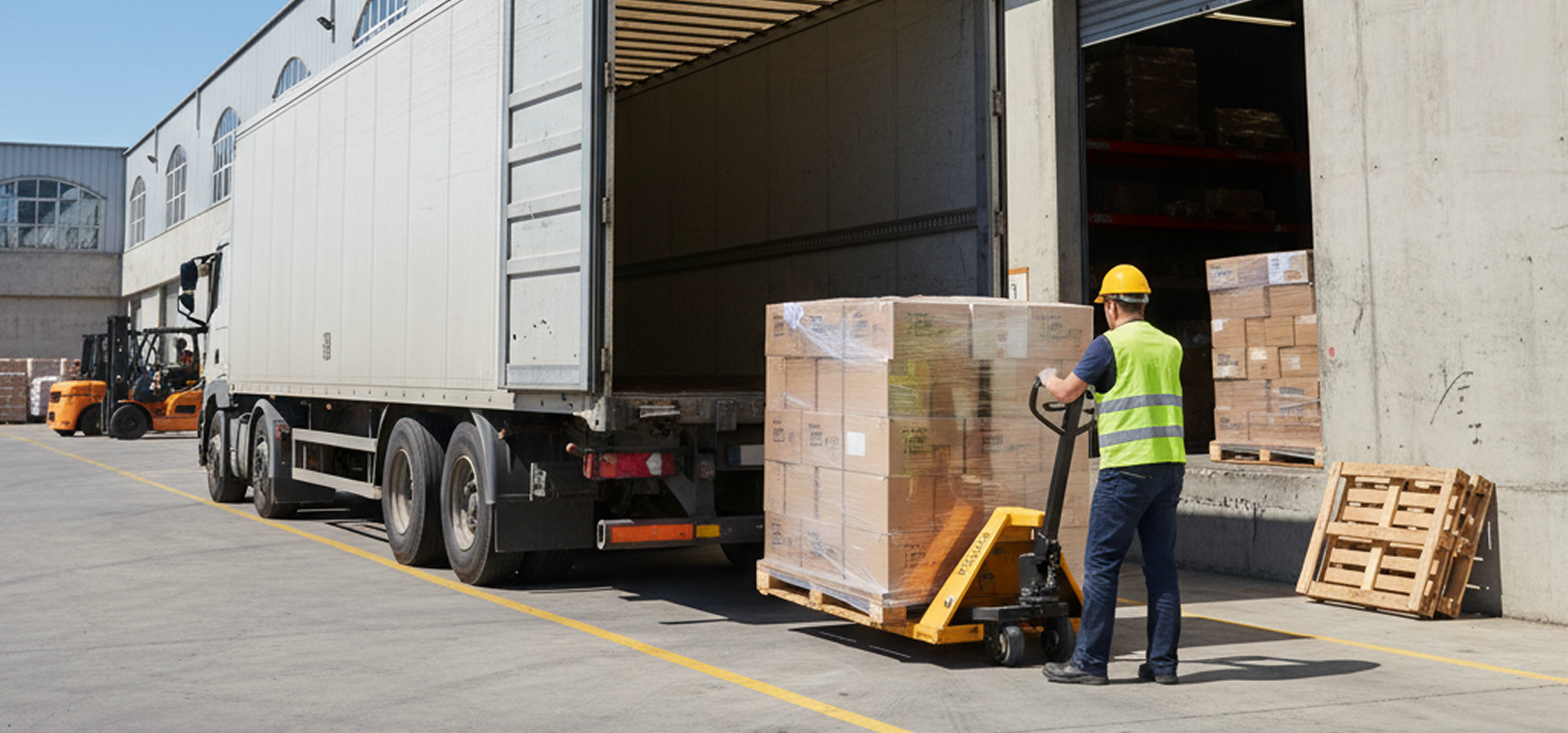
Key industries and economic sectors in Guangzhou include automobiles, electronics, petrochemicals, manufacturing (notably textiles), international trade, technology and innovation, financial services, real estate, and tourism.
Major Logistics Providers
Omni Logistics, Shengyu Freight, Guangzhou Ruicheng Freight Forwarding, SHENZHEN KAKO INTERNATIONAL FORWARDING, Elee China Logistics, Sinotrans, Guangzhou Xiyang Logistics, Dimerco Express Group, Bolloré Logistics, China Highwin Limited, Goldenway, Target Logistics, Egoal International Logistic
Import/Export Volumes and Trading Partners
Guangzhou achieved record foreign trade of 1.12 trillion yuan in 2024 with 3% growth, while the first half of 2025 saw 605.05 billion yuan with 15.5% surge, with key partners including the EU, ASEAN, and Belt and Road countries driving expansion.
Supply Chain Resilience
Guangzhou’s supply chain resilience in 2025 is strengthened by advanced infrastructure, digital integration, and flexible manufacturing, but faces ongoing risks from geopolitical shifts, resource constraints, and evolving global demand.
Local Manufacturing Capabilities
Guangzhou has extensive local manufacturing capabilities spanning electronics, textiles, automotive parts, machinery, furniture, and advanced sectors like biologics and semiconductors, supported by specialized industrial clusters and efficient logistics.
Industry Clusters
Guangzhou's main industry clusters include manufacturing (electronics, automobiles, petrochemicals), services (finance, real estate, trade), and emerging high-tech sectors (artificial intelligence, biopharmaceuticals, new energy).
Competitive Advantages
Strategic location in the Pearl River Delta, advanced port and airport infrastructure, integration with ASEAN supply chains, mature manufacturing base, government incentives, and leadership in smart logistics and e-commerce fulfillment.
Infrastructure Assessment
Detailed evaluation of Guangzhou's infrastructure quality, investment projects, utility systems, and environmental considerations for strategic planning.
Quality and Capacity
Guangzhou has advanced, large-scale infrastructure with ongoing investments in smart city systems, high-speed rail, expressways, and international port development, supporting strong capacity and high-quality urban services.
Planned Investments
Guangzhou has unveiled a CNY365.7 billion infrastructure plan for 2025 covering 905 key projects spanning power grid expansions, transportation systems, and public facilities, while Guangdong province plans 1 trillion yuan in construction investments across 1,500 projects.
Utilities Reliability and Costs
Guangzhou's utility infrastructure includes significant investments in power grid expansions, integrated underground utility corridors housing water supply pipes and high-voltage cables, and various initiatives to enhance urban management and resource utilization.
Environmental Factors
Guangzhou faces environmental challenges in logistics including air pollution from traffic and industrial emissions, water contamination affecting transportation routes, and unfavorable meteorological conditions with low wind speeds that limit pollutant dispersion.
