Hangzhou
Hangzhou has high-quality, modern infrastructure characterized by advanced smart city technologies, efficient public services, extensive green spaces, and well-designed transportation systems.
88 M+
Population
4,8764,876 km²
Area
00 /km²
Density
Growth Trends
102K
The projected net population growth in Hangzhou for 2024 is 102,000.
Working-Age Population
69.7%
67% of the world’s population is of working age, with regional variation—developed economies average 67% now, projected to fall to 59% by 2050.
Employment Rates
Key industries include electronics, IT, automotive, and pharmaceuticals with major corporations like Alibaba Group, Geely, and HikVision playing significant roles.
Educational Attainment
Tertiary attainment among young adults aged 25-34 in OECD countries increased from 45% in 2019 to 48% in 2024.
Foreign Residents
Foreign residents data not available
Ethnic Composition
Foreign residents in Hangzhou surpassed 0.2 million in 2024, making up about 2% of the city population, with the largest groups from South Korea, the United States, and Japan.
Commuting
The Hangzhou metropolitan area has extensive commuting patterns with millions of people traveling daily, primarily by rail, with 530 million annual metro passengers.
Migration Patterns
Hangzhou continues to attract residents from other regions with a net inflow of 102,000 people in 2024.
Average Income
¥158K
The average annual income in Hangzhou is about 2.1 million yen though more than half earn less than this amount.
Transportation & Logistics Overview
Warehousing & Fulfillment Landscape
Space and Vacancy Rates
17.8%
Lease Rates and Warehouse Classes
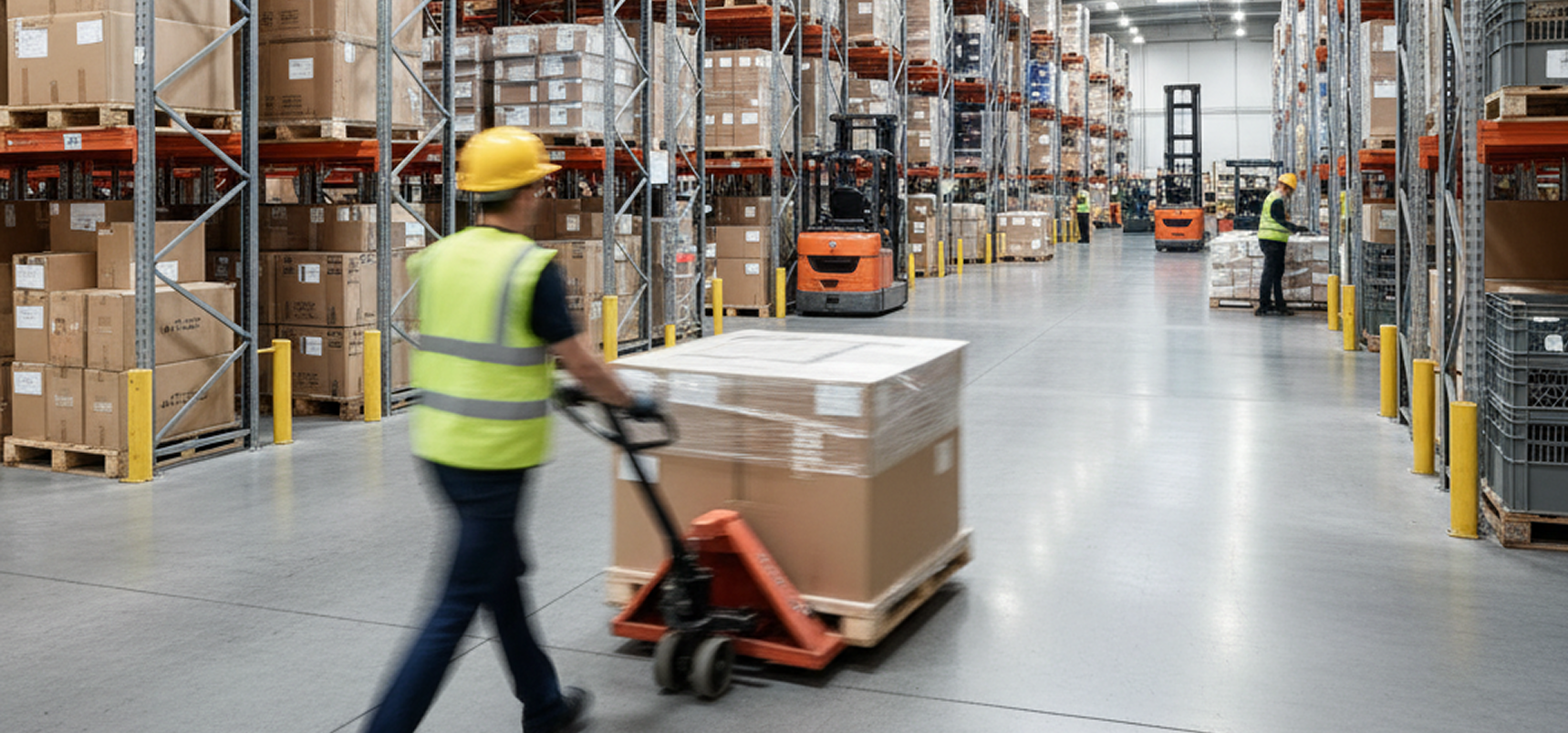
Warehouse lease rates in Hangzhou typically range from ¥15 to ¥32 per square meter per month, with a variety of classes and storage types available across different districts.
Major Warehouse Districts
Qiantang River Economic Belt, Linping District, Hangzhou Economic & Technological Development Area (HEDA), Xiasha district (Hangzhou Comprehensive Bonded Zone), and Renhe Town in Yuhang District.
Last-Mile Delivery Infrastructure
Hangzhou’s last-mile delivery infrastructure features a mix of decentralized service centers, extensive use of parcel lockers, gig economy couriers, and a growing fleet of autonomous vehicles like Cainiao’s unmanned delivery vans for efficient urban parcel distribution.
Automation and Technology Adoption
Hangzhou is witnessing significant advancements in warehouse automation, with companies like Hairobotics and Hangzhou System Tech deploying cutting-edge technologies such as IoT systems and autonomous mobile robots to enhance efficiency and reduce labor costs.
Cold Storage and Specialty Warehousing
Cold storage facilities in Hangzhou are specialized warehouses that maintain controlled low-temperature environments for storing temperature-sensitive products like food and pharmaceuticals, while specialty warehousing facilities offer customized storage solutions with advanced technology and logistical support.
Supply Chain Analysis
Key Industries
Key industries and economic sectors in Hangzhou include equipment manufacturing, electronic information, IT, pharmaceuticals, finance, textiles, garments, e-commerce, tourism, culture & recreation, financial services, advanced equipment manufacturing, biopharmaceuticals, and food and beverage.
Major Logistics Providers
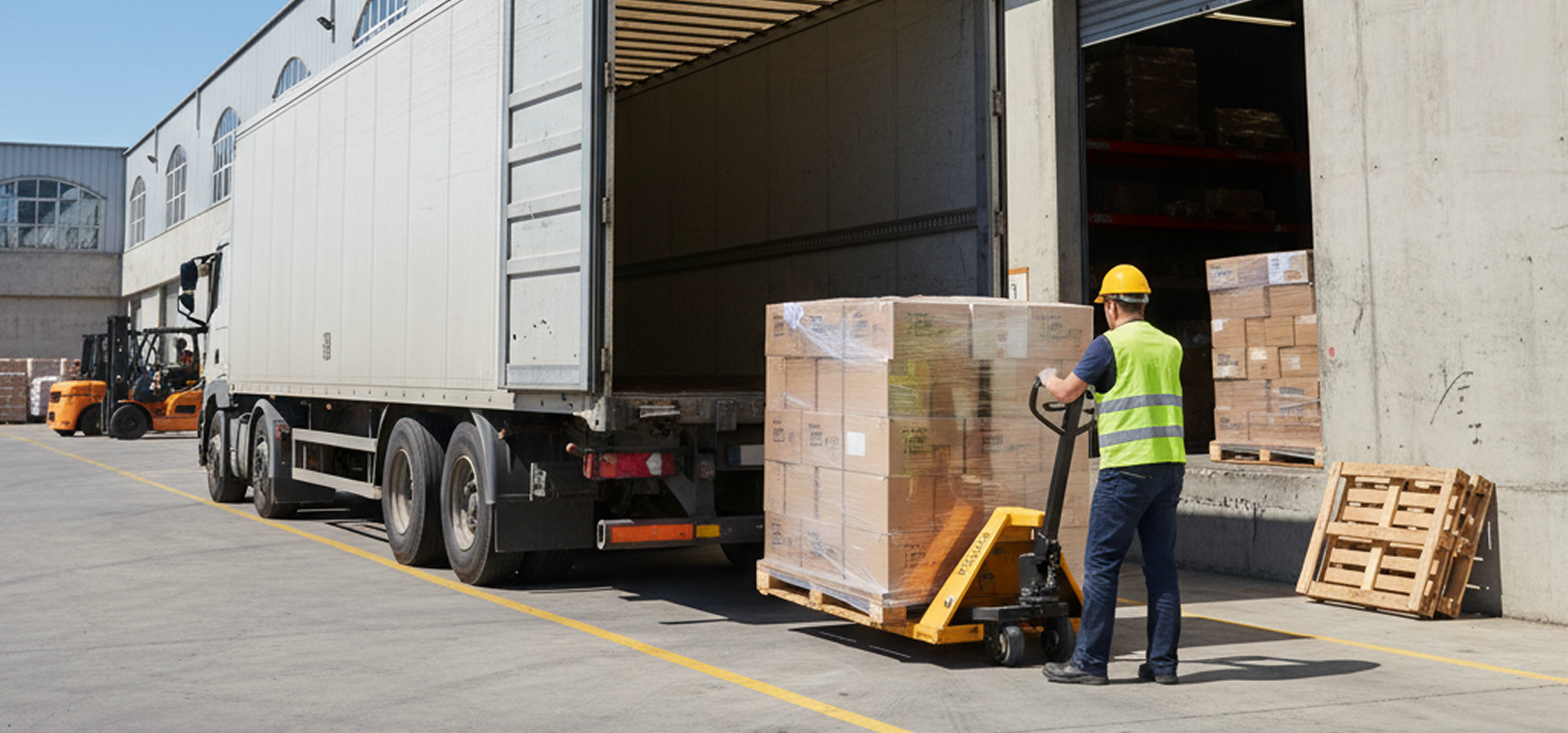
Cainiao Network, Alibaba Group, SF Express, JD Logistics, Hangzhou Furi Logistics, ZTO Express, Hangzhou Hangfan Supply Chain Management, Prologis.
Import/Export Volumes and Trading Partners
Hangzhou's total foreign trade reached 568.3 billion yuan from January to August 2025, with exports of 408.05 billion yuan and imports of 160.25 billion yuan, and key trading partners include the EU, ASEAN, and countries involved in the Belt and Road Initiative.
Supply Chain Resilience
Supply chain resilience in Hangzhou is challenged by frequent cost fluctuations, outdated technology, inadequate collaboration, and sensitivity to external disruptions, with transportation and procurement processes being the most critical risk factors.
Local Manufacturing Capabilities
Hangzhou has advanced local manufacturing capabilities focused on smart factories, modern equipment, medical devices, and high-tech materials, supported by strong infrastructure and innovation.
Industry Clusters
Hangzhou’s main industry clusters are digital economy, artificial intelligence, equipment manufacturing, electronics and IT, pharmaceuticals and biomedicine, textiles and chemical fibers, finance, and emerging sectors like low-altitude economy, robotics, and synthetic biology.
Competitive Advantages
Hangzhou's key competitive advantages as a logistics/business hub include its strategic location near the Yangtze River Delta, robust infrastructure, strong connection to major industries like technology and manufacturing, proximity to Shanghai, and its role as a major AI hub with innovative digital supply chain solutions.
Infrastructure Assessment
Detailed evaluation of Hangzhou's infrastructure quality, investment projects, utility systems, and environmental considerations for strategic planning.
Quality and Capacity
Hangzhou has modern, high-capacity infrastructure with advanced smart city systems, efficient public services, and ongoing investment in high-speed rail and digital technologies.
Planned Investments
Hangzhou plans to invest over 100 billion yuan in artificial intelligence and 62.5 billion yuan in information infrastructure to boost innovation and development.
Utilities Reliability and Costs
Hangzhou features advanced, integrated utility infrastructure with extensive high-speed rail and metro connectivity, large-scale rooftop solar power generation at major hubs like Hangzhou West Railway Station, and robust internet services supporting its status as a leading digital economy city in China.
Environmental Factors
Air pollution and dense urban traffic in Hangzhou increase logistics costs and reduce efficiency, while local government initiatives to promote cycling and improve bike-friendly infrastructure aim to mitigate these environmental impacts.
