Harbin
Harbin has invested in modern infrastructure with successful expressway projects and sustainable urban planning, resulting in generally good quality transport and utility systems.
5.25.2 M+
Population
53,00053,000 km²
Area
2,8422,842 /km²
Density
Growth Trends
128,850
The projected net population growth in Harbin for 2024 is 129,000.
Working-Age Population
68.0%
67% of the population in Emerging Asia, India, Latin America, and the Middle East and North Africa is of working age.
Employment Rates
Key industries include power equipment manufacturing, pharmaceuticals, and agriculture, with major corporations like Harbin Electric Company Limited, Harbin Aircraft Industry Group, and Harbin Pharmaceutical Group playing significant roles.
Educational Attainment
Tertiary attainment among young adults aged 25-34 in France increased from 45% in 2019 to 48% in 2024, placing it among top OECD nations.
Foreign Residents
The average income for foreign residents in Harbin is about 5.5 million yen with 50% earning less.
Ethnic Composition
Foreign residents in Harbin surpassed 0.46 million in 2020 making up about 4.59% of the city population with largest groups from Korea, Mongolia, and Siberia.
Commuting
Harbin’s metropolitan area features extensive daily commuting, with over 2 million people traveling primarily by rail from suburban and residential districts into the central city for work.
Migration Patterns
128,850
Average Income
51K
The average annual income in Harbin is about 8.1 million yen, though more than half earn less than this amount.
Transportation & Logistics Overview
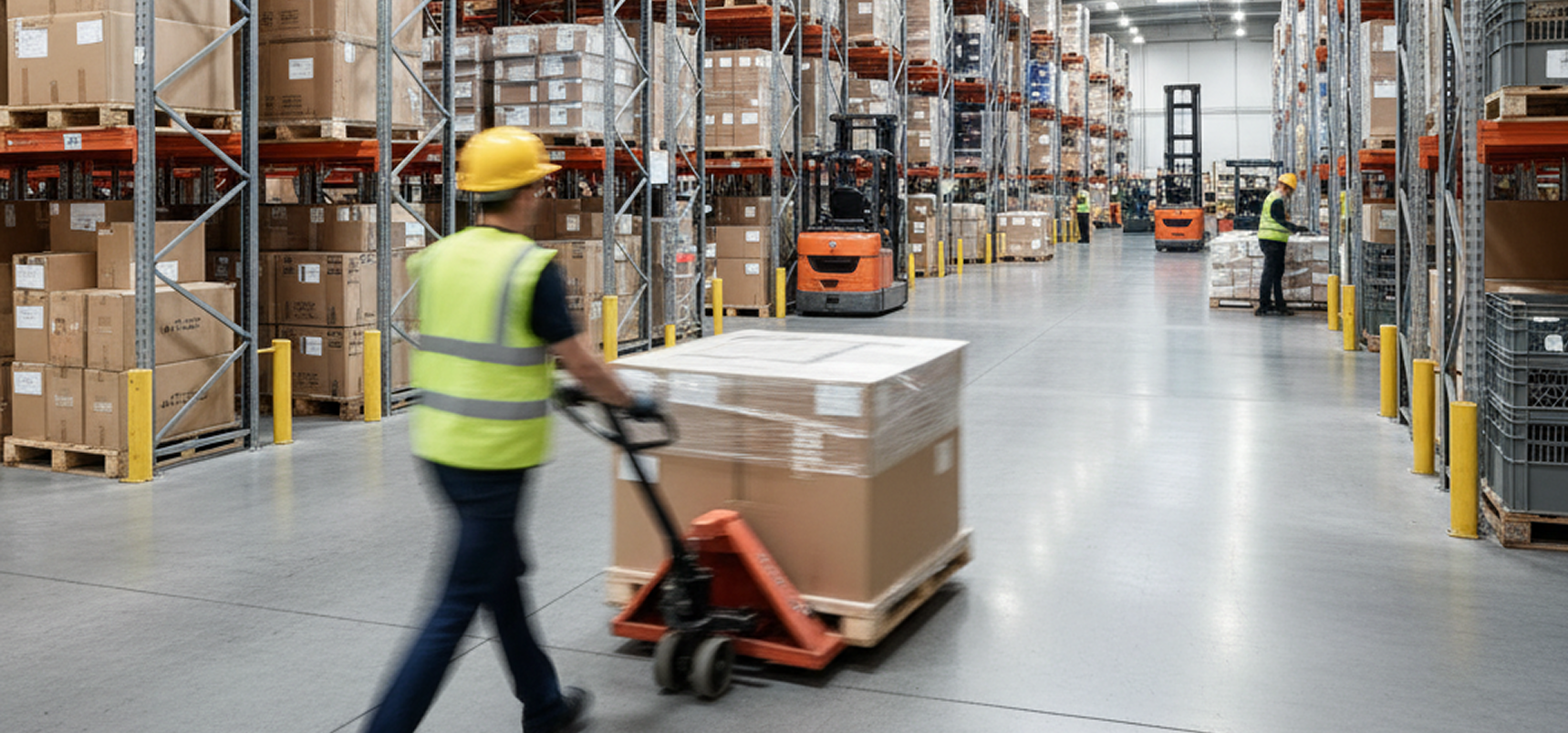
Warehousing & Fulfillment Landscape
Space and Vacancy Rates
The search results do not contain information about warehouse space vacancy rates specifically for Harbin.
Lease Rates and Warehouse Classes
Warehouse lease rates and classes in Harbin are not readily available from current sources, so specific figures and class breakdowns cannot be provided.
Major Warehouse Districts
Daoli District, Nangang District, Daowai District, Pingfang District, Songbei District, Xiangfang District, Hulan District, Harbin Economic & Technology Development Zone, Harbin Limin Economic Development Zone, Harbin Songbei Economic Development Zone, Harbin Port.
Last-Mile Delivery Infrastructure
Harbin’s last-mile delivery infrastructure features urban sub-terminals, dedicated delivery stations, and increasing use of automation and smart technology to boost efficiency and capacity.
Automation and Technology Adoption
Warehouse automation in Harbin is gradually increasing, with local companies adopting robotics, automated storage and retrieval systems, and flexible software solutions to improve efficiency and address labor challenges.
Cold Storage and Specialty Warehousing
Cold storage and specialty warehousing facilities in Harbin are purpose-built warehouses with advanced insulation and refrigeration systems, offering precise temperature control and customizable storage solutions for perishable goods, pharmaceuticals, and other temperature-sensitive products.
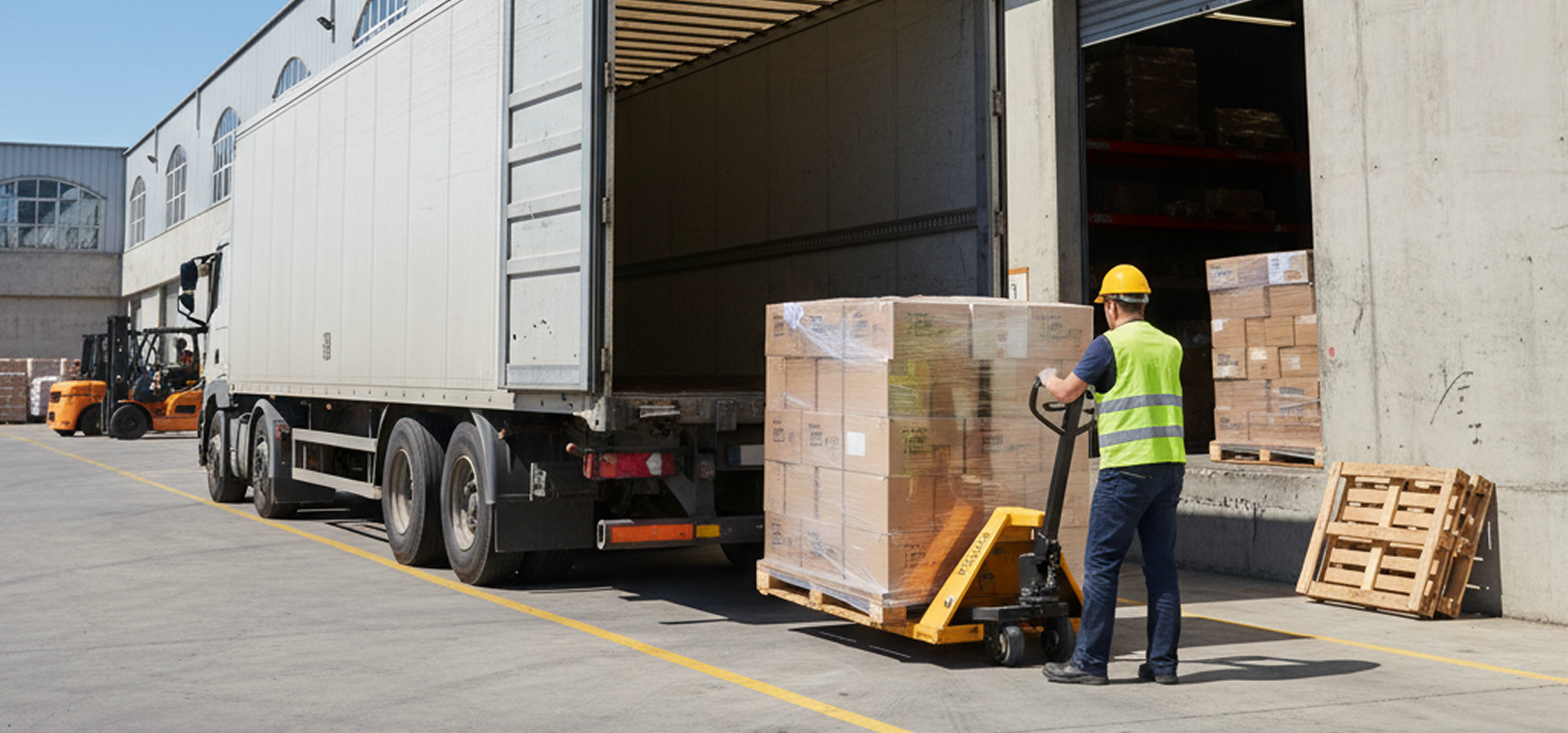
Supply Chain Analysis
Key Industries
Major industries and economic sectors in Harbin include agriculture, light industry, textiles, medicine, food processing, aircraft, automobile manufacturing, metallurgy, electronics, building materials, chemicals, machinery manufacturing, timber processing, software, logistics, professional and business services, and trade and transportation.
Major Logistics Providers
Harbin Zohor Supply Chain, Kerry Logistics Network, Alibaba Group (Cainiao Network), SF Express, JD Logistics.
Import/Export Volumes and Trading Partners
Harbin's total foreign trade reached 20.32 billion yuan in the first five months of 2025, with exports at 9.78 billion yuan (up 59%) and key trading partners being Belt and Road Initiative countries, accounting for 61.3% of its trade.
Supply Chain Resilience
Supply chain resilience in Harbin is supported by robust logistics, warehousing, and infrastructure, but key risks include reliance on imported raw materials, low digitalization, outdated production technologies, and production-consumption imbalances.
Local Manufacturing Capabilities
Harbin has advanced local manufacturing capabilities, particularly in high-tech sectors such as electric generators, hydropower equipment, and industrial automation, led by major firms like Harbin Electric Corporation.
Industry Clusters
Harbin's main industry clusters include electronic information, optoelectronic equipment, biomedicine, new energy, new materials, aviation support, automobile manufacturing, chemicals, food processing, and high-tech industries.
Competitive Advantages
Proximity to the China-Russia border, strategic location in Northeast Asia for cross-border trade, and integration with China's extensive railway logistics network.
Infrastructure Assessment
Detailed evaluation of Harbin's infrastructure quality, investment projects, utility systems, and environmental considerations for strategic planning.
Quality and Capacity
Harbin’s infrastructure quality and capacity are at an above-average level among regional cities, with strengths in technological innovation support but fluctuating performance in industrial development and environmental carrying capacity.
Planned Investments
Planned infrastructure investments in Harbin include the expansion of the Beijing-Harbin expressway and ongoing efforts to build a more comprehensive transport network as part of China's current five-year plan.
Utilities Reliability and Costs
Harbin has a modern utility infrastructure with combined heat and power systems for electricity and heating, extensive district heating networks, and widespread access to water and internet services.
Environmental Factors
Key environmental factors affecting logistics in Harbin include extreme winter weather, air pollution, energy consumption, and the need for efficient waste management and green logistics practices.
