Hong Kong
Hong Kong’s infrastructure is highly developed, featuring efficient public transport, reliable utilities, advanced telecommunications, and world-class logistics, though construction quality and costs face some challenges.
7.57.5 M+
Population
1,1141,114 km²
Area
7,0477,047 /km²
Density
Growth Trends
6.4K
The projected net population growth in Hong Kong for 2024 is 6,400.
Working-Age Population
66.0%
59% of the European Union population is of working age (20–64 years) as of 2023.
Employment Rates
Key industries include financial services, trading and logistics, information technology, and tourism, with major corporations like HSBC, AIA Group, and Swire Pacific playing significant roles.
Educational Attainment
Tertiary attainment among young adults aged 25-34 in OECD countries increased from 45% in 2019 to 48% in 2024, placing it among top OECD nations.
Foreign Residents
The average income for foreign residents in Hong Kong is about 4.6 million yen, with 50% earning less.
Ethnic Composition
Foreign residents in Hong Kong surpassed 430,000 in 2024, making up about 5.7% of the city population, with the largest groups from the Philippines, Indonesia, and India.
Commuting
Over 12 million passenger journeys are made daily on Hong Kong’s public transport, with the majority commuting by rail from suburban and residential districts into the central city for work.
Migration Patterns
Hong Kong continues to attract residents from other regions with a net inflow of 21,000 people in 2024.
Average Income
25K
The average annual income in Hong Kong is about 7.2 million yen, though more than half earn less than this amount.
Transportation & Logistics Overview
Warehousing & Fulfillment Landscape
Space and Vacancy Rates
9.1%
Lease Rates and Warehouse Classes
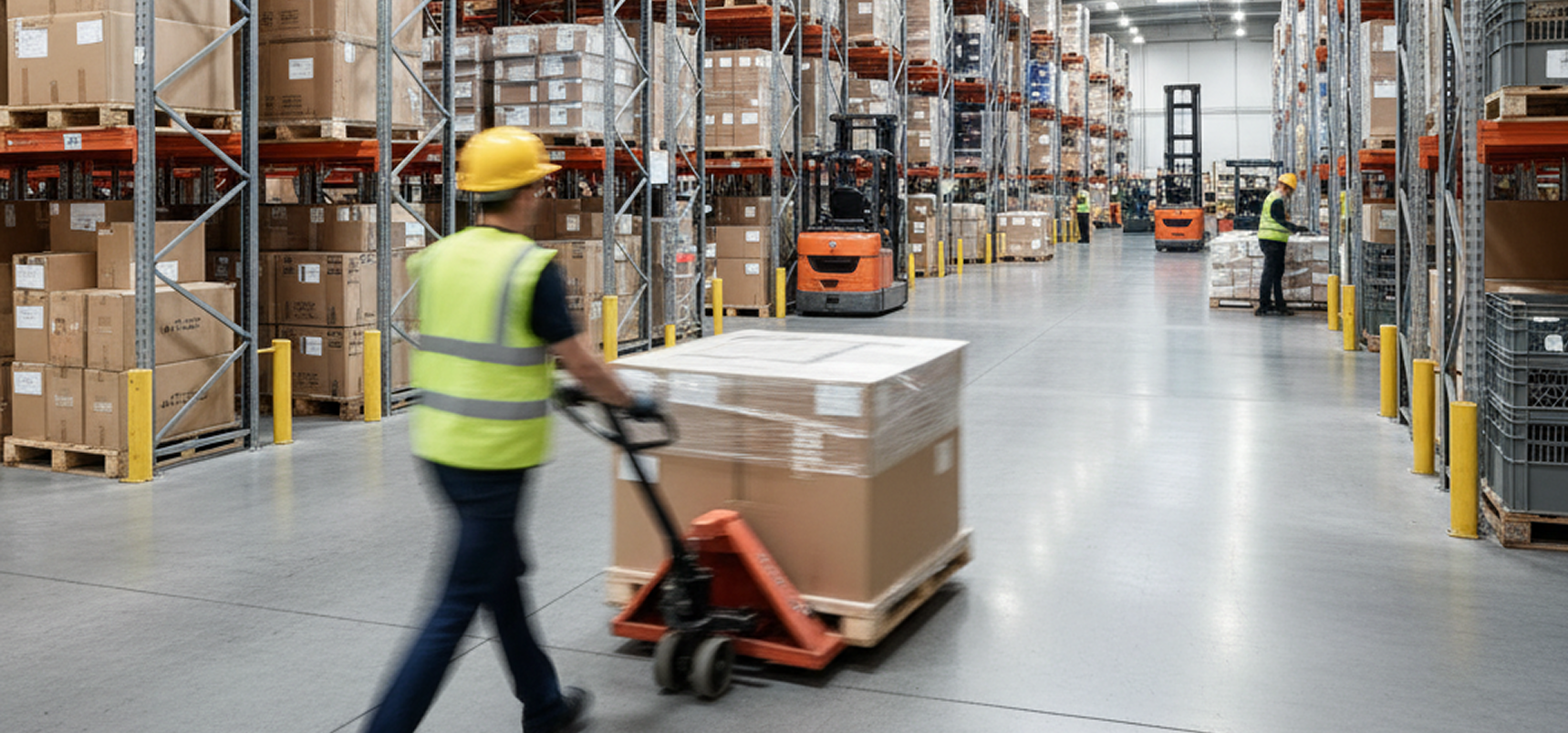
Warehouse lease rates in Hong Kong vary significantly, with modern logistics facilities averaging around HKD 17.10 per square foot per month, while general industrial buildings are slightly lower, and some areas like Kowloon Bay can reach up to HKD 32.79 per square foot per month.
Major Warehouse Districts
Kwai Chung Container Terminals, Tsuen Wan, Tsing Yi, Hong Kong International Airport (Chek Lap Kok), Chai Wan, Kowloon Bay, Shatin.
Last-Mile Delivery Infrastructure
Hong Kong’s last-mile delivery infrastructure combines advanced digital logistics, multimodal transport (including foot couriers, public transit, and smart lockers), and AI-driven route optimization to navigate dense urban environments and high-rise buildings efficiently.
Automation and Technology Adoption
Hong Kong's warehouse automation adoption is driven by limited space, high land costs, rising labor costs, workforce shortages, and the need for faster e-commerce fulfillment, with companies implementing automated storage systems, robotics, and AI-powered solutions to maximize vertical space utilization and operational efficiency.
Cold Storage and Specialty Warehousing
Cold storage and specialty warehousing facilities in Hong Kong provide temperature-controlled storage and logistics services for goods such as food, wine, and pharmaceuticals, featuring advanced security, multiple temperature zones, and modern automation to support the city’s role as a regional logistics hub.
Supply Chain Analysis
Key Industries
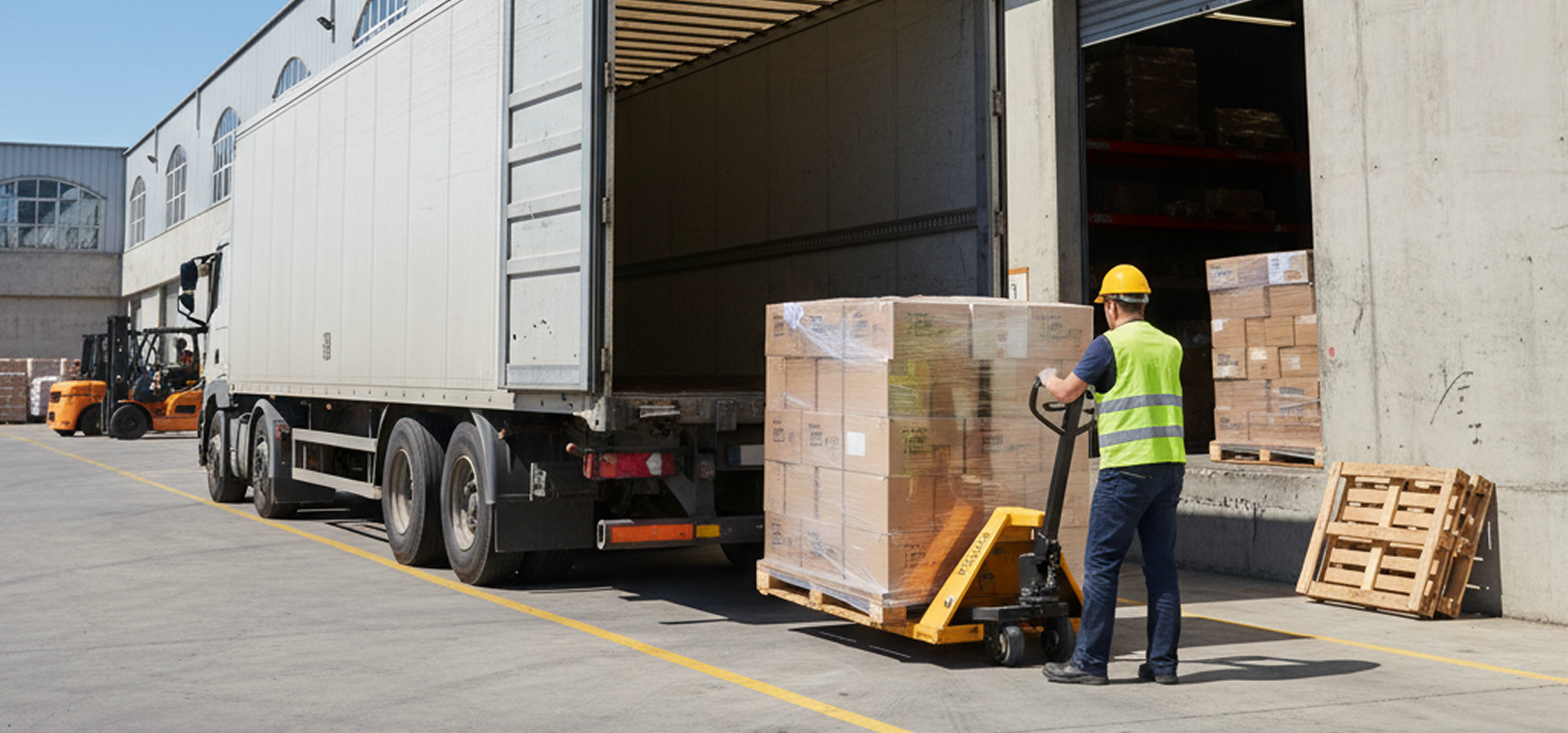
Financial services, trading and logistics, tourism, professional services, electronics manufacturing, fintech, green finance, creative industries, innovation and technology.
Major Logistics Providers
Kuehne & Nagel, Maersk, DHL, Rhenus Logistics, JAS Forwarding, Janco Global Logistics, Mainfreight, Omni Logistics, Nippon Express, OOCL, Toll Global Forwarding, MOL Logistics, Mediterranean Shipping Company, Morrison Express, LOGISTEED Hong Kong, Noatum Logistics, Park Express Logistics, HART Logistics, Leader Mutual Freight System, and Pacific International Lines.
Import/Export Volumes and Trading Partners
Hong Kong's annual merchandise trade exceeds US$1.2 trillion, with China, the United States, Vietnam, Singapore, and Taiwan as key trading partners.
Supply Chain Resilience
Hong Kong’s supply chain resilience is challenged by geopolitical tensions, cost fluctuations, outdated technology, and frequent disruptions, requiring enhanced digitalization, diversification, and real-time risk management to mitigate risks and ensure continuity.
Local Manufacturing Capabilities
Hong Kong’s local manufacturing capabilities focus on high-value, low-volume advanced manufacturing in sectors like new materials, microelectronics, robotics, and life and health technology, supported by strong infrastructure, policy initiatives, and a highly educated workforce.
Industry Clusters
Hong Kong’s main industry clusters are finance, technology and innovation, logistics, professional services, and tourism, with a growing focus on biotech, fintech, and smart city development.
Competitive Advantages
Strategic location in Asia, world-class infrastructure, efficient customs, free trade policies, robust legal system, and seamless connectivity to Mainland China and global markets.
Infrastructure Assessment
Detailed evaluation of Hong Kong's infrastructure quality, investment projects, utility systems, and environmental considerations for strategic planning.
Quality and Capacity
Hong Kong’s infrastructure quality is ranked among the world’s best, with highly efficient road, rail, and electricity networks, though high costs and occasional project delays are noted.
Planned Investments
Hong Kong is planning major infrastructure investments focused on modernizing transport, expanding housing supply, and developing the Northern Metropolis to enhance connectivity and support economic growth.
Utilities Reliability and Costs
Hong Kong has highly reliable and modern utility infrastructure, with electricity supplied by HK Electric and CLP, clean water provided by the Water Supplies Department, and extensive, resilient internet connectivity supported by multiple providers and international undersea cables.
Environmental Factors
Hong Kong’s logistics face challenges from severe air pollution, high traffic congestion, and limited land for transport infrastructure expansion.
