Houston
Houston's infrastructure is extensive and generally well-maintained, but faces ongoing challenges related to growth, flooding, and the need for continuous investment and upgrades.
2.42.4 M+
Population
1,7401,740 km²
Area
1,3861,386 /km²
Density
Growth Trends
43.2K
The projected net population growth in Houston for 2024 is 43,217.
Working-Age Population
64.35%
67% of first wave regions' population is working age, down from 70% in 2010.
Employment Rates
Key industries include energy, healthcare, and technology, with major corporations like ExxonMobil, Texas Medical Center, and Hewlett Packard Enterprise playing significant roles.
Educational Attainment
Tertiary attainment among young adults aged 25-34 in OECD countries increased from 45% in 2019 to 48% in 2024, placing it among top OECD nations.
Foreign Residents
The average income for foreign residents in Houston is about $100,000 USD, with 30–40% earning less.
Ethnic Composition
Foreign residents in Houston surpassed 676,000 in 2024, making up about 29.3% of the city population, with largest groups from Latin America, Asia, Africa, and Europe.
Commuting
The Houston metropolitan area has millions commuting daily, primarily by car, with average commute times near 30 minutes and very limited rail use for work travel.
Migration Patterns
Houston continues to attract residents from other regions with a net inflow of approximately 130,000 people in 2024.
Average Income
63K
The average annual income in Houston is about 900万円, though more than half earn less than this amount.
Transportation & Logistics Overview
Warehousing & Fulfillment Landscape
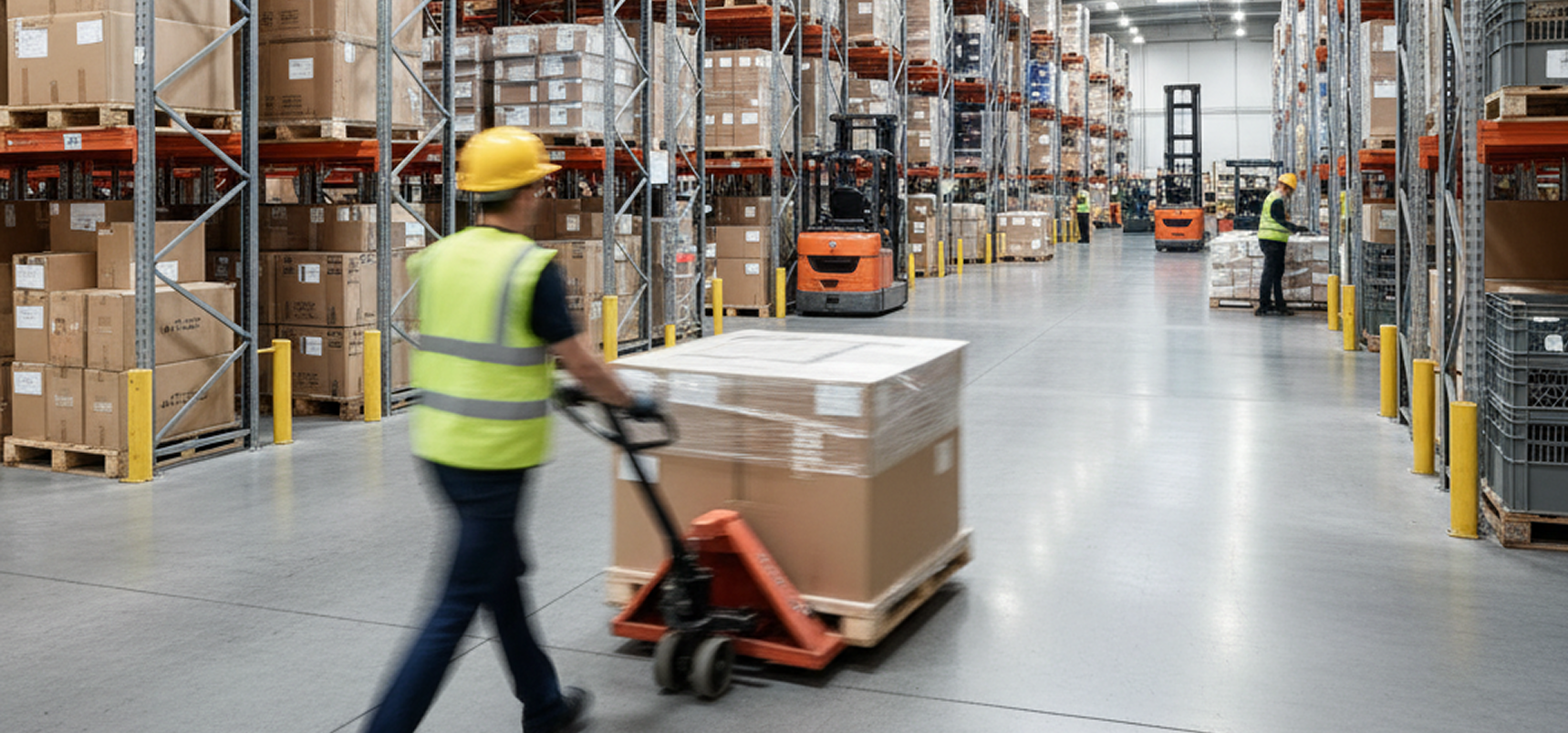
Space and Vacancy Rates
7.1%
Lease Rates and Warehouse Classes
Warehouse lease rates in Houston generally range from $7 to $10 per square foot annually, with Class A space typically at the higher end ($0.55–$0.75 per sq ft monthly) and Class B space lower ($0.45–$0.60 per sq ft monthly), depending on location and features.
Major Warehouse Districts
Northwest Houston, Southeast Houston (Port Houston area), North Houston (near Bush Intercontinental Airport), Southwest Houston, Baytown, Pasadena, La Porte, Generation Park, and the Southeast Logistics Hub near Ellington Airport.
Last-Mile Delivery Infrastructure
Houston’s last-mile delivery infrastructure features a network of flexible urban warehouses, technology-enabled fleets, and logistics providers offering services like cross-docking, curbside, and white glove delivery, all supported by proximity to major transportation hubs and a growing emphasis on speed and efficiency.
Automation and Technology Adoption
Houston is rapidly adopting advanced warehouse automation technologies—such as robotics, IoT, and AI—driven by logistics growth, labor challenges, and a focus on operational efficiency.
Cold Storage and Specialty Warehousing
Cold storage and specialty warehousing facilities in Houston offer advanced temperature-controlled storage, secure handling for food, pharmaceuticals, and industrial goods, and flexible logistics solutions for businesses of all sizes.
Supply Chain Analysis
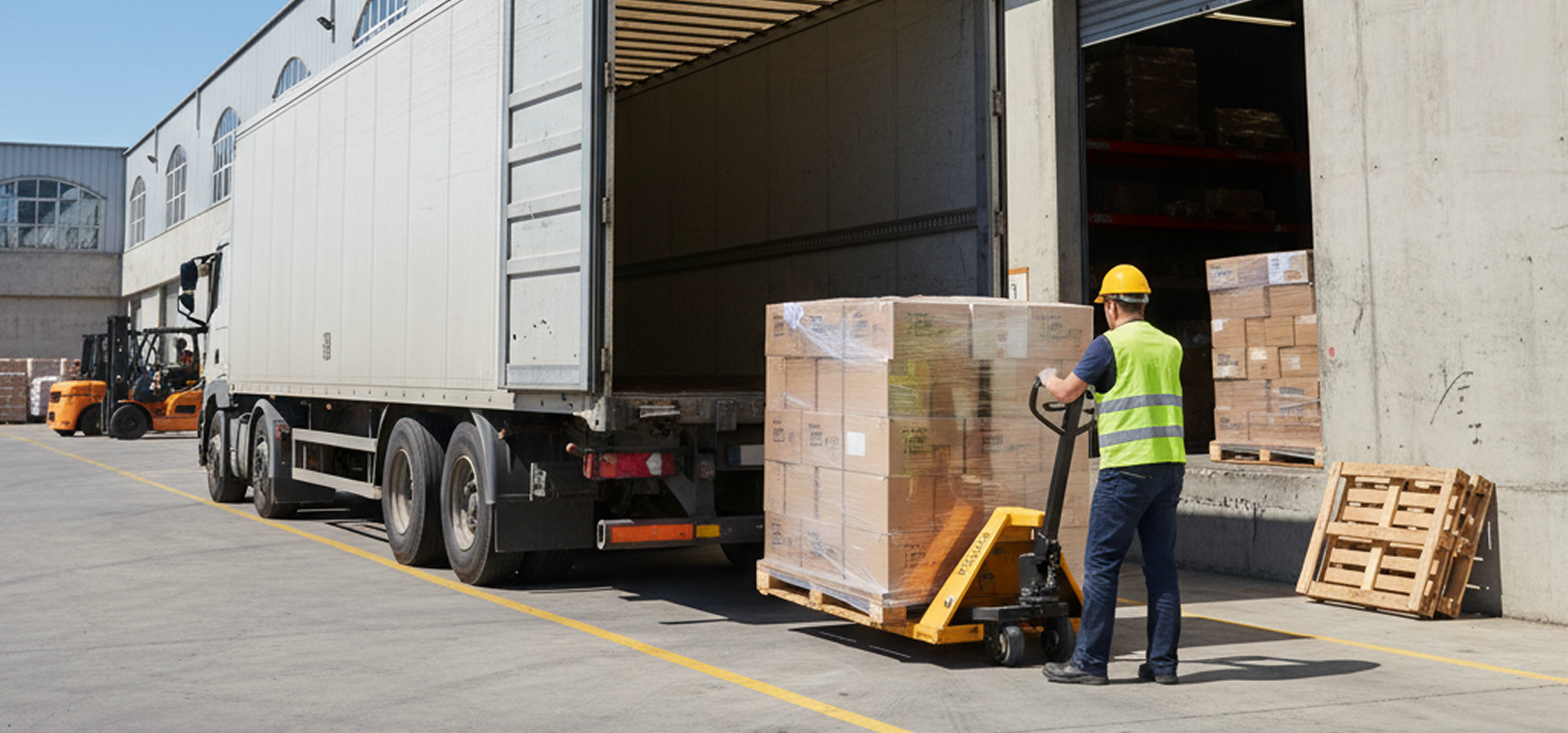
Key Industries
Energy (oil, gas, renewables), healthcare, aerospace and aviation, manufacturing, financial services, public utilities, life sciences and biotechnology, transportation and logistics, digital technology, and professional and business services.
Major Logistics Providers
Omni Logistics, Cargoways Logistics, Crane Worldwide, McLane Global Logistics, LNC Logistics, Broussard Logistics, Sysco, Phillips 66, Kirby Corporation, Bristow Group, Gulf Winds.
Import/Export Volumes and Trading Partners
Houston’s foreign trade totaled $286 billion in 2024, led by exports of energy products, with China, Mexico, and the Netherlands as key trading partners.
Supply Chain Resilience
Houston’s supply chain resilience is strengthened by cross-industry collaboration and infrastructure investment, but key risk factors include overreliance on critical port infrastructure, transportation bottlenecks, and the need for ongoing risk assessment and diversification strategies.
Local Manufacturing Capabilities
Houston has robust manufacturing capabilities spanning fabricated metal, machinery, chemical production, medical devices, aerospace, and energy sectors, supported by advanced infrastructure and a skilled workforce.
Industry Clusters
Houston’s main industry clusters are energy (especially oil and gas), healthcare, aerospace, manufacturing, information technology, and financial services.
Competitive Advantages
Houston’s key competitive advantages as a logistics/business hub are its central geographic location, world-class port and airport infrastructure, extensive highway and rail connectivity, strong export capacity, energy sector integration, business-friendly climate, and access to major U.S. and international markets.
Infrastructure Assessment
Detailed evaluation of Houston's infrastructure quality, investment projects, utility systems, and environmental considerations for strategic planning.
Quality and Capacity
Houston has extensive, modernized infrastructure systems with significant capacity, ongoing digital upgrades, and a focus on resilience, but continued investment and coordination are needed to address maintenance and future growth.
Planned Investments
Houston is planning major infrastructure investments including $1 billion annually for water systems, $1.9 billion for port modernization, new highway expansions, and large-scale urban redevelopment projects such as Buffalo Bayou East and the Ion District.
Utilities Reliability and Costs
Houston's utility infrastructure features a deregulated electricity market with CenterPoint Energy managing power delivery, municipal utility districts and the city handling water and sewer, and multiple providers offering internet services.
Environmental Factors
Houston’s logistics are impacted by high humidity, temperature extremes, air and water quality issues, climate change risks, and the city’s lack of traditional zoning laws.
