Hyderabad
Hyderabad's infrastructure quality is characterized by rapid development, improved connectivity, and enhanced amenities, making it a desirable location for both residents and businesses.
77 M+
Population
200200 km²
Area
18,16118,161 /km²
Density
Growth Trends
269K
The projected net population growth in Hyderabad for 2024 is 278,000.
Working-Age Population
N/A
80.0% of the EU population aged 20–64 is of working age, with cities showing the highest activity rate at 80.8%.
Employment Rates
Key industries include pharmaceuticals, aerospace, electronics, and food processing with major corporations like Dr. Reddy’s Laboratories, Bharat Biotech, Tata Advanced Systems, and PepsiCo playing significant roles.
Educational Attainment
Tertiary attainment among young adults aged 25-34 in OECD countries increased from 45% in 2019 to 48% in 2024.
Foreign Residents
The search results do not contain information about foreign residents' income in Hyderabad or any data in yen currency.
Ethnic Composition
Foreign residents in Hyderabad surpassed 0.1 million in 2024, making up about 0.9% of the city population, with the largest groups from Yemen, Iran, Afghanistan, and Turkey.
Commuting
Hyderabad's commuting involves 1.8 million daily bus passengers, but specific rail data is not provided.
Migration Patterns
269,000
Average Income
358K
The average annual income in Hyderabad is about 500,000 yen though more than half earn less than this amount.
Transportation & Logistics Overview
Warehousing & Fulfillment Landscape
Space and Vacancy Rates
15.9%
Lease Rates and Warehouse Classes
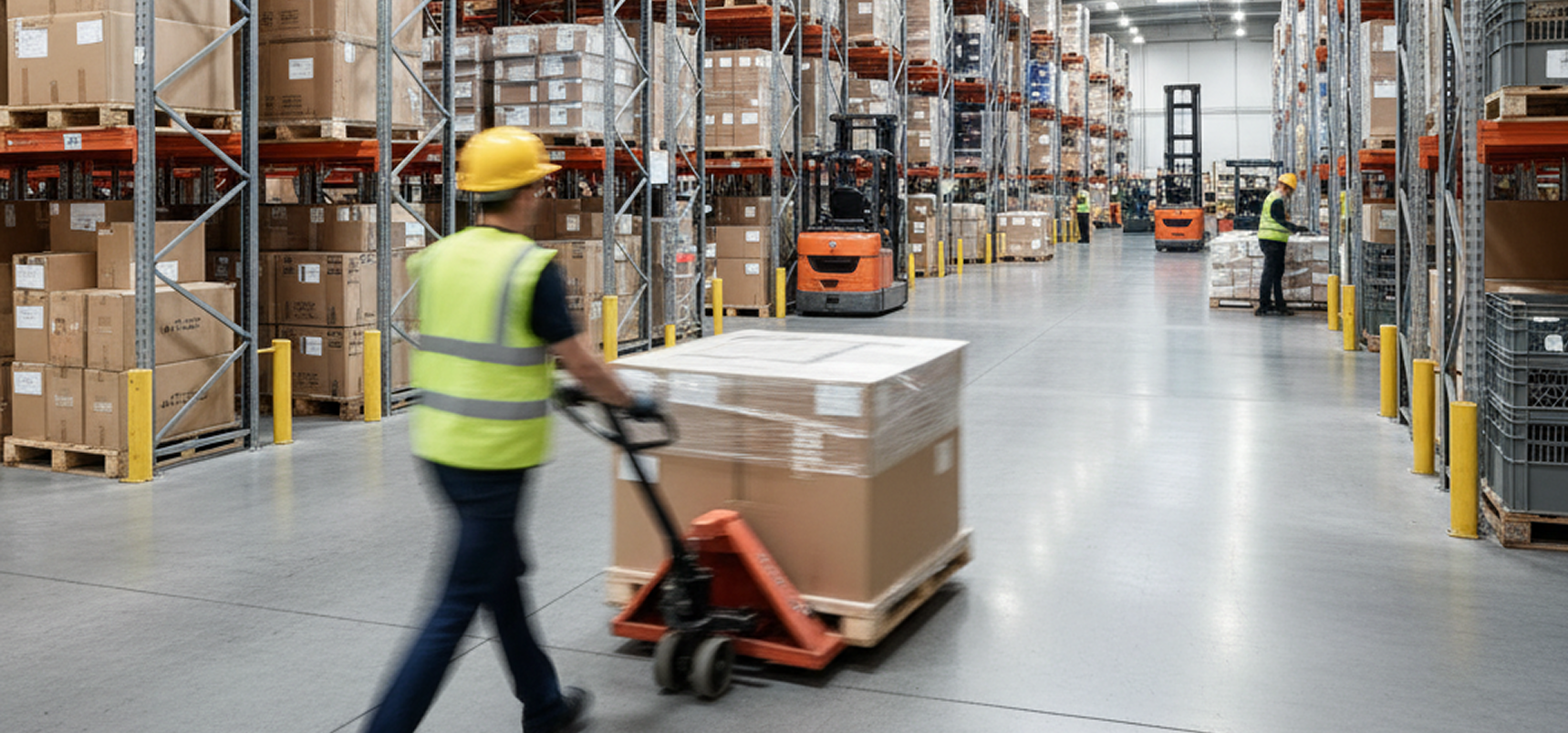
Warehouse lease rates in Hyderabad typically range from ₹15 to ₹50 per sq ft per month, with facilities classified by size, amenities, and location—Grade A warehouses offer modern infrastructure and higher rates, while Grade B/C are more basic and cost-effective.
Major Warehouse Districts
Medchal, Patancheru, Shamshabad, and areas along the Regional Ring Road (RRR) are the major warehouse and logistics districts in Hyderabad.
Last-Mile Delivery Infrastructure
Hyderabad’s last-mile delivery infrastructure consists of technology-driven logistics providers offering real-time tracking, route optimization, and streamlined dispatch to ensure fast, reliable deliveries from local hubs to customers across sectors like e-commerce, food, retail, and pharmaceuticals.
Automation and Technology Adoption
Warehouse automation in Hyderabad is rapidly advancing, with companies adopting technologies like AI, robotics, IoT, and automated systems to enhance operational efficiency and streamline supply chain management.
Cold Storage and Specialty Warehousing
Hyderabad offers advanced cold storage and specialty warehousing facilities with multi-temperature zones, large capacities, and specialized services for perishables, pharmaceuticals, seeds, and processed foods, featuring modern refrigeration, humidity control, and integrated logistics.
Supply Chain Analysis
Key Industries
Information technology, pharmaceuticals, biotechnology, electronics, aerospace and defense, automotive, food processing, manufacturing, logistics, tourism, and traditional crafts are key industries and economic sectors in Hyderabad.
Major Logistics Providers
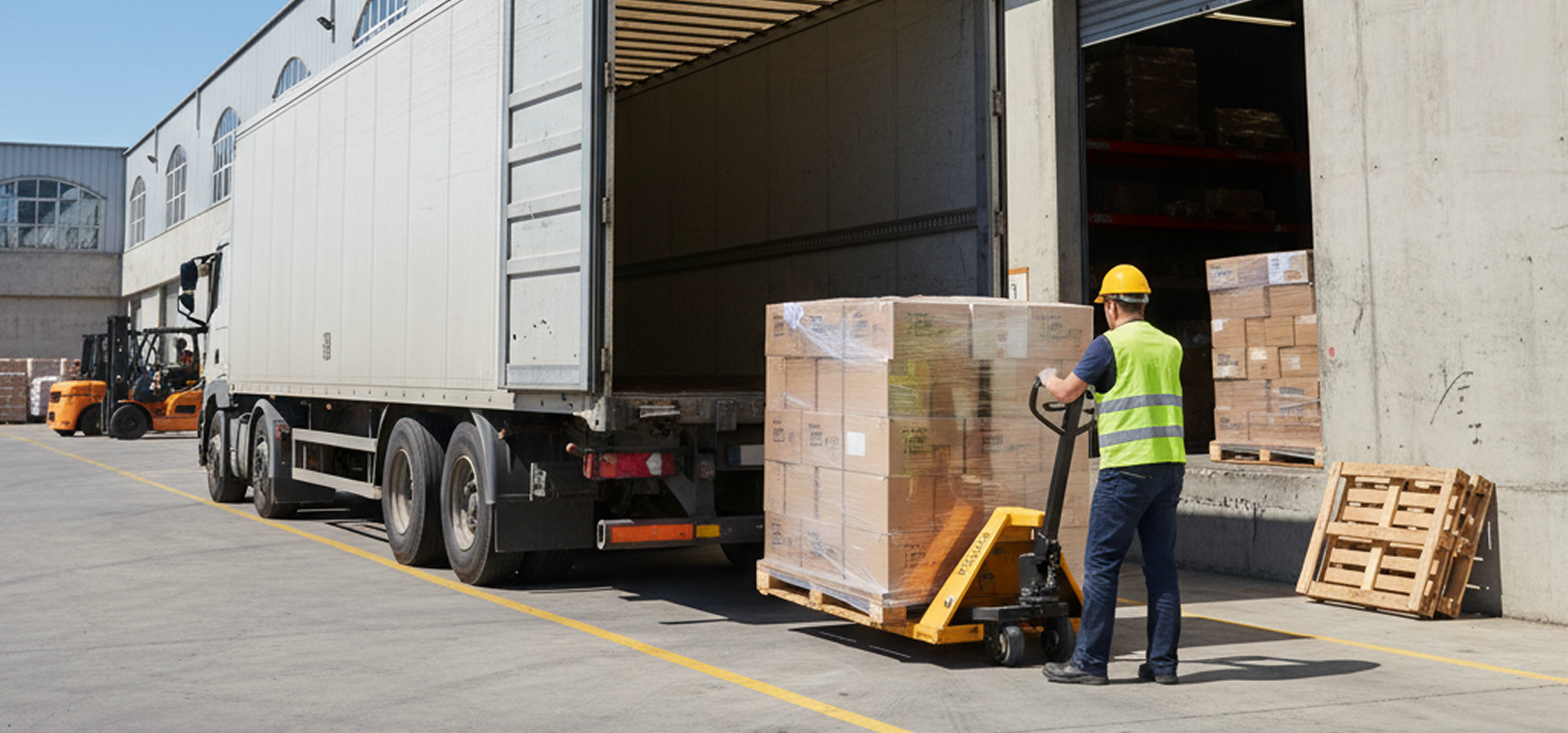
DHL Global Forwarding, Kuehne+Nagel, DB Schenker, Agility Logistics, Ecom Express, Delhivery, Shadowfax, DTDC Express, VRL Logistics, TCI Express, Shift India, Total Quality Logistics, Zeromile Warehousing, Srinivasa Logistics, Blue Water Logistics, Freight Systems, and Varuna Group are the major logistics and supply chain providers operating in Hyderabad.
Import/Export Volumes and Trading Partners
Hyderabad’s export shipments primarily go to the United States and United Arab Emirates, with over 5.2 million export shipments and 126,000 importers as of March 2025; India, US, and China are key trading partners.
Supply Chain Resilience
Hyderabad's supply chain resilience is bolstered by its robust infrastructure and strategic location, but it faces risks such as supply chain disruptions, supplier unreliability, and regulatory compliance issues.
Local Manufacturing Capabilities
Hyderabad operates over 2,500 manufacturing industries across pharmaceuticals, automotive, electronics, aerospace, chemicals, and food processing sectors, making it a major industrial hub in India.
Industry Clusters
Hyderabad’s main industry clusters are IT and software services, pharmaceuticals and life sciences (including Genome Valley and Hyderabad Pharma City), electronics and IT hardware, engineering and machinery, food processing, plastics, leather, textiles and garments, chemicals, and construction materials.
Competitive Advantages
Strategic location with multi-modal connectivity through international airport, major highways NH-44/NH-65, proximity to seaports, Regional Ring Road reducing transit times, specialized logistics parks, strong industrial base in pharmaceuticals and IT, and cost-effective operations with excellent infrastructure.
Infrastructure Assessment
Detailed evaluation of Hyderabad's infrastructure quality, investment projects, utility systems, and environmental considerations for strategic planning.
Quality and Capacity
Hyderabad has modern and expanding infrastructure with strong road, metro, airport, and healthcare capacity, but faces challenges in service quality, urban planning, and citizen satisfaction.
Planned Investments
Hyderabad is set for over Rs 1 lakh crore in infrastructure investments including Metro Phase-2, Musi Riverfront, new flyovers, elevated corridors, Regional Ring Road, airport expansion, and major real estate and tourism projects to transform the city into a future hub.
Utilities Reliability and Costs
Hyderabad's utility infrastructure includes electricity managed by TSPDCL, water supply regulated by HMWSSB with a 116 km pipeline from Nagarjuna Sagar Dam, and government-owned India Post services complemented by private courier services, with power demand projected to reach 18,138 MW by 2025-26.
Environmental Factors
Key environmental factors affecting logistics in Hyderabad include air pollution from vehicle emissions, land use changes due to warehouse expansion, noise pollution, and habitat loss from infrastructure development.
