Istanbul
Istanbul’s infrastructure is modern and extensive in public transport and healthcare, but faces challenges in pedestrian facilities, pollution, and the need for seismic upgrades.
15.815.8 M+
Population
105105 km²
Area
6,1376,137 /km²
Density
Growth Trends
45,678
The projected net population growth in Istanbul for 2024 is 45,678.
Working-Age Population
68.41%
67% of first wave regions' population is working age, down from 70% in 2010.
Employment Rates
Key industries include finance, manufacturing, tourism, and technology, with major corporations like Koç Holding, Sabancı Holding, and Turkish Airlines playing significant roles.
Educational Attainment
Tertiary attainment among young adults aged 25-34 in OECD countries increased from 45% in 2019 to 48% in 2024, placing it among the top OECD nations.
Foreign Residents
The average income for foreign residents in Istanbul is about 6.9 million yen per year, with 50% earning less.
Ethnic Composition
Foreign residents in Istanbul surpassed 534,000 in 2024, making up about 3.4% of the city population, with largest groups from Turkmenistan, Azerbaijan, Russia, Iran, and Syria.
Commuting
Istanbul’s metropolitan area sees millions commuting daily, with the world’s longest average public transport commute at about 77 minutes one-way, primarily from suburban districts into the city center.
Migration Patterns
Istanbul continues to attract residents from other regions with a net inflow of 26,032 people in 2024.
Average Income
46.7K
The average annual income in Istanbul is about 901,718 yen, though more than half earn less than this amount.
Transportation & Logistics Overview
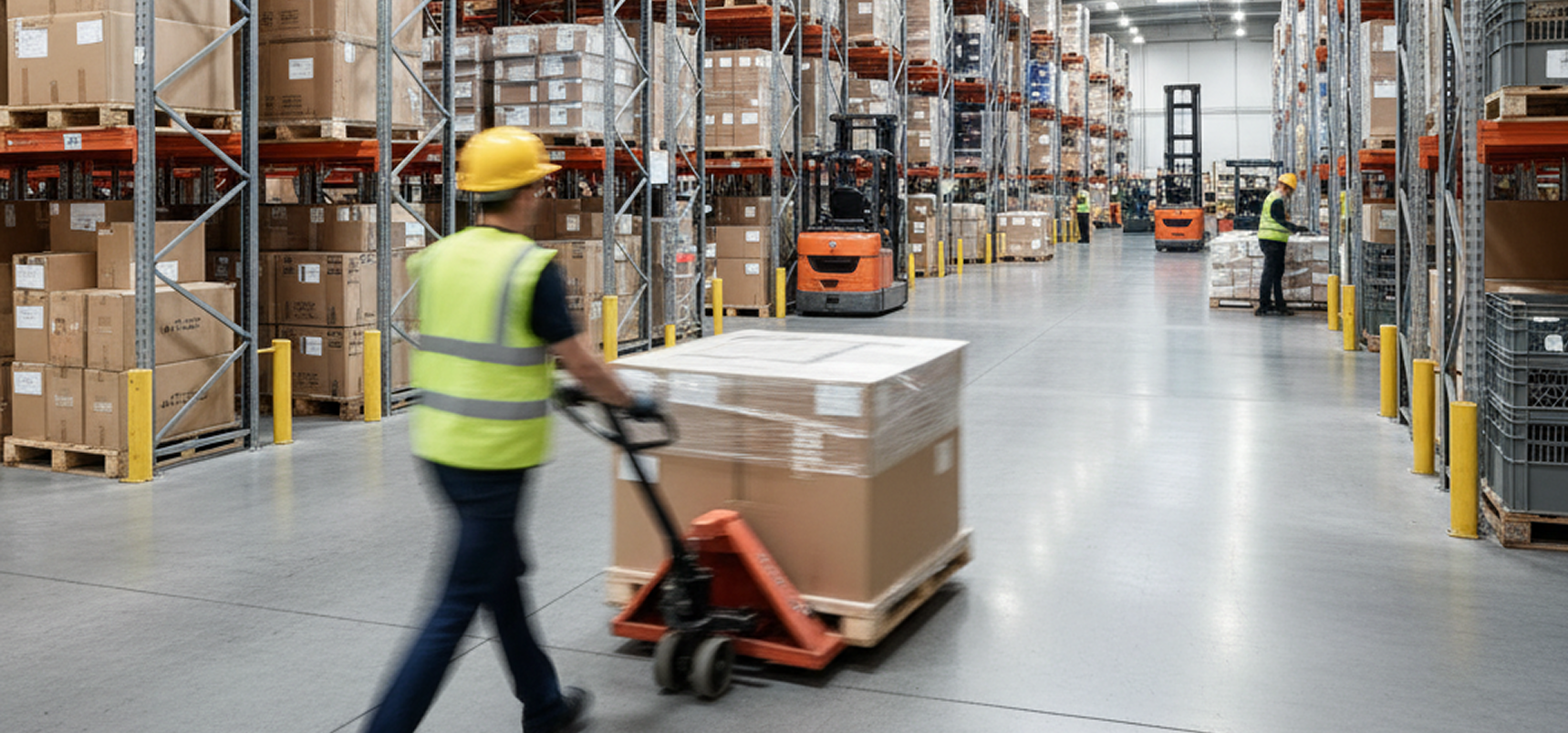
Warehousing & Fulfillment Landscape
Space and Vacancy Rates
10.9%
Lease Rates and Warehouse Classes
Warehouse lease rates in Istanbul typically range from $3.85 to $8.80 per square meter per month, with classes including standard, steel, and special warehouses at varying price points.
Major Warehouse Districts
Halkalı, Yeşilbayır, Hadımköy, Tuzla, Gebze, Maltepe, Bağcılar, and Arnavutköy.
Last-Mile Delivery Infrastructure
Istanbul’s last-mile delivery infrastructure is adapting to rapid e-commerce growth by integrating diverse transportation modes, sustainability initiatives, and emerging technologies, though it still faces challenges with congestion and limited adoption of advanced innovations compared to global leaders.
Automation and Technology Adoption
Warehouse automation in Istanbul is rapidly advancing, with strong adoption of AI, IoT, robotics, and warehouse management systems driven by e-commerce growth, efficiency demands, and government incentives.
Cold Storage and Specialty Warehousing
Cold storage and specialty warehousing facilities in Istanbul provide temperature-controlled environments for food, pharmaceuticals, and other sensitive goods, featuring advanced insulation, automated systems, and specialized logistics services to ensure product safety and efficient distribution.
Supply Chain Analysis
Key Industries
Finance, trade, tourism and hospitality, real estate and construction, technology and startups, textile and manufacturing, health and medical services, food processing, automotive assembly, chemicals, electronics, and agriculture.
Major Logistics Providers
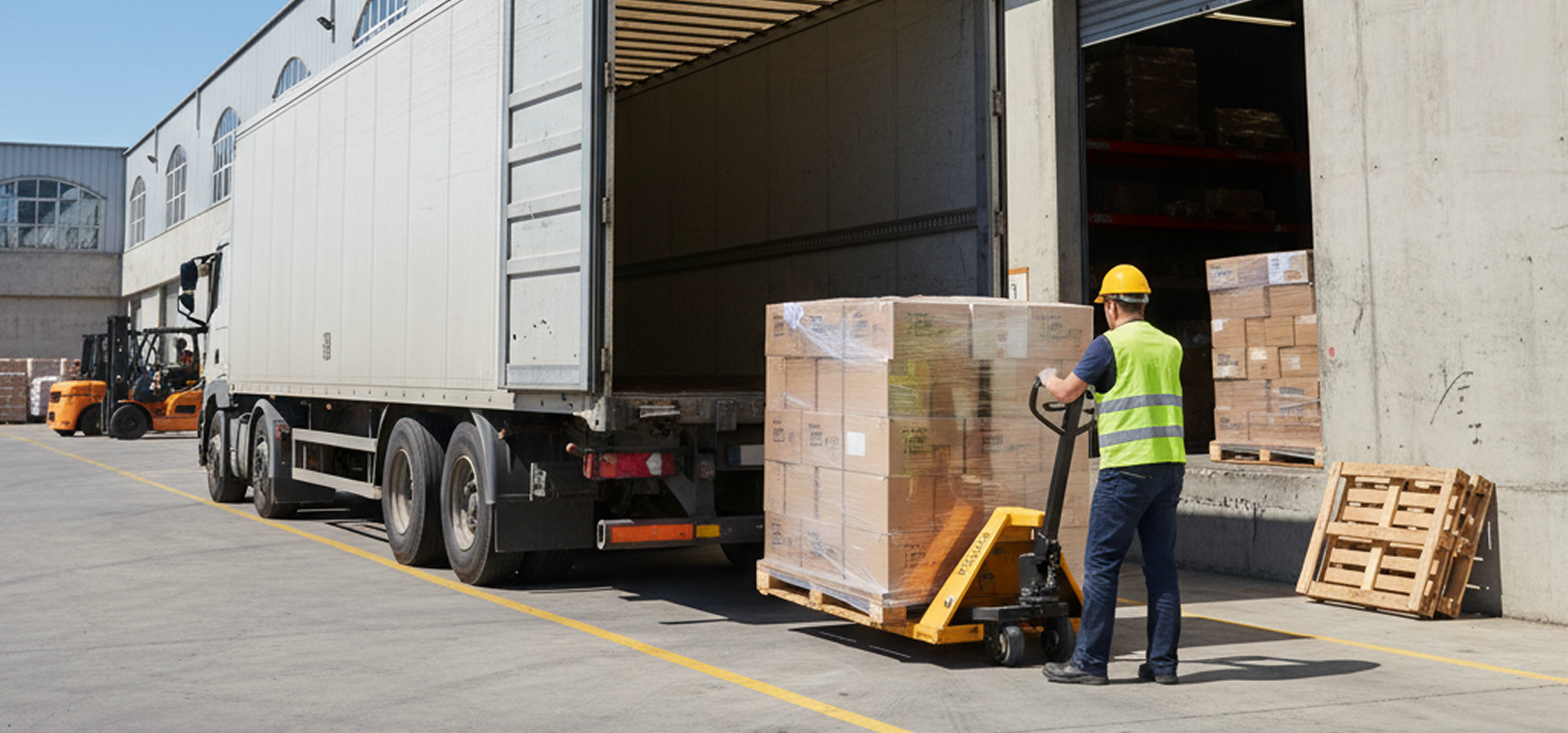
Arkas Holding, Mars Lojistik, OMSAN Lojistik, Netlog Logistics, Borusan Logistics, Kuehne + Nagel, DHL Supply Chain, Ekol Logistics, Omni Logistics, SEKO Ulak Lojistik, Logistics Plus, BATI, ATA Freight, Bayraktar Shipping Group, AlFares Lojistik, Gemline Shipping Trading, UPS, Navlungo, Kamion.
Import/Export Volumes and Trading Partners
Istanbul’s import/export volumes reflect Türkiye’s national totals, with exports reaching $178.02 billion and imports $238.16 billion for January–August 2025; key trading partners include Germany, the UK, the US, Italy for exports, and China, Russia, Germany for imports.
Supply Chain Resilience
Istanbul’s supply chain resilience is challenged by geopolitical volatility, regulatory risks, and global disruptions, but ongoing efforts focus on diversification, sustainability, and integration with European standards.
Local Manufacturing Capabilities
Istanbul has highly developed manufacturing capabilities, especially in textiles and machinery, supported by modern facilities, advanced technology, and a skilled workforce.
Industry Clusters
Istanbul's main industry clusters include textile, primary metal, machinery, electric-electronic sectors, and significant manufacturing activities in areas like Küçükçekmece and Ümraniye.
Competitive Advantages
Istanbul’s key competitive advantages as a logistics/business hub are its strategic geographic location bridging Europe, Asia, and the Middle East, robust multimodal infrastructure, advanced technology-driven logistics solutions, and efficient access to major global markets.
Infrastructure Assessment
Detailed evaluation of Istanbul's infrastructure quality, investment projects, utility systems, and environmental considerations for strategic planning.
Quality and Capacity
Istanbul’s infrastructure features large-scale, modern projects and ongoing seismic retrofitting, but faces challenges with aging assets, environmental risks, and capacity strains due to rapid urban growth and earthquake vulnerability.
Planned Investments
Major planned infrastructure investments in Istanbul include disaster resilience upgrades, new metro lines, expanded highways, the Kanal Istanbul waterway, and a 122 km cross-Bosphorus railway connecting both airports and supporting high-speed rail.
Utilities Reliability and Costs
Istanbul has modern, government-managed infrastructure for power (electricity and natural gas), water, and internet, with increasing adoption of smart grids, IoT, and digital technologies to improve reliability and efficiency.
Environmental Factors
Key environmental factors affecting logistics in Istanbul include severe traffic congestion, air pollution, extreme heat, high population density, and challenges in waste and water management.
