Jakarta
Jakarta's infrastructure quality is characterized by rapid urbanization-driven expansion, persistent challenges in flood management and transportation, and ongoing efforts to improve resilience and integration, yet remains hampered by systemic interdependencies and uneven service delivery.
11.411.4 M+
Population
662662 km²
Area
17,17217,172 /km²
Density
Growth Trends
198.1K
The projected net population growth in Jakarta for 2024 is 198,100.
Working-Age Population
70.73%
67% of the population in Emerging Asia, India, Latin America, the Caribbean, and the Middle East and North Africa is of working age.
Employment Rates
Key industries include manufacturing, finance, e-commerce, and automotive, with major corporations like Bank Mandiri, Astra International, and Tokopedia playing significant roles.
Educational Attainment
Tertiary attainment among young adults aged 25-34 in OECD countries increased from 45% in 2019 to 48% in 2024, placing it among top OECD nations.
Foreign Residents
The average income for foreign residents in Jakarta is about 540 million yen with 50% earning less.
Ethnic Composition
Foreign residents in Jakarta surpassed 0.3 million in 2024, making up about 2.6% of the city population, with largest groups from China, South Korea, Japan, and India.
Commuting
Over 1.4 million people commute daily from Jakarta’s outskirts, with about 950,000 using commuter rail, primarily traveling from suburban districts into the city center for work.
Migration Patterns
16,000
Average Income
11K
The average annual income in Jakarta is about 13 million yen, though more than half earn less than this amount.
Transportation & Logistics Overview
Warehousing & Fulfillment Landscape
Space and Vacancy Rates
34
Lease Rates and Warehouse Classes
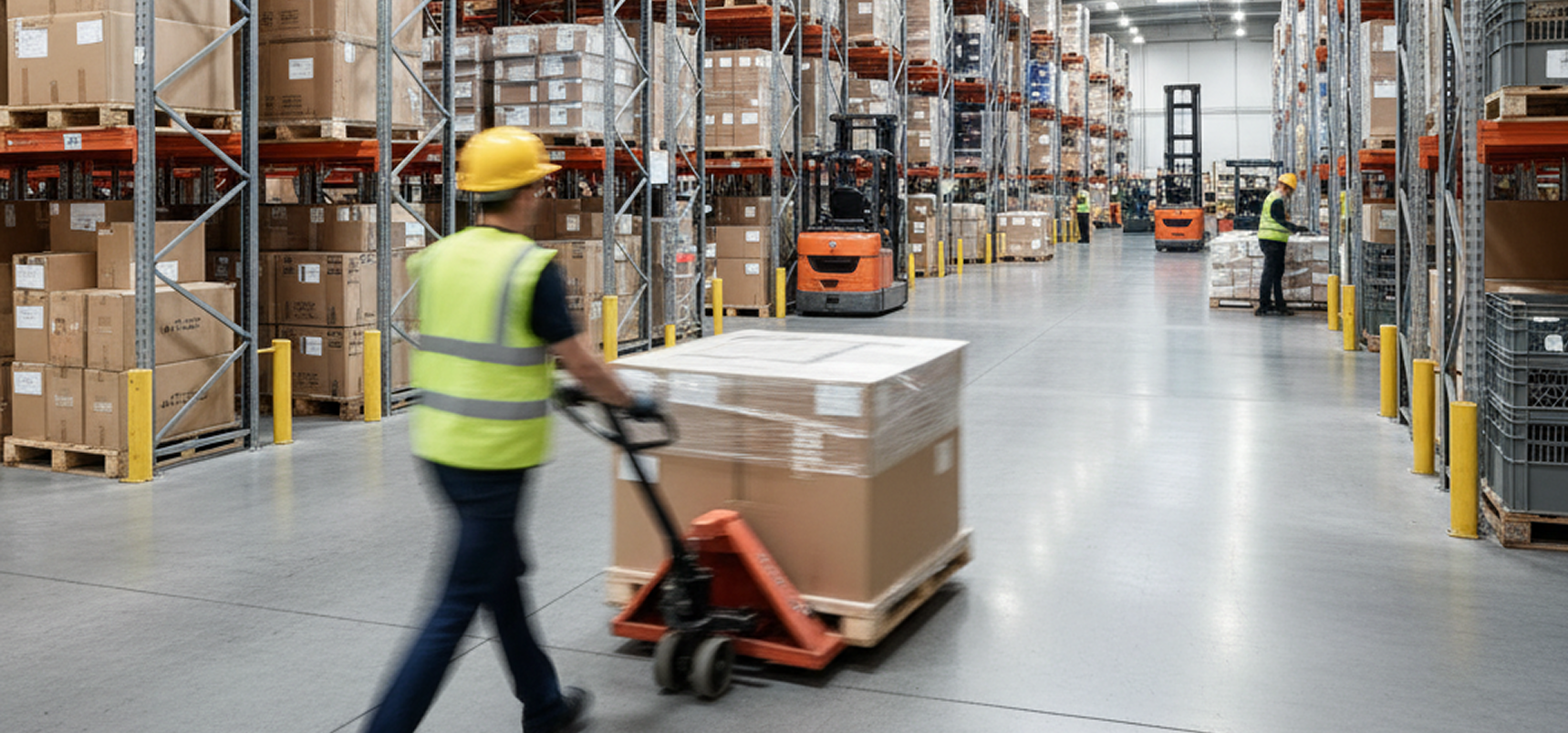
In Q4 2024, Jakarta warehouse rental rates averaged 102,500 Indonesian rupiah per square meter per month, with the city commanding higher prices than outlying areas due to its status as Indonesia's financial center.
Major Warehouse Districts
Tanjung Priok, Bekasi, Cikarang, Karawang, Depok, Bogor, and Greater Jakarta (Jabodetabek) industrial corridors.
Last-Mile Delivery Infrastructure
Jakarta’s last-mile delivery infrastructure relies heavily on motorcycles and on-demand courier services, supported by e-commerce logistics hubs and emerging technologies like real-time tracking and automated sorting, but faces challenges from traffic congestion and urban infrastructure limitations.
Automation and Technology Adoption
Warehouse automation in Jakarta is expected to grow with the adoption of smart technologies, including AI-driven systems and IoT-enabled tracking, to enhance efficiency and operational costs, driven by developments in multi-storey warehouses and foreign investments.
Cold Storage and Specialty Warehousing
Cold storage and specialty warehousing facilities in Jakarta provide temperature-controlled storage and distribution services for perishable goods such as meat, seafood, fruits, vegetables, and frozen foods, supporting food processing, retail, and restaurant industries.
Supply Chain Analysis
Key Industries
Key industries and economic sectors in Jakarta include services (banking, finance, trade, hospitality, tourism, healthcare, education, creative industries), manufacturing (electronics, automotive, chemicals, mechanical engineering, biomedical sciences), construction, wholesale and retail trade, and property investment.
Major Logistics Providers
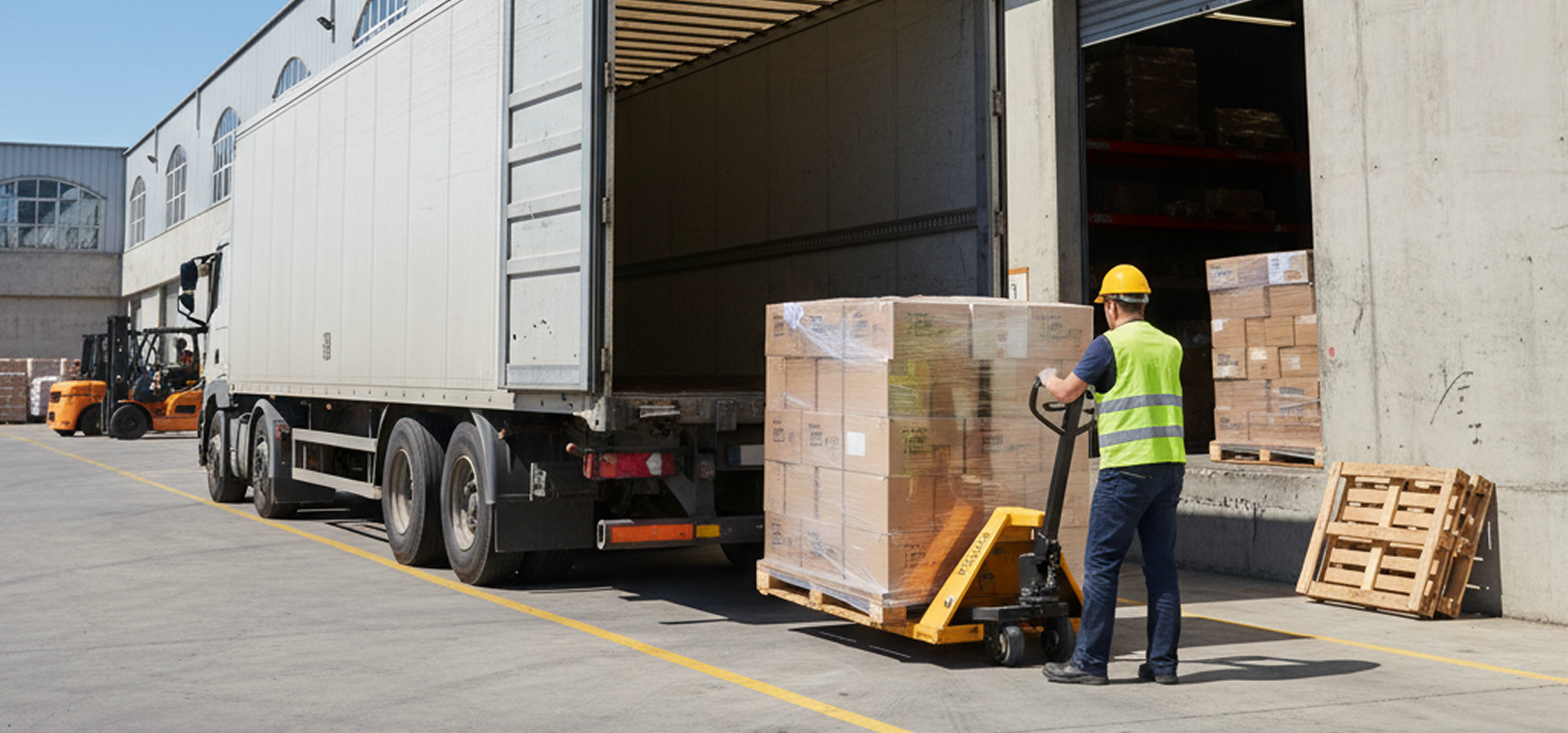
PopBox Asia Services, Intramega Global, Logistic Expert Consulting, Papandayan Cargo, IMS Logistics, Pickpack Indonesia, IndoExpress Logistics, Samudera Indonesia, Gotrans Logistics International, Intiraga Logistics, Advance Trans, PT Sinar Baru Logistik
Import/Export Volumes and Trading Partners
Jakarta’s import and export volumes are driven by machinery, mineral fuels, and palm oil, with China, the United States, Japan, India, and Singapore as key trading partners.
Supply Chain Resilience
Jakarta’s supply chain resilience faces significant risk factors from increasing dependence on imported electricity, vulnerability to natural disasters such as flooding and seismic activity, and the need for integrated, adaptive disaster management and cross-sector collaboration.
Local Manufacturing Capabilities
Jakarta is a major industrial hub with diverse local manufacturing capabilities spanning automotive, food processing, textiles, electronics, metals, chemicals, and small-scale retail production.
Industry Clusters
The main industry clusters in Jakarta are finance and banking, trading, manufacturing (including automotive, electronics, chemicals, mechanical engineering, and biomedical sciences), and services.
Competitive Advantages
Jakarta’s key competitive advantages as a logistics/business hub are its strategic location on major global trade routes, expanding and digitized port infrastructure, large and growing domestic market, strong connectivity to manufacturing zones, and dominant role as Indonesia’s commercial and economic center.
Infrastructure Assessment
Detailed evaluation of Jakarta's infrastructure quality, investment projects, utility systems, and environmental considerations for strategic planning.
Quality and Capacity
Jakarta’s infrastructure quality is hampered by frequent flooding, limited integrated planning, and interdependent vulnerabilities, while capacity struggles to keep pace with rapid urban growth and environmental challenges.
Planned Investments
Planned infrastructure investments in Jakarta focus on water resource projects, road and bridge upgrades, expanded wastewater management, green buildings, electric vehicle infrastructure, and major projects like the Giant Sea Wall, with funding from government budgets, creative financing, and public-private partnerships.
Utilities Reliability and Costs
Jakarta's utility infrastructure includes power systems that are interdependent with water infrastructure, a water supply managed by PAM JAYA covering a significant portion of the population, and internet services as part of its ICT infrastructure.
Environmental Factors
Jakarta's logistics sector faces severe environmental challenges from air pollution caused by 20 million vehicles, water contamination from industrial waste and untreated sewage, and rapid deforestation in surrounding areas that collectively impact transportation infrastructure and supply chain operations.
