Jinan
Jinan's infrastructure quality is modern and rapidly improving, with significant investments in green transport, public services, and major development projects.
4.34.3 M+
Population
3,2583,258 km²
Area
1,3641,364 /km²
Density
Growth Trends
78K
The projected net population growth in Jinan for 2024 is 78,000.
Working-Age Population
69.7%
67% of the European Union population is of working age (20–64 years) as of 2023, reflecting ongoing demographic shifts.
Employment Rates
Key industries include electronic information, transportation equipment, and machinery manufacturing, with major corporations like Lingong Group, Aiko Solar, and Casco Signals playing significant roles.
Educational Attainment
Tertiary attainment among young adults aged 25-34 in OECD countries increased from 45% in 2019 to 48% in 2024.
Foreign Residents
The average income for foreign residents in Jinan is about 0.39 million yen, with 50% earning less.
Ethnic Composition
Foreign residents in Jinan surpassed 0.03 million in 2024, making up about 0.3% of the city population, with largest groups from South Korea, Japan, and the United States.
Commuting
The central urban area of Jinan has 4.35 million population with 6 km average commuting distance, where 40% use cars, 38% bikes, and 22% buses.
Migration Patterns
78000
Average Income
390K
The average annual income in Jinan is about 390,000 CNY (approximately 8.5 million yen), though more than half earn less than this amount.
Transportation & Logistics Overview
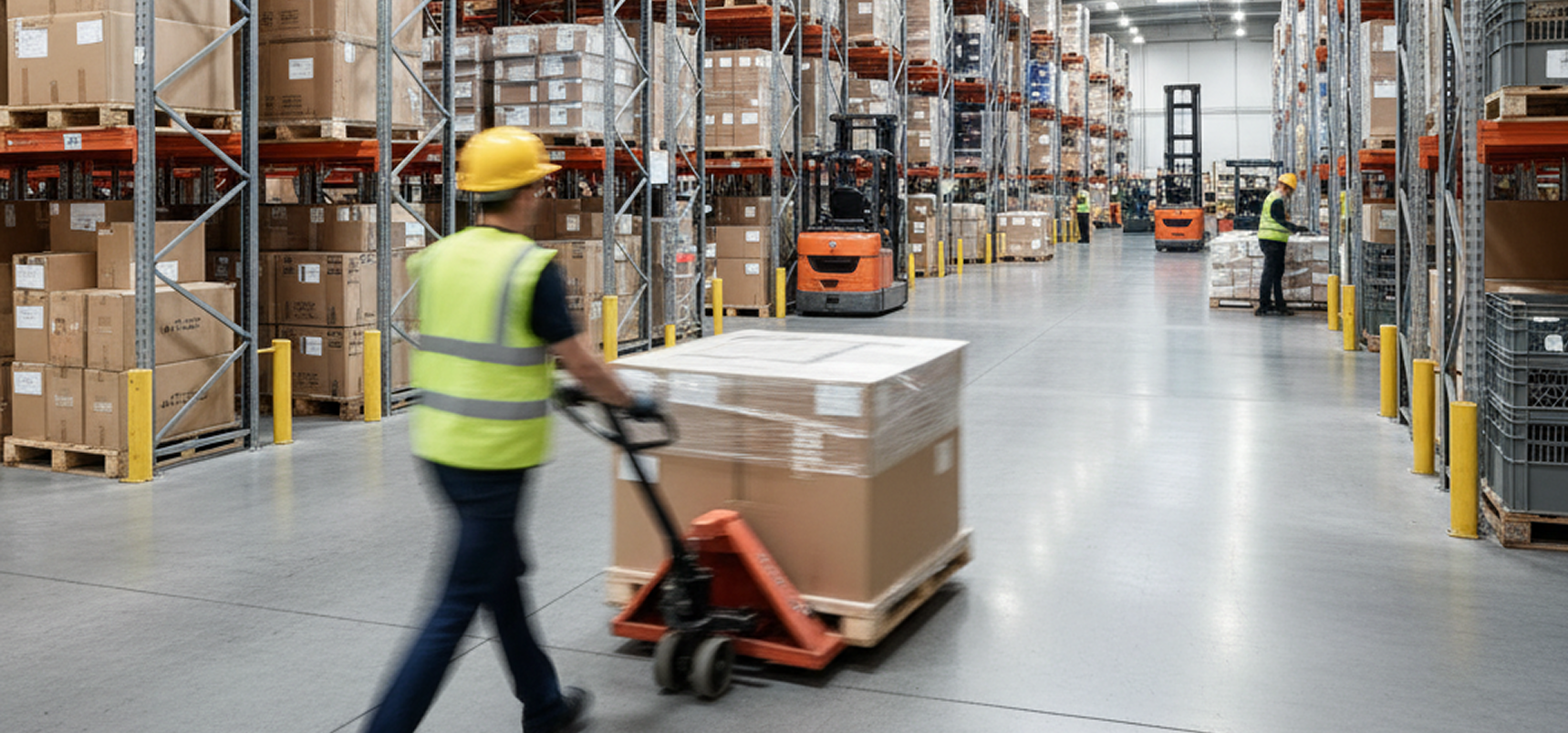
Warehousing & Fulfillment Landscape
Space and Vacancy Rates
6.2%
Lease Rates and Warehouse Classes
Warehouse lease rates in Jinan typically range from $25 to $80 per square meter per year, with Class A warehouses offering modern facilities at the higher end and Class B/C options available at lower rates.
Major Warehouse Districts
Forest Jinan EDZ Logistics Park, Prologis Jinan Airport Logistics Center (Jinan Innovation Zone), Mapletree Jinan International Logistics Park, Huaiyin District, Tianqiao District, Licheng District, Changqing District, Zhangqiu District, Jiyang District, Laiwu District, Gangcheng District, Pingyin County, Shanghe County, Jinan Area (China Pilot Free Trade Zone, including Lixia District, Licheng District, Jinan Innovation Zone, Zhangjin Comprehensive Bonded Area).
Last-Mile Delivery Infrastructure
Jinan’s last-mile delivery infrastructure features a mix of direct home delivery, partnerships with convenience stores and community property management for parcel collection, and increasing use of autonomous vehicles and delivery robots to improve efficiency and meet rising e-commerce demand.
Automation and Technology Adoption
Warehouse automation in Jinan features advanced robotics, AI, and digital systems for tasks like picking and sorting, with adoption driven by efficiency gains but challenged by integration, workforce skills, and change management.
Cold Storage and Specialty Warehousing
Cold storage and specialty warehousing facilities in Jinan feature large-scale, multi-temperature environments with advanced refrigeration systems for fresh-keeping, freezing, and quick-freezing, serving industries such as food, retail, and pharmaceuticals.
Supply Chain Analysis
Key Industries
Key industries and economic sectors in Jinan include intelligent manufacturing, new materials, information technology, biomedicine, pharmaceuticals, transportation equipment, textiles, chemicals, steel, agriculture, logistics, and digital finance.
Major Logistics Providers
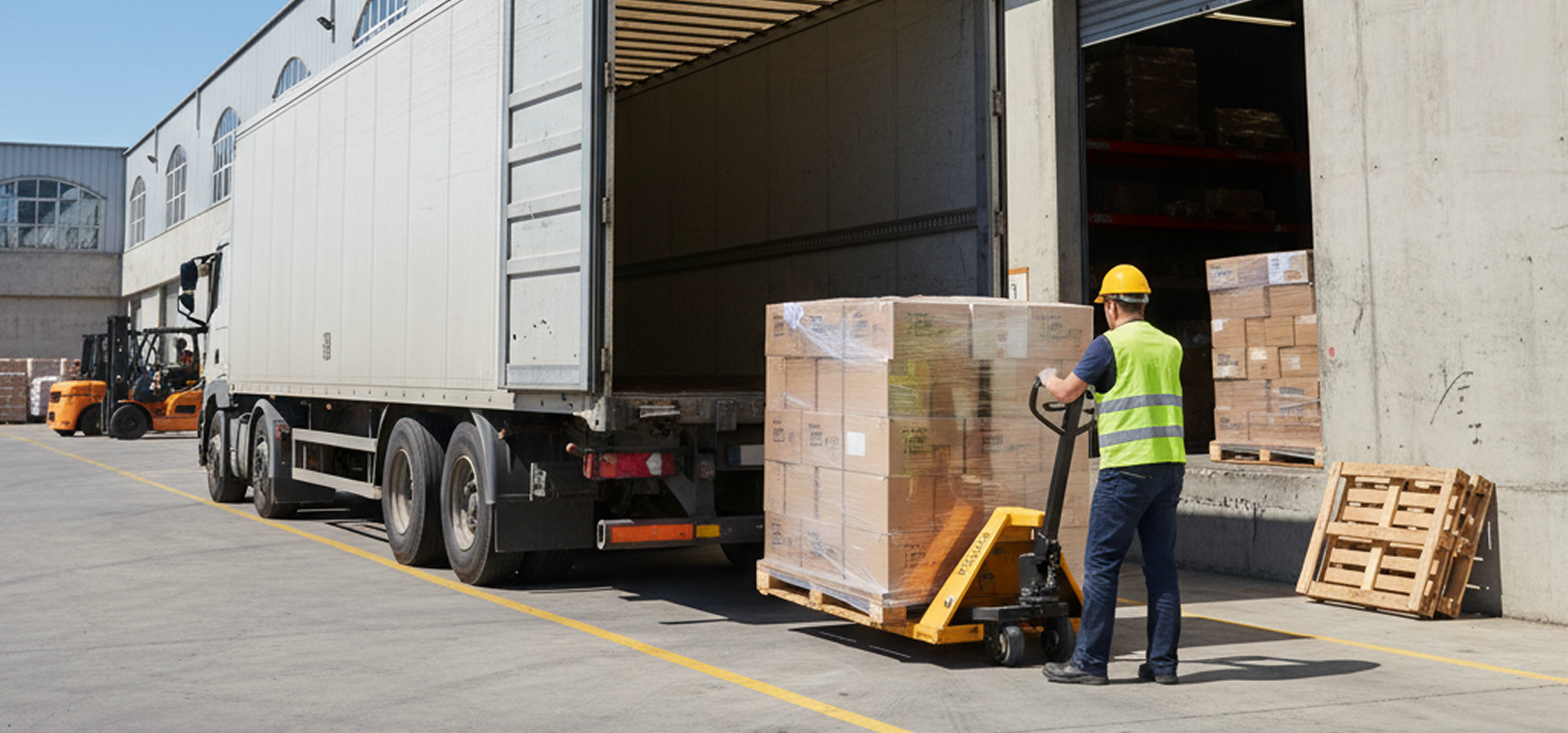
KION Group (Linde Material Handling, Baoli), Dematic, Jigang Supply Chain Jinan, Seapoe Global Relocations, Jinan Shenghui Logistics, Jinan Long Distance Transportation Special Cargo Freight.
Import/Export Volumes and Trading Partners
Jinan’s import and export volumes have grown steadily, with key trading partners including ASEAN, the EU, and Belt and Road Initiative countries, focusing on machinery, electronics, and consumer goods.
Supply Chain Resilience
Supply chain resilience in Jinan faces challenges from limited product development capacity, supply constraints, and market position, with risks heightened by trade barriers, supply concentration, and external shocks.
Local Manufacturing Capabilities
Jinan has strong local manufacturing capabilities, particularly in advanced manufacturing, high-end equipment, intelligent manufacturing, and digital economy sectors, with major facilities producing laser cutting equipment, shield tunneling machines, haul trucks, robotics, semiconductor materials, and specialized appliances.
Industry Clusters
Jinan's main industry clusters are information technology, intelligent manufacturing and high-end equipment, biomedicine and health, transportation equipment, home appliances, machinery manufacturing, and textiles.
Competitive Advantages
Strategic location at major rail and highway intersections, advanced logistics infrastructure, strong industrial base, supportive government policies, and comprehensive free trade and bonded zones.
Infrastructure Assessment
Detailed evaluation of Jinan's infrastructure quality, investment projects, utility systems, and environmental considerations for strategic planning.
Quality and Capacity
Jinan's infrastructure quality and capacity are improving, with a focus on expanding mixed-use functional areas and optimizing urban functions, but there is a need to enhance efficiency in space development.
Planned Investments
Jinan is advancing major infrastructure projects in 2025, including large-scale investments in urban transportation, energy, water conservancy, public welfare sectors, and the expansion of electric trolleybus and bus rapid transit networks.
Utilities Reliability and Costs
Jinan has modern utility infrastructure with coal-based and renewable power generation, extensive water supply and drainage systems, and widespread internet connectivity supported by state-owned providers.
Environmental Factors
Key environmental factors affecting logistics in Jinan include air pollution, aging infrastructure, traffic congestion, and the need for green technology adoption and policy support.
