Johannesburg
Johannesburg's infrastructure is strained by aging systems, frequent service interruptions, and significant inequality in access to basic services.
5.55.5 M+
Population
1,6451,645 km²
Area
3,7263,726 /km²
Density
Growth Trends
120.2K
The projected net population growth in Johannesburg for 2024 is 120,230.
Working-Age Population
72.7%
67% of the population in Emerging Asia, India, Latin America, and the Middle East and North Africa is of working age.
Employment Rates
Key industries include financial services, mining, manufacturing, and telecommunications, with major corporations like Standard Bank, Anglo American, and MTN Group playing significant roles.
Educational Attainment
Tertiary attainment among young adults aged 25-34 in OECD countries increased from 45% in 2019 to 48% in 2024, placing it among top OECD nations.
Foreign Residents
The average income for foreign residents in Johannesburg is about 2.3 million yen, with 50% earning less.
Ethnic Composition
Foreign residents in Johannesburg surpassed 700,000 in 2024, making up about 11% of the city population, with the largest groups from Zimbabwe, Mozambique, Malawi, and Lesotho.
Commuting
In January 2025, over 30 million passenger journeys were made in Johannesburg by rail, with many commuters traveling more than 45 minutes from outlying districts into the city for work.
Migration Patterns
Johannesburg continues to attract residents from other regions with a net inflow of 120,230 people in 2024.
Average Income
15K
The average annual income in Johannesburg is about 2.1 million yen, though more than half earn less than this amount.
Transportation & Logistics Overview
Warehousing & Fulfillment Landscape
Space and Vacancy Rates
4.5%-8.5%
Lease Rates and Warehouse Classes
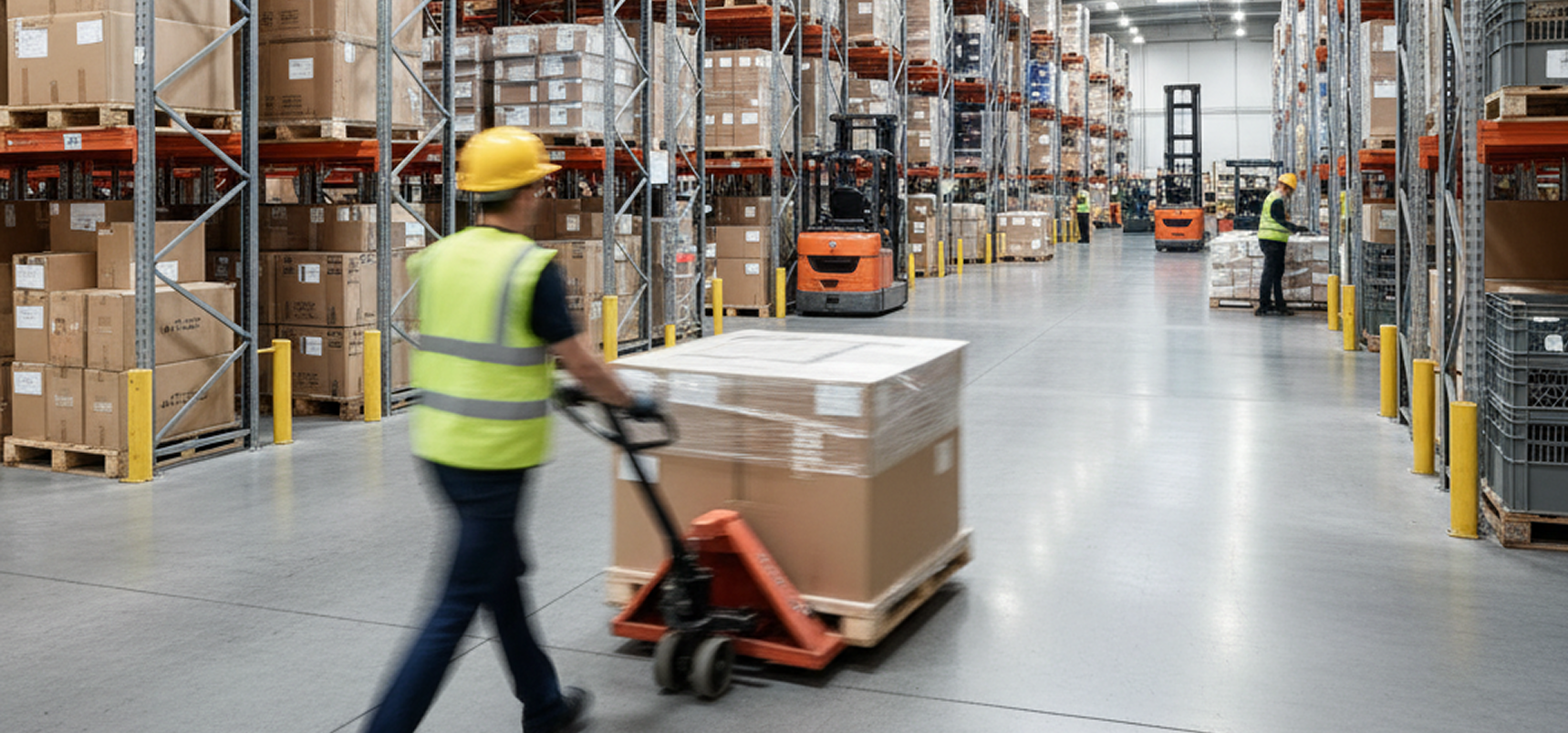
Warehouse lease rates in Johannesburg typically range from R30 to R40 per square meter per month, with Class A warehouses offering modern facilities and higher rates, while Class B and C spaces are more basic and cost less.
Major Warehouse Districts
Germiston-Ekurhuleni industrial corridor, Pomona/Kempton Park, City Deep, Isando, Meadowdale, Aeroton, Longmeadow, Riverfields.
Last-Mile Delivery Infrastructure
Johannesburg’s last-mile delivery infrastructure is shaped by rapid e-commerce growth, increased urban congestion, expanding delivery fleets, and the adoption of technology for route optimization and real-time tracking, but faces challenges like unreliable road conditions, informal settlement access issues, and security concerns.
Automation and Technology Adoption
Warehouse automation in Johannesburg is advancing with the adoption of smart technologies, including automated guided vehicles, AI-powered security systems, and green energy solutions, significantly enhancing efficiency and sustainability in logistics operations.
Cold Storage and Specialty Warehousing
Cold storage and specialty warehousing facilities in Johannesburg offer temperature-controlled environments for chilled, frozen, and ripening goods, with advanced logistics, high pallet capacities, and specialized zones to support food distribution, bulk storage, and produce handling.
Supply Chain Analysis
Key Industries
Key industries and economic sectors in Johannesburg include finance, mining, manufacturing, information technology, real estate, logistics, media, healthcare, retail, and automotive.
Major Logistics Providers
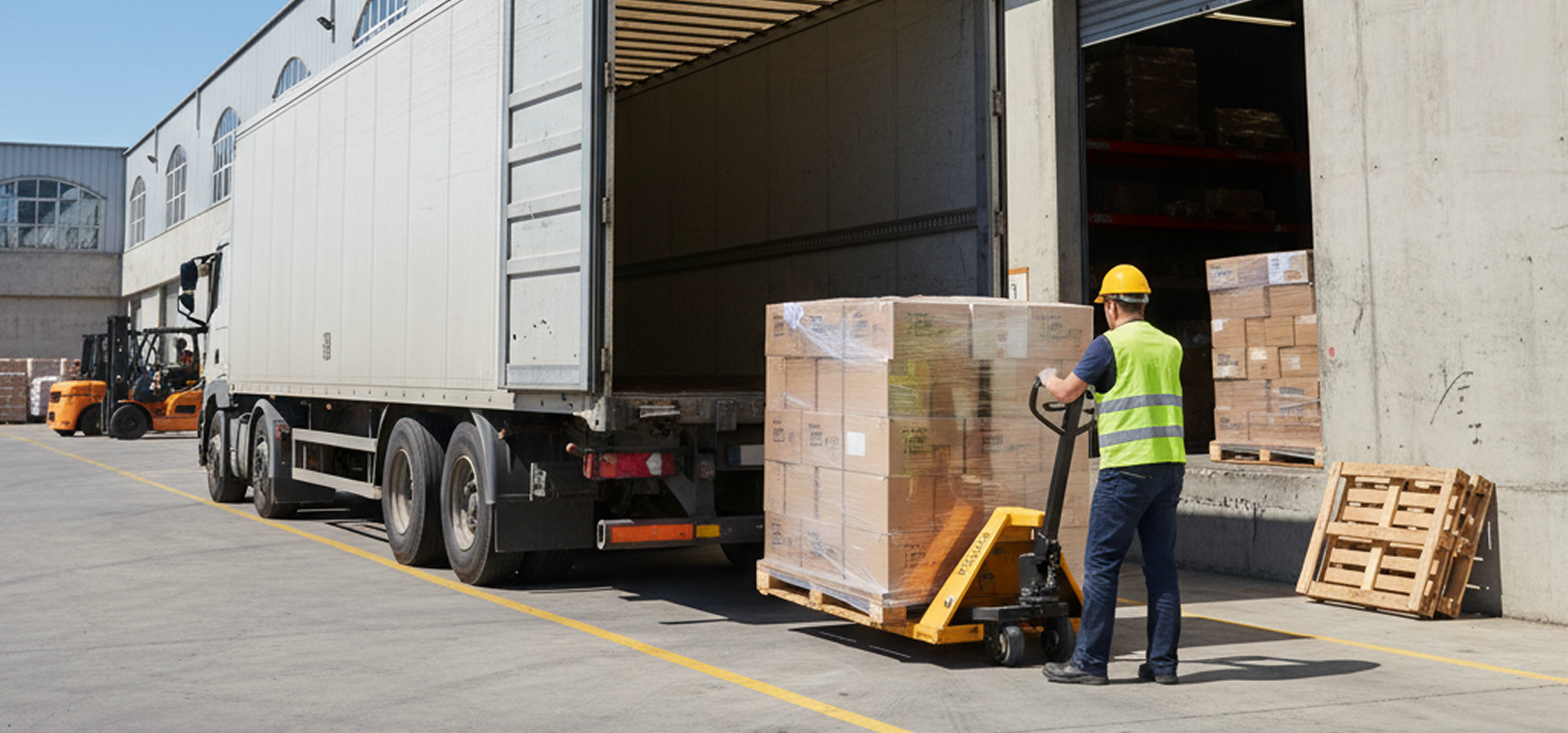
Barloworld Logistics, Value Logistics, OneLogix Group, On The Dot, Omni Logistics, Crane Worldwide Logistics, 2020 Logistics, Green Jacket Freight, Scorpio Transport, Kargo Group.
Import/Export Volumes and Trading Partners
Johannesburg handles over 1.2 million import shipments annually, with key trading partners including China, Germany, and the USA, and major trade in minerals, machinery, vehicles, and electronics.
Supply Chain Resilience
Johannesburg’s supply chain resilience is challenged by risks such as labour unrest, port inefficiencies, power disruptions, and global trade volatility, requiring proactive risk management and flexible strategies to minimize operational disruptions.
Local Manufacturing Capabilities
Johannesburg is a major hub for manufacturing in South Africa, hosting a significant portion of the country's manufacturing workforce and contributing substantially to national industrial output.
Industry Clusters
Johannesburg’s main industry clusters are finance, trade, manufacturing (including chemicals and plastics), warehousing, transport, and mining, with significant concentrations in Sandton (finance), the central business district (finance and trade), and western and southern regions (manufacturing and warehousing).
Competitive Advantages
Johannesburg’s key competitive advantages as a logistics and business hub are its status as Southern Africa’s financial and corporate center, advanced infrastructure, Africa’s busiest airport, major road and rail connections, and its strategic gateway position for accessing regional and continental markets.
Infrastructure Assessment
Detailed evaluation of Johannesburg's infrastructure quality, investment projects, utility systems, and environmental considerations for strategic planning.
Quality and Capacity
Johannesburg’s infrastructure is under significant strain from rapid population growth and historical underinvestment, resulting in backlogs and uneven service quality, but ongoing capital investments and targeted upgrades aim to address critical gaps in electricity, water, sanitation, and transport capacity.
Planned Investments
Johannesburg is investing billions of rand in the 2025/26 budget to upgrade ageing infrastructure, prioritizing water, electricity, transport, and urban renewal projects across underdeveloped regions and economic nodes.
Utilities Reliability and Costs
Johannesburg’s utility infrastructure faces frequent power outages, intermittent water supply, and unstable internet due to aging systems, underfunding, and ongoing maintenance challenges.
Environmental Factors
Johannesburg’s logistics face environmental challenges from high road transport emissions, industrial air pollution, poor road infrastructure, and urban congestion.
