Karachi
Infrastructure quality in Karachi is generally poor, with significant deficiencies in water supply, sanitation, public transport, and public spaces, though some modernization projects are underway.
11.611.6 M+
Population
3,5273,527 km²
Area
5,7725,772 /km²
Density
Growth Trends
428.2K
The projected net population growth in Karachi for 2024 is approximately 428,200.
Working-Age Population
59.4%
67% of the second wave regions' population, including Emerging Asia and India, is of working age.
Employment Rates
Key industries include textiles, steel, automotive, and chemicals, with major corporations like Pakistan Steel Mills, Pak Suzuki Motor Company, and Engro Corporation playing significant roles.
Educational Attainment
Tertiary attainment among young adults aged 25-34 in OECD countries increased from 45% in 2019 to 48% in 2024, placing it among top OECD nations.
Foreign Residents
The average income for foreign residents in Karachi is about 1.9 million yen with 25% earning less.
Ethnic Composition
Foreign residents in Karachi surpassed 1.2 million in 2024, making up about 6% of the city population, with the largest groups from Afghanistan, Bangladesh, India, and Iran.
Commuting
The Karachi metropolitan area sees millions commuting daily, with public buses carrying 34% of passengers and the Karachi Circular Railway project aiming to serve 650,000 daily rail commuters.
Migration Patterns
428,200
Average Income
634K
The average annual income in Karachi is about 634,000 rupees (approximately 0.62 million yen), though more than half earn less than this amount.
Transportation & Logistics Overview
Warehousing & Fulfillment Landscape
Space and Vacancy Rates
50%
Lease Rates and Warehouse Classes
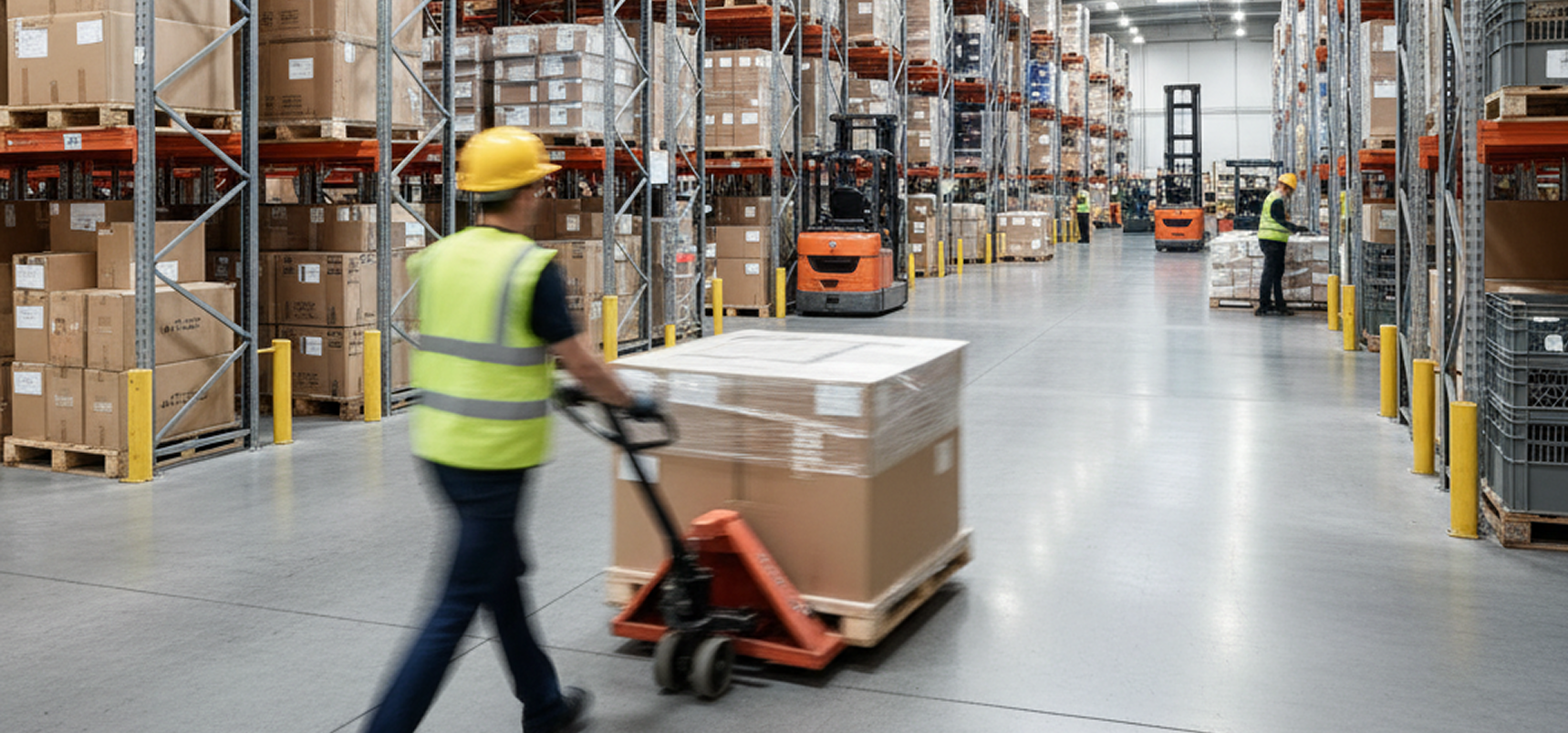
Warehouse lease rates in Karachi typically range from Rs 35 to Rs 52 per square foot monthly, with classes varying by location, construction type (RCC or ACC), and amenities such as height, security, and accessibility.
Major Warehouse Districts
Karachi Northern Bypass (M10), Port Qasim, and areas near Karachi Port and Jinnah International Airport serve as the major warehouse and logistics districts.
Last-Mile Delivery Infrastructure
Karachi’s last-mile delivery infrastructure faces urban congestion and logistical challenges but is adapting with route optimization, real-time tracking, and specialized fleets for sectors like pharmaceuticals.
Automation and Technology Adoption
Warehouse automation adoption in Karachi is growing, with many businesses implementing barcode systems and digital technologies to improve inventory accuracy, speed, and efficiency, though full automation with robotics remains limited due to cost constraints.
Cold Storage and Specialty Warehousing
Cold storage and specialty warehousing facilities in Karachi offer temperature-controlled storage solutions for perishable goods like fruits, meats, and pharmaceuticals, with services including refrigerated warehousing, inventory management, and logistics support.
Supply Chain Analysis
Key Industries
Key industries and economic sectors in Karachi include textiles, pharmaceuticals, food processing, chemicals, engineering, construction, IT and telecommunications, banking and finance, retail, tourism, education, healthcare, transportation, logistics, cement, steel, heavy machinery, shipbuilding, automotive, and insurance.
Major Logistics Providers
TCS Private Limited, Omni Logistics, Logistics Plus, Ravian Maritime, Cowasjee Logistics & Warehousing, Oceanic Star Line, The Nexus Innovations, Hisaab Enterprises, Alliance Shipping, Ocean Plastic and Metal, M/s BSL Pvt. Ltd., Praetorian, South Port Logistics, Fjords Bay, TRUKKR, Krave Mart, National Logistics Corporation, North South Transport Network, Port Link, Pyramid Logistics, Pak Shaheen Freighters, Southern Agency, Transworld Cargo Despatch, BYKEA, SCOPIQ LOGISTICS, Oware Technologies, InstaWorld.
Import/Export Volumes and Trading Partners
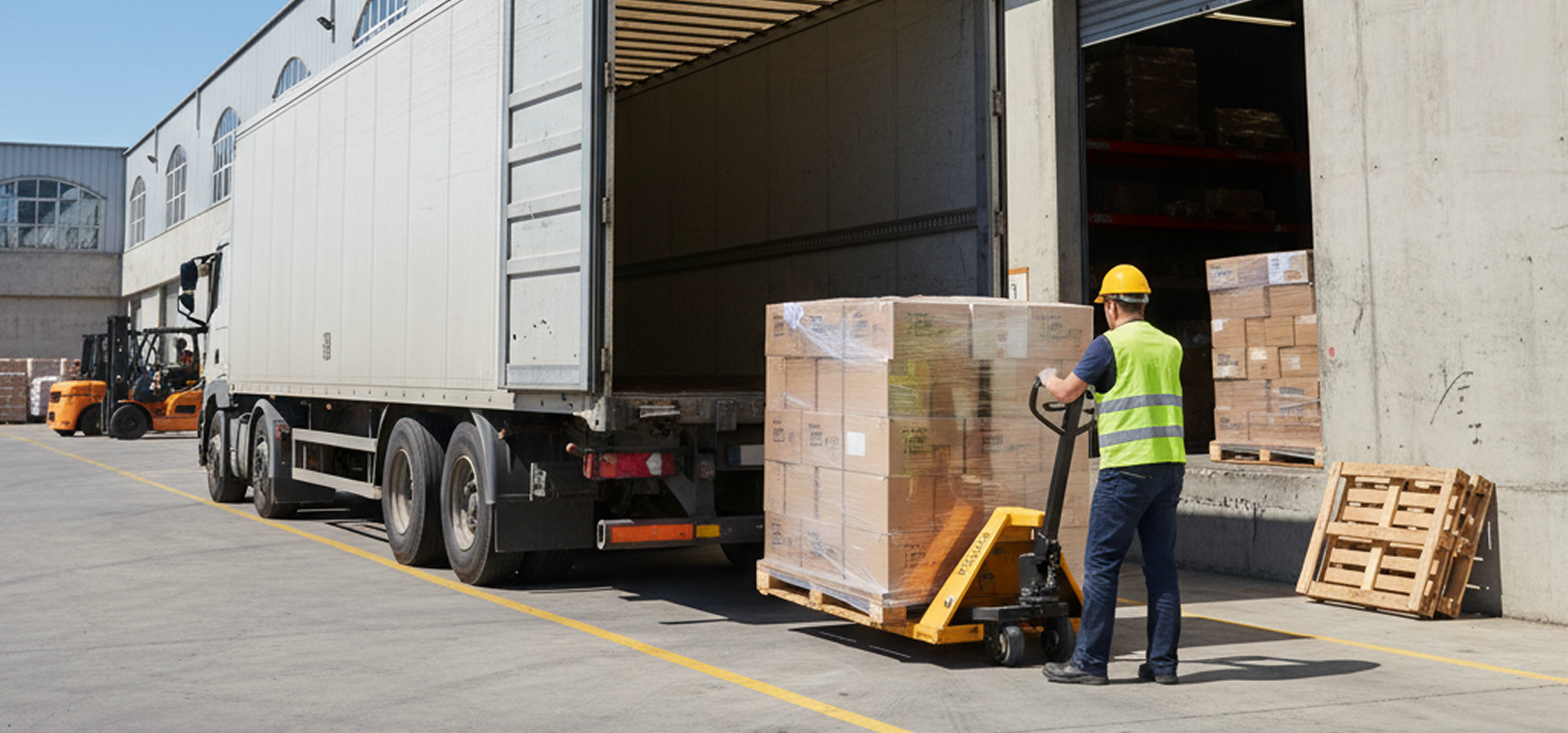
Karachi, as Pakistan's main port city, handles the bulk of the country's trade, with recent national export volumes around $24.7 billion and imports about $48.7 billion annually, and key trading partners including China, the United States, and the United Arab Emirates.
Supply Chain Resilience
Supply chain resilience in Karachi’s manufacturing sector relies on agility, preparedness, and alertness, but is challenged by high external risks such as political instability, infrastructure issues, and global disruptions.
Local Manufacturing Capabilities
Karachi is a major manufacturing hub in Pakistan, known for its textile, automotive, electronics, and pharmaceutical industries, contributing significantly to the country's GDP.
Industry Clusters
The main industry clusters in Karachi are textiles, pharmaceuticals, food processing, chemicals, engineering, construction, IT and telecommunications, banking and finance, retail, tourism, education, healthcare, transportation, logistics, automotive, shipbuilding, steel, gems and jewellery, plastics, and electrical fittings.
Competitive Advantages
Strategic location connecting South Asia, Central Asia, and the Middle East; major seaports and airport; advanced logistics infrastructure; strong financial sector; large industrial and agricultural base; and access to a skilled workforce.
Infrastructure Assessment
Detailed evaluation of Karachi's infrastructure quality, investment projects, utility systems, and environmental considerations for strategic planning.
Quality and Capacity
Karachi’s infrastructure quality and capacity are inadequate for its population and economic role, with persistent deficiencies in water supply, sewerage, drainage, and resilience to climate hazards.
Planned Investments
Planned infrastructure investments in Karachi for 2025-26 focus on ongoing urban development, water and sewerage upgrades, bridge and road projects, a seawater desalination plant, and the addition of 500 electric buses, but no new mega schemes have been announced.
Utilities Reliability and Costs
Karachi’s utility infrastructure faces chronic power shortages and load shedding, water scarcity with new desalination projects planned, and widespread but often haphazard internet and cable networks sharing power poles.
Environmental Factors
Key environmental factors affecting logistics in Karachi include severe air and water pollution, inadequate waste management, heavy reliance on fossil fuels, and insufficient infrastructure, all of which disrupt supply chains and increase operational costs.
