Khartoum
Infrastructure quality in Khartoum is generally poor, with significant damage from recent conflict, limited public transport, inadequate utilities, and a need for major investment and modernization.
22 M+
Population
1,0101,010 km²
Area
22,10022,100 /km²
Density
Growth Trends
212.1K
The projected net population growth in Khartoum for 2024 is 212,000.
Working-Age Population
56.35%
67% of the global population is of working age, with this share expected to decline in developed regions over time.
Employment Rates
Key industries include agriculture, manufacturing, mineral processing, and electronics assembly, with major corporations like Giad Industrial Group, Kenana Sugar Company, and Sayga Flour Mills playing significant roles.
Educational Attainment
Tertiary attainment among young adults aged 25-34 in Japan increased from 62% in 2019 to 66% in 2024, placing it among top OECD nations.
Foreign Residents
The average income for foreign residents in Khartoum is about 0.12 million yen with 80% earning less.
Ethnic Composition
Foreign residents in Khartoum surpassed 0.3 million in 2024, making up about 2% of the city population, with largest groups from South Sudan, Syria, Eritrea, Ethiopia, CAR, Chad, and Yemen.
Commuting
Commuting information not available
Migration Patterns
212,110
Average Income
55K
The average annual income in Khartoum is about 300,000 yen, though more than half earn less than this amount.
Transportation & Logistics Overview
Warehousing & Fulfillment Landscape
Space and Vacancy Rates
The search results do not contain information about warehouse space vacancy rates in Khartoum.
Lease Rates and Warehouse Classes
Warehouse lease rates in Khartoum typically range from SDG 1,000 to 3,000 per square meter, with classes and specifications varying by location and facility quality.
Major Warehouse Districts
Khartoum International Airport area, industrial zones near production corridors, and central city districts including Omdurman.
Last-Mile Delivery Infrastructure
Last-mile delivery infrastructure in Khartoum relies on a mix of local partnerships, technology-driven solutions like GPS tracking, and creative approaches such as drones to overcome limited urban infrastructure and ensure goods reach customers efficiently.
Automation and Technology Adoption
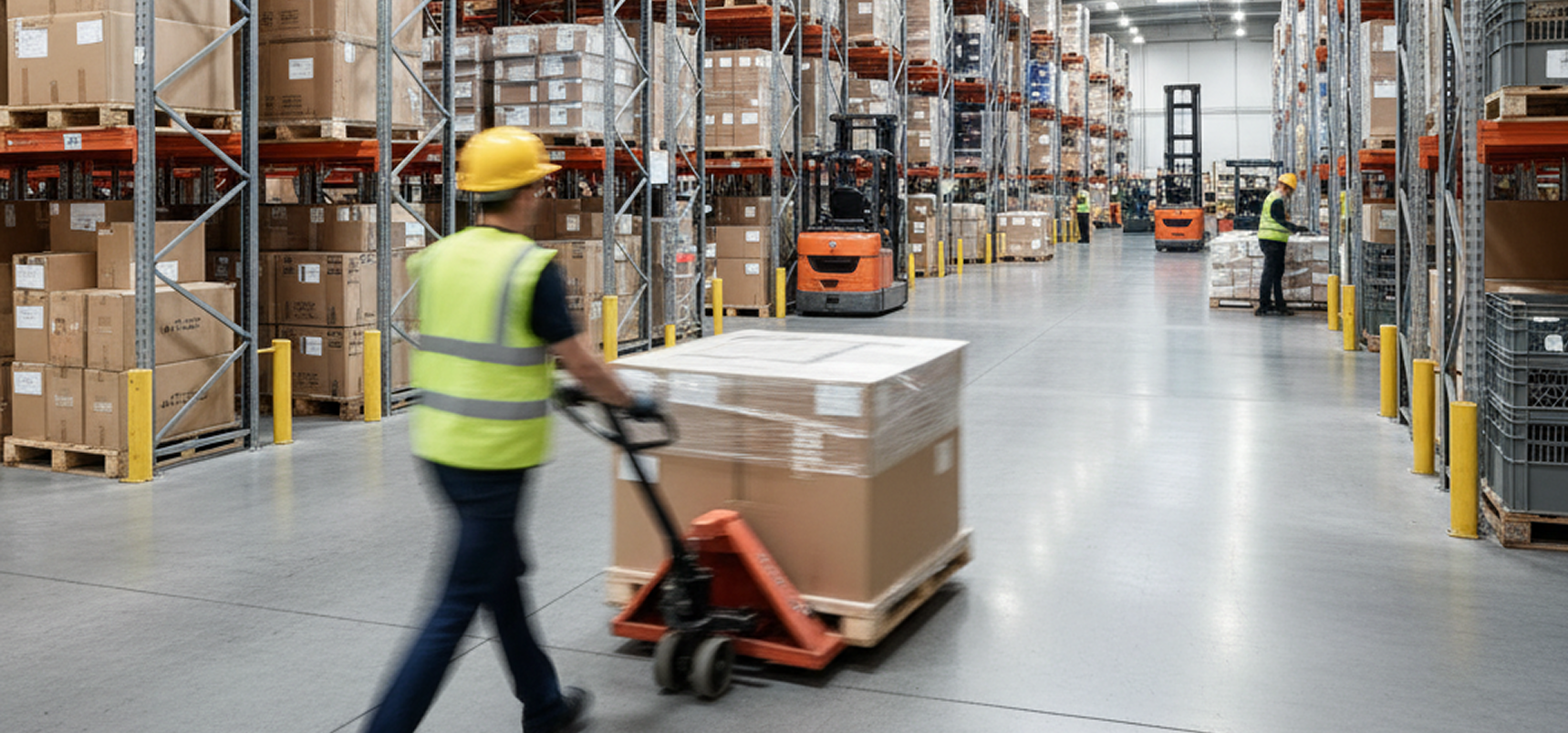
Warehouse automation and technology adoption in Khartoum remain limited, with most operations relying on manual processes and only gradual interest in modern automation solutions.
Cold Storage and Specialty Warehousing
Cold storage facilities in Khartoum are specialized warehouses designed to maintain precise temperature control for preserving food, pharmaceuticals, and other temperature-sensitive products, while specialty warehousing facilities focus on specific logistical needs such as cold chain management.
Supply Chain Analysis
Key Industries
Key industries and economic sectors in Khartoum include agriculture and food processing, manufacturing (plastics, furniture, leather goods), electronics assembly, medical manufacturing, vehicle and military equipment assembly, mineral processing (gold, copper, chromium), and small businesses producing dairy, detergents, and packaging.
Major Logistics Providers
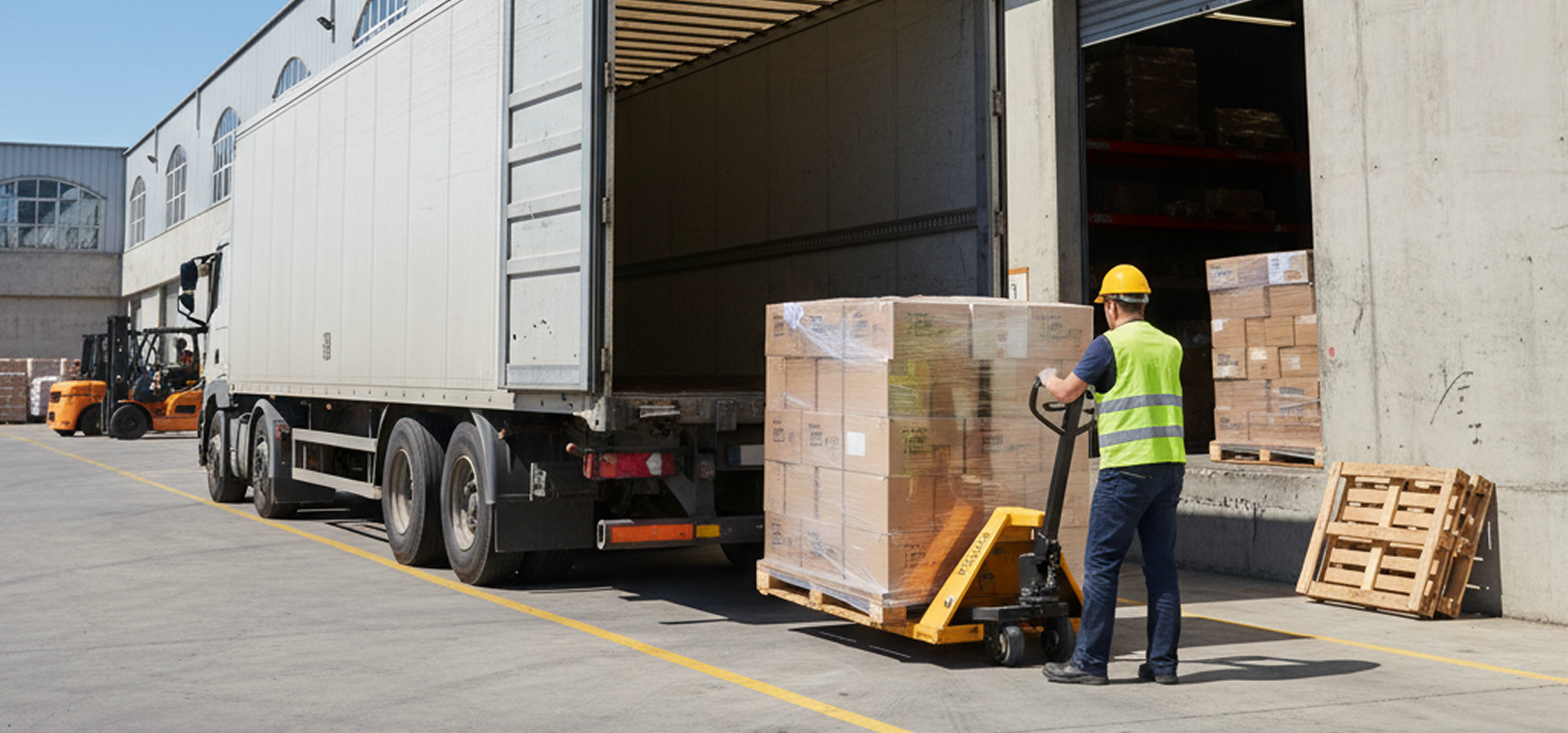
Africa Global Logistics, Asfar Logistics, Five Logistics, Bravo Air Aviation Services, United Cargo, Extended for Trading & Shipping, Eden Logistics, Mediterranean Shipping Company (MSC), CMA CGM, Maersk.
Import/Export Volumes and Trading Partners
In the first half of 2025, Khartoum’s exports totaled $1.35 billion and imports $2.54 billion, with key trading partners including China, UAE, and Saudi Arabia, and Port Sudan handling the majority of import shipments.
Supply Chain Resilience
Supply chain resilience in Khartoum is extremely low due to collapsed transportation and distribution networks, widespread infrastructure damage, resource shortages, and ongoing conflict, with key risk factors including insecurity, funding gaps, and disrupted market integration.
Local Manufacturing Capabilities
Khartoum has diverse local manufacturing capabilities, including large-scale steel production, established textile and footwear industries, and various consumer goods factories.
Industry Clusters
Khartoum's main industry clusters include agriculture, manufacturing (plastics, furniture, leather goods), electronics assembly, medical manufacturing, vehicle and military equipment assembly, and mineral processing (gold, copper, chromium).
Competitive Advantages
Khartoum’s key competitive advantages as a logistics/business hub are its established cross-border trading networks, central location connecting regional markets, resilient supply chains, and capacity for rapid stock increases.
Infrastructure Assessment
Detailed evaluation of Khartoum's infrastructure quality, investment projects, utility systems, and environmental considerations for strategic planning.
Quality and Capacity
Khartoum’s infrastructure quality and capacity are severely degraded due to extensive conflict-related damage to industrial sites, water and energy systems, and widespread debris, leaving critical services like water treatment and electricity supply at minimal operational levels.
Planned Investments
Planned infrastructure investments in Khartoum focus on rebuilding and restoring essential services such as power, water, hospitals, schools, and roads, with an estimated minimum cost of $350 million and a full recovery expected to take several years.
Utilities Reliability and Costs
Information about utilities reliability and costs not available.
Environmental Factors
Key environmental factors affecting logistics in Khartoum include poor drainage, frequent flooding, inadequate waste and sewage management, high pollution, extreme heat, dust storms, and infrastructure damage from conflict.
