Kinshasa
Infrastructure quality in Kinshasa is generally poor, with limited access and deteriorating transport, water, and energy systems, though some improvement projects are underway.
10.110.1 M+
Population
9,9659,965 km²
Area
158,060158,060 /km²
Density
Growth Trends
746.2K
The projected net population growth in Kinshasa for 2024 is 746,200.
Working-Age Population
57.00%
67% of Emerging Asia, India, Latin America, and the Caribbean's population is of working age.
Employment Rates
Key industries include food processing, timber processing, mining, and consumer goods with major corporations like Bralima, Tenke Fungurume Mining, and Vodacom playing significant roles.
Educational Attainment
Tertiary attainment among young adults aged 25-34 in OECD countries increased from 45% in 2019 to 48% in 2024, placing it among top OECD nations.
Foreign Residents
The average income for foreign residents in Kinshasa is not reported in yen, but expat salaries range from $2,000 to $10,000 per month.
Ethnic Composition
Ethnic composition data not available
Commuting
Kinshasa lacks a suburban rail network, so millions commute daily by road, often facing congested streets and traffic jams.
Migration Patterns
390,000
Average Income
53K
The average annual income in Kinshasa is about 3.44 million yen, though more than half earn less than this amount.
Transportation & Logistics Overview
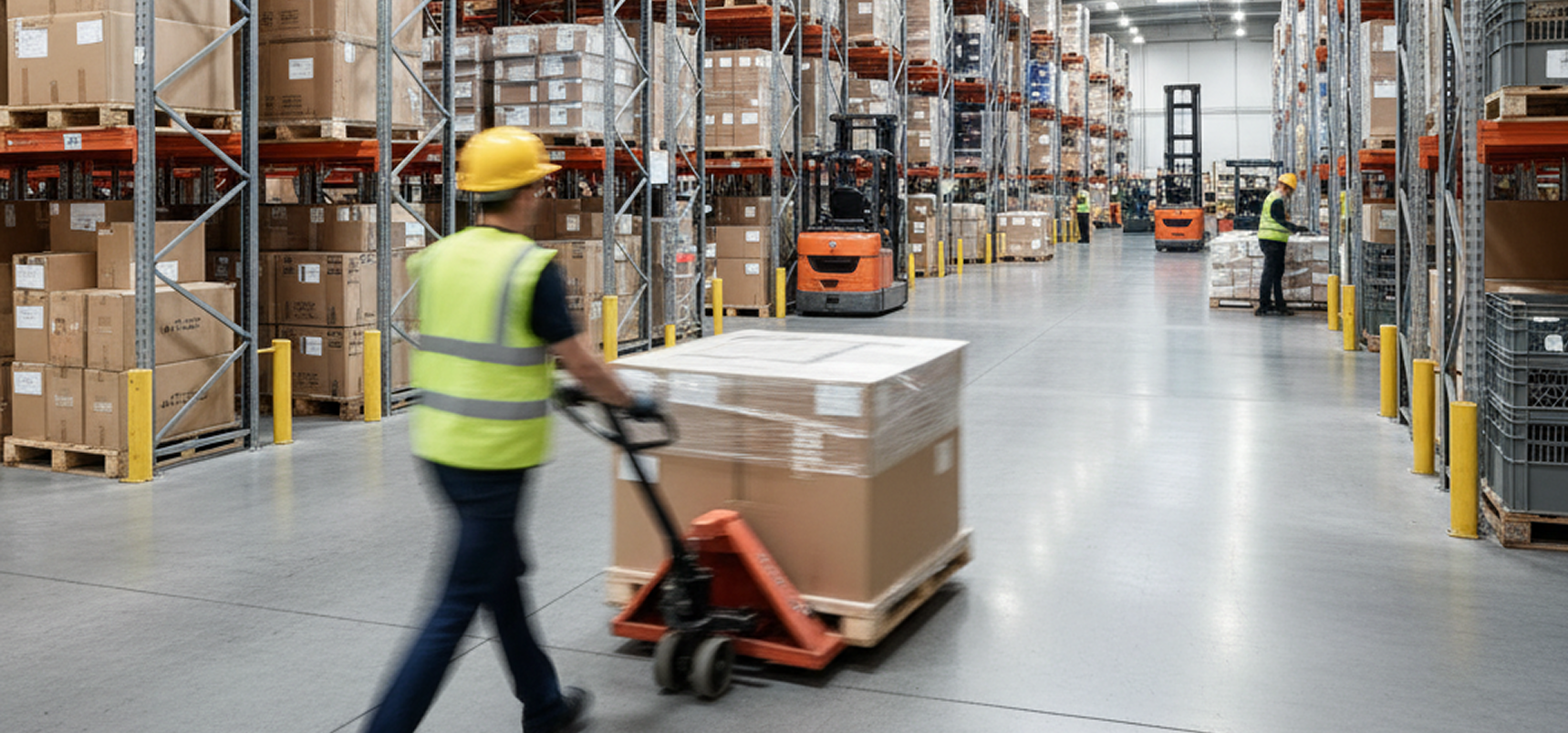
Warehousing & Fulfillment Landscape
Space and Vacancy Rates
17%
Lease Rates and Warehouse Classes
Warehouse lease rates in Kinshasa range from $10 to $25 per square meter per month, with class and location affecting pricing.
Major Warehouse Districts
Kin-Malebo SEZ, Limete, Kingabwa, Gombe, Masina, and areas near the Port of Kinshasa.
Last-Mile Delivery Infrastructure
Kinshasa’s last-mile delivery infrastructure is severely challenged by congestion, inadequate public transport, and reliance on informal networks, with a planned 300km urban rail system aiming to address these gaps but not yet operational.
Automation and Technology Adoption
Warehouse automation and technology adoption in Kinshasa remain limited, with most warehouses relying on manual processes and only a few larger operators beginning to explore basic digital inventory systems and automation solutions.
Cold Storage and Specialty Warehousing
Cold storage and specialty warehousing facilities in Kinshasa are temperature-controlled warehouses designed for the preservation and storage of perishable foods, pharmaceuticals, and other sensitive products, featuring cold rooms, freezers, and specialized infrastructure to maintain precise temperature ranges for various industries.
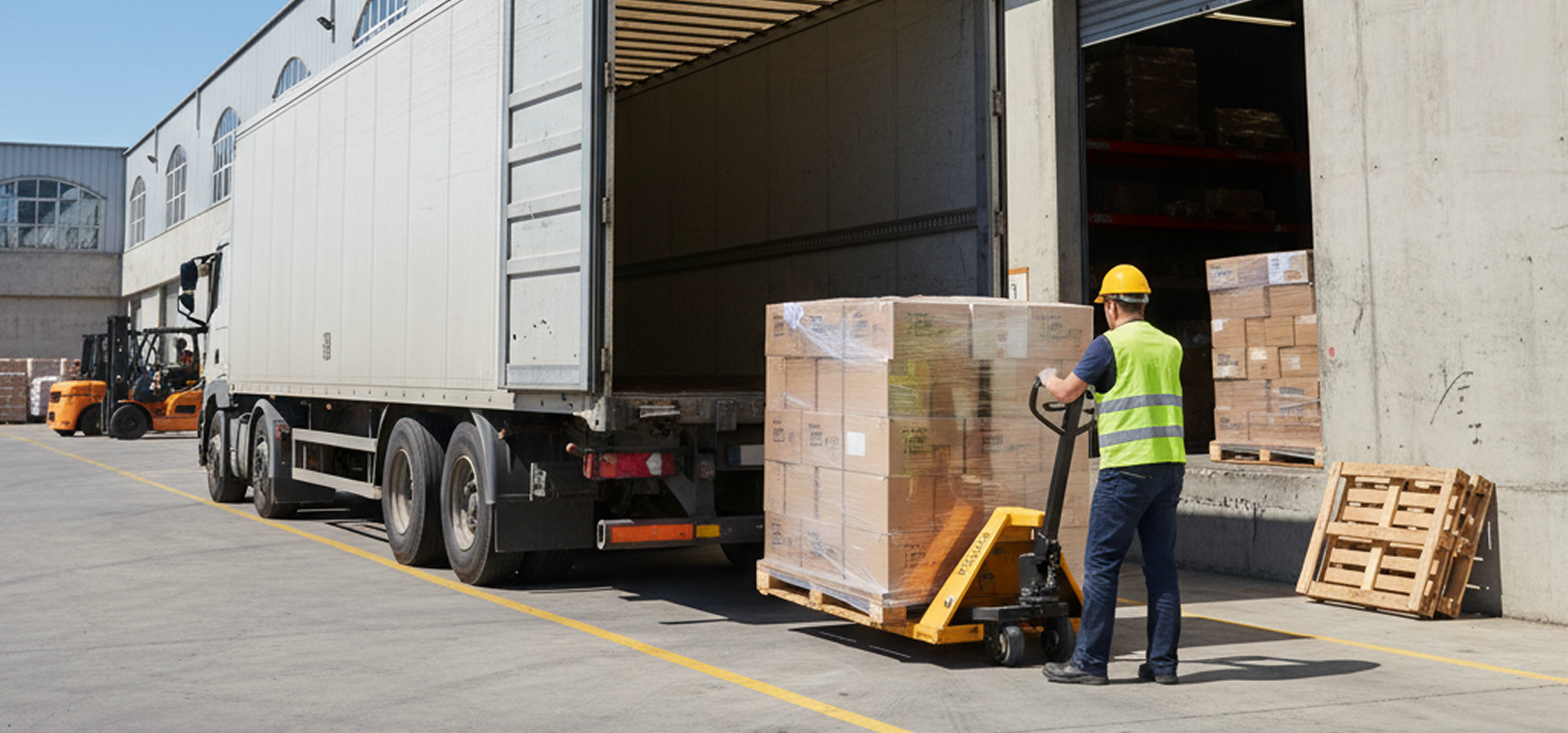
Supply Chain Analysis
Key Industries
Key industries and economic sectors in Kinshasa include food processing, consumer goods manufacturing (such as beer, textiles, and footwear), construction, services, commerce, and banking.
Major Logistics Providers
Africa Global Logistics, ECU Worldwide (via OBT Shipping Congo SARLU).
Import/Export Volumes and Trading Partners
Kinshasa’s import volume was $11.41 billion and export volume was $15.67 billion in 2022, with key trading partners including China, Tanzania, Zambia, United States, and South Africa.
Supply Chain Resilience
Kinshasa’s supply chain resilience is challenged by infrastructure gaps, climate risks, and social exclusion, with ongoing efforts to improve transport and urban services aiming to mitigate these vulnerabilities.
Local Manufacturing Capabilities
Kinshasa hosts most of the DRC's 30 local pharmaceutical manufacturers producing only 10% of consumed pharmaceuticals, while also serving as a hub for timber processing, FMCG, textile, and construction materials manufacturing targeting the city's 20 million inhabitants.
Industry Clusters
Food processing, consumer goods manufacturing (beer, textiles, footwear), construction, financial services, and mining-related activities form the main industry clusters in Kinshasa.
Competitive Advantages
Kinshasa’s key competitive advantages as a logistics/business hub are its strategic location on the Congo River connecting inland Africa to Atlantic ports, multimodal transport links, and growing investment in logistics infrastructure and special economic zones.
Infrastructure Assessment
Detailed evaluation of Kinshasa's infrastructure quality, investment projects, utility systems, and environmental considerations for strategic planning.
Quality and Capacity
Kinshasa’s infrastructure quality and capacity remain limited, with major deficits in reliable electricity, transport, and logistics, but significant expansion and modernization projects are underway to address these challenges.
Planned Investments
Planned infrastructure investments in Kinshasa focus on enhancing basic services such as water, sanitation, solid waste management, and energy, with projects like the Kin Elenda initiative improving resilience to flooding and enhancing urban infrastructure.
Utilities Reliability and Costs
Kinshasa’s utility infrastructure faces frequent power outages and limited electricity access, unreliable and underfunded water services, and patchy internet connectivity with low fixed-line penetration but growing mobile usage.
Environmental Factors
Key environmental factors affecting logistics in Kinshasa include frequent flooding, poor waste management, inadequate infrastructure, rapid urbanization, and climate change impacts.
