Kolkata
Kolkata's infrastructure quality is improving with significant investments in water supply, sanitation, and transportation, but disparities remain between central and peripheral areas and service provision is still uneven.
4.54.5 M+
Population
206206 km²
Area
24,25224,252 /km²
Density
Growth Trends
274.4K
The projected net population growth in Kolkata for 2024 is 580,000.
Working-Age Population
33.6%
67% of the EU population aged 20–64 is of working age, with 259.9 million in this group in 2023.
Employment Rates
Key industries include steel, jute, and information technology, with major corporations like ITC Limited, Exide Industries, and Coal India playing significant roles.
Educational Attainment
Tertiary attainment among young adults aged 25-34 in Germany increased from 33% in 2019 to 40% in 2024, placing it among top OECD nations.
Foreign Residents
The search results do not contain specific data about foreign residents' income in Kolkata or any figures in yen currency.
Ethnic Composition
Foreign residents in Kolkata surpassed 0.06 million in 2024 making up about 0.4% of the city population with largest groups from China, Bangladesh, Nepal.
Commuting
Over 3.5 million people commute daily in the Kolkata metropolitan area, primarily by suburban rail, with Kolkata Metro carrying nearly 1 million passengers per day.
Migration Patterns
274,400
Average Income
19K
The average annual income in Kolkata is about ₹19.3 lakhs.
Transportation & Logistics Overview
Warehousing & Fulfillment Landscape
Space and Vacancy Rates
9.7%
Lease Rates and Warehouse Classes
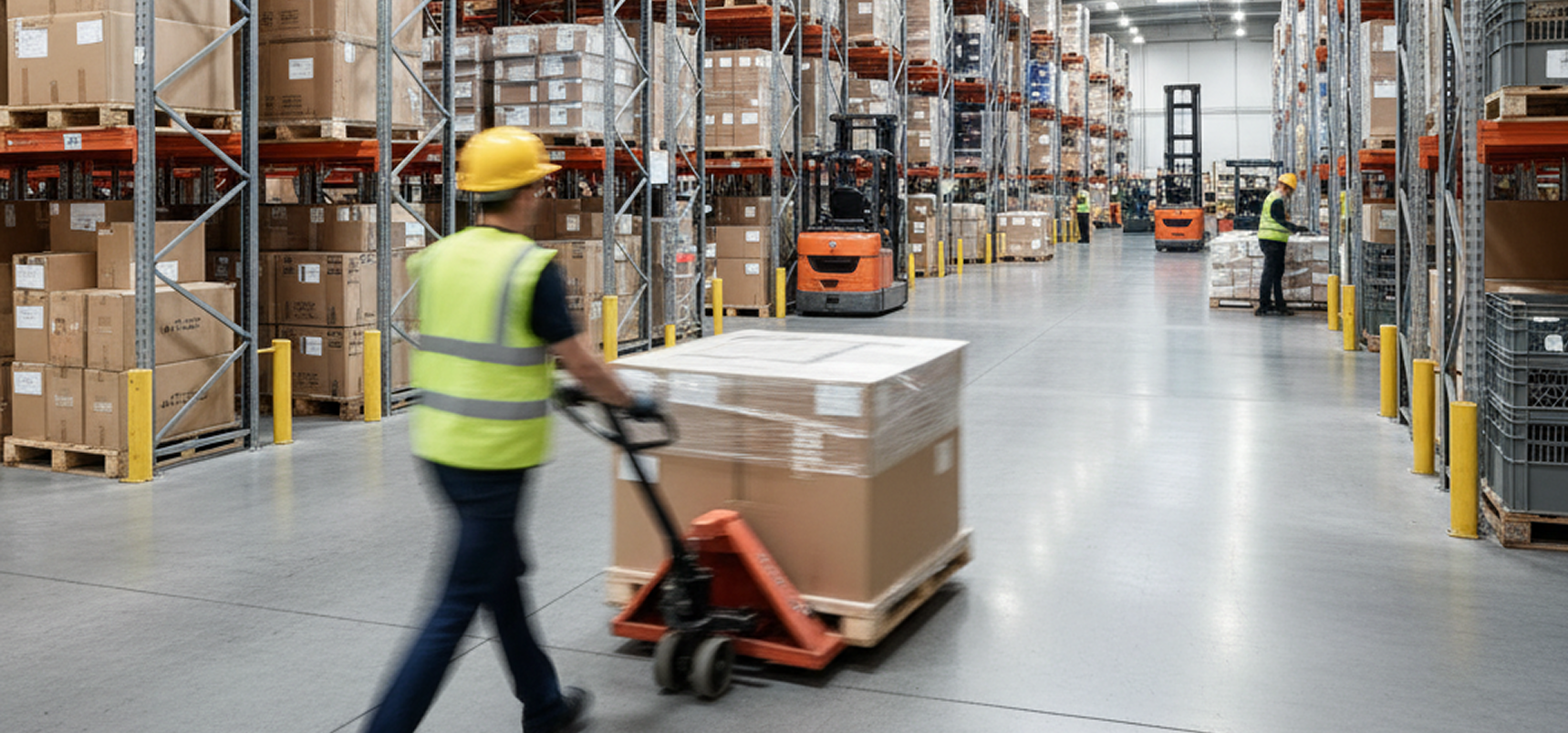
Warehouse lease rates in Kolkata range from ₹15-34 per square foot with properties available from 1,600 to 100,000 square feet across industrial clusters in Dankuni, EM Bypass, and Nazirabad areas.
Major Warehouse Districts
NH16 cluster (including Amta Ranihati Road, Jangalpur, Dhulagarh, Uluberia), Hooghly district warehousing zone, and areas near Durgapur Expressway and Singur Crossing.
Last-Mile Delivery Infrastructure
Last-mile delivery infrastructure in Kolkata consists of tech-enabled logistics networks that transport goods from distribution centers to customers’ doorsteps, emphasizing real-time tracking, route optimization, and rapid delivery despite urban challenges like traffic congestion.
Automation and Technology Adoption
Warehouse automation in Kolkata involves advanced technologies like AI, robotics, and software systems to enhance efficiency and accuracy, as seen in state-of-the-art facilities like the Reliance Retail grocery distribution center.
Cold Storage and Specialty Warehousing
Cold storage and specialty warehousing facilities in Kolkata offer temperature-controlled environments for storing perishable goods, with features like mobile racking, WMS software, and blast freezers to maintain optimal conditions.
Supply Chain Analysis
Key Industries
Steel, heavy engineering, mining, minerals, cement, pharmaceuticals, food processing, agriculture, electronics, textiles, jute, leather, IT, finance, trade, services, printing, publishing.
Major Logistics Providers
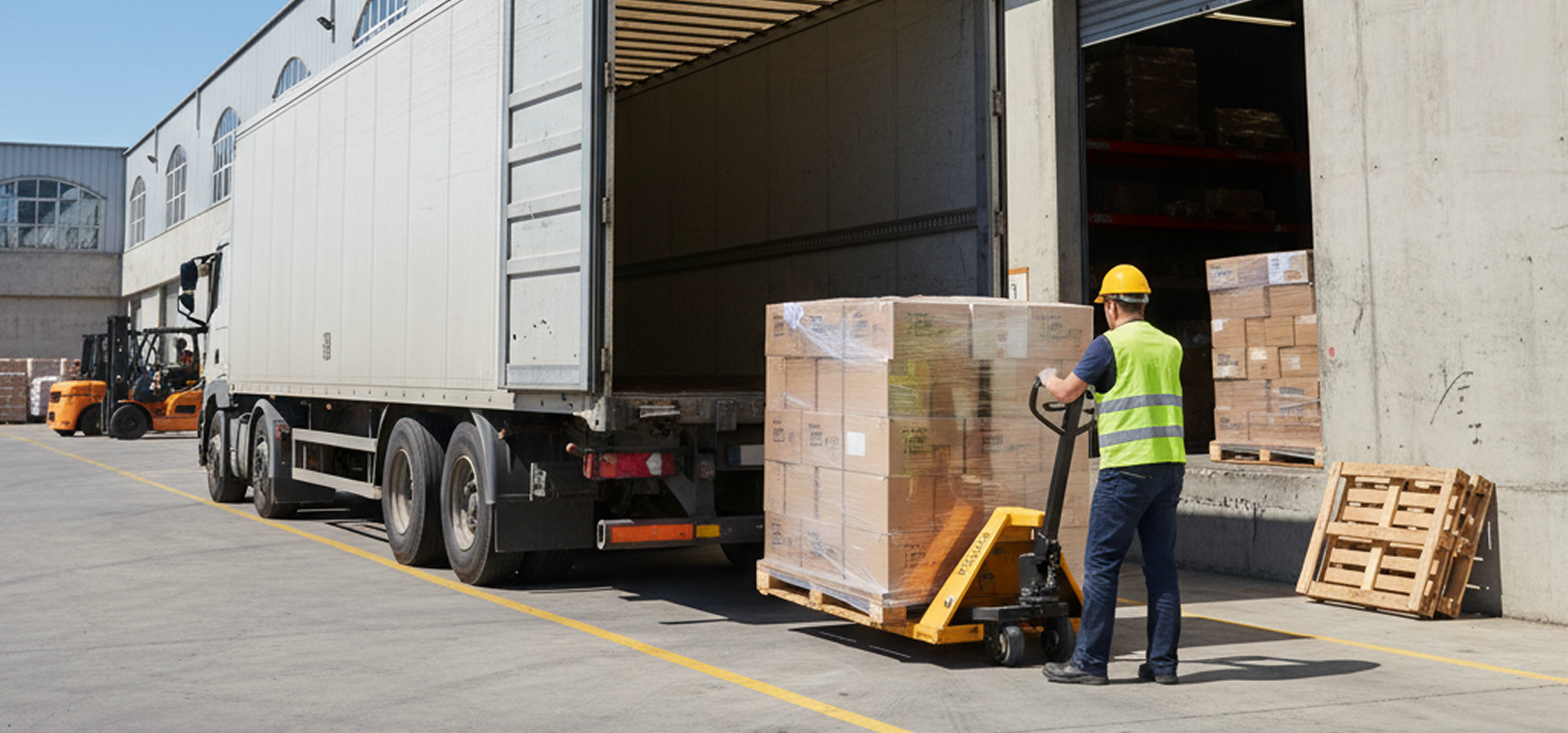
Watsoo, VRL Packers and Logistics, TM International Logistics, Swarex Shipping, Om Shree Mahalaxmi Logistic Solution, North Sea Shipping & Logistics, ODC Logistics, Zee Logistics, Utsarg, ATC Logistics, Varuna Group, RCPL, Mahakal Cargo Logistics, WareIQ, Trans-Axis Logistics, Seajaan Logistics, Innovative Logistics, CCI Logistics, AAJ Enterprise, Intoglo, GATI, Maersk Line India, and TCI Freight are the major logistics and supply chain providers operating in Kolkata.
Import/Export Volumes and Trading Partners
Kolkata's import and export volumes involve 1,141 shipments each, with key trading partners including countries like Nepal, Bangladesh, and the UAE, although specific volume values are not detailed.
Supply Chain Resilience
Kolkata's supply chain resilience is being strengthened through technology integration and industry-academia collaboration, with key risk factors including coordination challenges, demand forecasting uncertainty, and financial constraints affecting pharmaceutical and logistics sectors.
Local Manufacturing Capabilities
Kolkata has diverse manufacturing capabilities including jute processing, engineering, chemicals, consumer goods, and is emerging as a hub for semiconductor manufacturing.
Industry Clusters
The main industry clusters in Kolkata are information technology, business process outsourcing, manufacturing (including fan and hosiery products), cotton textiles, leather, food processing, engineering, chemicals, pharmaceuticals, and transport equipment.
Competitive Advantages
Strategic location as gateway to eastern India, excellent port and transport connectivity, skilled workforce, cost-effective operations with affordable real estate and labor, government policy support with industry status for logistics sector, and proximity to major markets enabling efficient supply chain management.
Infrastructure Assessment
Detailed evaluation of Kolkata's infrastructure quality, investment projects, utility systems, and environmental considerations for strategic planning.
Quality and Capacity
Kolkata’s infrastructure quality and capacity are improving, with recent investments in air quality, water supply, sewerage, and drainage, but challenges remain in sustaining operational efficiency and meeting growing urban demands.
Planned Investments
Kolkata is undergoing major infrastructure investments including new metro corridors, tech hubs like Bengal Silicon Valley, road and transport upgrades in New Town, climate-resilient water and drainage systems, and large-scale mixed-use developments to boost connectivity, urban services, and economic growth.
Utilities Reliability and Costs
Kolkata’s utility infrastructure features two main electricity providers (CESC and WBSEDCL), ongoing upgrades to historic water and sewer systems managed by KMC, and widespread internet access with increasing digitalization of municipal services.
Environmental Factors
Environmental factors affecting logistics in Kolkata include high vehicular emissions from poorly maintained vehicles, traffic congestion, and inadequate waste management, contributing to severe air pollution.
