Kuala Lumpur
Kuala Lumpur has generally well-developed infrastructure and connectivity, but faces challenges with congestion, sustainability, and liveability that are being addressed through ongoing improvements and investments.
2.12.1 M+
Population
243243 km²
Area
8,2358,235 /km²
Density
Growth Trends
184.7K
The projected net population growth in Kuala Lumpur for 2024 is 2.25%.
Working-Age Population
67%
67% of the population in Emerging Asia, India, Latin America and the Caribbean, and the Middle East and North Africa is of working age.
Employment Rates
Key industries include electronics, finance, and automotive, with major corporations like Maybank, Petronas, and Proton Holdings playing significant roles.
Educational Attainment
Tertiary attainment among young adults aged 25-34 in Portugal increased from 38% in 2019 to 43% in 2024, placing it among top OECD nations.
Foreign Residents
The average income for foreign residents in Kuala Lumpur is about 1.7 million yen with 35% earning less.
Ethnic Composition
Foreign residents in Kuala Lumpur surpassed 800,000 in 2024, making up about 9% of the city population, with the largest groups from Thailand, India, Bangladesh, Nepal, Burma, Sri Lanka, Philippines, and Vietnam.
Commuting
Nearly 1.5 million daily rail passengers commute from suburban districts into central Kuala Lumpur for work, with city rail covering 75% of the Klang Valley population.
Migration Patterns
184,650
Average Income
45K
The average annual income in Kuala Lumpur is about 1.2 million yen though more than half earn less than this amount.
Transportation & Logistics Overview
Warehousing & Fulfillment Landscape
Space and Vacancy Rates
4.0%
Lease Rates and Warehouse Classes
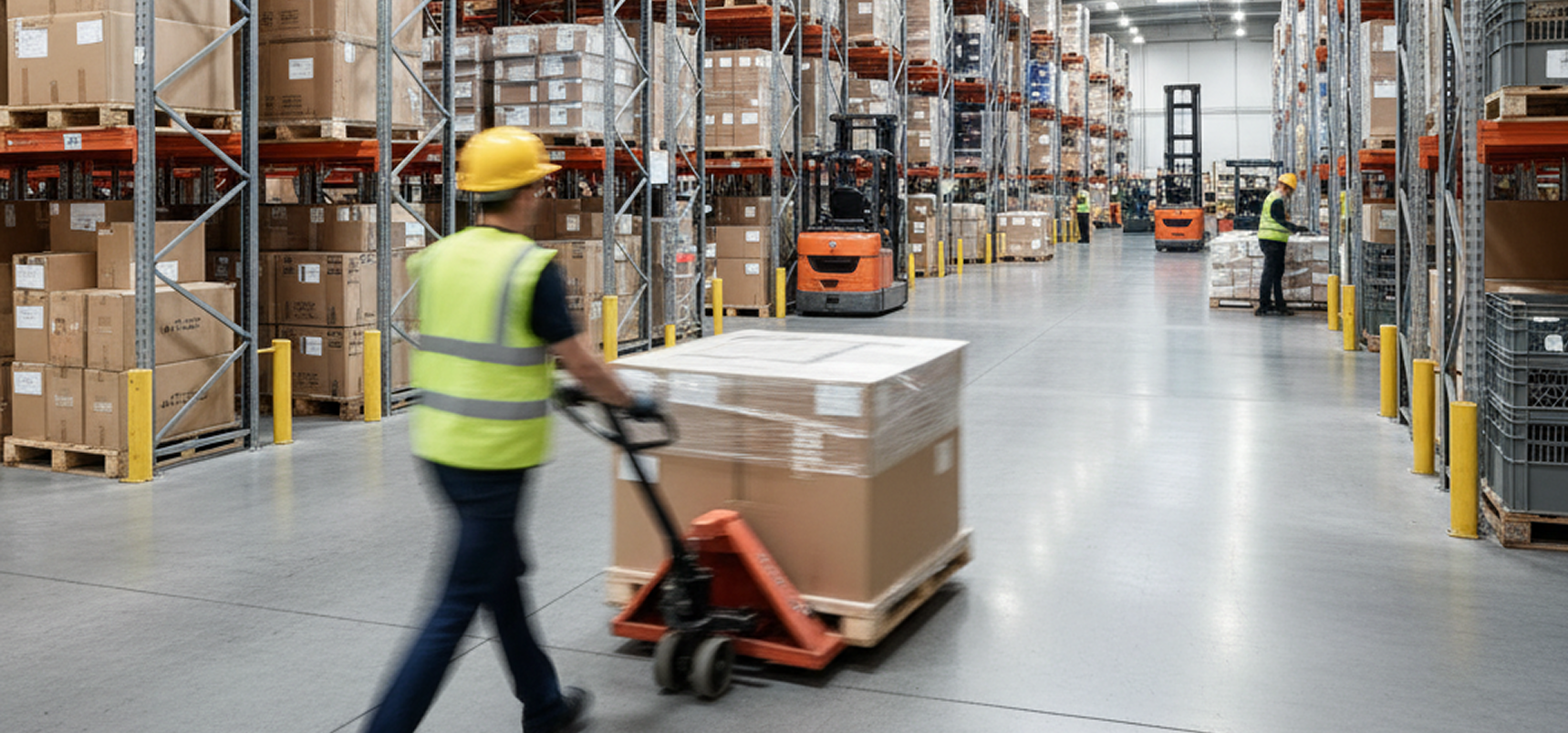
Warehouse lease rates in Kuala Lumpur typically range from RM1.27 to RM4.39 per sq. ft. monthly, with classes spanning bare, partially furnished, and fitted units across terrace, semi-detached, and detached factory types.
Major Warehouse Districts
Klang, Shah Alam, Ampang, and the greater Klang Valley are the major warehouse and logistics districts in Kuala Lumpur.
Last-Mile Delivery Infrastructure
Kuala Lumpur’s last-mile delivery infrastructure combines modern distribution warehouses, integration with public transport and electric vehicles, digital route optimization, and parcel lockers to support fast, sustainable, and efficient urban deliveries.
Automation and Technology Adoption
Warehouse automation in Kuala Lumpur is rapidly advancing with the adoption of robotics, IoT, and data analytics, though most warehouses still operate with minimal automation and technology integration.
Cold Storage and Specialty Warehousing
Cold storage and specialty warehousing facilities in Kuala Lumpur are temperature-controlled warehouses equipped with advanced refrigeration and monitoring systems to store perishable goods such as food, pharmaceuticals, and chemicals, ensuring product quality and efficient supply chain management.
Supply Chain Analysis
Key Industries
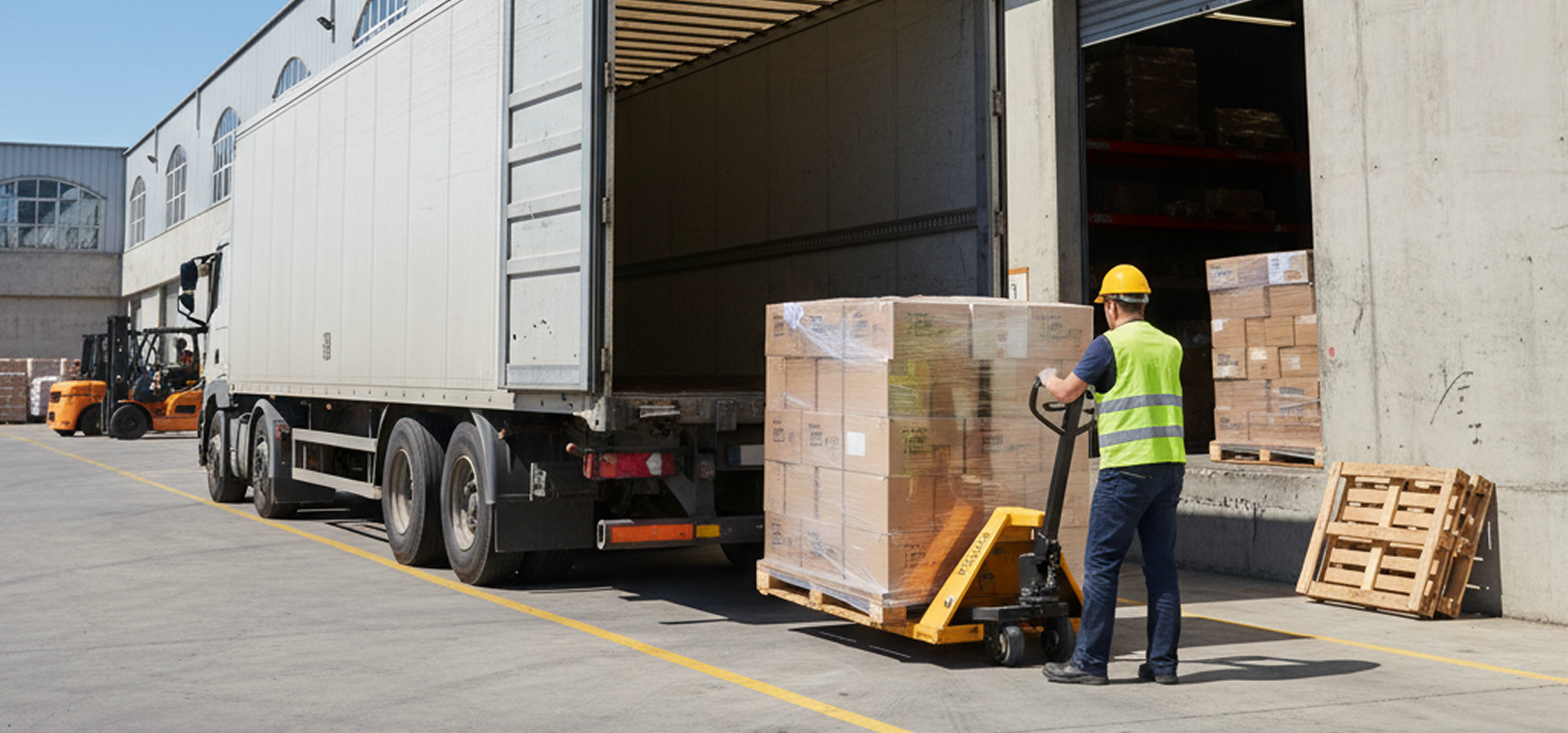
Key industries and economic sectors in Kuala Lumpur include financial services, technology, logistics, electronics and electrical, automotive, medical, retail, and real estate.
Major Logistics Providers
DHL Malaysia, UPS Malaysia, FedEx Malaysia, Nippon Express Malaysia, GDEX Malaysia, CJ Logistics Malaysia, TASCO Berhad, Century Logistics Holdings Berhad, Kuehne + Nagel Malaysia, CEVA Logistics Malaysia, Agility Malaysia, Kerry Logistics Malaysia, Yusen Logistics Malaysia, C.H. Robinson Malaysia, Airpak Express Malaysia, LF Logistics Malaysia, Konsortium Logistik Berhad, Schenker Logistics Malaysia, Bollore Logistics Malaysia, LF Asia Malaysia, Tiong Nam Logistics Holdings Berhad, TAS Logistics, LF Global Logistics (M) Sdn Bhd, Trans-Asia Shipping Corporation, One World Logistics Network (OWL), EPC Movers, Jasa Merin (Malaysia) Sdn Bhd, Serba Wangi Logistics, OCS Malaysia, Excel Air Cargo Malaysia, MISC Logistics, Ekspres Perdana, Bintulu Port Holdings Berhad, KTS Logistics, Matrix Global Logistics, MTT Shipping, MTC Logistics, Prima Cergas, Giga Shipping, JP Logistics, Think Global Logistics (TGL), Omni Logistics
Import/Export Volumes and Trading Partners
Malaysia’s trade volume for January–August 2025 reached RM1.977 trillion (exports RM1.032 trillion, imports RM945.62 billion), with key trading partners including China, Singapore, the USA, and Taiwan.
Supply Chain Resilience
Supply chain resilience in Kuala Lumpur faces challenges due to global trade disruptions, while risk factors include geopolitical tensions, regulatory compliance issues, and reliance on complex international supply networks.
Local Manufacturing Capabilities
Kuala Lumpur has advanced manufacturing capabilities in electronics, automotive, aerospace, semiconductors, and medical sectors, supported by smart technologies and strong infrastructure.
Industry Clusters
Kuala Lumpur is part of a broader industrial cluster in the Central Region, focusing on electrical and electronics, aerospace, pharmaceutical, and food technology sectors.
Competitive Advantages
Strategic regional location, advanced infrastructure, integrated air/sea/road connectivity, free trade zones, digitalization, tax incentives, and a skilled workforce make Kuala Lumpur a leading logistics and business hub.
Infrastructure Assessment
Detailed evaluation of Kuala Lumpur's infrastructure quality, investment projects, utility systems, and environmental considerations for strategic planning.
Quality and Capacity
Kuala Lumpur’s infrastructure quality and capacity are robust and modern, featuring advanced digital networks, expanding transportation systems, and ongoing smart city initiatives to support growth and sustainability.
Planned Investments
Planned infrastructure investments in Kuala Lumpur focus on major projects like the MRT3 Circle Line, high-rise and mixed-use developments, and digital, sustainable upgrades under the 12th Malaysia Plan to enhance urban mobility, connectivity, and economic growth.
Utilities Reliability and Costs
Kuala Lumpur features a modern utility infrastructure with reliable electricity supplied by Tenaga Nasional Berhad, extensive treated water distribution, and high internet penetration dominated by Telekom Malaysia, though fixed broadband lags behind mobile connectivity.
Environmental Factors
Key environmental factors affecting logistics in Kuala Lumpur include air pollution from transportation, road congestion, greenhouse gas emissions, and the need for sustainable infrastructure and green logistics practices.
