Lahore
Lahore is undergoing significant infrastructure transformation through a comprehensive development plan launched in 2024 that focuses on improving road networks, upgrading public facilities, and modernizing urban systems to address long-standing challenges including traffic congestion and deteriorating city conditions.
14.814.8 M+
Population
404404 km²
Area
6,3006,300 /km²
Density
Growth Trends
418.7K
418,700
Working-Age Population
59.4%
67% of Emerging Asia's population is of working age.
Employment Rates
Key industries include textile, information technology, pharmaceuticals, and food processing, with major corporations like Nestle Pakistan, Atlas Honda, and Bata Pakistan playing significant roles.
Educational Attainment
Tertiary attainment among young adults aged 25-34 in OECD countries increased from 45% in 2019 to 48% in 2024, placing it among top OECD nations.
Foreign Residents
The average income for foreign residents in Lahore is about 1.62 million yen with 50% earning less.
Ethnic Composition
Foreign residents in Lahore surpassed 0.3 million in 2024, making up about 2% of the city population, with largest groups from Afghanistan, India, Bangladesh, Iran, and Somalia.
Commuting
Lahore’s metropolitan area sees over 300,000 daily rail commuters, with millions more traveling by road from suburban and residential districts into the city center for work.
Migration Patterns
Lahore continues to attract residents from other regions with a net inflow of BLANK people in 2024.
Average Income
Rs 633K
The average annual income in Lahore is about 7.1 million yen though more than half earn less than this amount.
Transportation & Logistics Overview
Warehousing & Fulfillment Landscape
Space and Vacancy Rates
50%
Lease Rates and Warehouse Classes
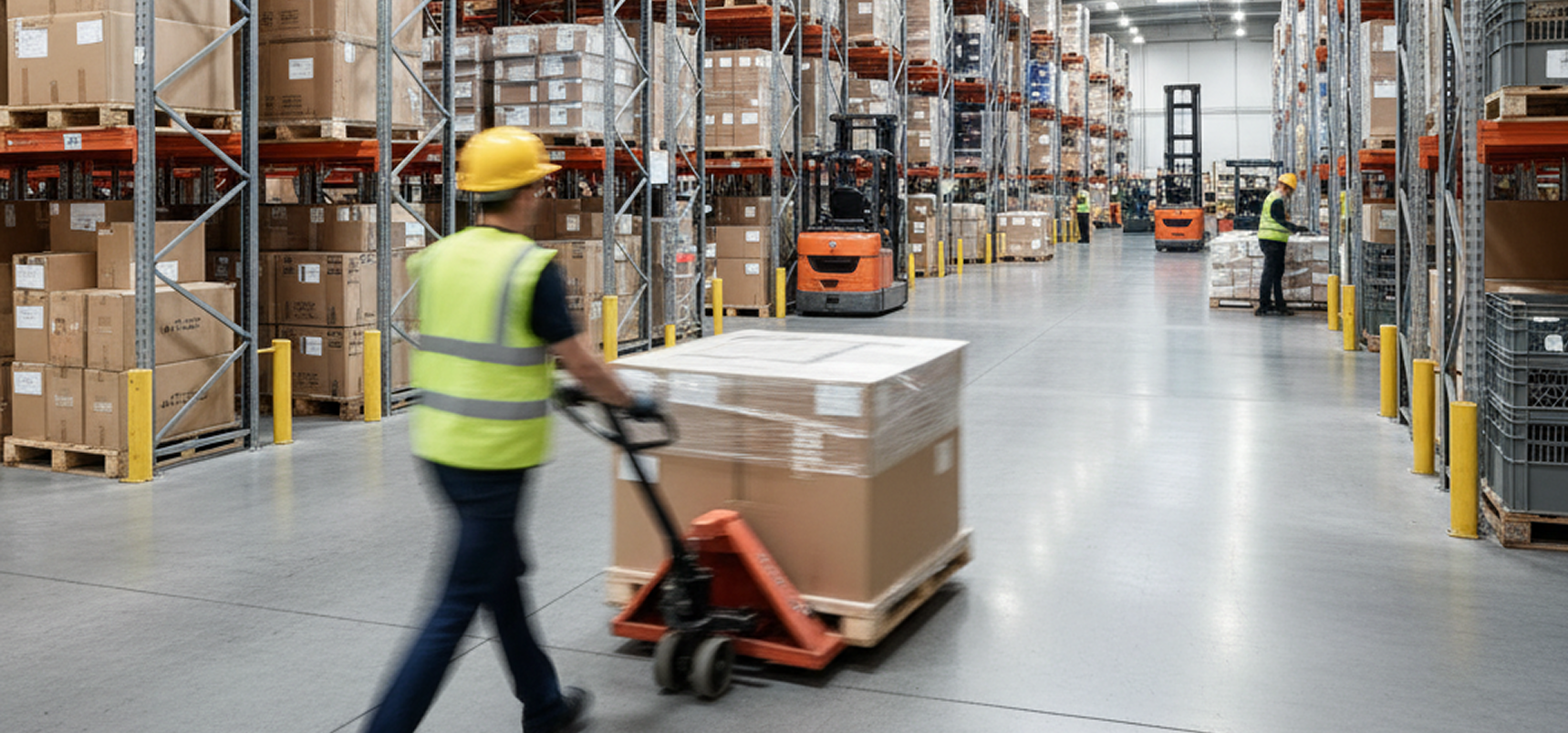
Warehouse lease rates in Lahore typically range from PKR 60,000 to PKR 3,500,000 per month depending on size, location, and class, with most warehouses classified by size (kanal/sq ft) and industrial zoning requirements.
Major Warehouse Districts
Nathe Khalsa Logistics Park, Sundar Warehouses, Agility Logistics Park, Omni Logistics Lahore
Last-Mile Delivery Infrastructure
Last-mile delivery infrastructure in Lahore faces challenges such as traffic congestion and unstructured addresses, but it is evolving with demands for fast and reliable delivery, supported by technologies like route optimization and real-time tracking.
Automation and Technology Adoption
Warehouse automation in Lahore is gradually increasing, with local companies adopting technologies like automated storage and retrieval systems, robotics, and warehouse management software to improve efficiency and meet growing logistics demands.
Cold Storage and Specialty Warehousing
Cold storage and specialty warehousing facilities in Lahore are temperature-controlled warehouses designed to safely store perishable and sensitive products like fruits, vegetables, dairy, meat, poultry, and medicines, offering customized solutions for various commercial and industrial needs.
Supply Chain Analysis
Key Industries
Textiles, information technology, pharmaceuticals, food processing, automotive, leather, chemicals, construction, hospitality, education, aviation, beauty and personal care.
Major Logistics Providers
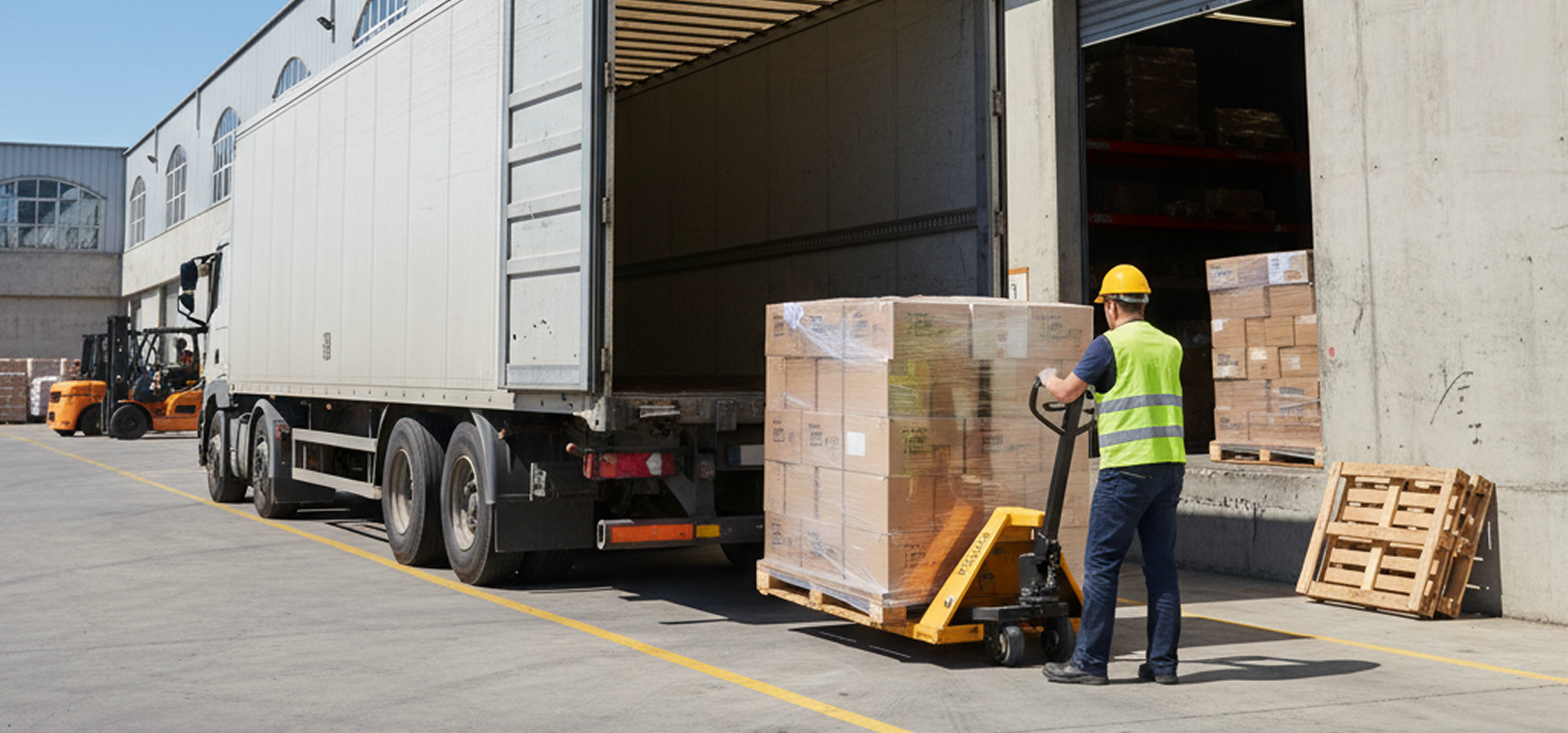
Omni Logistics, BridgeLinx, Voyage Tech, Smartlane Pvt. Ltd., Costa Logistics Group, Bismillah Logistics (Pvt) Ltd.
Import/Export Volumes and Trading Partners
Lahore, as a major industrial hub, contributes to Pakistan’s export volume (notably textiles and house linens) with key trading partners including the United States, China, United Kingdom, Germany, and the United Arab Emirates, while main imports are petroleum, machinery, and raw materials primarily from China, UAE, and Saudi Arabia.
Supply Chain Resilience
Supply chain resilience in Lahore is challenged by uncertainty in demand forecasting, lack of coordination among partners, and financial constraints, but can be strengthened through agility, preparedness, and alertness to disruptions.
Local Manufacturing Capabilities
Lahore has diverse manufacturing capabilities, including textiles, pharmaceuticals, automotive, and food processing, though it faces challenges such as reliance on imported materials and regulatory inefficiencies.
Industry Clusters
The main industry clusters in Lahore include textiles and garments, software and IT, finance and banking, real estate, publishing, home appliances, and small-scale cottage industries.
Competitive Advantages
Lahore’s key competitive advantages as a logistics/business hub are its strategic location at the crossroads of major regional trade routes, proximity to Special Economic Zones, improved connectivity via CPEC infrastructure, and access to a large skilled workforce.
Infrastructure Assessment
Detailed evaluation of Lahore's infrastructure quality, investment projects, utility systems, and environmental considerations for strategic planning.
Quality and Capacity
Lahore has the most advanced infrastructure quality and capacity in Punjab, with strong access to utilities and urban services, but ongoing challenges remain in maintenance, road quality, and the need for further investment and modernization.
Planned Investments
Planned infrastructure investments in Lahore include new residential and commercial developments, expansion of transport networks like Ring Road and mass transit systems, smart and sustainable projects, and technology parks, aiming to support urban growth and improve connectivity.
Utilities Reliability and Costs
Lahore’s utility infrastructure features state-run electricity (LESCO) with relatively uniform outages across income groups, a major water supply network facing periodic shortages, and widespread internet access via fiber and mobile networks, though service quality varies by area.
Environmental Factors
Key environmental factors affecting logistics in Lahore include air pollution, inadequate transport infrastructure, government regulations, stakeholder collaboration, and the adoption of sustainable technologies and practices.
