Lima
Lima’s infrastructure quality is characterized by significant gaps and inefficiencies, especially in public transport, water, and sanitation, despite ongoing investments and improvements in some sectors.
10.110.1 M+
Population
2,6722,672 km²
Area
3,9863,986 /km²
Density
Growth Trends
155.4K
The projected net population growth in Lima for 2024 is approximately 292,408.
Working-Age Population
Looking through the search results, I cannot find specific data showing Lima's working-age population as a percentage of total population. The search results contain employment statistics for Lima Metropolitan area and general definitions of working-age population (15-64 years), but no percentage figures for Lima specifically.
67% of first wave regions' population is working age, down from 70% in 2010.
Employment Rates
Key industries include mining, manufacturing, and fishing, with major corporations like Southern Copper Corporation, Alicorp, and TASA playing significant roles in Lima.
Educational Attainment
Tertiary attainment among young adults aged 25-34 in OECD countries increased from 45% in 2019 to 48% in 2024.
Foreign Residents
The average income for foreign residents in Lima is about 1.3 million yen with 50% earning less.
Ethnic Composition
Foreign residents in Lima surpassed 1.2 million in 2024, making up about 12% of the city population, with largest groups from Venezuela, Colombia, Ecuador, and the United States.
Commuting
The Lima metropolitan area, with over 10 million residents, has significant daily commuting, but most travel is by road; rail usage remains limited compared to other modes.
Migration Patterns
Lima continues to attract residents from other regions with a net inflow of 155,400 people in 2024.
Average Income
6.8K
The average annual income in Lima is about 47,000 soles.
Transportation & Logistics Overview
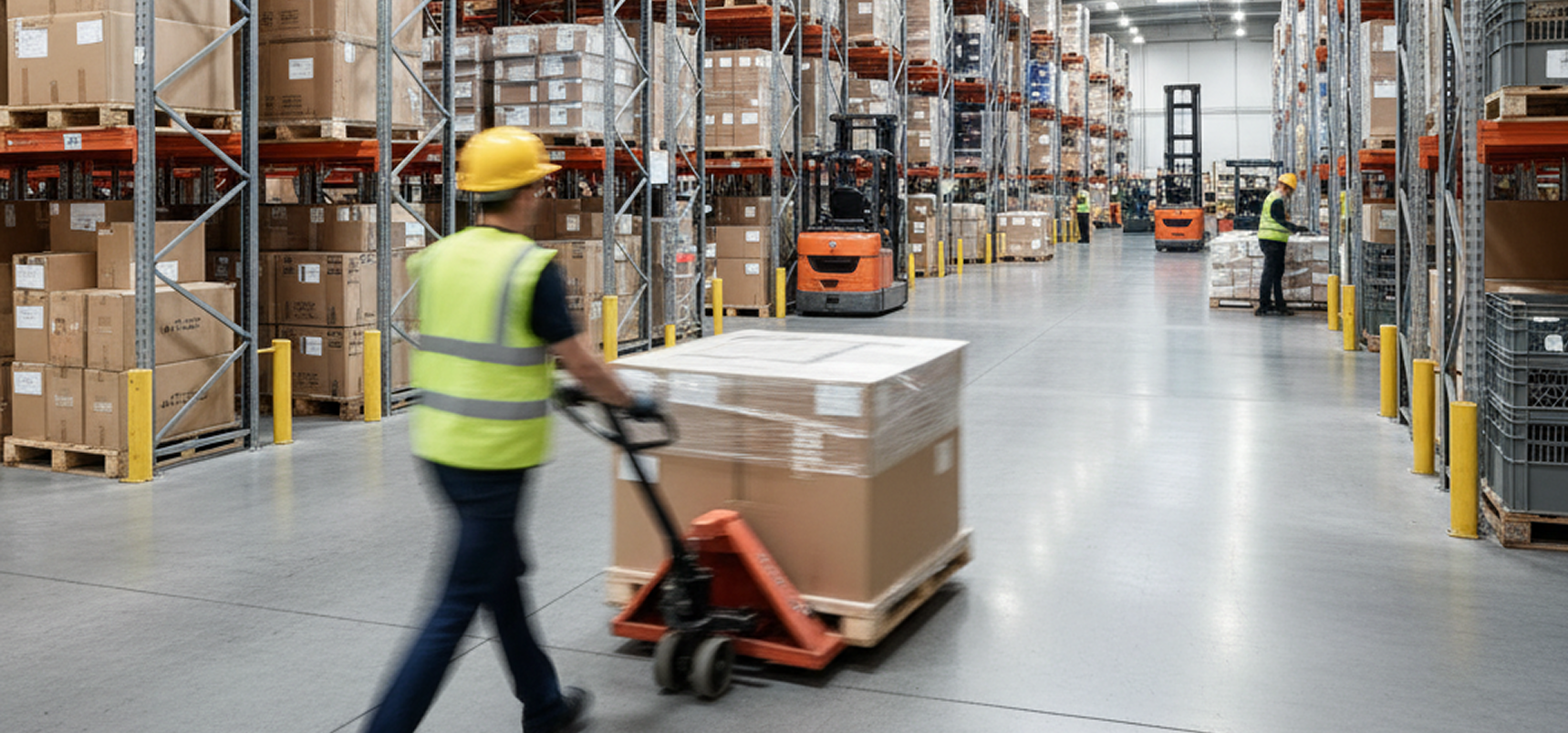
Warehousing & Fulfillment Landscape
Space and Vacancy Rates
The search results do not provide specific vacancy rates for warehouse spaces in Lima.
Lease Rates and Warehouse Classes
Average warehouse lease rates in Lima vary by location and class, with class B facilities in 2022 averaging the highest rents in the eastern zone at several U.S. dollars per square meter per month, while other areas and classes are lower.
Major Warehouse Districts
Lurin district (LatAm Parque Logístico Lima Sur), Callao district (Port of Callao and surrounding logistics areas).
Last-Mile Delivery Infrastructure
Lima’s last-mile delivery infrastructure consists of expanding distribution centers, diverse delivery fleets, and technology-enabled tracking systems to meet high e-commerce demand, but faces challenges from urban traffic congestion and varied socioeconomic conditions.
Automation and Technology Adoption
Warehouse automation and technology adoption in Lima is advancing with the implementation of high-capacity storage systems and direct-access racking to streamline inventory management and order fulfillment, though broader adoption of advanced robotics and fully automated systems remains limited compared to global leaders.
Cold Storage and Specialty Warehousing
Lima's cold storage facilities include major operators like Emergent Cold LatAm with over 260,000 cubic meters of capacity concentrated in Callao and Lurin areas, serving the city's agricultural exports, pharmaceuticals, and frozen food distribution needs.
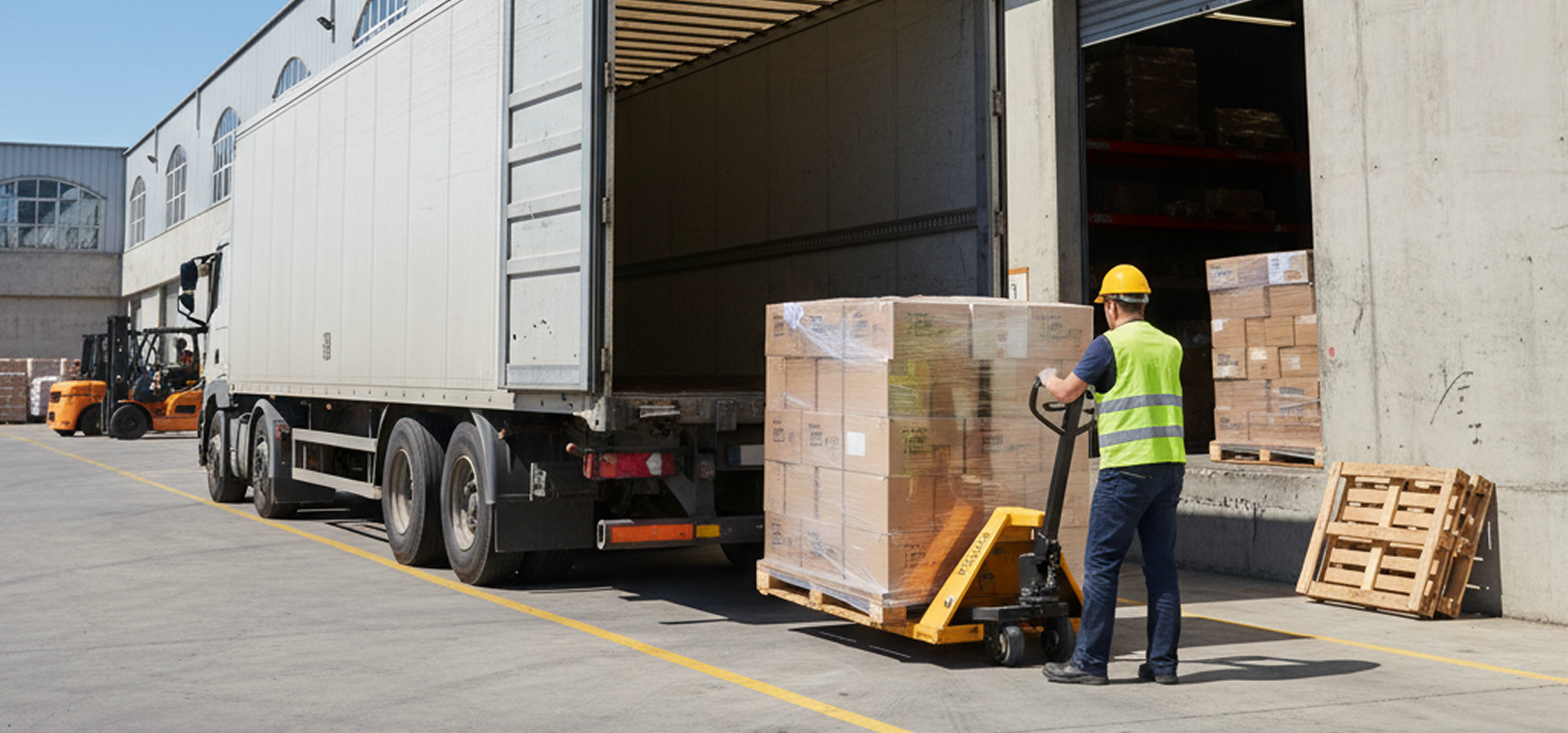
Supply Chain Analysis
Key Industries
Mining, manufacturing, fishing, tourism, finance, technology, textiles, food processing, construction, chemicals, pharmaceuticals, machinery, services.
Major Logistics Providers
Omni Logistics, A.P. Moller - Maersk, DHL Group, DP World, Kuehne+Nagel, Ransa, DSV, FedEx, UPS, GoldCargo, Neptunia, Hansa Aduanas, Acamar, Antares Aduana, AVM Soluciones Logísticas, Andina Freight, Comex, Abacus Logistics, Grupo Romero, Yobel SCM, Signia Logistics Solutions, EFC Perú, Turbodega, Laboratorios AC Farma, Erca Freight, Famar Perú, SHIPHYPE FULFILLMENT, eShipper, AMZ Prep, Sea Cargo Logistics SA, Andes Integración Logística, AGUNSA, Arequipa Expreso Marvisur, Avianca Group International, Transaltisa, Cotransa Group, DB Schenker, Empresas Taylor, Frialsa, Grupo TRC, Impala Terminals, JAS Worldwide, Perez Y Cia. Group, PeruRail, Romeu, SAAM, Savar Corporación Logística, Servosa, South Pacific Logistics, Steinweg Group, Timco Transport.
Import/Export Volumes and Trading Partners
Lima’s import and export volumes are rising sharply in 2025, with China, the United States, and Brazil as key trading partners for both imports (notably machinery, electronics, and fuels) and exports (mainly minerals and agricultural products).
Supply Chain Resilience
Supply chain resilience in Lima is currently low, with key risk factors including vulnerability to natural disasters, resource shortages, and limited organizational, business, and labor flexibility.
Local Manufacturing Capabilities
Lima is a major manufacturing hub in Peru, producing a diverse range of goods including processed foods, beverages, textiles, and chemicals, supported by modern industrial parks, skilled labor, and strong export infrastructure.
Industry Clusters
Lima's main industry clusters include textiles and clothing manufacturing, food processing, chemicals and pharmaceuticals, oil refining and derivatives, metals processing, and financial services, primarily concentrated in the Callao-Lima-Vitarte industrial corridor.
Competitive Advantages
Strategic Pacific location, modern infrastructure, economic stability, robust logistics ecosystem, and government support drive Lima’s competitive advantage as a logistics and business hub.
Infrastructure Assessment
Detailed evaluation of Lima's infrastructure quality, investment projects, utility systems, and environmental considerations for strategic planning.
Quality and Capacity
Lima’s infrastructure quality and capacity are improving but remain constrained by significant gaps in transportation, sanitation, and other sectors, with ongoing large-scale investments aiming to address these deficits.
Planned Investments
Lima’s planned infrastructure investments for 2025–2026 include over $70 billion in public-private partnership projects focused on transport, electricity, sanitation, water, health, education, and major urban mobility initiatives such as new metro lines and cable cars.
Utilities Reliability and Costs
Lima’s utility infrastructure faces challenges from rapid urban growth, with water scarcity and uneven access, electricity supplied mainly by hydroelectric projects, and internet coverage expanding but still limited in poorer and peripheral areas.
Environmental Factors
Lima’s logistics face significant environmental challenges from high vehicle emissions, frequent air inversions trapping pollutants, and a large, aging vehicle fleet contributing to poor air quality and health risks.
