Los Angeles
Los Angeles has extensive infrastructure but faces significant challenges with aging systems, maintenance backlogs, and the need for modernization and resilience improvements.
3.93.9 M+
Population
1,3021,302 km²
Area
3,2073,207 /km²
Density
Growth Trends
15.5K
31,000
Working-Age Population
66.68%
67% of the population in Emerging Asia, India, Latin America, and the Middle East and North Africa is of working age.
Employment Rates
Key industries include entertainment and media, technology, aerospace, and fashion, with major corporations like The Walt Disney Company, SpaceX, and Guess playing significant roles.
Educational Attainment
Tertiary attainment among young adults aged 25-34 in OECD countries increased from 45% in 2019 to 48% in 2024, placing it among top OECD nations.
Foreign Residents
The average income for foreign residents in Los Angeles is about 7.2 million yen, with 11.9% earning less.
Ethnic Composition
Foreign residents in Los Angeles surpassed 1.35 million in 2024, making up about 35% of the city population, with largest groups from Mexico, El Salvador, Guatemala, the Philippines, and Korea.
Commuting
The Los Angeles metropolitan area sees over 900,000 average weekday rail boardings, with millions commuting daily from suburbs to the central city, primarily for work.
Migration Patterns
Los Angeles continues to attract residents from other regions with a net inflow of 28,000 people in 2024.
Average Income
$92K
The average annual income in Los Angeles is about 900万円 though more than half earn less than this amount.
Transportation & Logistics Overview
Warehousing & Fulfillment Landscape
Space and Vacancy Rates
6.2%
Lease Rates and Warehouse Classes
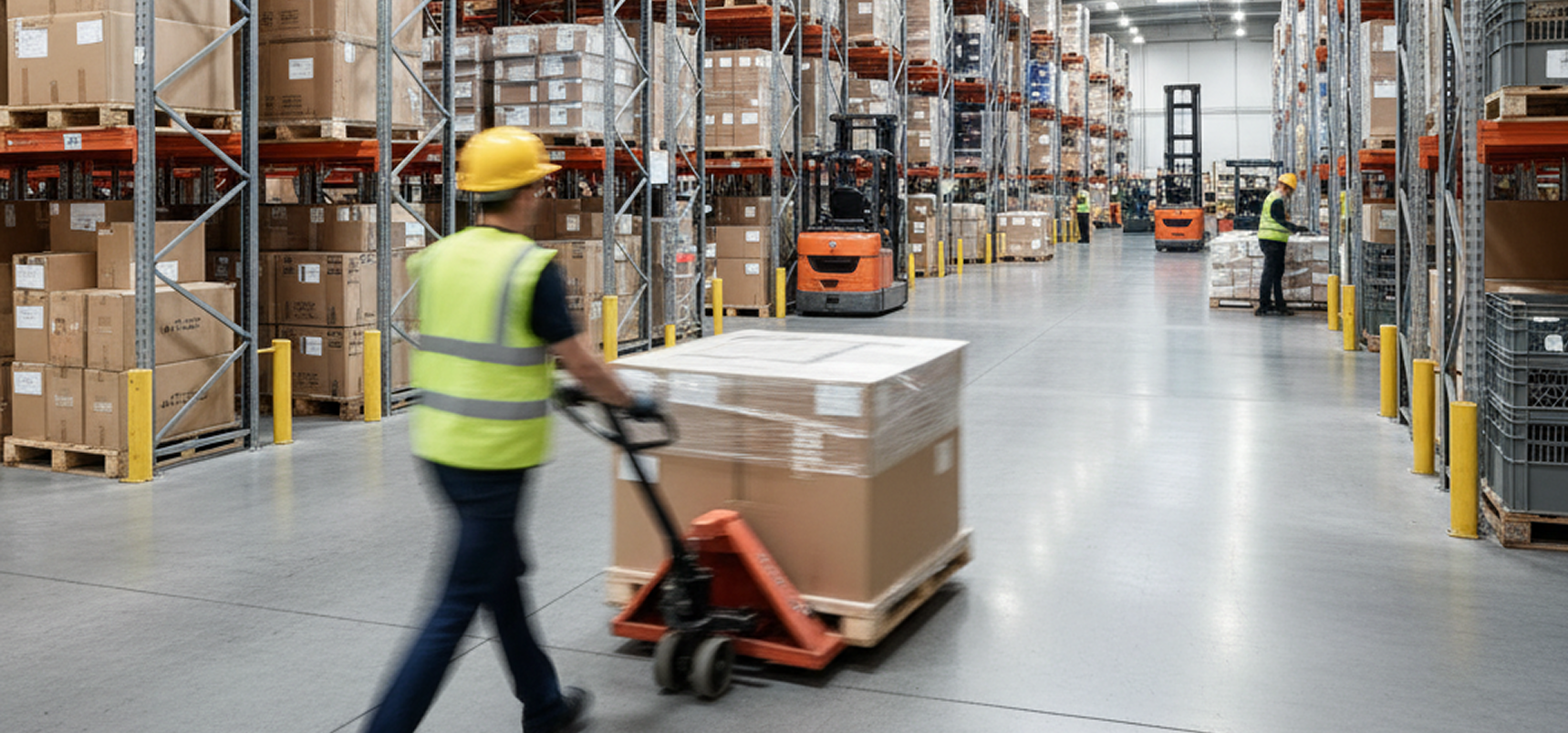
Los Angeles warehouse lease rates average $18.36 per square foot annually with industrial space averaging $19.09 per square foot, representing some of the highest warehouse costs nationally due to the market's premium coastal location and limited land availability.
Major Warehouse Districts
Major warehouse and logistics districts in Los Angeles include the Port of Los Angeles, City of Industry, Vernon, Downtown Wholesale District, Carson, El Segundo, and Bloomington.
Last-Mile Delivery Infrastructure
Last-mile delivery infrastructure in Los Angeles involves a complex network of logistics and transportation systems, with challenges such as curb space competition and congestion, while benefiting from strategic locations like fulfillment centers to reduce delivery distances.
Automation and Technology Adoption
Warehouse automation in Los Angeles is driven by technological advancements and growing labor costs, with a focus on integrating automation systems into facilities to enhance efficiency and competitiveness.
Cold Storage and Specialty Warehousing
Los Angeles offers large-scale, temperature-controlled public cold storage and specialty warehousing facilities with services including frozen and refrigerated storage, blast freezing, ultra-low temperature options, repacking, cross-docking, drayage, local and nationwide transportation, customs brokerage, and advanced inventory management, strategically located near major ports and freeways for efficient distribution.
Supply Chain Analysis
Key Industries
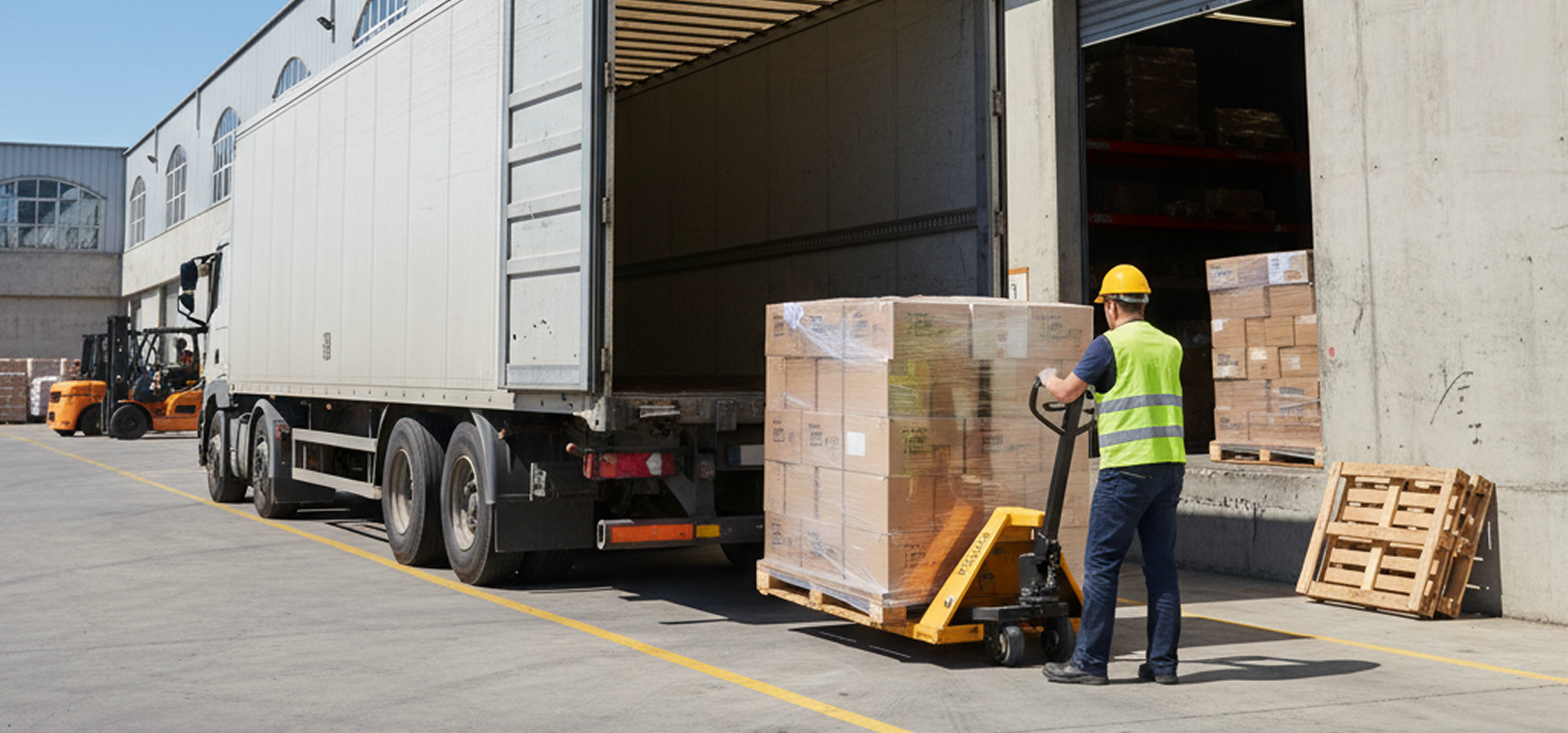
Entertainment, technology, aerospace and defense, manufacturing, fashion and apparel, tourism and hospitality, real estate, health services, international trade and logistics, and construction.
Major Logistics Providers
GoBolt, Falcon International, QuickBox Fulfillment, Skylane Logistics, Stride Logistics, AMS Fulfillment, Barrett Distribution Centers, ARDI Express, 3PL Worldwide, A-Storage Group, AllPack Fulfillment, AP Express Logistics, Armstrong Supply Chain Solutions, Bergen Logistics, Omni Logistics, Serve Robotics, Shippabo, CloudKitchens, Zuum App, GoFreight, ShipBots.
Import/Export Volumes and Trading Partners
Los Angeles handled over 5.9 million TEUs year-to-date in 2025, with top trading partners including China, Japan, Vietnam, South Korea, and Taiwan, and imports vastly exceeding exports in both value and volume.
Supply Chain Resilience
Los Angeles supply chain resilience is strengthened by infrastructure modernization and automation at the Port of Los Angeles, but faces significant risk factors from policy-driven cargo volatility, natural disasters like fires, and ongoing challenges in demand forecasting, cyberattacks, and infrastructure disruptions.
Local Manufacturing Capabilities
Los Angeles is a major manufacturing hub with diverse sectors including aerospace, apparel, and electronics, supported by a large workforce and strategic infrastructure.
Industry Clusters
Los Angeles' main industry clusters include entertainment and media, technology and innovation, aerospace and defense, fashion, manufacturing, advanced transportation and logistics, energy, construction, utilities, healthcare, bioscience, and retail, hospitality, and tourism.
Competitive Advantages
Strategic West Coast location with world-class ports, advanced multimodal infrastructure, deep talent pool, and direct access to Asia-Pacific markets.
Infrastructure Assessment
Detailed evaluation of Los Angeles's infrastructure quality, investment projects, utility systems, and environmental considerations for strategic planning.
Quality and Capacity
Los Angeles faces challenges in maintaining and upgrading its infrastructure, with ongoing efforts to improve water systems and public services, but it requires significant investments to meet growing demands and address aging facilities.
Planned Investments
Los Angeles is planning major infrastructure investments including a five-year Capital Infrastructure Plan, public transit expansions, a $2.62 billion convention center upgrade, and targeted improvements to sidewalks, streets, parks, and wastewater systems, with a focus on readiness for the 2028 Olympics and long-term citywide revitalization.
Utilities Reliability and Costs
Los Angeles is served by a vast, municipally managed power and water infrastructure—including over 7,300 miles of water mains, a vertically integrated electric grid with thousands of miles of overhead and underground lines, and a growing portfolio of renewable energy sources—while internet service is provided by multiple private companies, resulting in varied coverage and speeds across the city.
Environmental Factors
Los Angeles logistics operations face significant air quality challenges from diesel truck emissions at warehouses and distribution centers, with the region having the worst ozone pollution in the nation and higher PM2.5 concentrations in areas with more warehouse activity.
