Luanda
Infrastructure quality in Luanda is generally poor, with unreliable power, inadequate water and sanitation services, and road networks that lag behind demand and regional standards.
2.82.8 M+
Population
116116 km²
Area
24,82024,820 /km²
Density
Growth Trends
376.9K
The projected net population growth in Luanda for 2024 is 376,870.
Working-Age Population
53.0%
67% of the global population is of working age, with this share expected to decline in many regions over the coming decades.
Employment Rates
Key industries include oil and gas, agro-processing, manufacturing, and logistics, with major corporations like Sonangol, SLB, and ZEE Luanda-Bengo playing significant roles.
Educational Attainment
Tertiary attainment among young adults aged 25-34 in OECD countries increased from 45% in 2019 to 48% in 2024 placing it among top OECD nations.
Foreign Residents
The average income for foreign residents in Luanda is about 11 million yen with 60% earning less.
Ethnic Composition
Foreign residents in Luanda surpassed 0.3 million in 2024, making up about 3% of the city population, with the largest groups from Portugal, Brazil, China, Cuba, and Vietnam.
Commuting
Luanda’s metropolitan area, with over 10 million residents, will have a metro projected to serve 1 million daily commuters by 2030, primarily connecting suburban districts to the city center.
Migration Patterns
376,870
Average Income
3.6K
The average annual income in Luanda is about 830,000 yen, though more than half earn less than this amount.
Transportation & Logistics Overview
Warehousing & Fulfillment Landscape
Space and Vacancy Rates
17%
Lease Rates and Warehouse Classes
Warehouse lease rates in Luanda typically range from Kz 1,530,000 to Kz 6,000,000 per month depending on size, location, and condition, with both new and used warehouses available but no formal class system publicly specified.
Major Warehouse Districts
Viana, Cacuaco, Porto de Luanda (Port Area), Ingombota (Mutamba), Mulemba.
Last-Mile Delivery Infrastructure
Luanda's last-mile delivery infrastructure includes app-based services like Tupuca that deliver diverse products including live animals through 140 drivers making 17,000 monthly deliveries, though the overall system remains underdeveloped due to poor infrastructure and limited technology access.
Automation and Technology Adoption
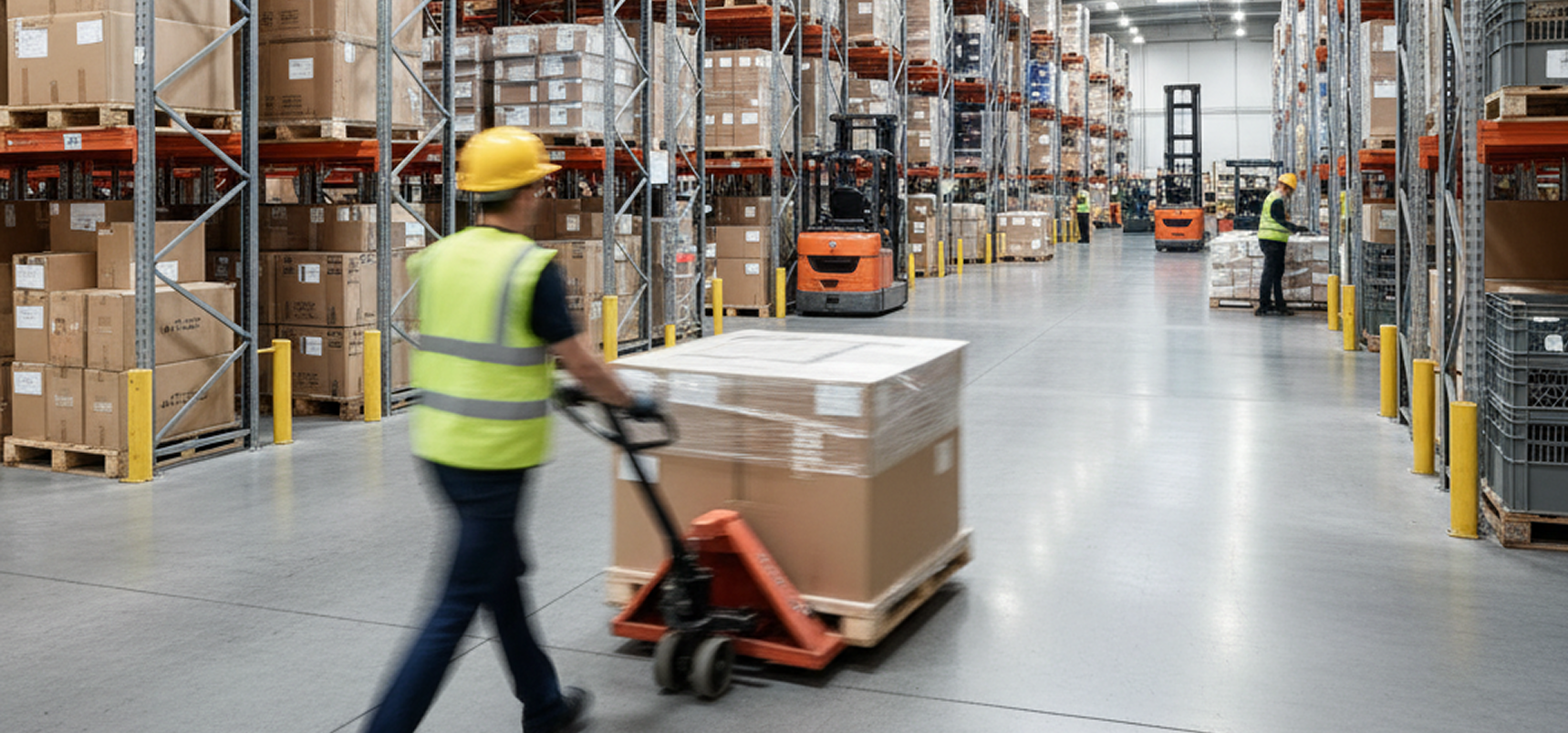
Warehouse automation and technology adoption in Luanda is emerging, with gradual implementation of systems like warehouse management software, automated storage solutions, and robotics to improve efficiency and reduce manual labor.
Cold Storage and Specialty Warehousing
Cold storage and specialty warehousing facilities in Luanda offer temperature-controlled environments for storing perishable goods, with services like refrigerated storage and logistics management, as seen in facilities like DistriCold and Multiparques Rangel.
Supply Chain Analysis
Key Industries
Oil and gas, port logistics, construction, real estate, commerce, agriculture and fisheries, mining (limestone, sand, clay), manufacturing, beverages, textiles, cement, car assembly, tourism, and hotel business.
Major Logistics Providers
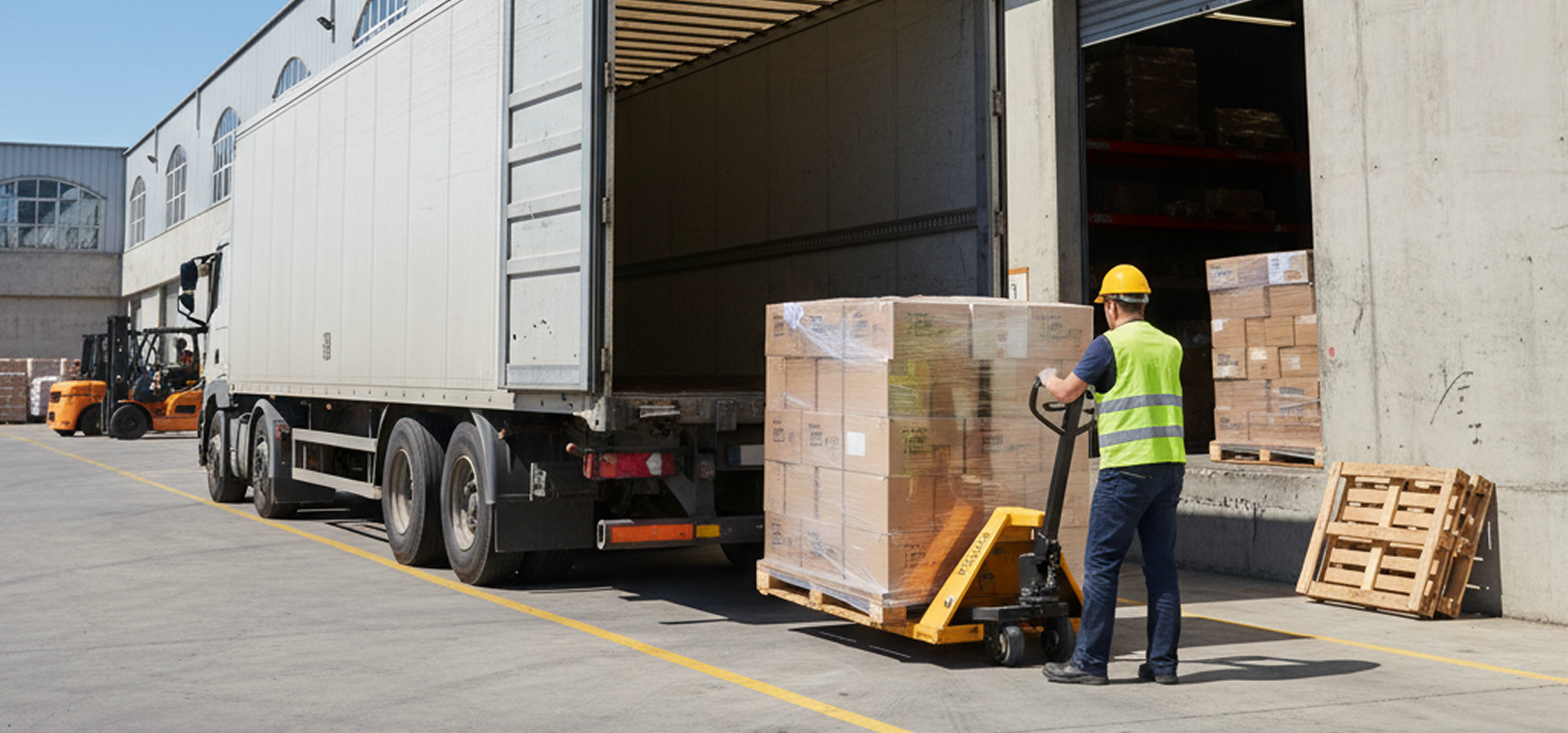
Major logistics and supply chain providers operating in Luanda include Natco Angola, Olicargo, Bolloré Transport & Logistics, DHL Global Forwarding, XTC Logistics, BNL Shipping, Expression of Interest Limited, Ibrah Transportes, McKinsey & Company, Regis Uganda Ltd, LELLO International, Telecom Warehouse, Lisboa & Filhos, Kerry Logistics, Buell Trucking, Aramex, Nelson Logistics, Crager Transportation, MSC Walvis, Ashley Logistics, Jundimport Express, WITL Trucking, BIMECA Process, LPGA, Remeco company, Oren Hydrocarbons, Metaplast, Bennour Voyages, Wagner Logistics, P & P Transportation, Indiana Transport Shipping, B & T Transport, Mapletree Transportation, and MSC Angola.
Import/Export Volumes and Trading Partners
Angola’s capital Luanda saw exports fall 17.5% and imports rise 19% in Q2 2025, with oil dominating exports mainly to China, India, and Indonesia, while imports—led by machinery, equipment, and food—came chiefly from China, Portugal, the UK, and the US.
Supply Chain Resilience
Supply chain resilience in Luanda is improving due to government reforms, international collaboration, and infrastructure investment, but risks remain from operational disruptions, demand volatility, and challenges in last-mile delivery and public health logistics.
Local Manufacturing Capabilities
Luanda’s local manufacturing capabilities are centered on oil refining, petrochemical blending, and limited industrial processing, with the Luanda refinery meeting only a fraction of domestic fuel demand and ongoing efforts to expand capacity.
Industry Clusters
The main industry clusters in Luanda are oil refining, agriculture processing, beverages, textiles, construction, real estate, commerce, and various service sectors including financial, transport, and telecommunications.
Competitive Advantages
Luanda’s key competitive advantages as a logistics/business hub are its strategic Atlantic location, modernizing port infrastructure, efficient shipping connectivity, regional gateway role for landlocked neighbors, and growing investment partnerships driving supply chain reliability and economic growth.
Infrastructure Assessment
Detailed evaluation of Luanda's infrastructure quality, investment projects, utility systems, and environmental considerations for strategic planning.
Quality and Capacity
Luanda’s infrastructure quality and capacity are improving but remain challenged by significant investment gaps, with ongoing efforts to attract financing for large-scale upgrades in energy, transport, and digital sectors.
Planned Investments
Luanda will host Africa’s largest infrastructure financing summit in October 2025 to mobilize investments for energy, transport, logistics, and digital networks under the African Union’s Agenda 2063 and Programme for Infrastructure Development in Africa.
Utilities Reliability and Costs
Luanda’s utility infrastructure faces challenges with frequent power outages, limited access to clean water, and variable internet quality, though major government projects are underway to expand and modernize these essential services.
Environmental Factors
Environmental factors affecting logistics in Luanda include water consumption reduction efforts, waste recycling initiatives, and broader challenges such as inefficient transport infrastructure and rising greenhouse gas emissions.
