Madrid
Madrid’s infrastructure quality is widely regarded as modern, efficient, and well-maintained, with strong public transit, sustainability initiatives, and ongoing investment in urban innovation.
3.43.4 M+
Population
844844 km²
Area
5,4005,400 /km²
Density
Growth Trends
20K
Population growth information not available
Working-Age Population
65.93%
67% of the population in Emerging Asia, India, Latin America, and the Middle East is of working age.
Employment Rates
Key industries include ICT, pharmaceuticals, logistics, and renewable energy with major corporations like PFIZER, GSK, and LILLY playing significant roles.
Educational Attainment
Tertiary attainment among young adults aged 25-34 in OECD countries increased from 45% in 2019 to 48% in 2024.
Foreign Residents
The average income for foreign residents in Madrid is about 5.8 million yen with 40% earning less.
Ethnic Composition
Foreign residents in Madrid surpassed 1.66 million in 2024, making up about 15% of the city population, with the largest groups from Venezuela, Colombia, Peru, Ecuador, Romania, Morocco, and China.
Commuting
744,000 people commute daily from other municipalities into Madrid for work, mainly using rail and public transport systems such as Metro and Cercanías.
Migration Patterns
Madrid continues to attract residents from other regions with a net inflow of 150,469 people in 2024.
Average Income
€35K
The average annual income in Madrid is about 7 million yen, though more than half earn less than this amount.
Transportation & Logistics Overview
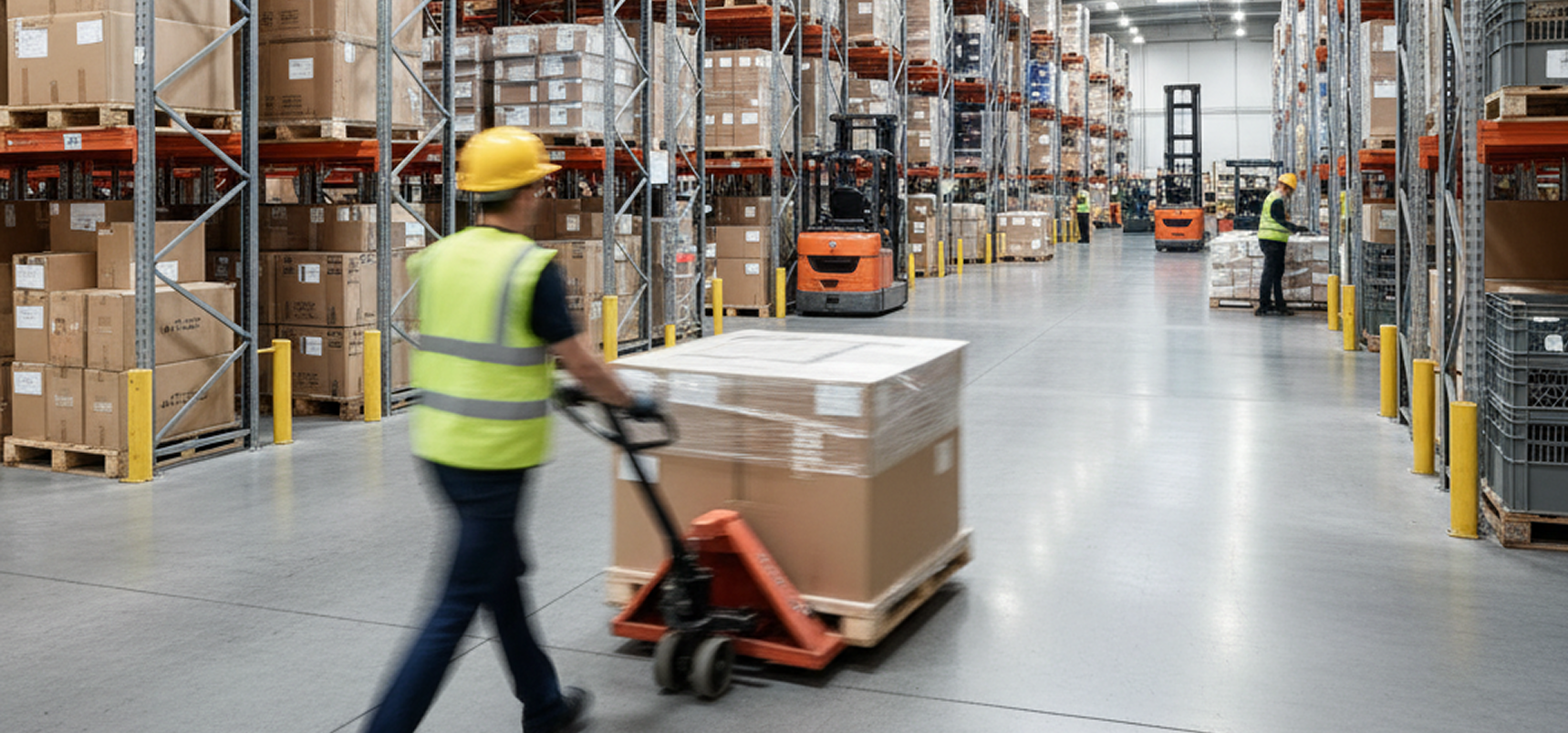
Warehousing & Fulfillment Landscape
Space and Vacancy Rates
9.58%
Lease Rates and Warehouse Classes
Prime warehouse lease rates in Madrid for 2025 average around €5.00–€6.75 per square meter per month, with most large deals occurring in modern Class A assets.
Major Warehouse Districts
Henares Corridor (including Coslada, San Fernando de Henares, Torrejón de Ardoz), Barajas, Getafe, Leganés, Villaverde, Rivas-Vaciamadrid, Alcobendas, Illescas, and the A-2 and A-4 highway axes.
Last-Mile Delivery Infrastructure
Madrid's last-mile delivery infrastructure involves innovative solutions like using the metro system for parcel transport and smart locker logistics to reduce congestion and environmental impact.
Automation and Technology Adoption
Madrid hosts the annual LOGISTICS & AUTOMATION trade fair showcasing cutting-edge warehouse automation technologies including autonomous mobile robots, automated storage systems like AutoStore, and AI-driven logistics solutions that are transforming supply chain operations across Europe.
Cold Storage and Specialty Warehousing
Madrid hosts diverse cold storage facilities including Fripecan's refrigerated transport hub at Madrid Transport Centre, Mercamadrid's massive 547-acre wholesale market with separate installations for meat, fish, fruit and vegetables, DOMPAL's 4,000 square-meter warehouse with 8 independent refrigeration rooms, and Frigoríficos Veracruz's bi-temperature industrial warehouses in Leganés serving the greater Madrid area.
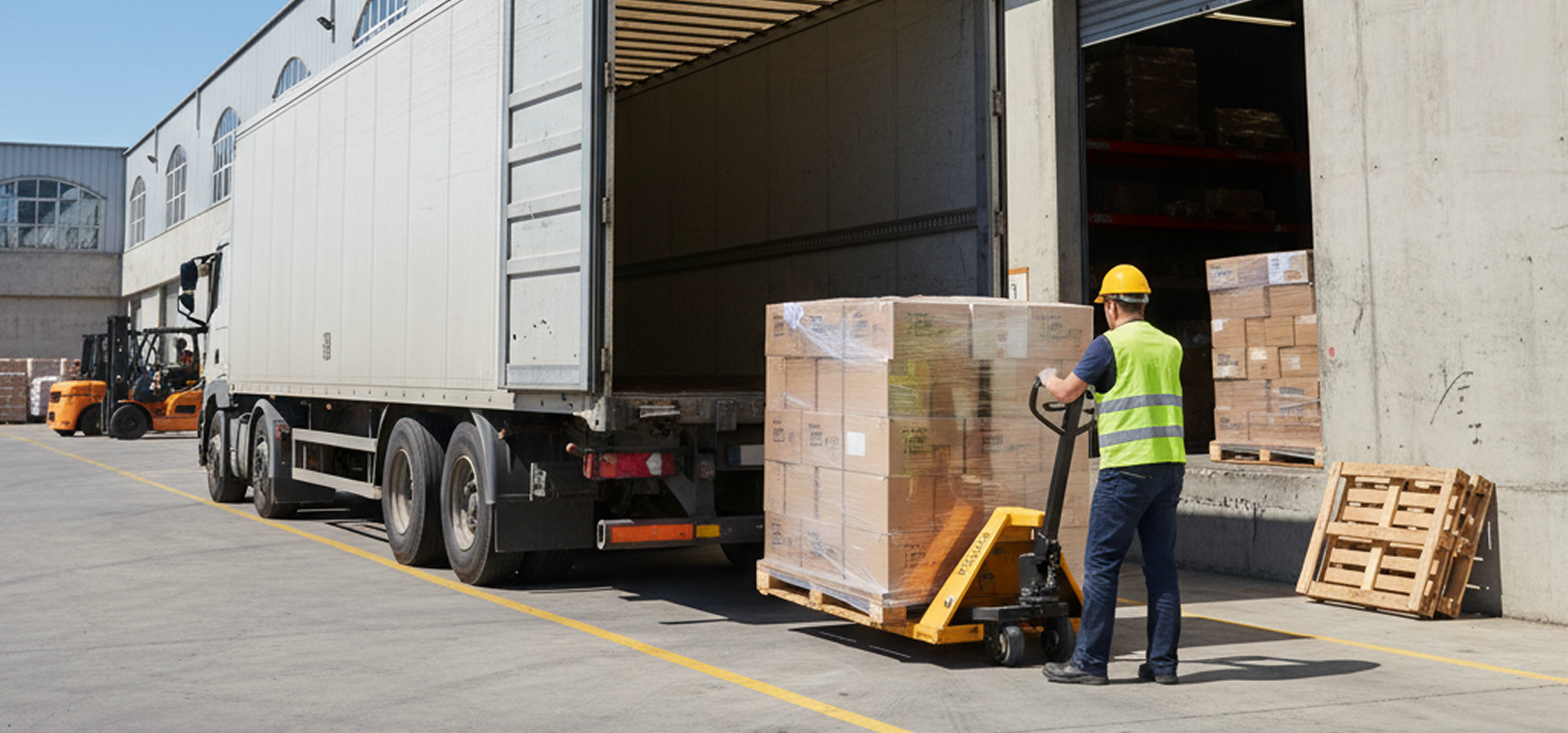
Supply Chain Analysis
Key Industries
Services, finance and banking, transport, trade fairs, public sector, tourism, ICT, pharmaceuticals, aerospace, telecommunications, electronics, and defense.
Major Logistics Providers
Grupo Perez y Cia. Panama, S.A., Alas Latinas, ChainGO Tech, Across Logistics, COTRANSA, TRANSCOMA GLOBAL LOGISTICS, Trucksters, Citibox Smart Services S.L., OnTruck, full&fast, Cabify Logistics, Alfil Logistics, OMP Logistics, ALC logistics, MZ Logistic, Resa Expo Logistics, VOLANS, SEUR, UPS, DHL, CEVA Logistics, Maersk, Schenker.
Import/Export Volumes and Trading Partners
Madrid’s import/export volumes are not specified; Spain’s top trading partners by export value are France, Germany, Italy, Portugal, and the United Kingdom.
Supply Chain Resilience
Madrid’s supply chain resilience is challenged by global volatility, reliance on distant suppliers, and rising logistics costs, but benefits from growing nearshoring initiatives, improved risk management, and efforts to enhance supply chain visibility and adaptability.
Local Manufacturing Capabilities
Madrid has a diverse manufacturing sector with strengths in machine tools, metal processing, robotics, composites, advanced materials, additive manufacturing, and industrial automation.
Industry Clusters
Madrid's main industry clusters include ICT and telecommunications (69% of Spanish market), pharmaceuticals and biotechnology (80% of world's largest companies), energy and renewable technologies, logistics and transport, financial services and fintech, advanced manufacturing, and research and development with over 54,000 R&D workers.
Competitive Advantages
Central Iberian location enables 24-hour delivery across Spain and Portugal, supported by advanced infrastructure, major transport networks, high concentration of businesses and logistics firms, leading air and rail freight capacity, and a dynamic ecosystem for innovation and international trade.
Infrastructure Assessment
Detailed evaluation of Madrid's infrastructure quality, investment projects, utility systems, and environmental considerations for strategic planning.
Quality and Capacity
Madrid’s infrastructure is modern, extensive, and well-maintained, supporting a large, dynamic population with advanced public transport, smart city technologies, and ongoing investments in sustainability and urban regeneration.
Planned Investments
Madrid is undertaking nearly 600 urban projects—including the €25 billion Madrid Nuevo Norte redevelopment, €12.8 billion for metro, rail, and airport upgrades, and a 75 km green belt—focused on sustainable mobility, green spaces, and modernized infrastructure through 2028.
Utilities Reliability and Costs
Madrid has a modern utility infrastructure with reliable electricity, widespread potable water access, and advanced internet connectivity, serving as a major data center and digital hub for southern Europe.
Environmental Factors
Key environmental factors affecting logistics in Madrid include air pollution, traffic congestion, restricted access due to low emission zones, and the push for sustainable mobility and eco-friendly vehicles.
