Manila
Manila's infrastructure is insufficient in quantity and inadequate in quality, with poor road conditions, subpar connectivity, and inefficient water supply and transportation systems.
1.91.9 M+
Population
4343 km²
Area
73,92073,920 /km²
Density
Growth Trends
288.6K
The projected net population growth in Manila for 2024 is 288,600.
Working-Age Population
67.1%
67% of the population in Emerging Asia, India, Latin America, the Caribbean, and the Middle East and North Africa is of working age.
Employment Rates
Key industries include manufacturing, e-commerce, financial services, and energy, with major corporations like San Miguel Corporation, Manila Electric Company (Meralco), and Shopee playing significant roles.
Educational Attainment
Tertiary attainment among young adults aged 25-34 in OECD countries increased from 45% in 2019 to 48% in 2024, placing it among top OECD nations.
Foreign Residents
The average income for foreign residents in Manila is about 1.1 million yen, with 50% earning less.
Ethnic Composition
Foreign residents in Manila surpassed 153,651 in 2024 making up about 1.1% of the city population with largest groups from China, India, Vietnam, USA, Taiwan, South Korea, Indonesia, Japan, UK, and Malaysia.
Commuting
Metro Manila sees over 3.8 million vehicles daily, with millions commuting—mostly by road and public transport, not primarily by rail—from suburbs and residential districts into the central city for work.
Migration Patterns
517,289
Average Income
11K
The average annual income in Manila is about 7.2 million yen though more than half earn less than this amount.
Transportation & Logistics Overview
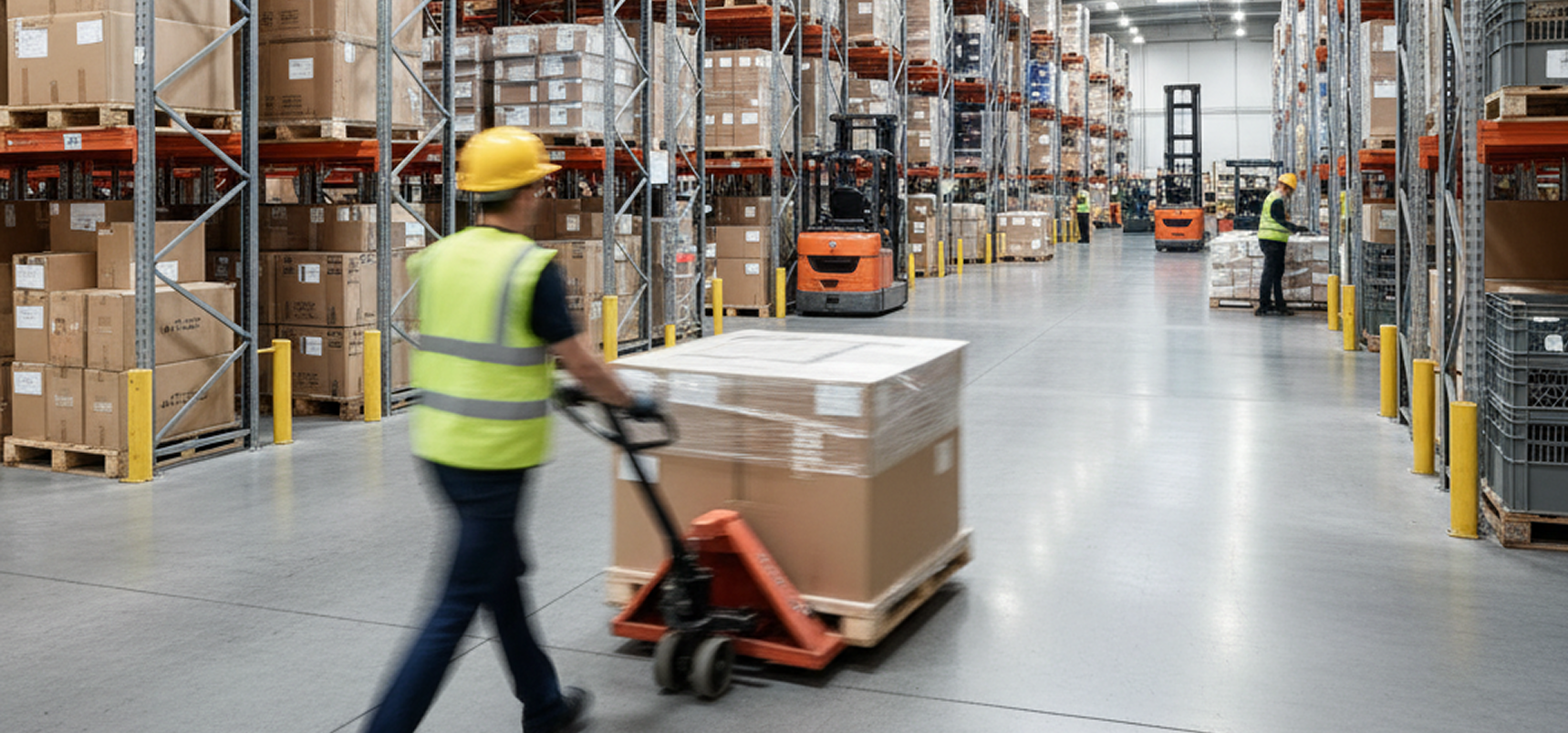
Warehousing & Fulfillment Landscape
Space and Vacancy Rates
The warehouse space vacancy rate in Manila is not specifically reported, but nearby industrial hubs (Cavite, Laguna, Batangas) have a vacancy rate of 9.6%.
Lease Rates and Warehouse Classes
Warehouse lease rates in Manila range from approximately ₱100 to ₱678 per square meter per month, with various classes available from basic to luxurious facilities.
Major Warehouse Districts
Metro Manila, Cavite, Laguna, Batangas (CALABARZON), Bulacan, Pampanga (North Luzon), Valenzuela, Quezon City, Pasig, Taguig, Pasay City, Makati, Ortigas Center, Bonifacio Global City
Last-Mile Delivery Infrastructure
Last-mile delivery infrastructure in Manila faces challenges such as urban congestion and high logistical costs, requiring optimized routes and strategic partnerships to ensure efficient delivery.
Automation and Technology Adoption
Warehouse automation in Manila involves the integration of advanced technologies such as automated storage and retrieval systems, as seen in facilities like ORCA's fully automated cold chain solutions, which enhance efficiency and inventory management in logistics operations.
Cold Storage and Specialty Warehousing
Cold storage and specialty warehousing facilities in Manila are temperature-controlled warehouses designed to store perishable goods, featuring advanced refrigeration systems, multiple freezer and chiller rooms, and integrated logistics solutions for efficient distribution and inventory management.
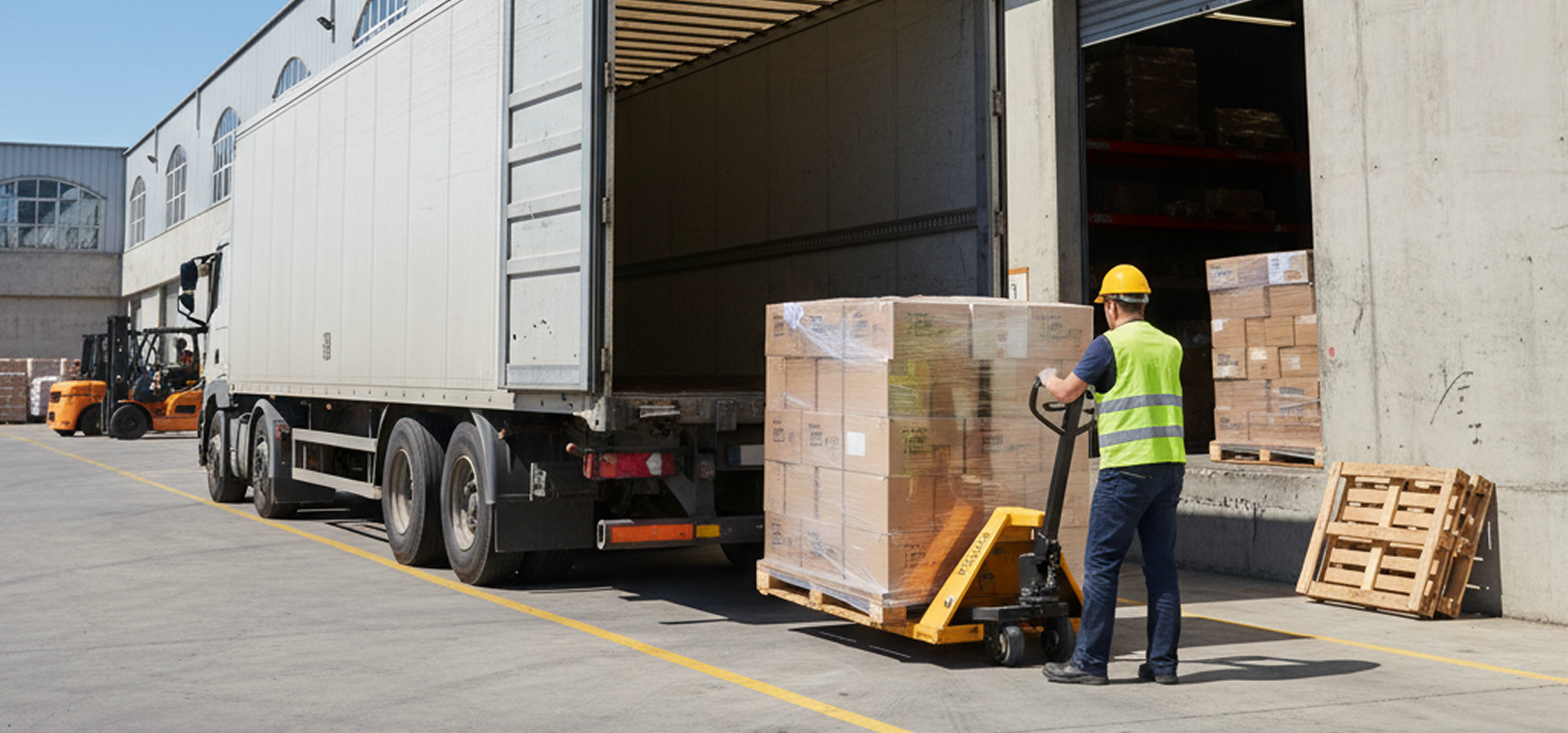
Supply Chain Analysis
Key Industries
Key industries and economic sectors in Manila are services (including business process outsourcing, finance, tourism, and IT), manufacturing (electronics, machinery, transport equipment), trade, real estate, construction, and agriculture.
Major Logistics Providers
Omni Logistics, Mr. Fulfill, Entrego, Royal Cargo, Vserve Ebusiness Solutions, EX-WORKS CARGO SERVICES INC, Airspeed, AAI Worldwide Logistics, SHIPHYPE FULFILLMENT, eShipper, AMZ Prep, Logicore Inc, Toplis Solutions, Jades Cargo Services Inc, LBC Express, 2GO Logistics
Import/Export Volumes and Trading Partners
Manila's export volume for January–August 2025 was $55.7 billion (mainly electronics), imports were $88.08 billion (mainly electronics and fuels), with key trading partners including Hong Kong, the United States, Japan, China, and Taiwan.
Supply Chain Resilience
Supply chain resilience in Manila is challenged by frequent disruptions, with key risk factors including limited flexibility, integration, market strength, and criticality, alongside vulnerabilities in communication, collaboration, and exposure to natural disasters and market volatility.
Local Manufacturing Capabilities
Manila serves as the geographic center of the Philippines' manufacturing sector, which contributes 18-19% of GDP and employs over 3.5 million workers, with key capabilities in electronics assembly, semiconductors, food processing, automotive parts, and aerospace components concentrated in Metro Manila and surrounding industrial zones.
Industry Clusters
The main industry clusters in Manila are business process outsourcing (BPO), information technology (IT), manufacturing (electronics, food & beverage, automotive, textiles), real estate and construction, and emerging AI-driven digital jobs.
Competitive Advantages
Manila’s key competitive advantages as a logistics/business hub are its strategic geographic location near major Asian trade routes, extensive port infrastructure, ongoing transport modernization, strong international investment, and rapid growth in e-commerce and supply chain innovation.
Infrastructure Assessment
Detailed evaluation of Manila's infrastructure quality, investment projects, utility systems, and environmental considerations for strategic planning.
Quality and Capacity
Manila’s infrastructure quality and capacity are improving with significant government investment and stable construction activity, but challenges remain in structural resilience, skilled labor shortages, and the need for stricter quality controls.
Planned Investments
Planned infrastructure investments in Manila focus on major transportation projects like the Metro Manila Subway, North-South Commuter Railway, MRT-7, LRT-1 Cavite Extension, and the New Manila International Airport, aiming to improve connectivity, ease congestion, and drive economic growth.
Utilities Reliability and Costs
Manila’s utility infrastructure faces challenges with frequent power and water supply issues, limited fixed broadband access, and generally slow, costly internet, despite ongoing government investment and urban expansion.
Environmental Factors
Key environmental factors affecting logistics in Manila include air and water pollution, waste management challenges, sedimentation from port activities, vulnerability to typhoons, and the need for sustainable infrastructure and green logistics initiatives.
