Miami
Miami’s infrastructure is actively being upgraded for resilience and modernization, but faces significant challenges from aging systems and vulnerability to flooding and sea level rise.
442,241442,241 M+
Population
9292 km²
Area
4,8664,866 /km²
Density
Growth Trends
16,337
The projected net population growth in Miami for 2024 is 16,337.
Working-Age Population
67.09%
67% of the global population is of working age, with this share expected to decline in coming decades as populations age.
Employment Rates
Key industries include international trade, finance, tourism, and technology, with major corporations like Lennar, Ryder System, and World Kinect Corporation playing significant roles.
Educational Attainment
Tertiary attainment among young adults aged 25-34 in South Korea increased from 69% in 2019 to 70% in 2022, placing it among the top OECD nations.
Foreign Residents
The average income for foreign residents in Miami is about $40,000 USD, with 50% earning less.
Ethnic Composition
Foreign residents in Miami surpassed 2.5 million in 2024, making up about 41.5% of the city population, with the largest groups from Cuba, Haiti, Colombia, Venezuela, Jamaica, Nicaragua, and Mexico.
Commuting
The Miami metropolitan area’s commuting is dominated by cars, with less than 10% of residents regularly using rail or public transit to travel from suburbs to central city for work.
Migration Patterns
Miami continues to attract residents from other regions with a net inflow of 64,211 people in 2024.
Average Income
55K
The average annual income in Miami is about 8.3 million yen, though more than half earn less than this amount.
Transportation & Logistics Overview
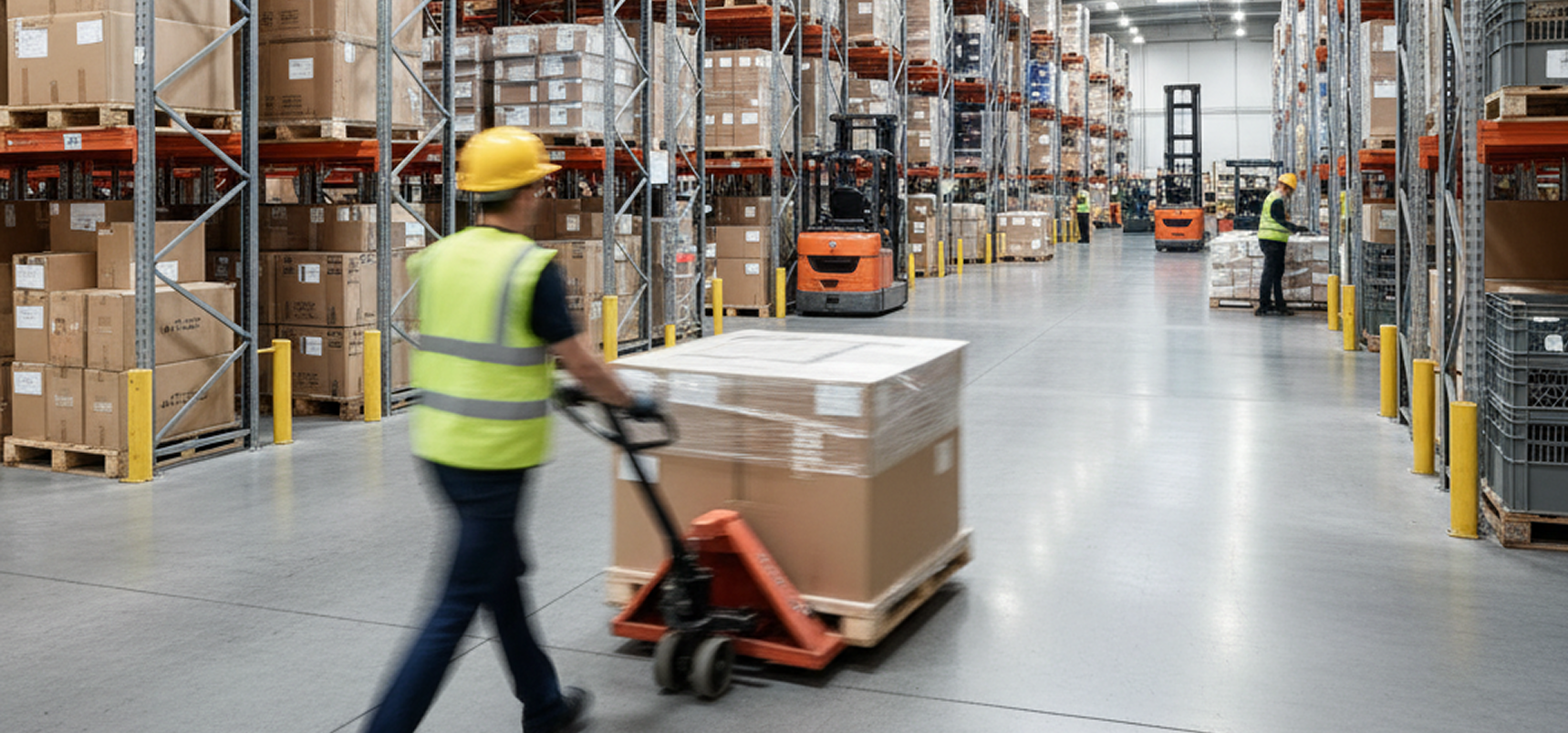
Warehousing & Fulfillment Landscape
Space and Vacancy Rates
6.3%
Lease Rates and Warehouse Classes
Miami warehouse lease rates typically range from $10–$20 per square foot (NNN), with higher rates for modern Class A facilities and lower rates for older Class B/C spaces.
Major Warehouse Districts
Airport West/Doral, Medley, Hialeah, Eastside/Airport East, Homestead/Florida City, Miami Gardens, Hialeah Gardens.
Last-Mile Delivery Infrastructure
Miami’s last-mile delivery infrastructure features rapid, reliable service supported by major ports, airports, advanced road and rail networks, local expertise, and flexible logistics providers.
Automation and Technology Adoption
Miami warehouses are rapidly adopting automation and robotics technologies to boost productivity, efficiency, and accuracy in response to growing e-commerce and logistics demands.
Cold Storage and Specialty Warehousing
Cold storage and specialty warehousing facilities in Miami offer temperature-controlled environments for perishable and non-perishable goods, featuring advanced refrigeration, security, and logistics capabilities near major ports and airports.
Supply Chain Analysis
Key Industries
International trade and logistics, finance and banking, real estate and construction, healthcare and life sciences, technology and innovation, tourism and hospitality, aviation and aerospace, creative industries, blue and green economy.
Major Logistics Providers
Prime Logistics, Merit Cargo Group, Global Cargo, Sun Logistics Supply Chain Solutions, Go Freight, IMT Logistics, Amex Logistics, DHL, CEVA Logistics, GoBolt, Falcon International, Go Warehouse, Palletized eHub, Suddath, FREIGHT R US, Miami International Freight Solutions, ShipOCI, NR International Cargo, Express Freight International, Phase V, Total Quality Logistics (TQL), XPO Logistics, Ameriworld Fulfillment, Kuehne + Nagel, BlueGrace.
Import/Export Volumes and Trading Partners
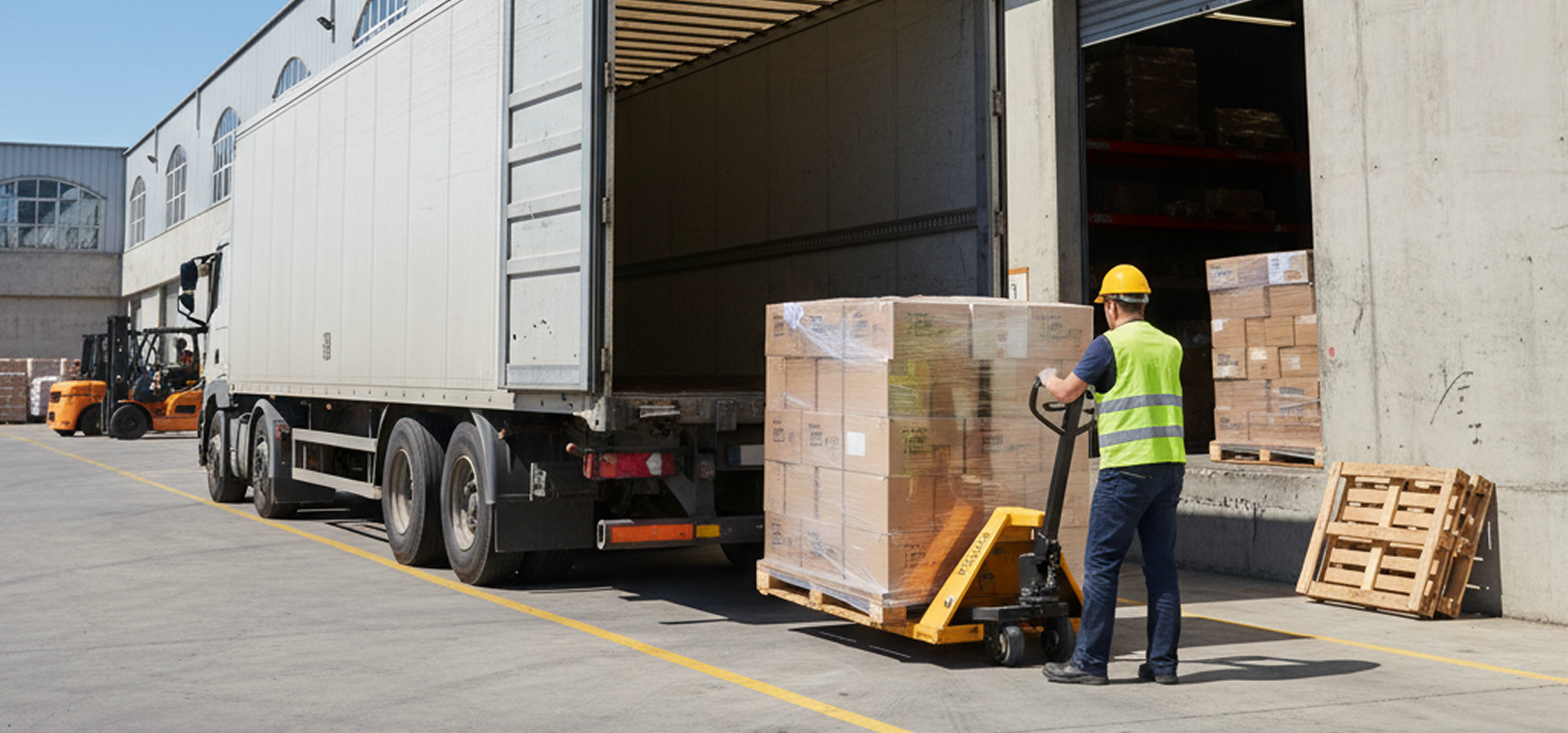
Miami’s import/export trade totals over $30 billion annually, with key trading partners including the Dominican Republic, China, Honduras, Peru, and Italy, and major volumes moving through PortMiami, Port Everglades, and Miami International Airport.
Supply Chain Resilience
Miami’s supply chain resilience has improved due to rapid adaptation and lessons learned from recent disruptions, but key risk factors remain, including supplier unreliability, labor shortages, transportation constraints, and vulnerability to natural disasters.
Local Manufacturing Capabilities
Miami’s local manufacturing capabilities span food service equipment, seafood production, and specialized industrial products such as mining tires, with a mix of established firms and innovative startups serving diverse industries.
Industry Clusters
The main industry clusters in Miami are international trade, finance, tourism, technology, aviation and aerospace, life sciences and healthcare, and the green and blue economy.
Competitive Advantages
Strategic location as gateway to Latin America and Caribbean, world-class port and airport infrastructure handling over 9 million tons cargo annually, 300+ Foreign Trade Zones offering duty deferrals, multilingual skilled workforce, and seamless intermodal connectivity reducing transit times and costs.
Infrastructure Assessment
Detailed evaluation of Miami's infrastructure quality, investment projects, utility systems, and environmental considerations for strategic planning.
Quality and Capacity
Miami’s infrastructure quality is generally rated as fair to good, with ongoing upgrades to support increasing capacity demands from rapid development and population growth.
Planned Investments
Miami is investing in resilient infrastructure, flood control, smart transit, and downtown enhancements through projects like the Miami Forever Bond, the SMART transit program, and the Downtown Master Plan to address climate risks, improve mobility, and boost urban livability.
Utilities Reliability and Costs
Miami's utility infrastructure includes underground power systems that are safer and more reliable than overhead lines, a tiered water and sewer rate structure to promote conservation, and extensive water and sewer services provided by the Miami-Dade Water and Sewer Department.
Environmental Factors
Key environmental factors affecting logistics in Miami include air pollution from freight traffic, carbon emissions, renewable energy adoption, waste management, water conservation, and vulnerability to sea level rise and extreme weather.
