Moscow
Moscow’s infrastructure quality is generally high, with extensive public transit, ongoing metro expansions, and well-maintained residential heating, though water and sewage systems show above-average deterioration.
1313 M+
Population
2,5112,511 km²
Area
11,50011,500 /km²
Density
Growth Trends
N/A
The projected net population growth in Moscow for 2024 is
Working-Age Population
58.5%
67% of the global population is of working age, with this share expected to peak in the 2030s before gradually declining.
Employment Rates
Key industries include manufacturing, finance, and information technology, with major corporations like Sberbank, Gazprom, and Yandex playing significant roles.
Educational Attainment
Tertiary attainment among young adults aged 25-34 in OECD countries increased from 45% in 2019 to 48% in 2024, placing it among the top OECD nations.
Foreign Residents
The average income for foreign residents in Moscow is about 1.5 million yen per year with 50% earning less.
Ethnic Composition
Foreign residents in Moscow surpassed 2 million in 2024, making up about 16% of the city population, with largest groups from Uzbekistan, Kazakhstan, Tajikistan, China, and Kyrgyzstan.
Commuting
Over 572,000 people commute daily on the Moscow Central Diameters rail lines, connecting suburban districts with the city center, reflecting extensive metropolitan commuting patterns.
Migration Patterns
50000
Moscow continues to attract residents from other regions with a net inflow of 25,100 people in 2024.
Average Income
16.5K
The average annual income in Moscow is about 1.48 million RUB.
Transportation & Logistics Overview
Warehousing & Fulfillment Landscape
Space and Vacancy Rates
0.3%
Lease Rates and Warehouse Classes
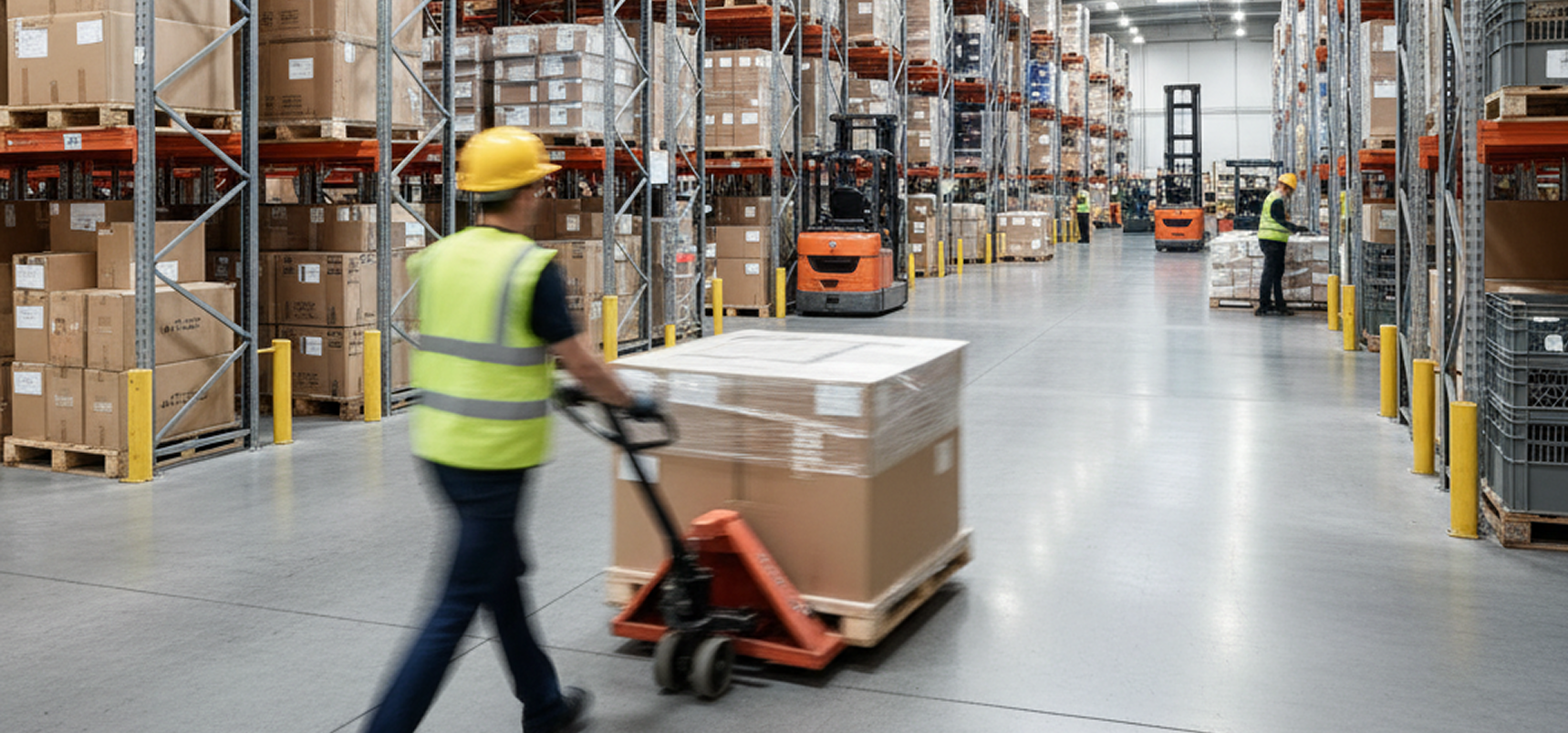
Class A warehouse rental rates in Moscow reached 12,100 rubles per square meter per year in 2025, with demand falling 45% compared to previous year while vacancy rates increased to potential 7% levels.
Major Warehouse Districts
Northwest (Zelenograd, Radumlya), South (Domodedovo, Belye Stolby), East (Balashikha, Noginsk), Central Ring Road (Belyi Rast, Sever-4), Southwest (Vorsino), Northeast (Sofrino, Pushkino), West (Istra), North (Dmitrov)
Last-Mile Delivery Infrastructure
Moscow's last-mile delivery infrastructure includes car sharing systems for short business trips and city center journeys, plus first/last mile services at major transport terminals like TLC Electrougli.
Automation and Technology Adoption
Moscow’s warehouse sector is rapidly adopting digitalization, automation, and robotics to boost efficiency, reduce costs, and adapt to evolving supply chain demands.
Cold Storage and Specialty Warehousing
Cold storage and specialty warehousing facilities in Moscow offer modern, temperature-controlled environments with flexible zones for frozen and fresh products, advanced equipment, and full-cycle logistics services for safe storage and handling of perishable goods.
Supply Chain Analysis
Key Industries
Manufacturing (high-tech, electronics, pharmaceuticals, food), finance, retail, wholesale trade, and services (IT, healthcare, education)
Major Logistics Providers
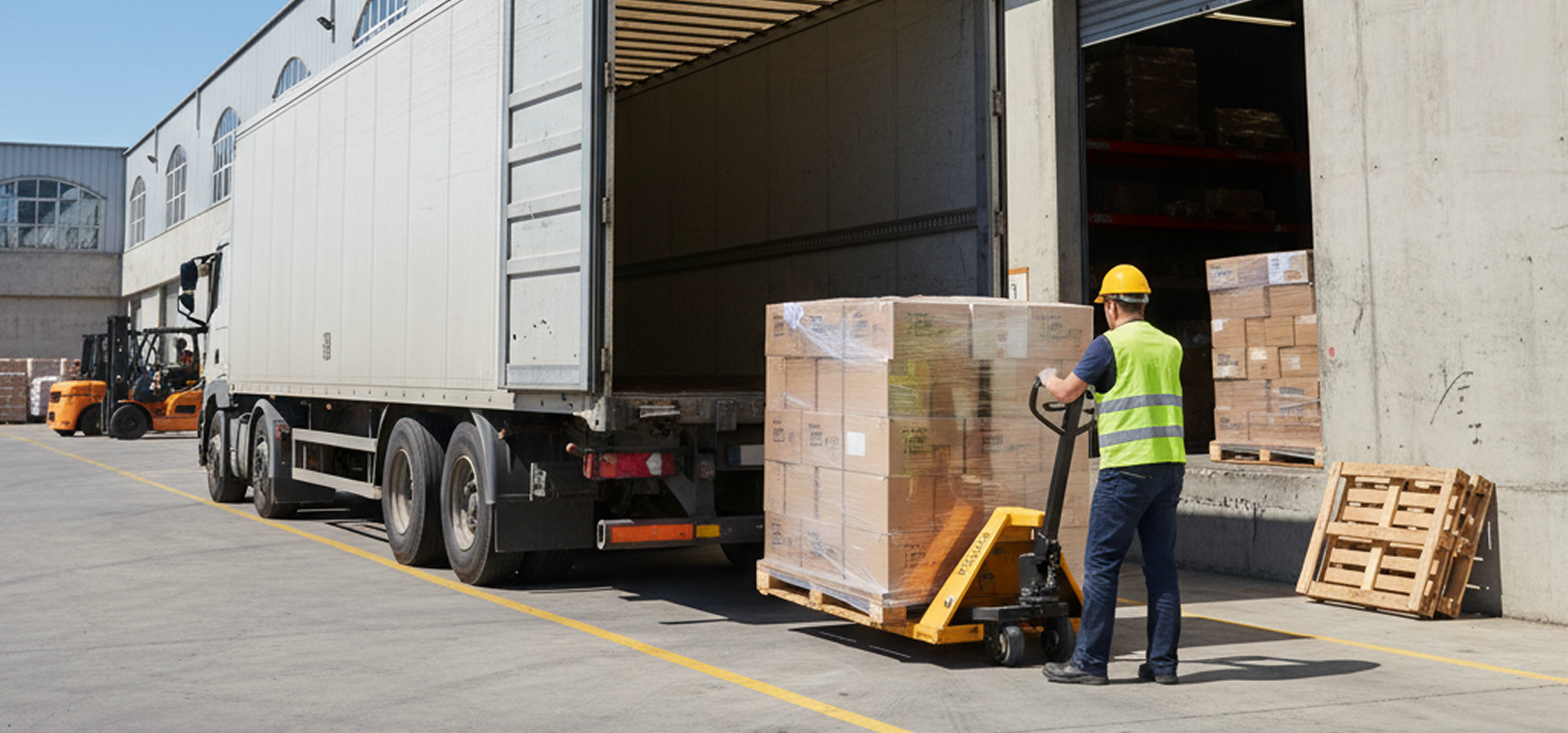
Avion Aero LLC, Barrus Projects LLC, eCargoWorld Russia, FWD LLC, JSC Skyfor, LLC MGM Logistic, Transafe Logistics LLC, JIKE Logistics Limited, MST Shipping Service, ULSI Logistics Services, DB Schenker, MOLCOM, Proft Logistic, Gruz-Transport, Pro Logistics Group, Russky Cargo Company, Major Logistics Group, FESCO.
Import/Export Volumes and Trading Partners
Moscow’s import/export volumes are dominated by Russia’s total imports of $285 billion and exports of over $128 billion to China, with key trading partners including China, Germany, the Netherlands, India, Turkey, and Kazakhstan.
Supply Chain Resilience
Supply chain resilience in Moscow is characterized by state-led innovation and increased self-sufficiency in critical sectors like semiconductors and digital finance, but remains exposed to high geopolitical risk, sanctions, and sector-specific vulnerabilities such as aviation and technology imports.
Local Manufacturing Capabilities
Moscow has diverse local manufacturing capabilities, producing foodstuffs, pharmaceuticals, medical devices, elevators, construction materials, clothing, packaging, machine-building equipment, and aircraft components.
Industry Clusters
The main industry clusters in Moscow are technology and innovation (including microelectronics, photonics, and electric vehicles), pharmaceuticals and medical equipment, engineering and metalworking, chemicals, food processing, and business services centered around major business districts.
Competitive Advantages
Moscow's key competitive advantages as a logistics/business hub include its central geographic location, multimodal transportation integration, advanced technological infrastructure, efficient logistics coordination, comprehensive service offerings, and robust regional economic connections.
Infrastructure Assessment
Detailed evaluation of Moscow's infrastructure quality, investment projects, utility systems, and environmental considerations for strategic planning.
Quality and Capacity
Moscow’s infrastructure quality and capacity are generally high for roads and heating systems, but water and sewage systems show above-average deterioration, and rapid urban growth continues to strain municipal networks.
Planned Investments
Moscow’s planned infrastructure investments for 2025–2026 focus on expanding metro lines, upgrading hospitals, renovating major facilities, and constructing new real estate and transport projects to modernize the city and improve urban connectivity.
Utilities Reliability and Costs
Moscow has well-maintained municipal infrastructure with central heating, electricity, water systems, and internet services, though water and sewage networks show above-average deterioration compared to other Russian regions.
Environmental Factors
Key environmental factors affecting logistics in Moscow include air pollution, traffic congestion, regulatory restrictions on vehicle emissions, and ongoing efforts to modernize transport infrastructure and promote greener logistics solutions.
