Mumbai
Mumbai's infrastructure is undergoing massive transformation with significant government investment in metro expansion, coastal roads, and connectivity projects, though current systems face challenges with reliability and congestion.
12.412.4 M+
Population
603603 km²
Area
20,48220,482 /km²
Density
Growth Trends
415,900
The projected net population growth in Mumbai for 2024 is approximately 384,000.
Working-Age Population
N/A
67% of the global population is of working age, with this share expected to decline in many regions over the coming decades.
Employment Rates
Key industries include finance, information technology, entertainment, and textiles, with major corporations like Reliance Industries, Tata Group, and Aditya Birla Group playing significant roles.
Educational Attainment
Tertiary attainment among young adults aged 25-34 in Germany increased from 33% in 2019 to 40% in 2024, placing it among top OECD nations.
Foreign Residents
The average income for foreign residents in Mumbai is about 2.3 million yen with 50% earning less.
Ethnic Composition
Foreign residents in Mumbai surpassed BLANK million in 2024 making up about BLANK% of the city population with largest groups from BLANK.
Commuting
At least 7.56 million people commute daily on Mumbai’s local rail network, with millions traveling from suburban and residential districts into the central city for work.
Migration Patterns
Mumbai continues to attract residents from other regions with a net inflow of 1,000,000 people in 2024.
Average Income
22L
The average annual income in Mumbai is about 1.1 million yen though more than half earn less than this amount.
Transportation & Logistics Overview
Warehousing & Fulfillment Landscape
Space and Vacancy Rates
11.4%
Lease Rates and Warehouse Classes
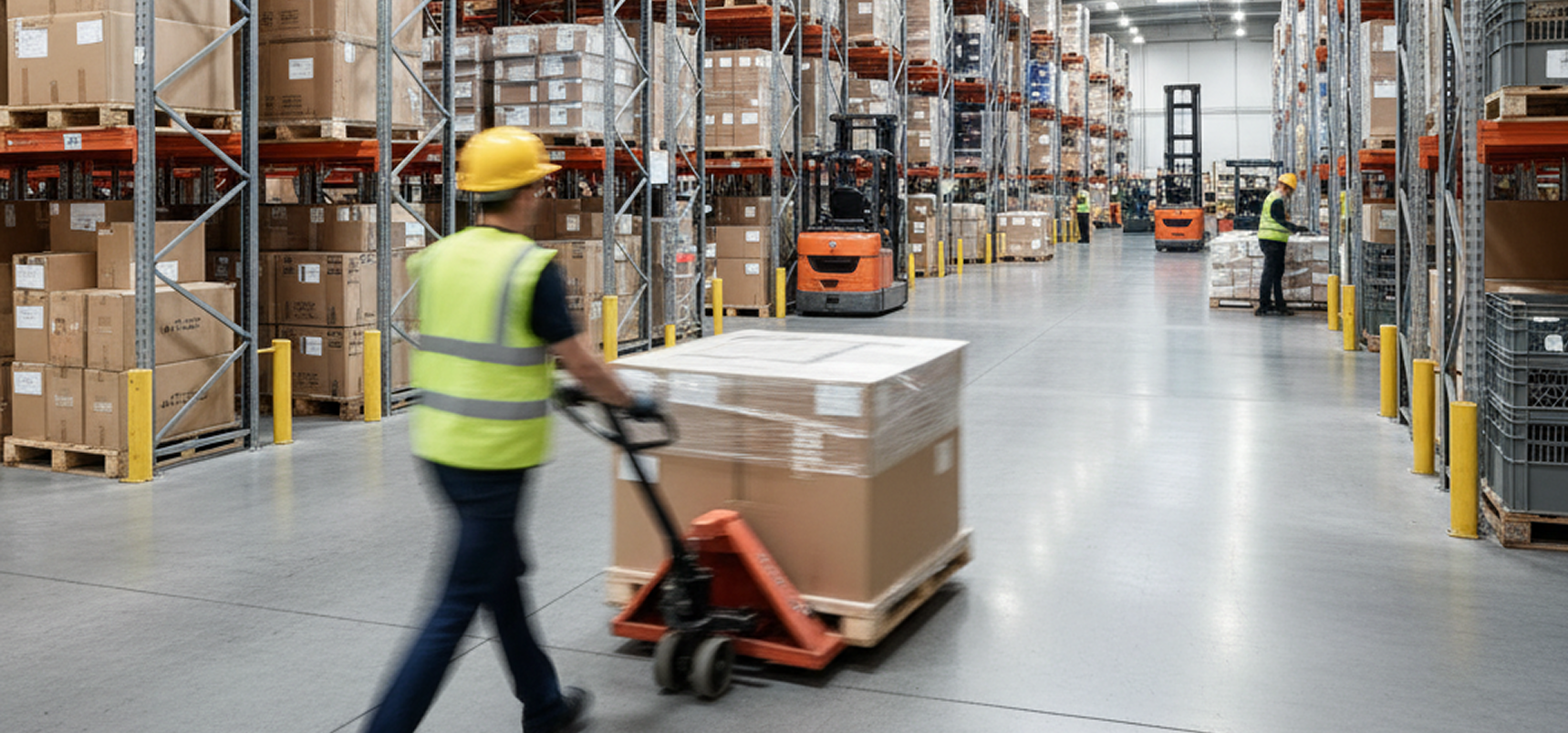
Mumbai warehouse rents range from Rs. 10-18 per sq ft monthly in areas like Bhiwandi to Rs. 40,000-11,00,000 monthly for full facilities, with 63% of leased space being Grade A properties and strong demand driving 63% year-over-year growth in H1 2025.
Major Warehouse Districts
Bhiwandi, Navi Mumbai, Taloja, Kurla, Thane, Palava.
Last-Mile Delivery Infrastructure
Mumbai’s last-mile delivery infrastructure features tech-driven, hyperlocal networks using micro-fulfillment centers, electric vehicles, and real-time tracking to overcome dense traffic, regulatory constraints, and high consumer demand for rapid, reliable delivery.
Automation and Technology Adoption
Warehouse automation in Mumbai is rapidly advancing with widespread adoption of technologies like AI, IoT, robotics, and automated storage systems to meet e-commerce demand, improve efficiency, and address labor shortages.
Cold Storage and Specialty Warehousing
Cold storage and specialty warehousing facilities in Mumbai provide temperature-controlled environments for the safe storage of perishable goods, pharmaceuticals, chemicals, and other sensitive products, offering solutions like refrigerated, frozen, and ambient storage with advanced climate and humidity control systems.
Supply Chain Analysis
Key Industries
Key industries and economic sectors in Mumbai include automobiles, cement, chemicals, consumer electronics, engineering, entertainment (Bollywood), financial services, food processing, healthcare, information technology, machinery, mining, petroleum, pharmaceuticals, steel, textiles, and transportation equipment.
Major Logistics Providers
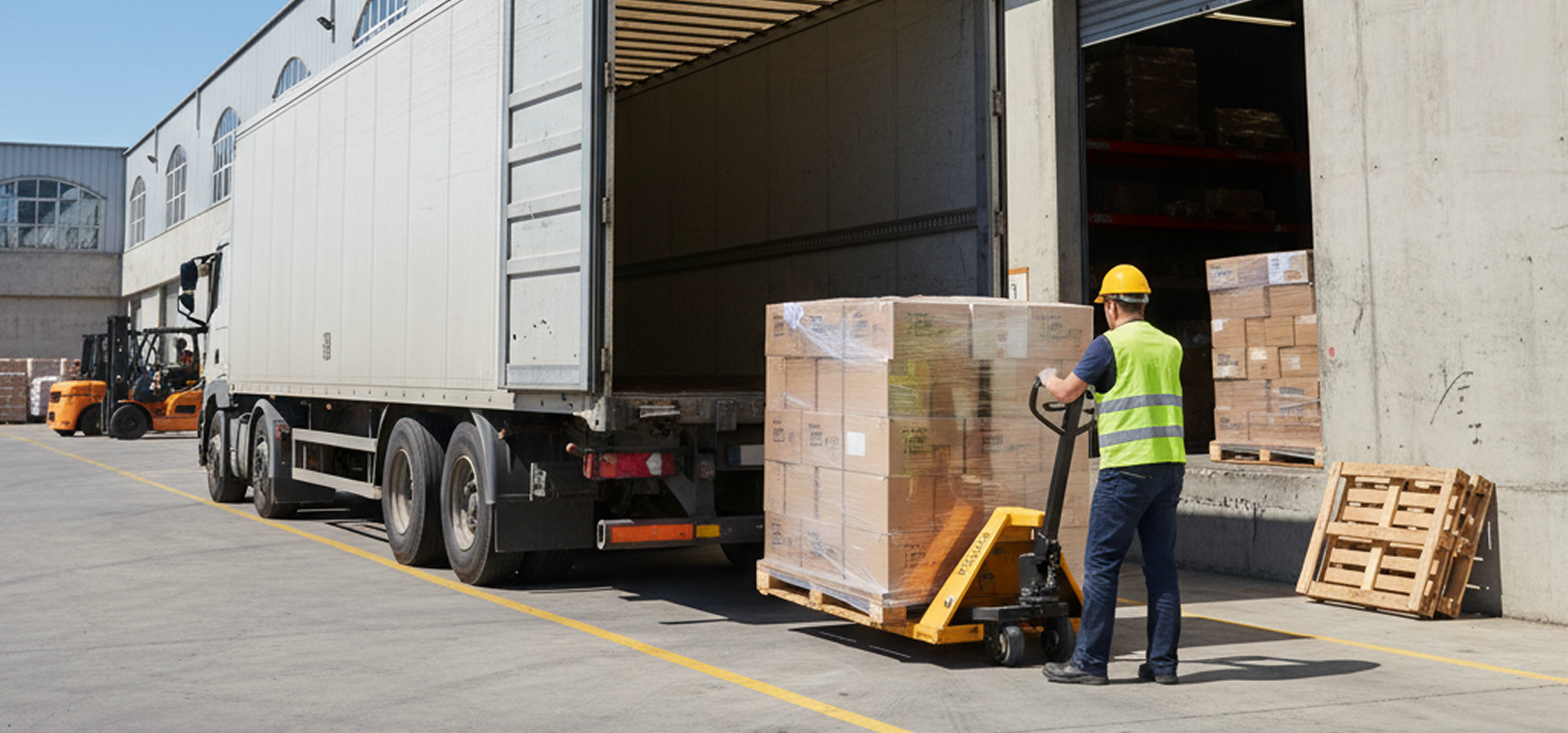
DHL, Blue Dart Express, Mahindra Logistics, Allcargo Logistics, Transportation Corporation of India (TCI), Gati Limited, Safexpress, Delhivery, XpressBees, Future Supply Chain, V-Trans, AWL India, Express Global Logistics, KK Express Logistics, Celcius Logistics Solutions, WareIQ, and AAJ Supply Chain Management are the major logistics and supply chain providers operating in Mumbai.
Import/Export Volumes and Trading Partners
Mumbai Port handles about 20% of India's foreign trade, with key trading partners including the United States, China, and the United Arab Emirates, though specific import/export volumes for Mumbai are not detailed.
Supply Chain Resilience
Mumbai’s supply chain resilience is challenged by supply inconsistency, capacity constraints, and market volatility, but firms are increasingly adopting integrated finance-procurement strategies and ecosystem-wide planning to mitigate risks and drive sustainable growth.
Local Manufacturing Capabilities
Mumbai has advanced local manufacturing capabilities across diverse sectors such as textiles, chemicals, pharmaceuticals, electronics, automotive, and consumer goods, supported by robust infrastructure, skilled workforce, and strategic port location.
Industry Clusters
Mumbai’s main industry clusters include finance, entertainment (Bollywood), information technology, textiles, diamond and jewelry, leather goods, engineering, petrochemicals, pharmaceuticals, and warehousing/logistics.
Competitive Advantages
Strategic location with access to major markets, advanced infrastructure, skilled workforce, tech-enabled logistics, cost-effective operations, and rapid fulfilment capabilities.
Infrastructure Assessment
Detailed evaluation of Mumbai's infrastructure quality, investment projects, utility systems, and environmental considerations for strategic planning.
Quality and Capacity
Mumbai’s infrastructure quality and capacity are rapidly improving in 2025 due to major upgrades in airports, metro, roads, and public transport, but challenges remain from high population growth and congestion.
Planned Investments
Mumbai’s planned infrastructure investments through 2030 include major projects such as metro network expansion, the Coastal Road, Mumbai–Ahmedabad High-Speed Rail, Navi Mumbai International Airport, new highways and bridges, and smart city initiatives to improve connectivity, mobility, and sustainable urban growth.
Utilities Reliability and Costs
Mumbai’s utility infrastructure features extensive underground networks for power, water, and internet managed by multiple agencies, but faces challenges of aging systems, frequent maintenance, and high demand due to rapid population growth.
Environmental Factors
Key environmental factors affecting logistics in Mumbai include air and water pollution, waste management challenges, traffic congestion, frequent flooding during monsoons, and inadequate infrastructure.
