Nagoya
Nagoya’s infrastructure is modern, well-developed, and highly efficient, supporting both advanced logistics and resilient urban living.
2.32.3 M+
Population
326326 km²
Area
6,7456,745 /km²
Density
Growth Trends
4.6K
The projected net population growth in Nagoya for 2024 is -22,210.
Working-Age Population
57.3%
75.3% of the EU's working-age population (20-64 years) is employed.
Employment Rates
Key industries include automotive, aerospace, and fine ceramics with major corporations like Toyota Motor Corporation, Mitsubishi Heavy Industries, and Noritake Company playing significant roles.
Educational Attainment
Tertiary attainment among young adults aged 25-34 in the UK increased from 52% in 2019 to 60% in 2024, placing it among top OECD nations.
Foreign Residents
The average income for foreign residents in Nagoya is about 4.7 million yen with 40% earning less.
Ethnic Composition
Foreign residents in Nagoya surpassed 95,000 in 2024, making up about 4.1% of the city population, with the largest groups from China, Vietnam, Brazil, and the Philippines.
Commuting
The Nagoya metropolitan area, with a population of 9,557,000, sees approximately 650 million annual commuter rail trips, with average one-way commutes of 32–44.6 minutes primarily from suburbs to the city center.
Migration Patterns
Nagoya continues to attract residents from other regions with a net inflow of 5,336 people in 2024.
Average Income
5.5M
The average annual income in Nagoya is about 6.5 million yen though more than half earn less than this amount.
Transportation & Logistics Overview
Warehousing & Fulfillment Landscape

Space and Vacancy Rates
15.9%
Lease Rates and Warehouse Classes
Warehouse lease rates in Nagoya typically range from about 1,350 to 1,500 yen per square meter per month, with modern facilities classified as Grade A offering higher specifications and rents than older or lower-grade warehouses.
Major Warehouse Districts
Nagoya Port area (Minato-ku), Tobishima, Komaki, Yatomi, Kagamigahara, and Chubu Centrair are the major warehouse and logistics districts in Nagoya.
Last-Mile Delivery Infrastructure
Nagoya’s last-mile delivery infrastructure features urban logistics hubs and micro-warehouses near city centers, enabling efficient, technology-driven sorting and dispatch of packages using eco-friendly vehicles to address rising e-commerce demand and urban delivery challenges.
Automation and Technology Adoption
Nagoya is adopting advanced warehouse automation technologies like robotic goods-to-person systems to boost efficiency, reduce fulfillment times, and address logistics challenges.
Cold Storage and Specialty Warehousing
Cold storage facilities in Nagoya, such as the Nagoya Logistics Center, offer specialized warehousing services with freezing storage capacities, bonded warehouses, and designated animal quarantine facilities, catering to diverse logistical needs.
Supply Chain Analysis
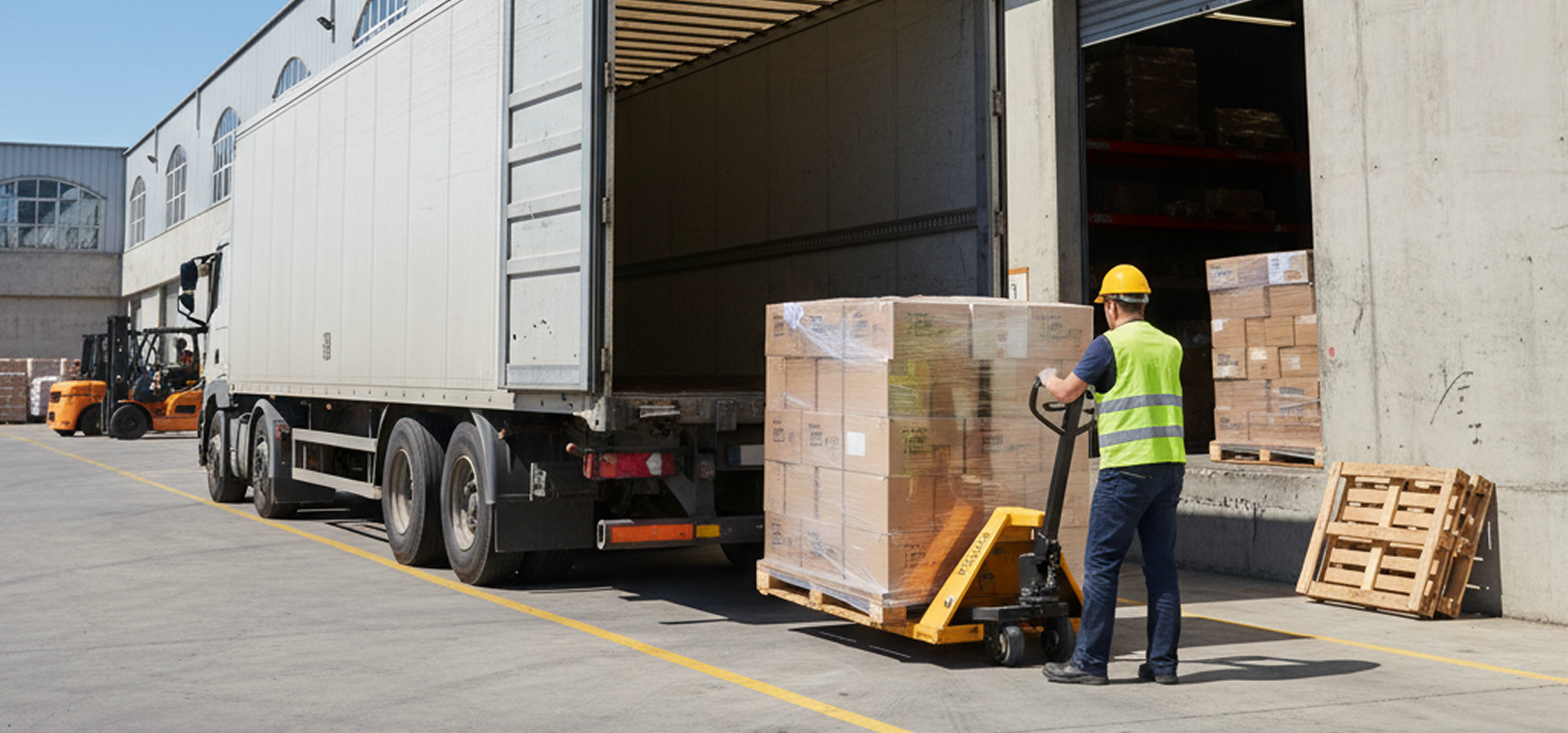
Key Industries
Automotive, aerospace, machinery, electronics, ceramics, textiles, chemicals, and logistics.
Major Logistics Providers
Swire Shipping, Mitsubishi Logistics Corporation, and MOL Logistics are major logistics and supply chain providers operating in Nagoya.
Import/Export Volumes and Trading Partners
Nagoya handled 158 million tons of cargo in 2023 (largest in Japan), with key exports including automobiles and machinery, key imports like LNG and crude oil, and main trading partners being China, Thailand, UAE, Australia, and the USA.
Supply Chain Resilience
Nagoya’s supply chain resilience is challenged by high density and complexity, making it vulnerable to disruptions, especially if reliant on single locations or partners, but can be strengthened through strategies like collaboration, flexibility, and diversification.
Local Manufacturing Capabilities
Nagoya is a major manufacturing hub with advanced capabilities in aluminum sheet production, automation and mechatronics, and semiconductor equipment manufacturing.
Industry Clusters
Automotive, aircraft, machine tools, electrical components, and fine ceramics manufacturing form the main industry clusters in Nagoya, with major companies like Toyota, Honda, Mitsubishi, and Noritake operating significant manufacturing and administrative facilities in the region.
Competitive Advantages
Nagoya’s key competitive advantages as a logistics/business hub are its highly developed and integrated transportation infrastructure (major port, airports, Shinkansen, expressways), central location connecting Tokyo and Osaka, strong manufacturing base, and proximity to major Asian markets.
Infrastructure Assessment
Detailed evaluation of Nagoya's infrastructure quality, investment projects, utility systems, and environmental considerations for strategic planning.
Quality and Capacity
The search results do not contain specific information about infrastructure quality and capacity in Nagoya.
Planned Investments
Planned infrastructure investments in Nagoya include major redevelopment around Nagoya Station, enhancing transportation hubs, and expanding Meitetsu Nagoya Station to four lines, with an investment of approximately ¥540 billion.
Utilities Reliability and Costs
Nagoya’s utility infrastructure includes reliable electricity from Chubu Electric Power, high-quality municipal water managed by Nagoya City Waterworks & Sewerage Bureau, and widespread internet access through major telecom providers.
Environmental Factors
Nagoya’s logistics face environmental challenges from high carbon emissions due to advanced industrial and transportation activity, prompting initiatives to reduce waste and transition toward low-carbon, sustainable supply chains.
