New York City
New York City's infrastructure quality is generally considered mediocre, with significant portions of its roads and bridges in poor condition, and aging water and sewer systems requiring substantial investment for maintenance and upgrades.
8.58.5 M+
Population
784784 km²
Area
10,71210,712 /km²
Density
Growth Trends
87,000
The projected net population growth in New York City for 2024 is 87,000.
Working-Age Population
61.7%
67% of first wave regions' population is working age, down from 70% in 2010.
Employment Rates
Key industries include finance, technology, manufacturing, and healthcare with major corporations like Bank of New York Mellon, Verizon Communications, and Deloitte Consulting playing significant roles.
Educational Attainment
Tertiary attainment among young adults aged 25-34 in Portugal increased from 38% in 2019 to 43% in 2024.
Foreign Residents
The average income for foreign residents in New York City is about $23,000, with many earning less.
Ethnic Composition
Foreign residents in New York City surpassed 3 million in 2024 making up about 36% of the city population with largest groups from Dominican Republic and China.
Commuting
Nearly 1 million workers commute daily into New York City for work, primarily via rail and subway, with total MTA weekday ridership reaching 9.8 million trips in 2025.
Migration Patterns
New York City continues to attract residents from other regions with a net inflow of 87,000 people in 2024.
Average Income
128K
The average annual income in New York City is about 19.7 million yen though more than half earn less than this amount.
Transportation & Logistics Overview
Warehousing & Fulfillment Landscape
Space and Vacancy Rates
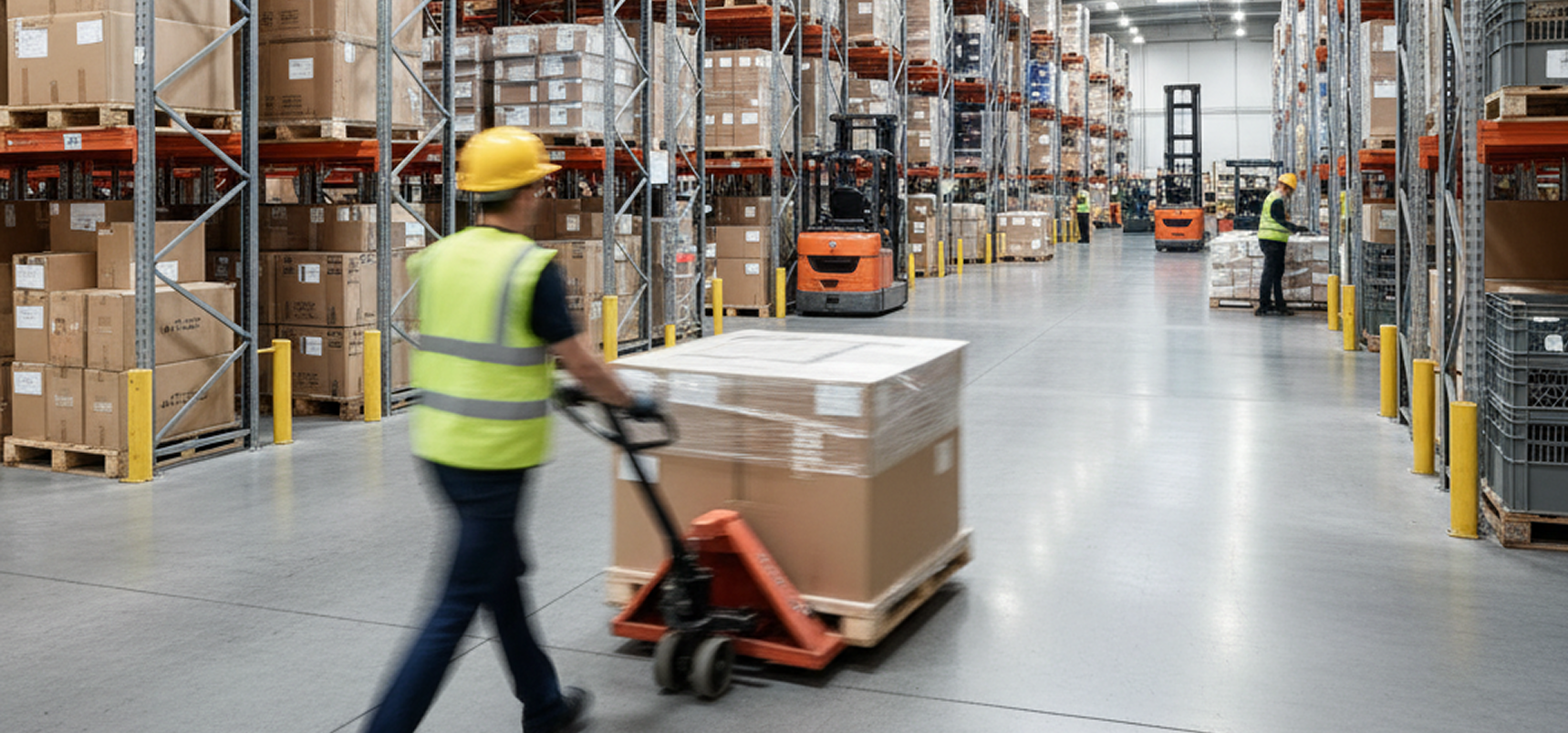
Warehouse space vacancy rates in New York City are at a two-decade high, but the search results do not provide a specific percentage for the current warehouse vacancy rate.
Lease Rates and Warehouse Classes
Warehouse lease rates in New York City vary by size and location, with small spaces typically $4,000–$5,000/month, medium $6,000–$8,000/month, and large spaces $10,000–$20,000+/month, while warehouse classes (A, B, C) are not specified in available data.
Major Warehouse Districts
Brooklyn Navy Yard, Maspeth, Bronx Logistics Center, Red Hook Marine Terminal, Howland Hook Marine Terminal, Ridgewood, Bronx (Bruckner Blvd), Manhattan.
Last-Mile Delivery Infrastructure
Last-mile delivery infrastructure in New York City involves using microhubs for transferring packages to smaller vehicles and exploring sustainable methods like electric cargo bikes and maritime transport to reduce truck traffic and emissions.
Automation and Technology Adoption
Warehouse automation in New York City involves integrating technologies like AI, robotics, and IoT to streamline operations, enhance efficiency, and reduce labor costs, aligning with global trends in logistics and supply chain management.
Cold Storage and Specialty Warehousing
Cold storage and specialty warehousing facilities in New York City offer a range of services including frozen, refrigerated, and dry storage options, often with advanced inventory management systems and security features, catering to diverse needs such as food, art, and wine storage.
Supply Chain Analysis
Key Industries
Finance, healthcare and life sciences, technology, real estate, media, publishing, trade, manufacturing, professional and business services, education, and retail.
Major Logistics Providers
Barrett Distribution, 3P Shipping, Fulfill.com, Palisades Logistics, Red Stag Fulfillment, Mitchell’s NY Logistics, DCL Logistics, Direct Drive Logistics, Maersk, Omni Logistics, AIT Worldwide Logistics, Tucker Company, Purolator International, Select Express & Logistics, EMO Trans Inc, Mohawk Global, SBA Global Logistic Services, Euro Cargo Express
Import/Export Volumes and Trading Partners
New York City imported $410.00 billion and exported $106 billion in 2023, with top import partners including China, Canada, and India, and top export partners including Canada, Switzerland, and Hong Kong.
Supply Chain Resilience
New York City's supply chain resilience faces significant vulnerabilities from port congestion, transportation bottlenecks, supplier concentration risks, and potential disruptions from extreme weather events and cybersecurity threats.
Local Manufacturing Capabilities
New York City has over 57,000 manufacturing jobs across 10,000+ industrial businesses producing garments, chemicals, metal products, processed foods, furniture, and specialty items like chocolate exports worth $234 million annually, with a focus on high-value, low-volume customized goods using advanced technologies like 3D printing and robotic automation.
Industry Clusters
New York City’s main industry clusters are financial services, front office and producer services, travel and tourism, communications/software/media services, and distribution.
Competitive Advantages
Strategic location with global connectivity, extensive multi-modal transportation, access to a massive consumer market, deep talent pool, competitive industrial space, and proximity to major airports and ports.
Infrastructure Assessment
Detailed evaluation of New York City's infrastructure quality, investment projects, utility systems, and environmental considerations for strategic planning.
Quality and Capacity
New York City's infrastructure quality and capacity face challenges, with low ratings on services like subway safety, despite efforts to improve sustainability and environmental quality through high-performance infrastructure guidelines.
Planned Investments
Planned infrastructure investments in New York City include major upgrades to Penn Station, expanded broadband, enhanced transit accessibility, new clean energy projects, and a $68.4 billion MTA capital plan focused on rebuilding and improving subways, buses, bridges, and tunnels.
Utilities Reliability and Costs
New York City’s utility infrastructure consists of over 7,000 miles of water mains, 7,500 miles of sewers, 105 miles of steam pipes, thousands of miles of underground electrical cables, and more than 50,000 miles of telecommunications cabling, supporting millions of residents and businesses with essential services.
Environmental Factors
New York City's logistics industry faces environmental challenges from diesel truck emissions causing air pollution and health impacts in disadvantaged communities, warehouse expansion generating massive pollution from delivery vehicles, and the need for sustainable freight solutions as e-commerce demand grows.
