Osaka
Osaka has modern, well-developed infrastructure with ongoing improvements focused on sustainability, public transportation, and urban resilience.
2.72.7 M+
Population
225225 km²
Area
11,83611,836 /km²
Density
Growth Trends
-45.9K
The projected net population growth in Osaka for 2024 is -45,000.
Working-Age Population
N/A
67% of the global population is of working age, with this share expected to decline in many regions over the coming decades.
Employment Rates
Key industries include electronics, pharmaceuticals, finance, and manufacturing, with major corporations like Panasonic, Sharp, Takeda Pharmaceutical, and Sumitomo Electric Industries playing significant roles.
Educational Attainment
Tertiary attainment among young adults aged 25-34 in France increased from 45% in 2019 to 48% in 2024, placing it among the top OECD nations.
Foreign Residents
The average income for foreign residents in Osaka is about 2 million yen, with 70% earning less.
Ethnic Composition
Foreign residents in Osaka surpassed 190,000 in 2024, making up about 6.8% of the city population, with the largest groups from Korea, China, Vietnam, Nepal, and the Philippines.
Commuting
Over 1 million people ride the Osaka Metro daily, with average commutes in Greater Osaka lasting 1 hour 26 minutes, as millions travel primarily by rail from suburbs to the city for work.
Migration Patterns
31,780
Average Income
5.4M
The average annual income in Osaka is about 5.23 million yen, though more than half earn less than this amount.
Transportation & Logistics Overview
Warehousing & Fulfillment Landscape
Space and Vacancy Rates
5.6%
Lease Rates and Warehouse Classes
Warehouse lease rates in Osaka typically range from about 3,447 to 9,846 yen per tsubo per month, with property classes varying by location, size, and facility features.
Major Warehouse Districts
Nanko (Suminoe-ku), Rinku (Izumisano-shi), Higashi-Osaka, Taisho (Tsurumachi).
Last-Mile Delivery Infrastructure
Osaka’s last-mile delivery infrastructure relies on urban logistics hubs, new distribution centers, and emerging technologies like delivery robots to address high demand, labor shortages, and the need for efficient, eco-friendly urban deliveries.
Automation and Technology Adoption
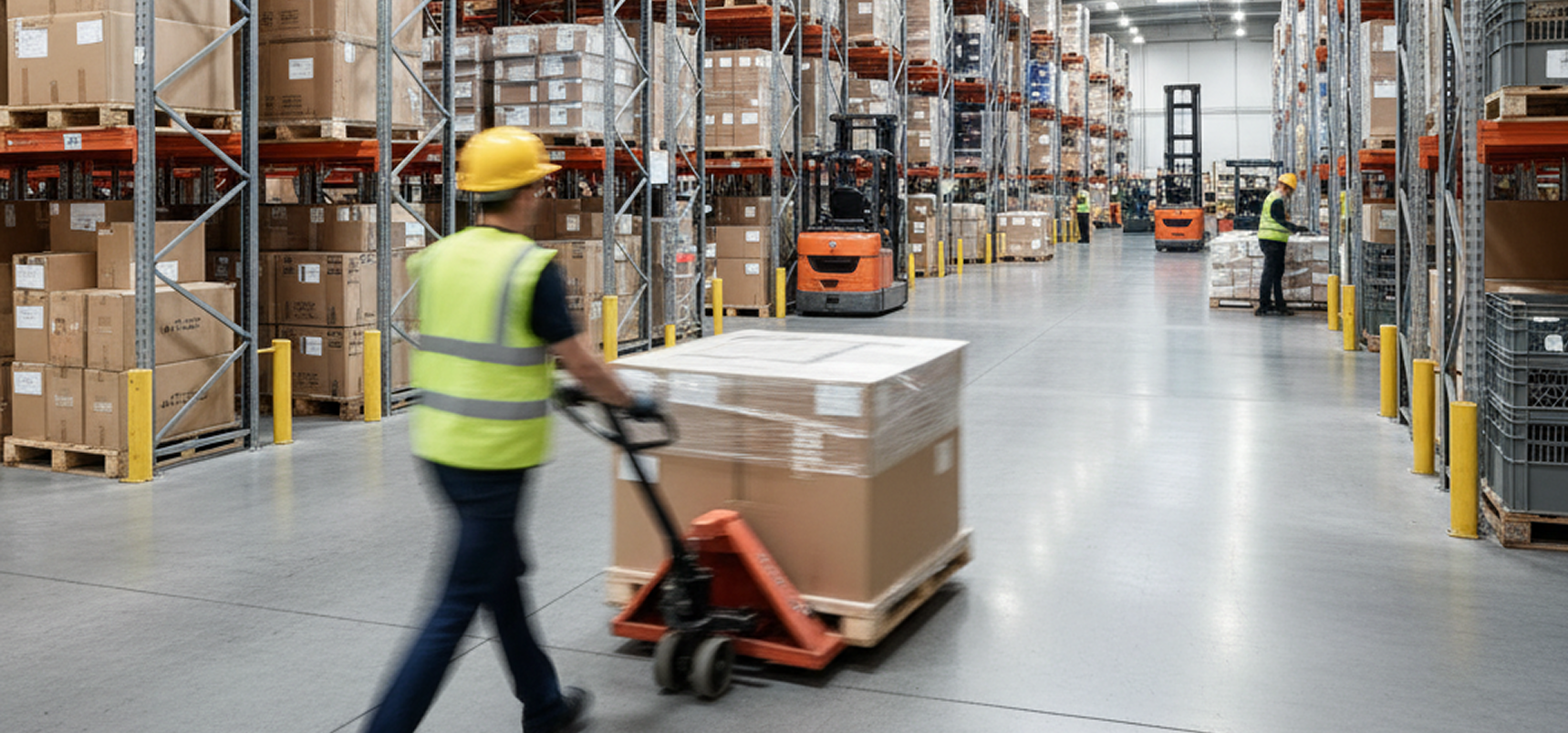
Warehouse automation in Osaka is advancing with the adoption of autonomous mobile robots, AI-driven systems, and robotics for tasks like cart transport and order picking, though overall technology uptake remains gradual compared to global trends due to cultural and economic factors.
Cold Storage and Specialty Warehousing
Cold storage and specialty warehousing facilities in Osaka offer large-scale, multi-temperature storage (including frozen and refrigerated), advanced logistics systems, and services such as bonded warehousing, animal quarantine, and energy-saving technologies for handling a wide range of perishable goods.
Supply Chain Analysis
Key Industries
Key industries and economic sectors in Osaka include manufacturing (electronics, pharmaceuticals, industrial machinery, chemicals, food, construction), finance, trade and transportation, biotechnology, life sciences, new energy, education, health services, and high-tech industries such as IT and game content.
Major Logistics Providers
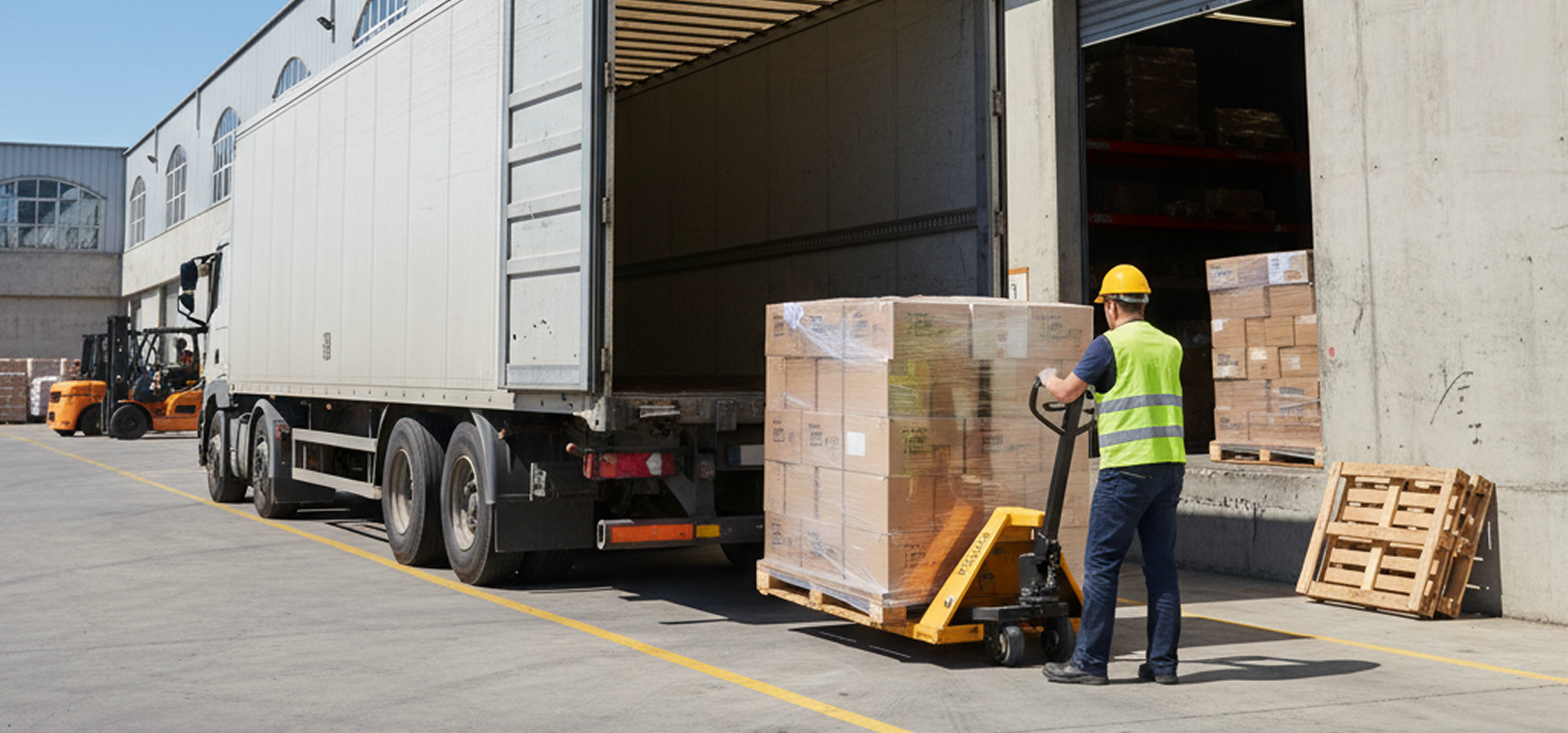
Yamato Logistics, Sagawa Express, Nippon Express, Konoike, Logistics Plus, FedEx, DHL, MOL Logistics, Isewan Terminal Service, Transcontainer Limited.
Import/Export Volumes and Trading Partners
Osaka's 2022 foreign trade volume was about 5 trillion yen in exports and 6.3 trillion yen in imports, with key trading partners including China, the United States, and other Asian countries.
Supply Chain Resilience
Osaka's supply chain resilience is strengthened by digitalization and circular economy initiatives but faces risk factors including global economic volatility, resource scarcity, and climate-related disruptions.
Local Manufacturing Capabilities
Osaka has advanced manufacturing capabilities in precision engineering, pharmaceuticals, and textiles, with facilities specializing in high-tech components, tablet production, and integrated apparel manufacturing.
Industry Clusters
The main industry clusters in Osaka are life sciences and pharmaceuticals, environmental and new energy technologies, electronics, food and beverages, finance, precision machinery, and advanced manufacturing.
Competitive Advantages
Osaka’s key competitive advantages as a logistics/business hub are its strategic Asian gateway location, advanced multimodal transport infrastructure (ports, airports, rail), cost-effective business environment, strong industrial base, and culture of openness and international collaboration.
Infrastructure Assessment
Detailed evaluation of Osaka's infrastructure quality, investment projects, utility systems, and environmental considerations for strategic planning.
Quality and Capacity
Osaka has high-quality, modern infrastructure with strong transport capacity, recently enhanced by major upgrades for Expo 2025.
Planned Investments
Major planned infrastructure investments in Osaka include the Yumeshima Expo 2025 site redevelopment, Osaka Metro Chuo Line extension and new Yumeshima Station, large-scale integrated resort and real estate projects, Umeda North Phase 2 redevelopment, and over $700 million in new data center developments.
Utilities Reliability and Costs
Osaka features modern and resilient utility infrastructure with stable electricity (including gas and renewables), advanced water management systems, and widespread high-speed internet connectivity.
Environmental Factors
Key environmental factors affecting logistics in Osaka include limited urban space, aging water infrastructure, waterway management, air and water pollution from transport, and the need for sustainable technologies to reduce emissions and resource use.
